Uzbek Payment Systems Payme, Click, and Paynet Show Divergent Profit Growth in Q1 2026
Uzbek payment providers Payme, Click, and Paynet report strong Q1 2026 profit growth, with Paynet’s surge driven by a significant one-time dividend inflow.

Uzbek payment providers Payme, Click, and Paynet report strong Q1 2026 profit growth, with Paynet’s surge driven by a significant one-time dividend inflow.
Uzbekistan's rising urban divorce rates, now one-third of marriages, pose demographic challenges with significant implications for fintech, digital banking, and economic stability.

The UK has withdrawn accreditation from a Russian diplomat in response to Moscow's expulsion of a British diplomat accused of espionage, heightening diplomatic strain with implications for cybersecurity and fintech.

Israel detains humanitarian aid ships to Gaza, revealing digital communication disruptions and prompting fintech and cybersecurity concerns amid maritime blockades.

US-Iran tensions cause Brent oil prices to surge over $119, impacting fintech, digital banking, and tech stocks through increased volatility and inflation risks.

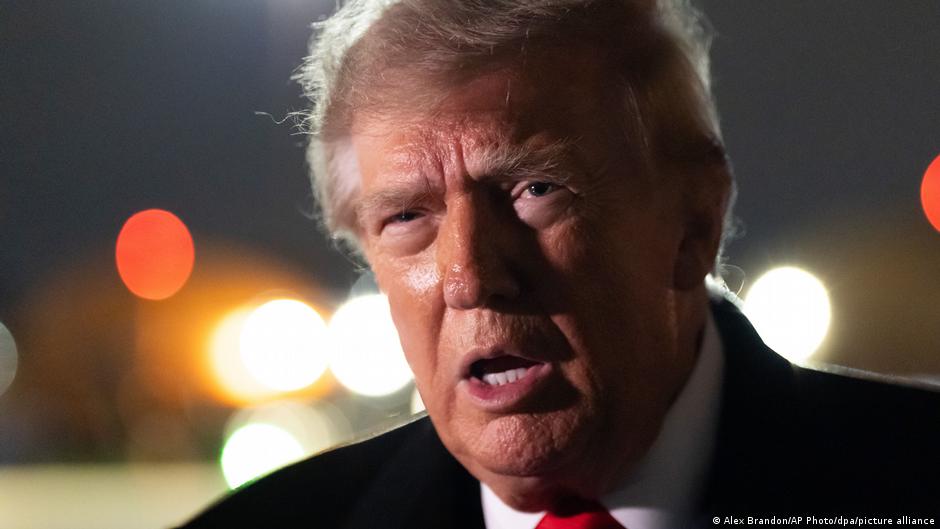
The US will issue special passports bearing President Trump's portrait to mark the 250th Independence anniversary, signaling new trends in digital identity and secure documentation.

Moscow's May 9 Victory Day parade will exclude military vehicles for the first time in years due to security concerns, reflecting operational shifts amid ongoing regional tensions.

Uzbekistan's banks expanded their loan portfolios to over 623 trillion soms in Q1 2026, with non-performing loans rising by 1.8 trillion soms, mainly in state banks.

Israel responded to Ukraine's protest over a Russian ship carrying allegedly stolen Ukrainian grain docked at Haifa, emphasizing legal review and lack of evidence.

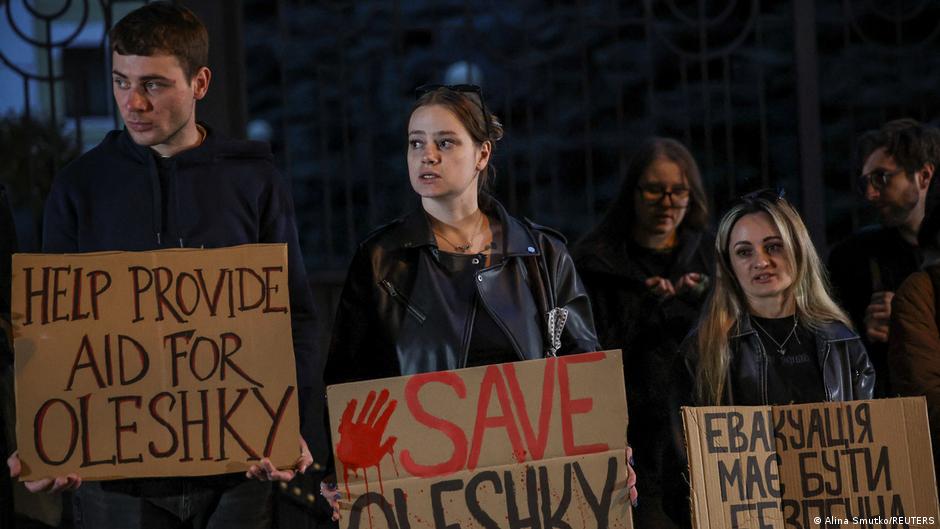
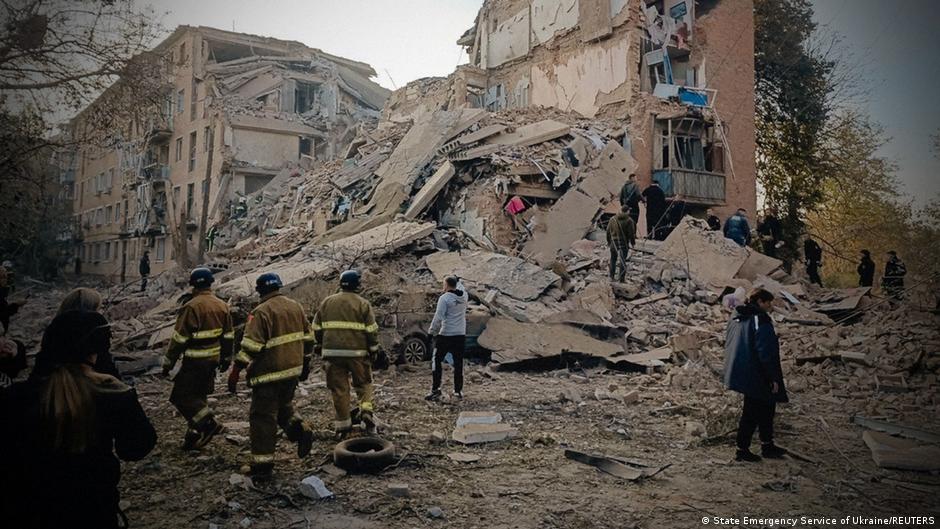
Recent drone attacks on Odessa caused significant civilian and infrastructure damage, highlighting the growing cybersecurity and physical security challenges facing critical urban infrastructure in conflict zones.

Hungary's new leadership seeks to unlock €35 billion in EU funds frozen due to previous governance issues, with significant implications for its fintech and digital economy sectors.

Outgoing Hungarian PM Viktor Orban declines parliamentary mandate amid leadership changes and new government plans to reverse key policies affecting EU relations and digital economy prospects.

Alexander Eichwald was expelled from Germany’s AfD after a speech mimicking Hitler’s style, revealing extremist tensions that may affect Germany’s fintech and digital economy sectors.

A fabricated BBC report falsely claims a stolen Cézanne painting was found in Zelensky’s office, revealing a Russian-linked disinformation campaign targeting Ukraine and Western trust.

Ryanair will close its Berlin base and cut flights by 50% citing high German aviation taxes and airport fees, reallocating aircraft to cheaper EU airports.

US Treasury Secretary Scott Bessent confirms no further extensions for sanctions exemptions on Russian and Iranian oil shipments already at sea.

Uzbekistan banks must now maintain a minimum card balance of 1.236 million UZS during automatic debt repayments, limiting full fund withdrawals to protect customers.

US President Trump sees Putin's possible attendance at the 2026 G20 Miami summit as beneficial but is uncertain about Russia's official invitation and participation.

The US-mediated truce extension between Israel and Lebanon offers potential stability to enhance fintech and digital economy growth in the region.

Drone strikes on Odessa inflicted civilian injuries and property damage, highlighting risks to urban digital and fintech infrastructure amid ongoing conflict.

Uzbekistan's March car sales rose 19% month-on-month, boosting prospects for fintech growth in digital payments and auto financing sectors.

A phishing attack compromised the Signal account of German Bundestag chair Julia Klöckner, affecting CDU leadership communications and exposing cybersecurity vulnerabilities in political digital messaging.

Turkey intensifies efforts to restart Russia-Ukraine peace talks, aiming to mitigate regional conflicts impacting fintech, digital banking, and cybersecurity.

Drone strikes in Dnipro injured seven and ignited fires, exposing critical vulnerabilities in urban infrastructure that threaten digital payments and banking services.

Italian PM Giorgia Meloni condemns Russian TV host Solovyov's insults amid diplomatic backlash, emphasizing Italy's independent foreign policy and political unity.

NATO intercepted Russian bombers and fighters over the Baltic Sea, highlighting regional security risks with potential impacts on digital banking, fintech, and cybersecurity.

Lufthansa plans to cancel 20,000 flights and retire older aircraft to reduce aviation fuel consumption by over 40,000 tons amid the ongoing energy crisis.

Tencent and Kaspi.kz management acquire 6 million shares, marking strategic fintech investment and strengthening Kaspi.kz's position in digital payments and super app services.

Tashkent’s markets achieved significant profit increases in 2025, driving growth in digital payment adoption and fintech innovation across the city’s retail sectors.

France and Poland are jointly developing a military satellite to provide secure communications for Poland's armed forces, reducing reliance on external systems like Starlink.

The EU warns Serbia may lose €1.5 billion in reform funds due to democratic backsliding, risking setbacks in digital economy and fintech sector development.

US Labor Secretary Lori Chavez-Deremer resigns amid misconduct allegations as the White House considers further cabinet changes, raising concerns about regulatory stability impacting the digital economy.

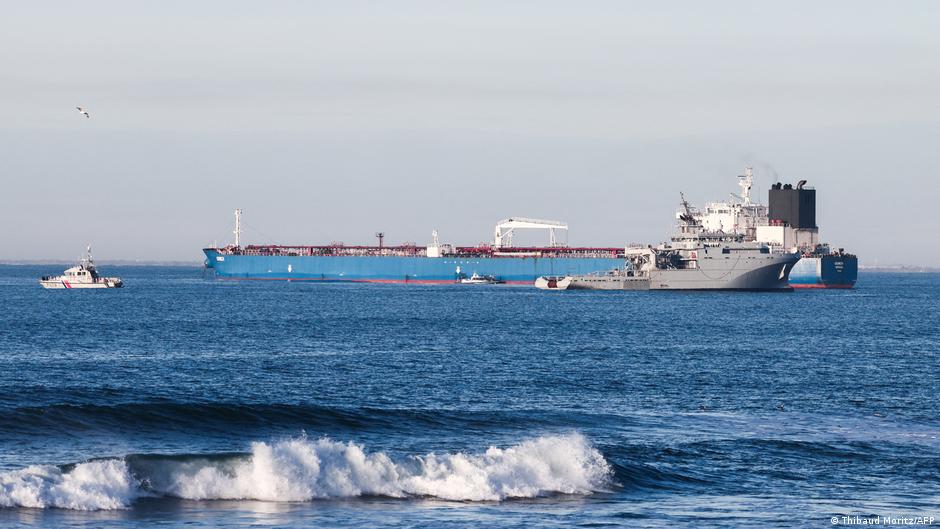
US forces seized an Iranian cargo ship in the Gulf of Oman, escalating tensions and impacting regional fintech, digital payments, and cybersecurity amid ongoing maritime conflicts.

Lithuania and Latvia have blocked Slovak PM Robert Fico’s flight to Moscow on May 9, reflecting geopolitical tensions impacting European airspace and regional fintech sectors.

Geopolitical tensions in Iran trigger aviation fuel shortages, forcing airlines to cut flights and prompting calls for coordinated EU response amid economic and fintech sector impacts.

Peter Madyar’s Tisa party wins Hungary’s parliamentary majority amidst contested district results involving alleged voter confusion tactics, raising election security concerns.

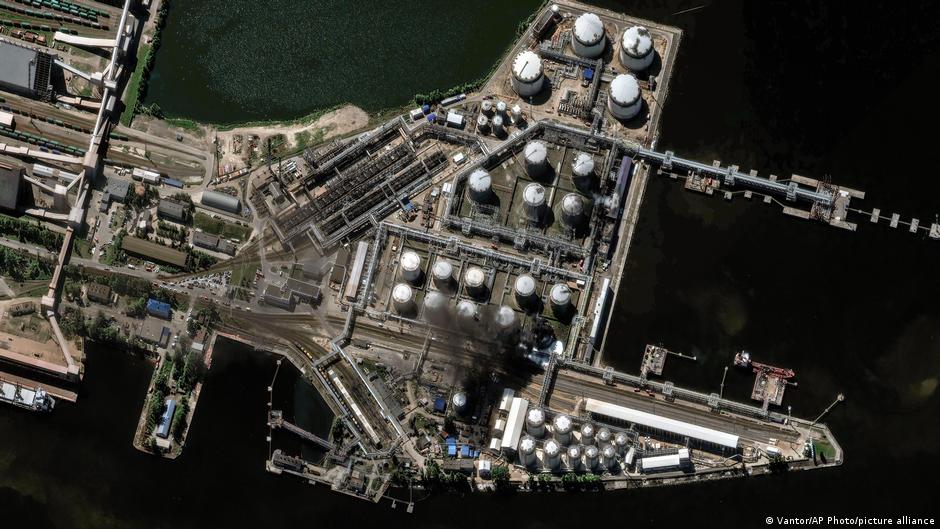
Drone strikes on Russian oil depots ignite fires without casualties, raising cybersecurity and operational risks for critical energy infrastructure amid ongoing conflict.

The US has extended its waiver on sanctions for Russian oil shipments until May 16, raising concerns about sanction evasion and implications for fintech compliance and digital payments.

Trump rejects NATO help securing Strait of Hormuz, calling alliance ineffective. European nations lead peaceful mission to protect vital shipping lanes amid Middle East tensions.

Pope Leo XIV denounces exploitation and war, linking religious manipulation to broader impacts on global stability and economic systems amid his Africa tour.

Russian drone attacks on Chernihiv critical infrastructure caused power outages affecting 6,000 customers, highlighting ongoing risks to energy and digital services.

Uzbek banks report strong Q1 2026 profits and asset growth, fueled by diversified income streams and expanding loan portfolios amid rising market competition.

Uzbek and Afghan businesses sign $300M contracts at Herat forum, focusing on enhanced payment systems, logistics, and digital trade platforms.

The US Senate rejects a resolution to end military actions in Iran, prolonging geopolitical uncertainty with impacts on fintech, digital payments, and cybersecurity sectors.

Germany authorized millions in arms exports to Israel during its conflict with Iran, raising issues around export restrictions and implications for defense and fintech sectors.