US Army Secretary Resigns Amid Pentagon Rift, Raising Questions for Defense Tech
Daniel Driscoll's reported resignation adds uncertainty around Pentagon procurement, cybersecurity priorities and defense-tech market signals.

Daniel Driscoll's reported resignation adds uncertainty around Pentagon procurement, cybersecurity priorities and defense-tech market signals.

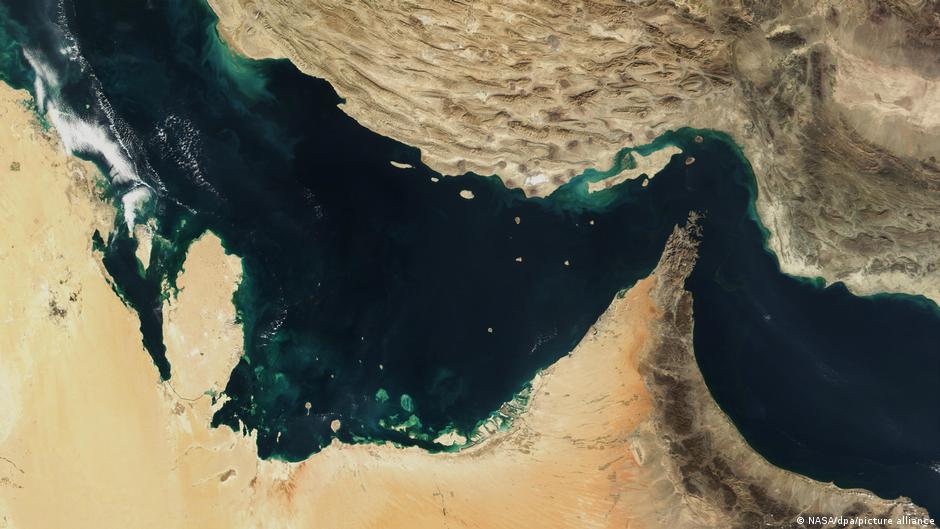
US-Iran conflict over the Strait of Hormuz threatens oil trade routes and digital payment systems, with Oman caught in diplomatic crossfire amid escalating military tensions.

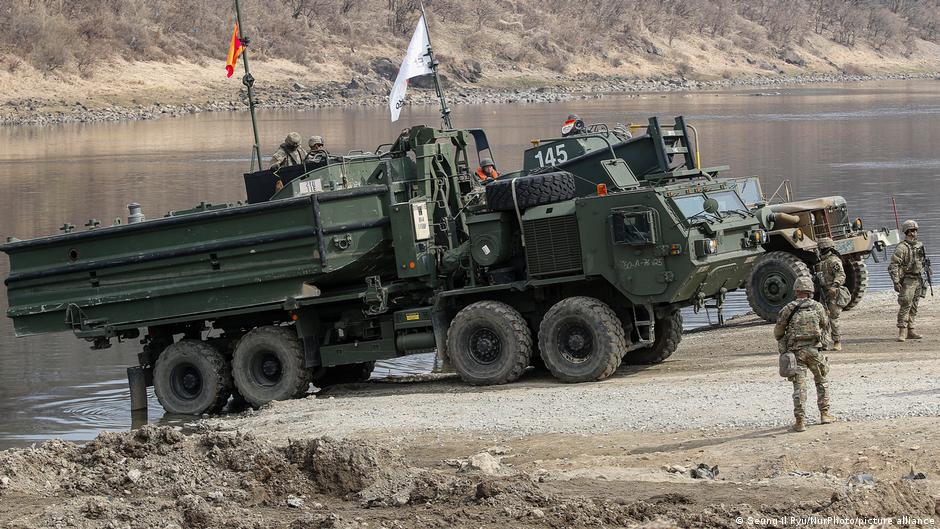
The US will reduce joint military exercises with South Korea, citing costs and diplomacy with North Korea, impacting regional stability vital to fintech and cybersecurity sectors.

The US has imposed tariffs of up to 100% on imported drones and components to reduce foreign dependence and enhance national security amid cybersecurity concerns.

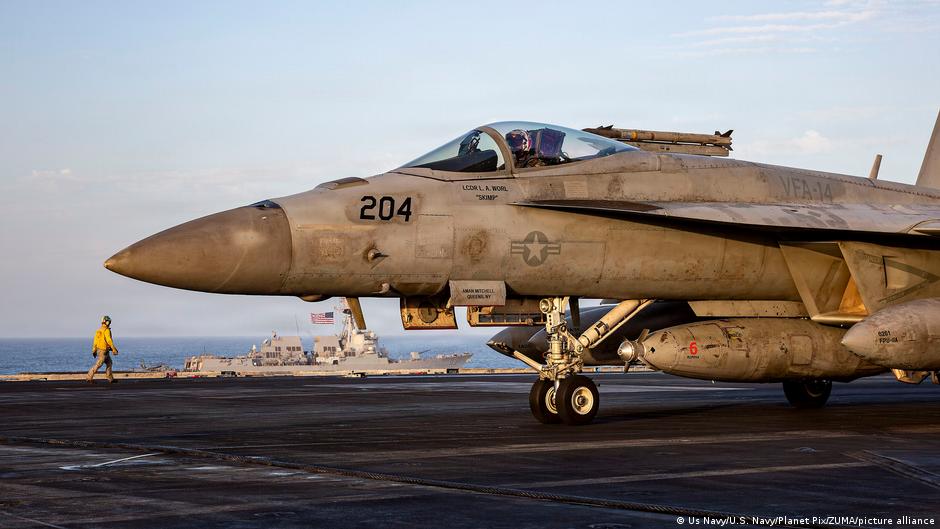
US forces disabled a cargo ship's steering attempting to breach Iran's blockade in the Strait of Hormuz, underscoring US control and geopolitical risks impacting global fintech and trade.

Former President Donald Trump criticizes the Biden administration for depleting US missile stockpiles due to aid to Ukraine, stressing the need to prioritize domestic military readiness.

US forces intercepted Iranian ballistic missiles targeting American troops in the Middle East, underscoring risks to regional security and fintech sectors amid rising tensions.

Iran’s Revolutionary Guard mined and attacked an oil tanker in the Strait of Hormuz, impacting global energy trade and digital financial networks connected to maritime oil shipments.

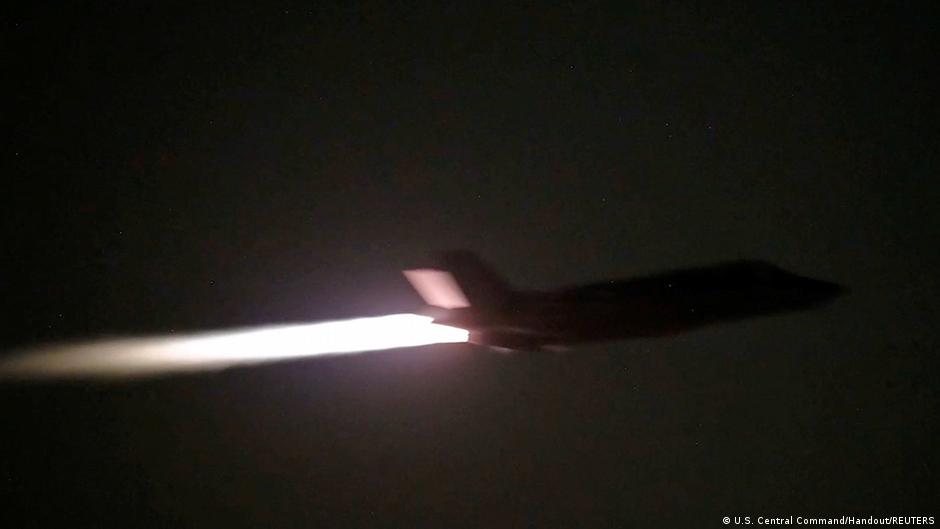
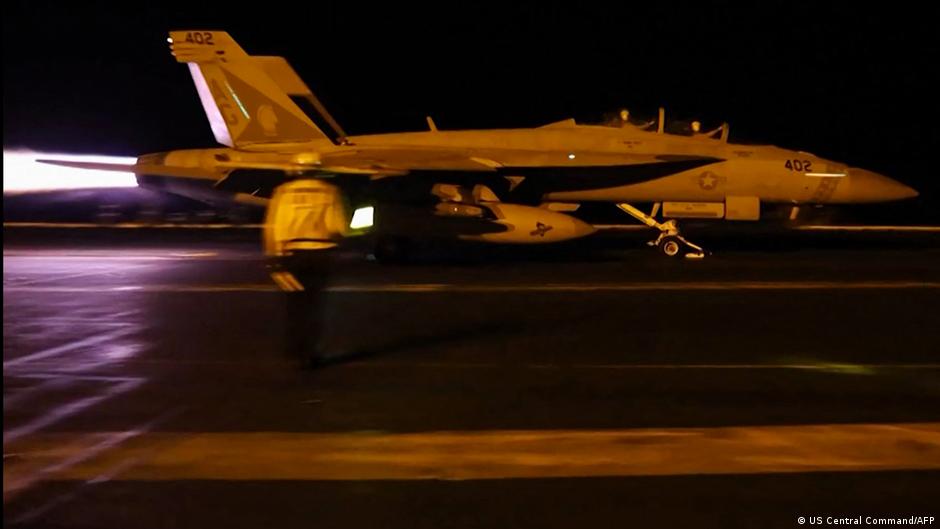
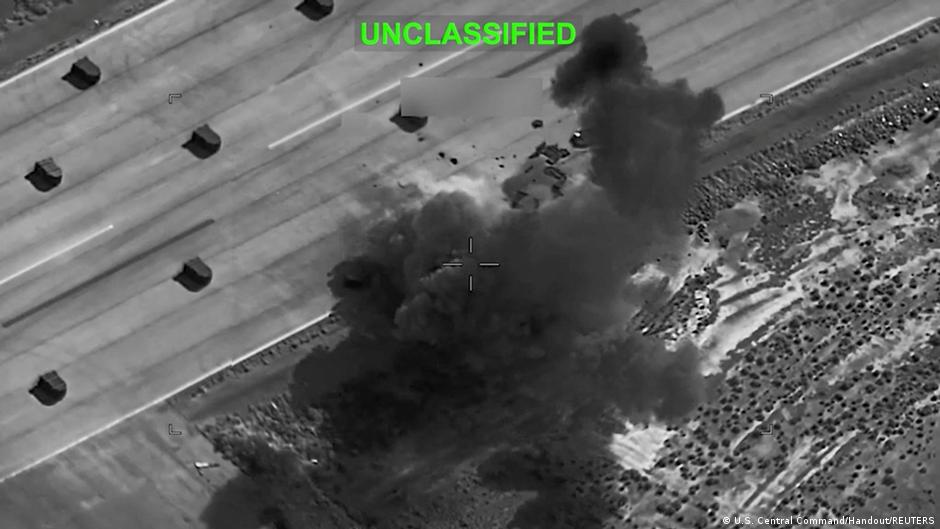
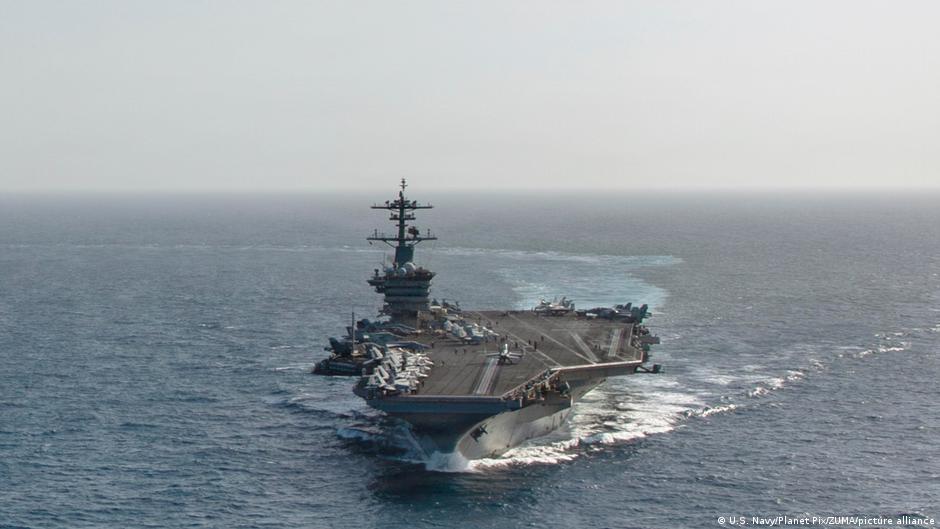
US forces continue 11th night of strikes on Iran, targeting military assets in a bid to secure Strait of Hormuz shipping lanes amid rising regional tensions.

The US begins delivering a $100 million humanitarian aid package to Cuba amid sanctions and military tension, impacting digital payments and financial sectors.

US military strikes on Iran enter tenth day, targeting missile sites and air defenses, escalating regional tensions with implications for global trade, fintech, and cybersecurity.

US military deaths in the Iran conflict have reached 17, intensifying geopolitical risks that impact fintech, digital payments, crypto markets, and cybersecurity worldwide.

US strikes on Iran continue for the ninth night, disrupting Gulf trade routes and impacting energy supply chains, with significant implications for fintech and cybersecurity sectors.

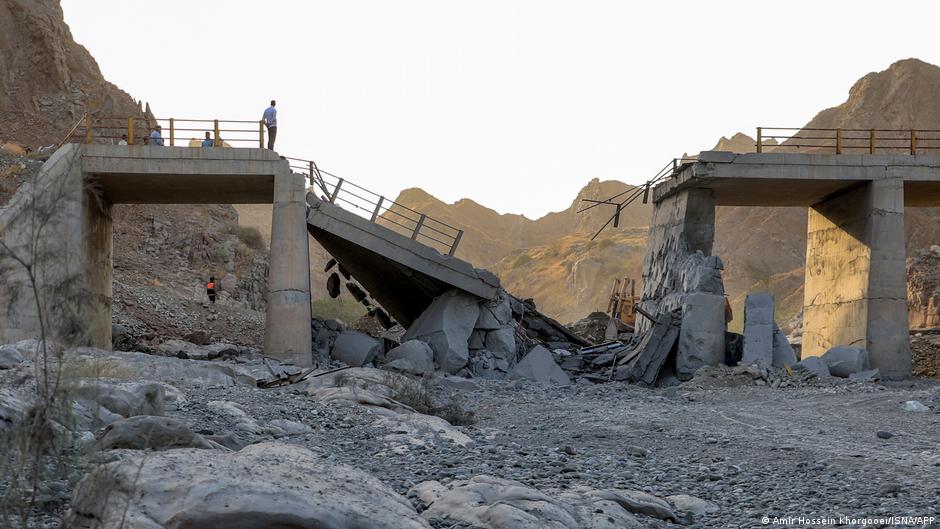
The US military intensified strikes on Iranian infrastructure, targeting bridges, airports, and energy sites, escalating regional tensions with implications for fintech and digital economy stability.

US military strikes on Iran escalate tensions, impacting maritime security, digital payments, and fintech sectors amid enforced maritime blockades and retaliatory attacks.

US military strikes near the Strait of Hormuz aim to prevent Iranian attacks on commercial shipping, affecting global oil trade and digital economy security.

US military strikes on Iran escalate tensions, closing the Strait of Hormuz and disrupting global oil flows with significant implications for fintech, digital payments, and cybersecurity.

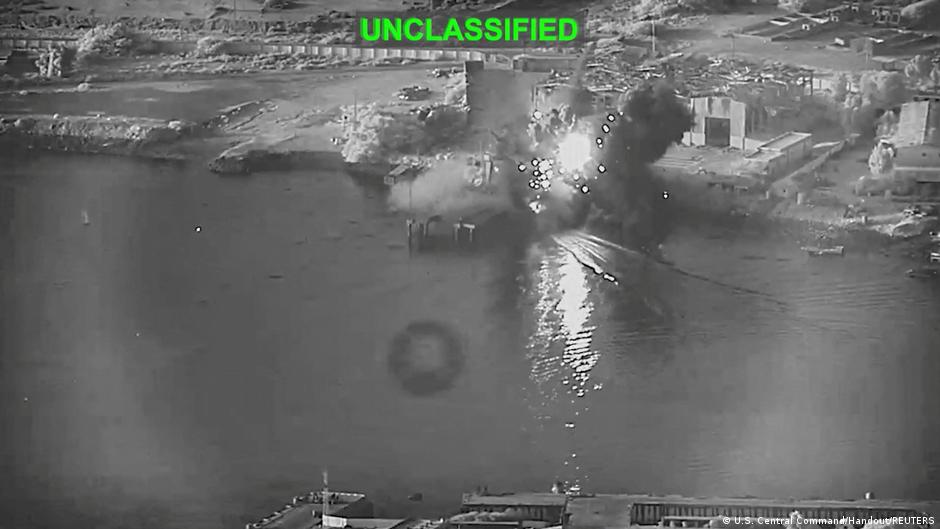
US military strikes on Iran target maritime infrastructure in the Strait of Hormuz, raising risks for global trade, energy markets, and fintech payment ecosystems amid escalating tensions.

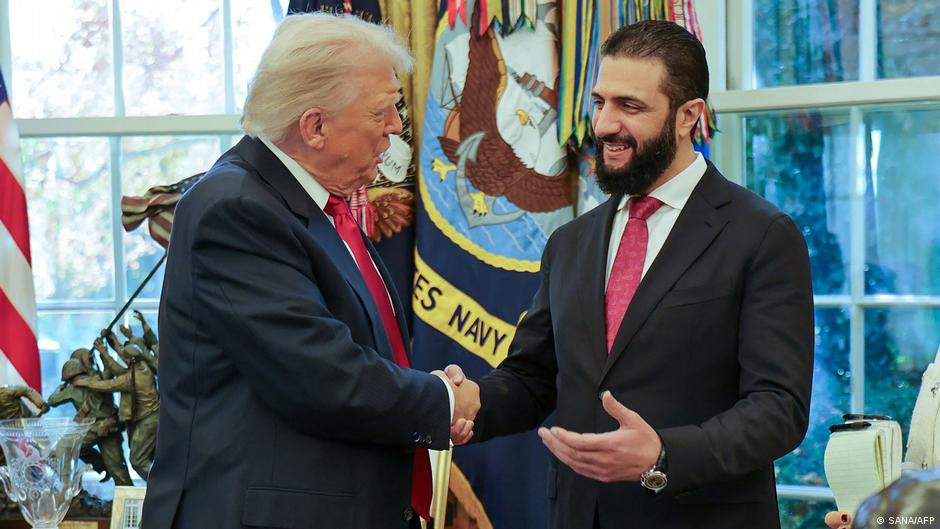
The US plans to remove Syria from the terrorism sponsorship list, opening doors for investment and digital economic integration amid new diplomatic ties.

US military strikes on Iran retaliate against tanker attacks in the Strait of Hormuz, raising risks for maritime trade, energy markets, and digital financial ecosystems.

US air strikes targeted Iranian military sites following drone attacks on commercial tankers in the Strait of Hormuz, raising concerns over cybersecurity and digital trade risks.

US airstrikes on Iranian military sites followed Iran's drone attack on a commercial vessel in the Strait of Hormuz, escalating risks to maritime security and impacting global trade and fintech sectors.

The US has lifted its naval blockade of the Strait of Hormuz, enabling record oil shipments and initiating a 60-day negotiation period with Iran to finalize a peace deal.

The US plans to cut fighter jets and naval vessels supplied to NATO by about a third, signaling a strategic pivot that impacts defense operations and associated technology sectors.

US strikes on Iran triggered Tehran's closure of the Strait of Hormuz, threatening global energy flows and digital payment systems amid escalating regional conflict.

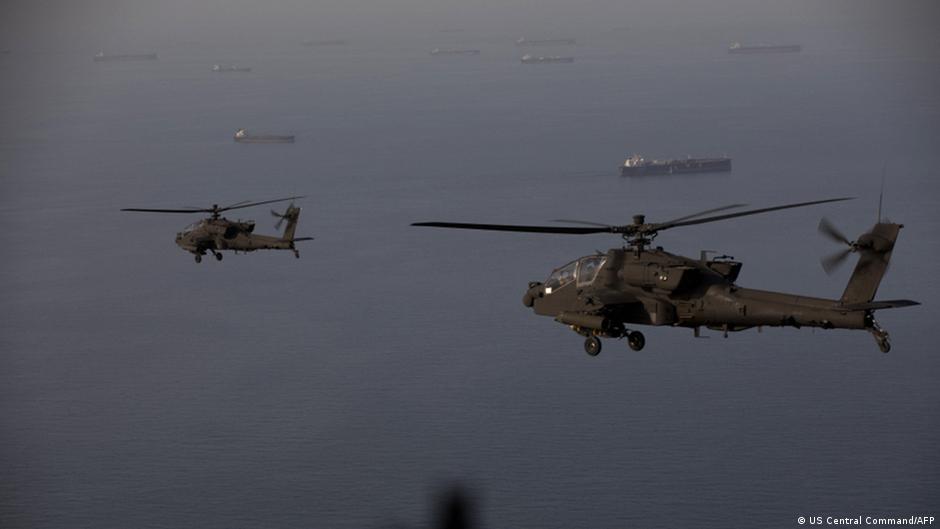
US forces struck Iranian air defenses after Iran downed a US Apache helicopter near the Strait of Hormuz, heightening regional security and financial market risks.

US Central Command intercepted four Iranian drones targeting the Strait of Hormuz, highlighting risks to maritime security and the technological dynamics shaping regional conflicts.

The US has imposed new sanctions on Cuban President Diaz-Canel and Raul Castro's family, intensifying pressure amid worsening diplomatic ties and economic challenges on the island.

The US disabled a Gambian-flagged vessel heading to Iran after repeated warnings amid ongoing blockade enforcement in the Strait of Hormuz, affecting regional trade and digital finance.

US military launched defensive strikes on Iranian missile sites and mine-laying vessels amid a fragile ceasefire, raising implications for fintech, cybersecurity, and tech stocks.

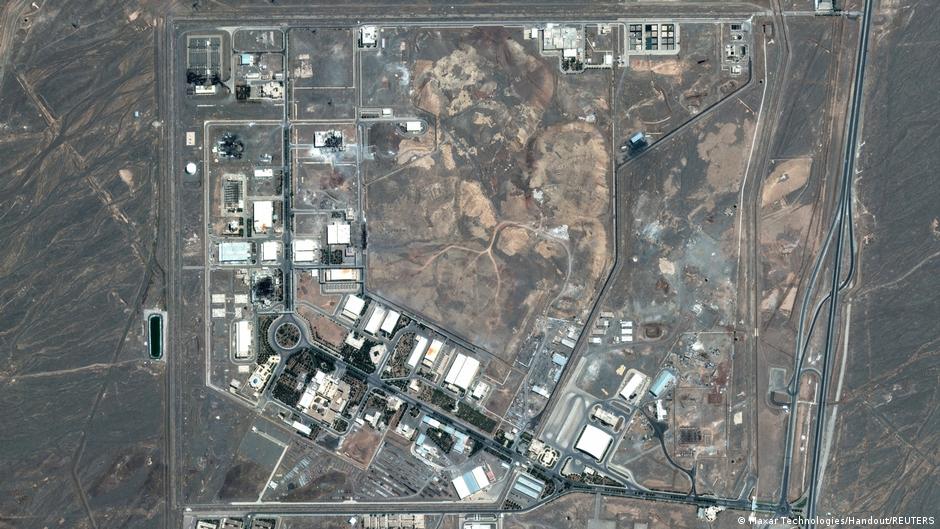
Trump's statement on Iran's uranium stocks underscores geopolitical risks impacting fintech, digital banking, and cybersecurity amid escalating tensions.

President Trump announces deployment of 5,000 additional US troops to Poland, reversing earlier plans and reflecting shifts in US military posture in Europe.

The potential relocation of US troops from Germany to Poland may accelerate digital defense investments and impact cybersecurity and fintech sectors in Eastern Europe.

The US announces a major troop reduction in Germany, exceeding 5,000 soldiers, impacting NATO dynamics and defense-related tech sectors amid escalating geopolitical tensions.

The US plans to withdraw 5,000 troops from Germany within a year, a move with potential implications for transatlantic cybersecurity and fintech collaboration.

US Chargé d’Affaires Julie Davis to leave Kyiv amid tensions with Trump policies, raising concerns over diplomatic stability and impacts on Ukraine’s digital economy.

The US Senate rejects a resolution to end military actions in Iran, prolonging geopolitical uncertainty with impacts on fintech, digital payments, and cybersecurity sectors.