NATO Considers Expanding Nuclear Deterrence in Europe Amid Security Concerns
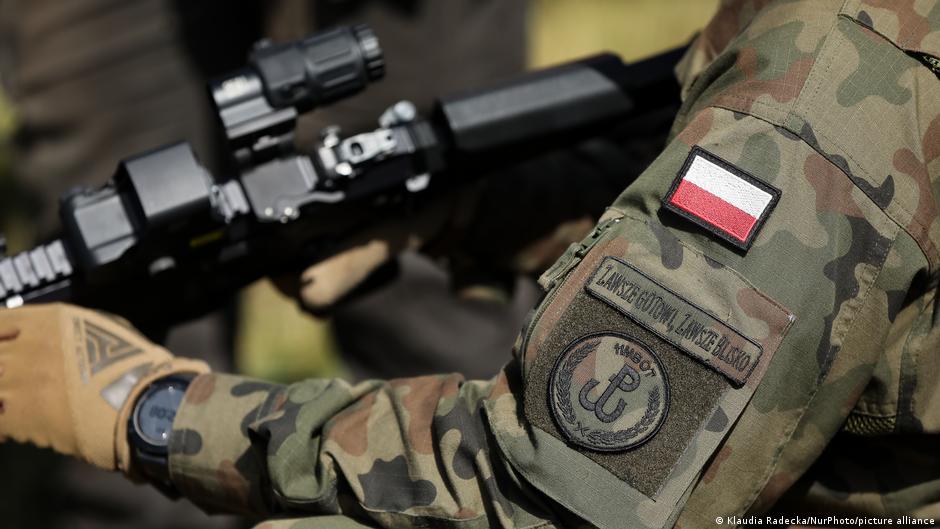
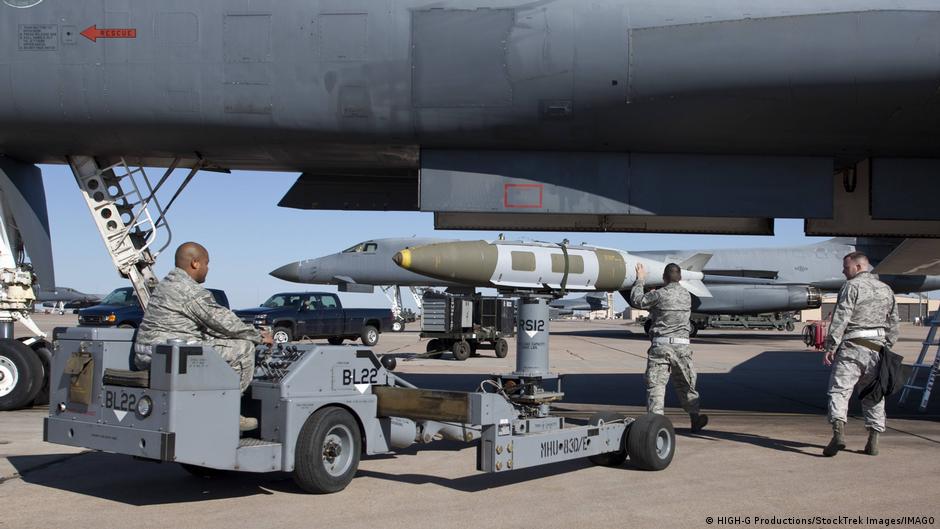
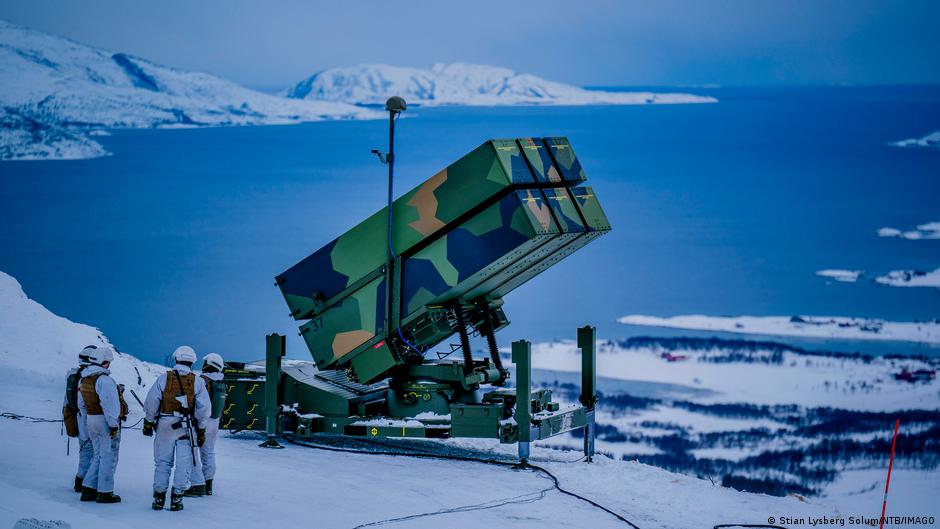
NATO considers deploying tactical nuclear weapons in Finland, Poland, and Lithuania, raising security and digital economy concerns amid Russian threats.

NATO considers deploying tactical nuclear weapons in Finland, Poland, and Lithuania, raising security and digital economy concerns amid Russian threats.

UK Prime Minister Andy Burnham commits to transferring Stone Cloak electronic warfare system IP to Ukraine, enabling mass production and enhancing digital defense capabilities amid ongoing conflict.

US military strikes on Iran escalate tensions, impacting maritime security, digital payments, and fintech sectors amid enforced maritime blockades and retaliatory attacks.

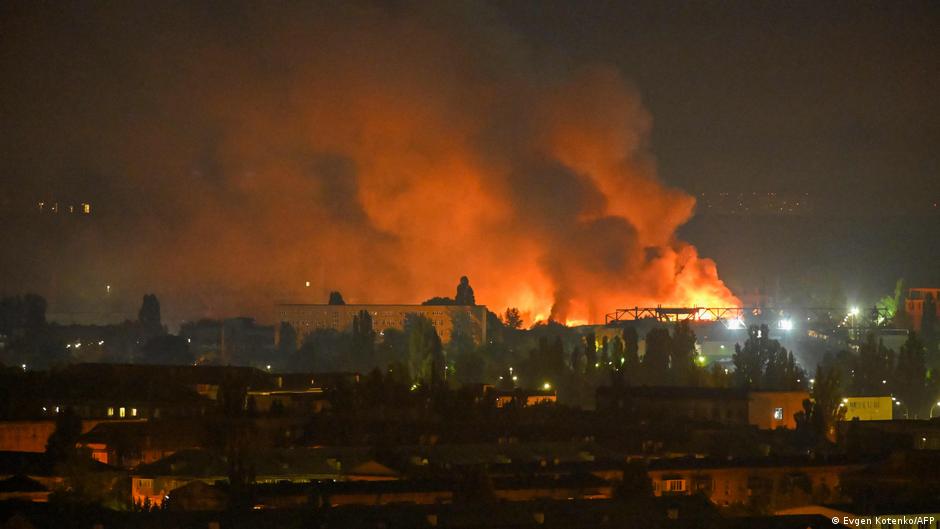
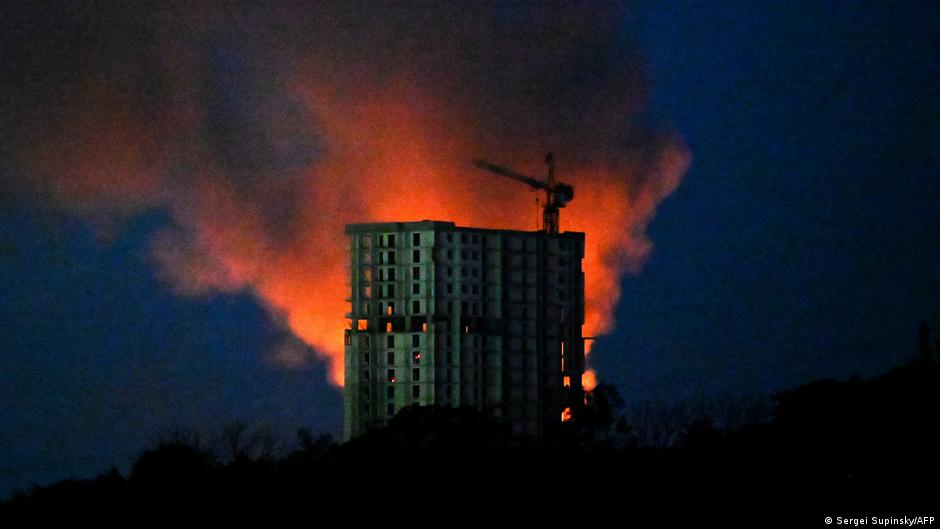
Russian forces struck Izium, Ukraine, using Shahed drones and precision bombs, causing civilian casualties and damaging infrastructure, highlighting risks to digital and economic stability.

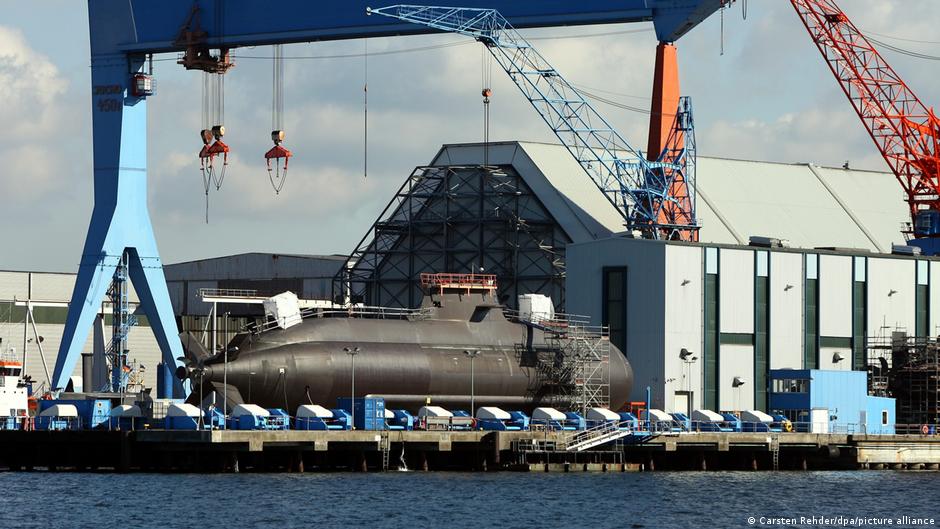
Canada's contract with Germany's TKMS for 12 advanced non-nuclear submarines signals strengthened transatlantic defense cooperation and major impacts on defense tech and digital security.

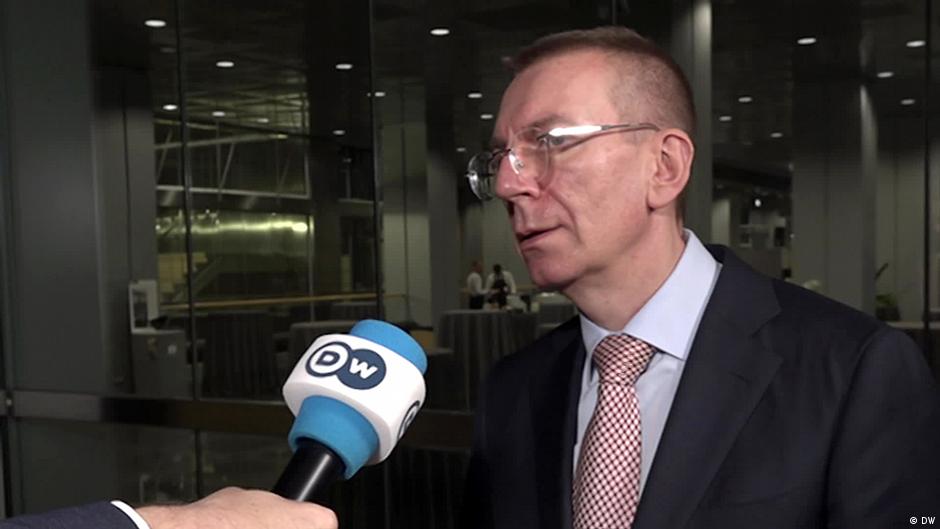
Latvian President Edgars Rinkēvičs urges NATO to prepare for possible escalation with Russia, highlighting the need for stronger military capabilities and US partnership.

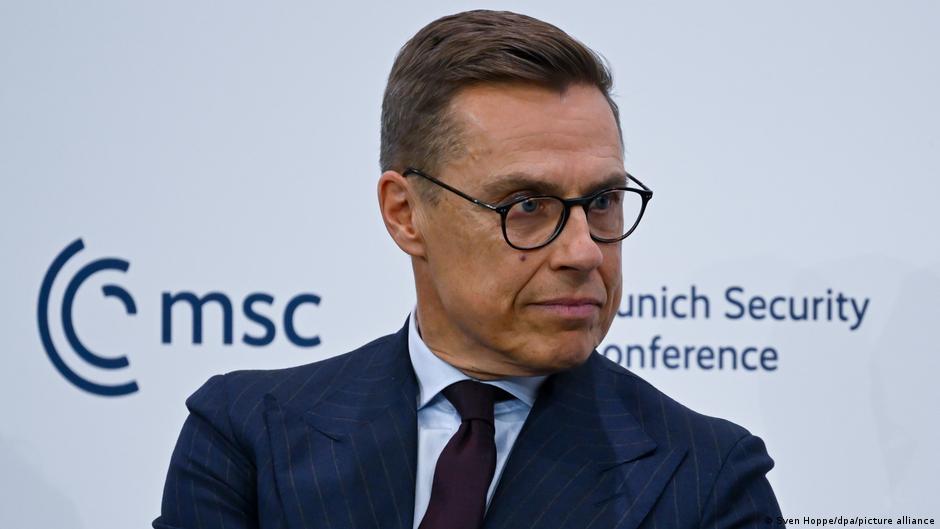
Finland has repealed its ban on importing nuclear weapons, a move that carries significant implications for national security and the fintech sector’s cybersecurity and digital payment systems.

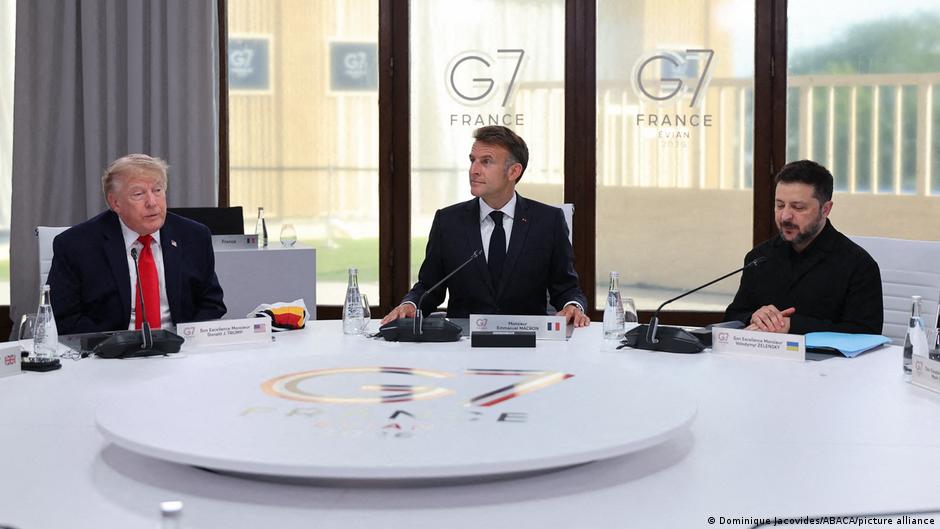
The G7 summit concluded with commitments to new sanctions on Russia's oil and gas sectors and expanded military aid to Ukraine, including advanced weaponry and energy support.

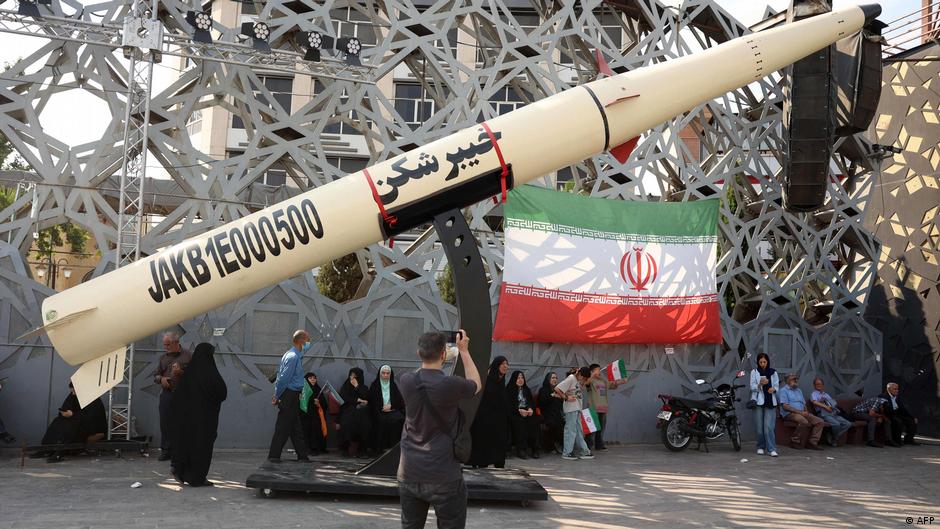
Iran has replenished its missile arsenal to three-quarters of pre-conflict levels, likely aided by Russian weapons transfers during a truce with the US, impacting regional security and energy markets.

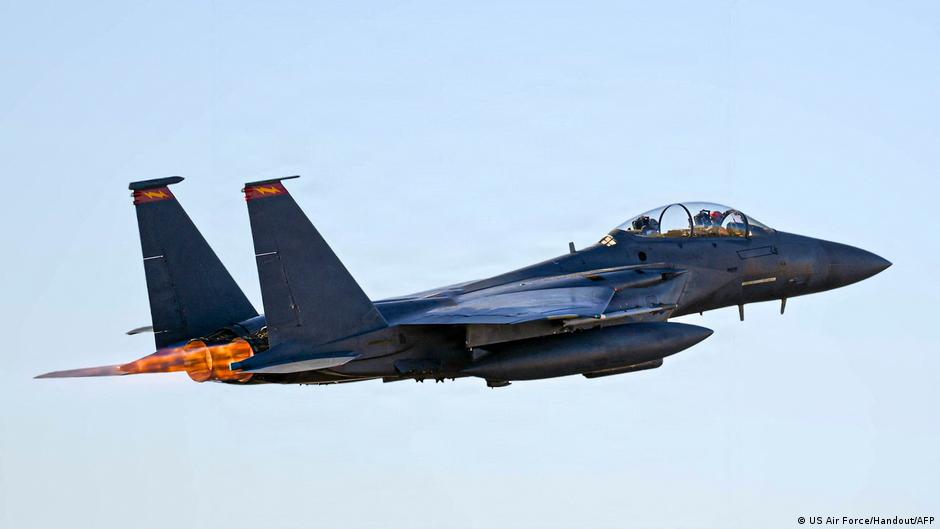
The US plans to cut fighter jets and naval vessels supplied to NATO by about a third, signaling a strategic pivot that impacts defense operations and associated technology sectors.

Germany pledges an additional €300 million to support the Czech initiative supplying 50,000 rounds of ammunition to Ukraine amid fewer NATO donors.

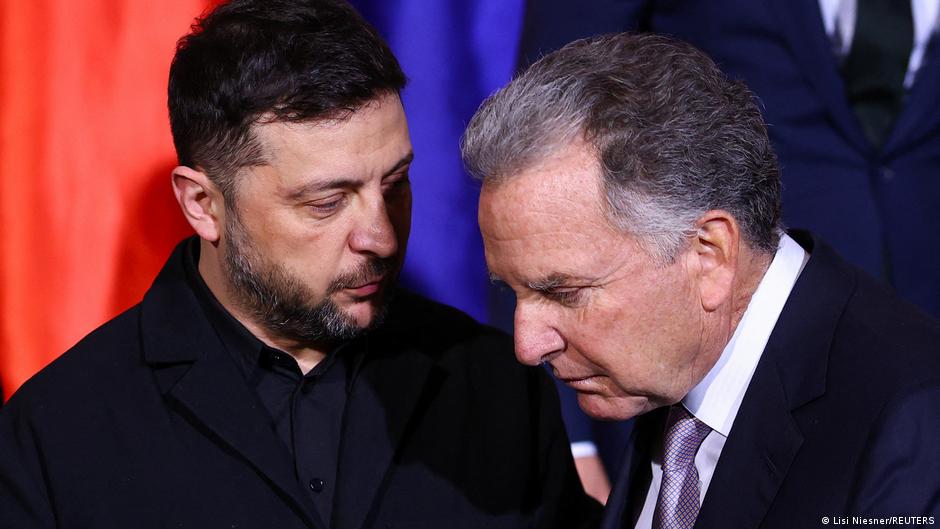
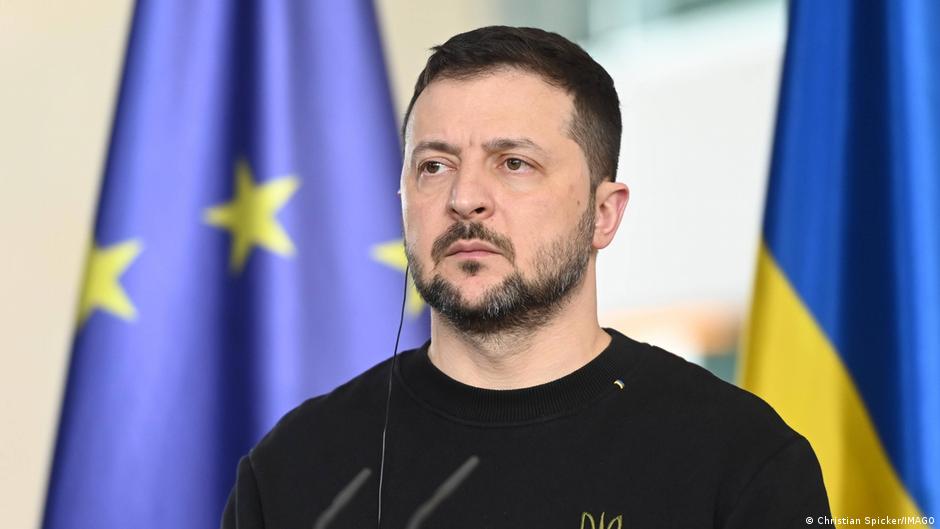
Ukrainian President Zelensky held a positive discussion with US envoys, signaling intensified diplomatic efforts to end the Russia-Ukraine war amid broader economic and security implications.

Russian drone attacks over Kyiv and eastern Ukraine raise alarm over impacts on fintech, digital banking, and cybersecurity amidst ongoing conflict.

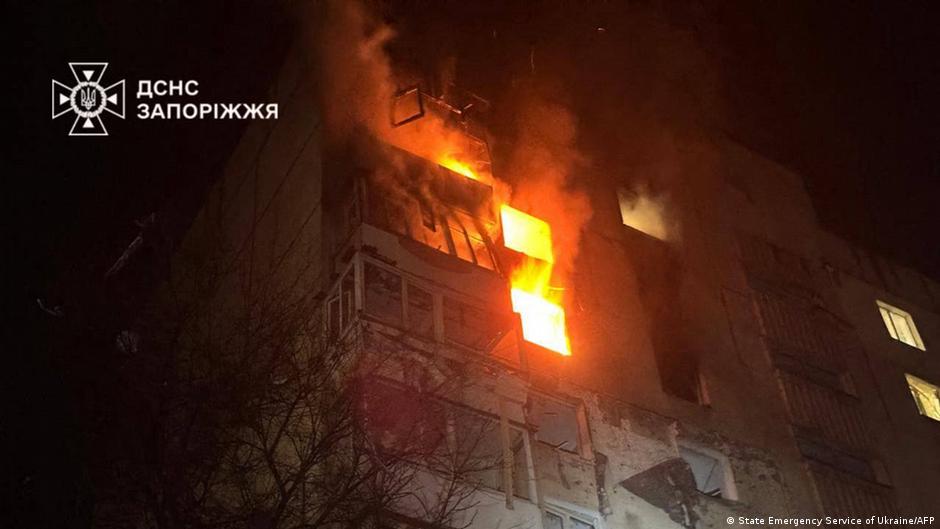
Russian drone strikes on Ukrainian cities Zaporizhzhia and Konotop cause civilian casualties and damage infrastructure, highlighting cybersecurity risks for digital economy and fintech sectors.

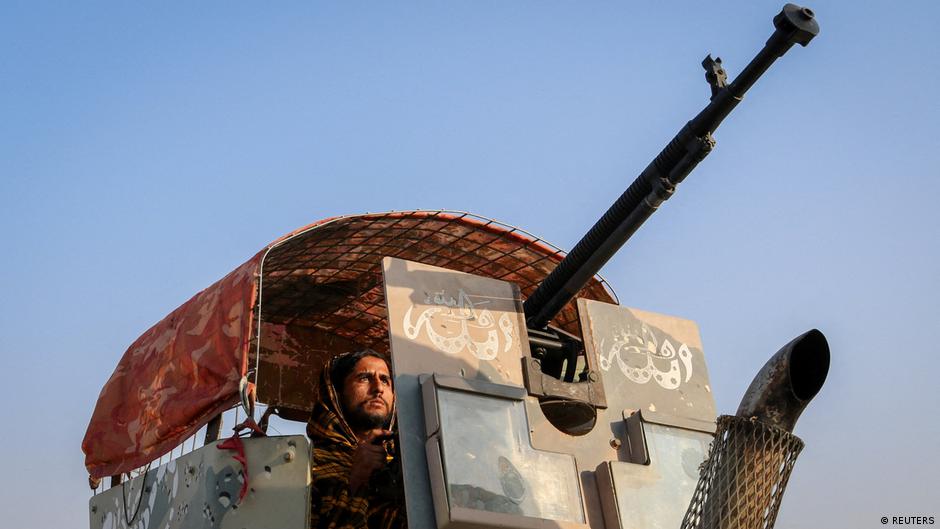
Russia and the Taliban have signed a military-technical cooperation agreement, potentially enabling arms and technology transfers and influencing regional security and digital infrastructure.

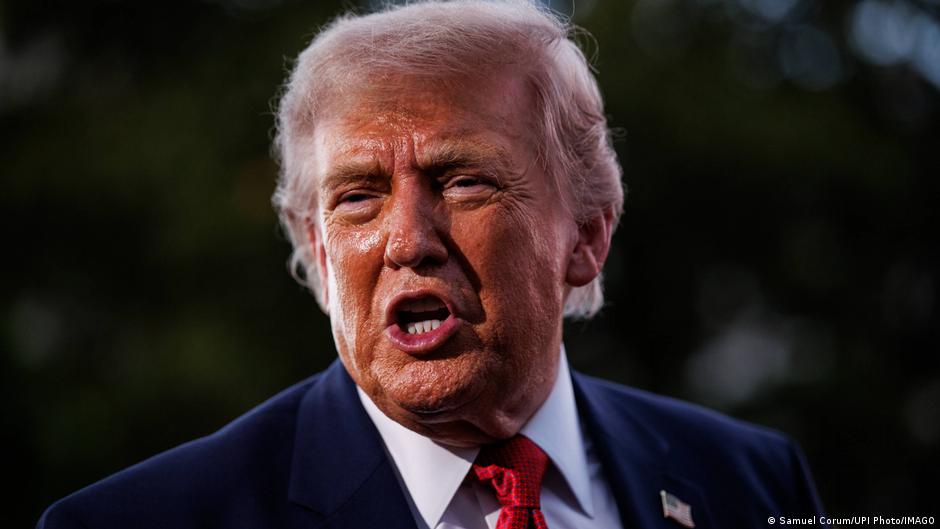
President Trump announces deployment of 5,000 additional US troops to Poland, reversing earlier plans and reflecting shifts in US military posture in Europe.

Ukraine and Germany accelerate cooperation on air defense and drone production, including AI-driven technologies, to bolster Kyiv’s protection amid ongoing missile attacks.

Poland has signed a €43.7 billion EU loan agreement under SAFE to modernize its defense forces and enhance cybersecurity, despite earlier presidential veto concerns.

The potential relocation of US troops from Germany to Poland may accelerate digital defense investments and impact cybersecurity and fintech sectors in Eastern Europe.

The US approved a $374M sale of JDAM-ER precision bomb kits to Ukraine, highlighting challenges from Russian electronic warfare targeting GPS guidance.

Germany accelerates its own long-range missile development after US declines Tomahawk deployment, aiming to counter Russian Iskander threats and strengthen European defense.

US warns European allies of significant delays in missile system ammunition shipments due to urgent replenishment amid conflict with Iran, impacting defense supply chains and allied readiness.

France and Poland are jointly developing a military satellite to provide secure communications for Poland's armed forces, reducing reliance on external systems like Starlink.

Russia's publication of German defense firms' addresses signals a hybrid warfare tactic aimed at intimidating companies supporting Ukraine, raising cybersecurity and operational risks.