Trump Claims China Accessed Data of 220 Million US Voters Ahead of 2020 Election
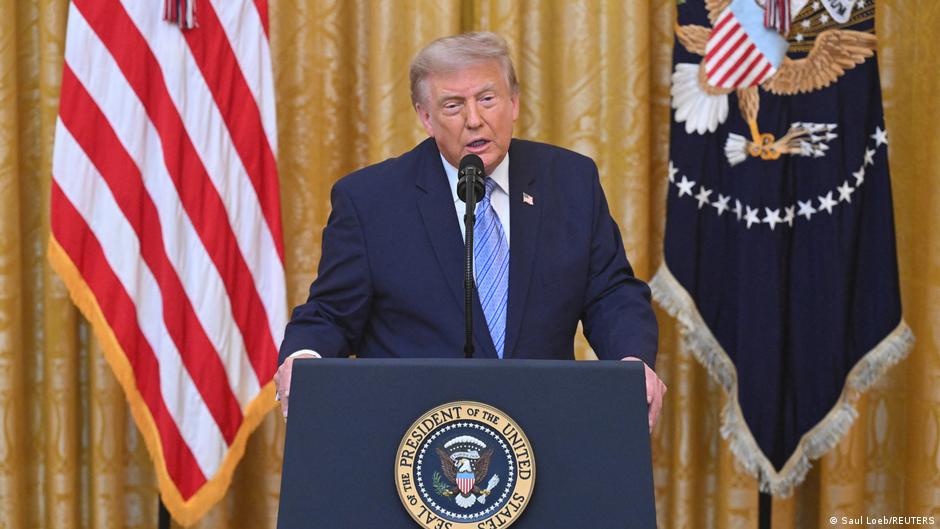
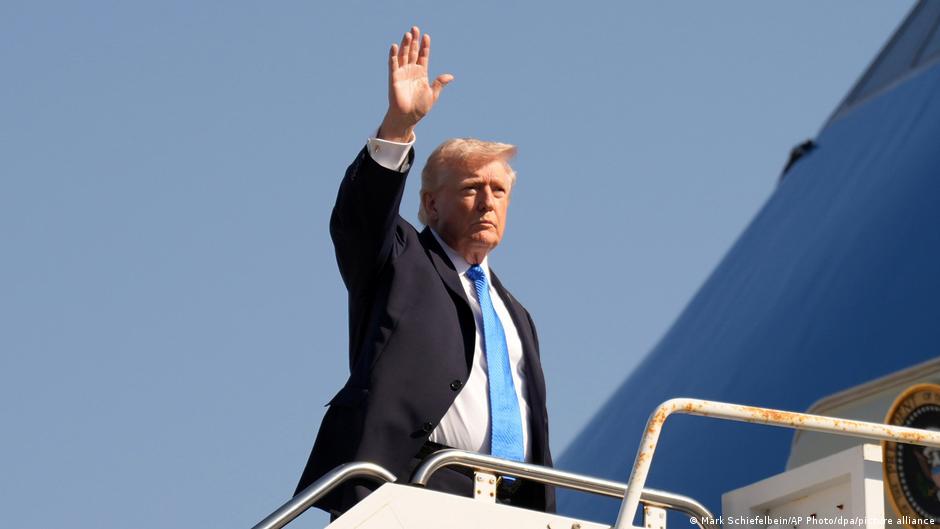
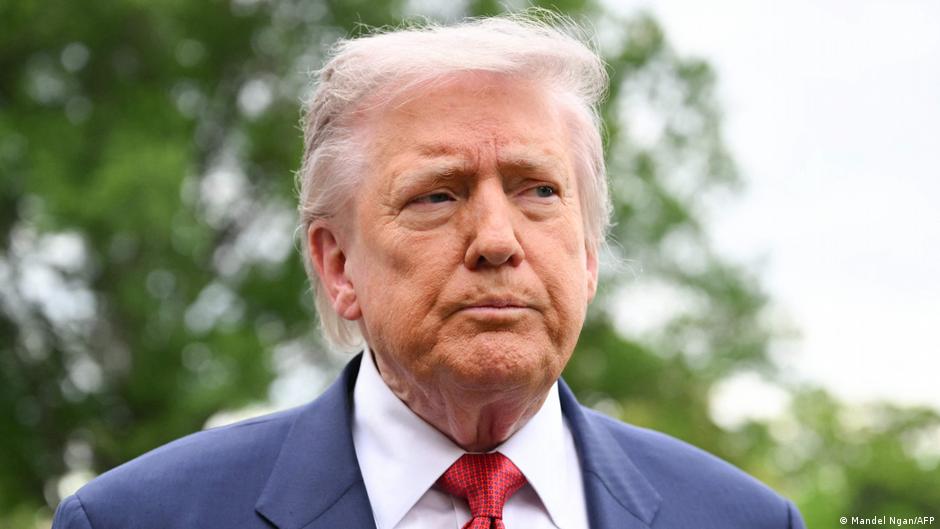
Former President Trump alleges China accessed data of 220 million US voters in a major cybersecurity breach impacting the 2020 election system.

Former President Trump alleges China accessed data of 220 million US voters in a major cybersecurity breach impacting the 2020 election system.

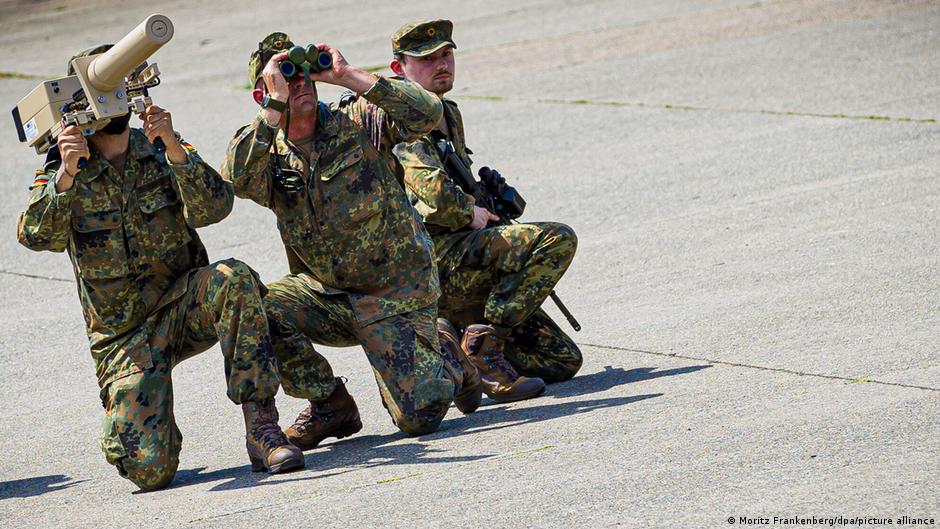
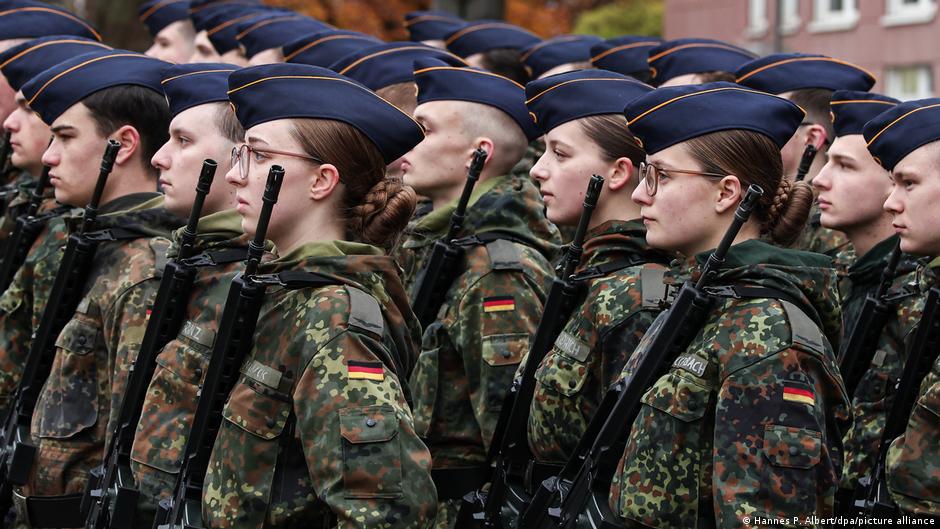
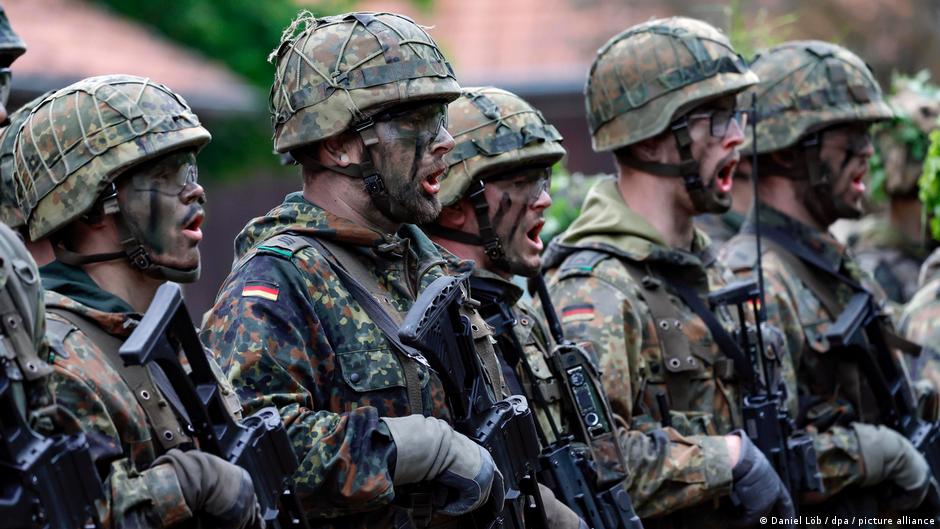
Germany reports a sharp rise in military service refusals amid security challenges and conscription reforms, impacting the digital economy and cybersecurity workforce.

Ann Widdecombe, former UK MP and Reform UK speaker, was murdered; police do not suspect political motives. The case raises concerns about political security and digital safety.

Germany's record €124.7 billion defense budget for 2026 will boost cybersecurity and digital infrastructure, influencing fintech and digital banking sectors amid NATO commitments.
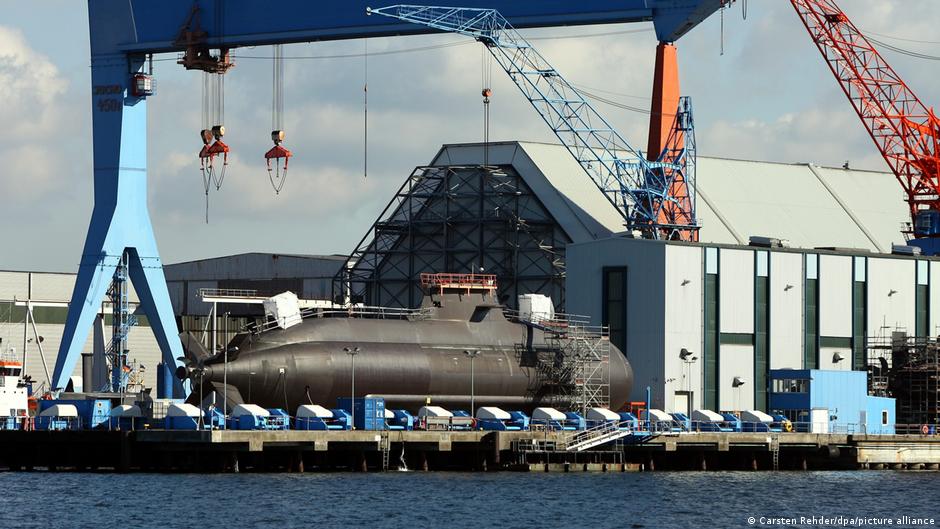
Canada's contract with Germany's TKMS for 12 advanced non-nuclear submarines signals strengthened transatlantic defense cooperation and major impacts on defense tech and digital security.

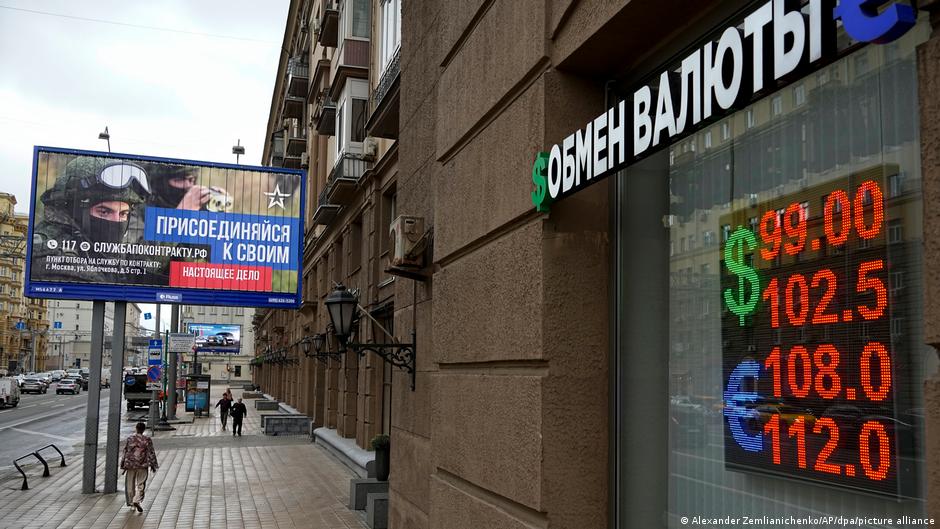
Russia proposes ending mandatory medical exams for contract soldiers, reflecting recruitment struggles amid ongoing conflict and raising questions about military digital monitoring.

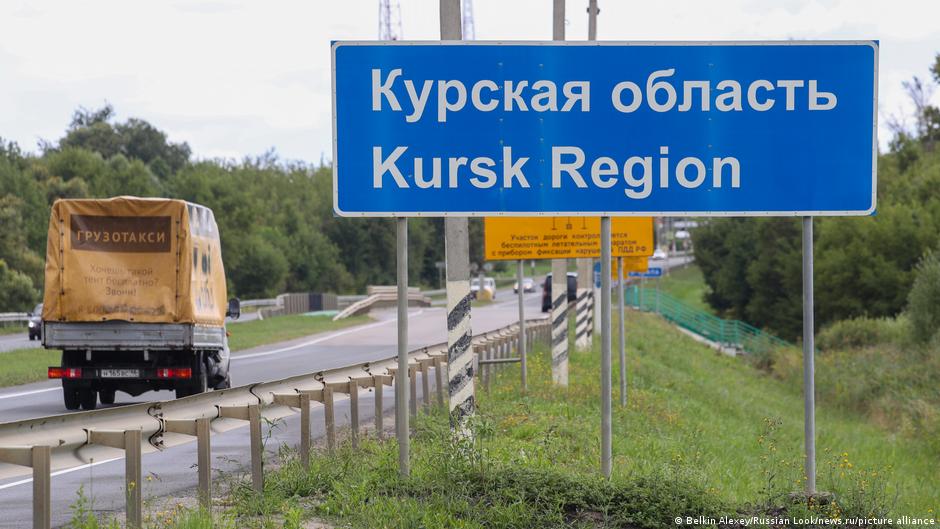
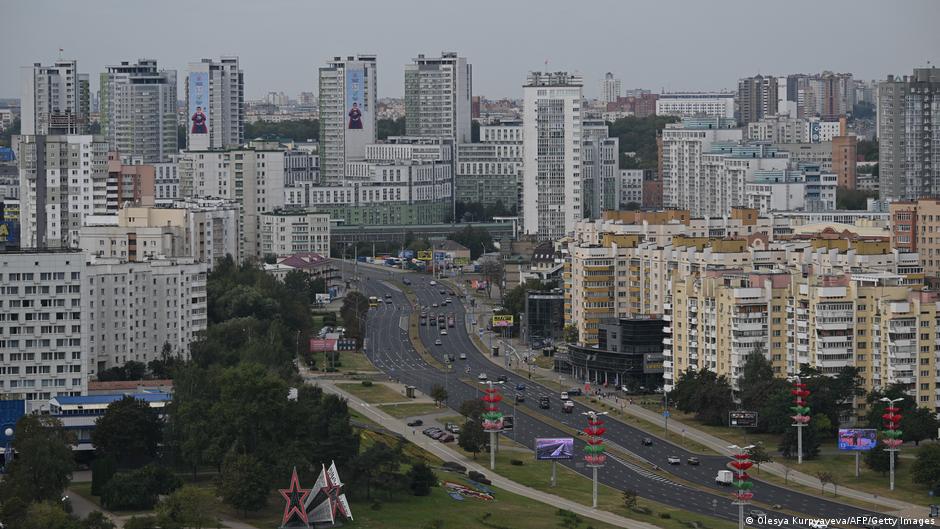
Belarus warns citizens against travel to Russia due to drone attacks near the border, raising safety concerns and impacting digital economy trends in fintech and cybersecurity.

Poland deported 11 individuals linked to Russia-funded protests aimed at influencing Ukrainian refugee communities, highlighting risks in digital payment systems used in geopolitical campaigns.

Drone attacks on Crimea disrupted key energy and transport infrastructure, exposing vulnerabilities with significant fintech and digital economy implications.

Bolivia and the US have signed a new anti-drug cooperation deal after 18 years, including $20M in tech and training funds to modernize Bolivia’s narcotics enforcement capabilities.

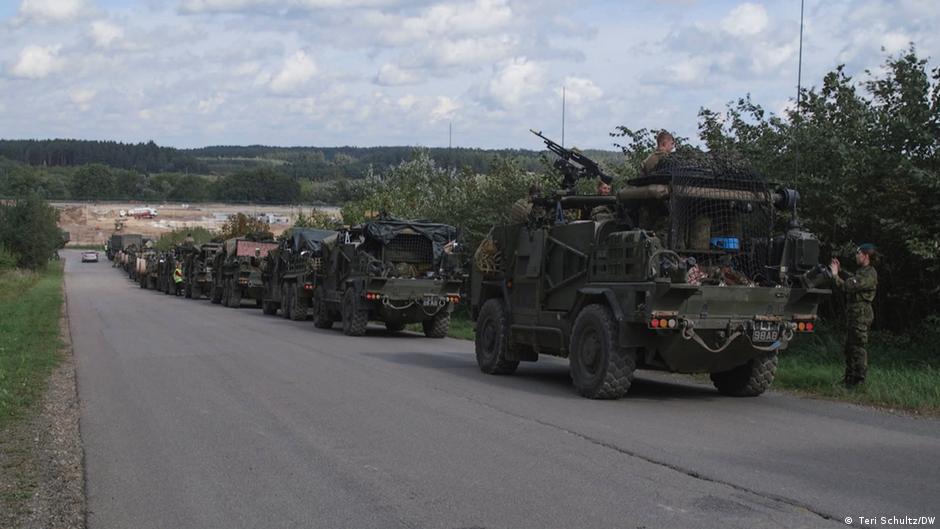
Lithuania, Poland, and France conduct joint military exercises near the Suwalki Corridor to strengthen defense and ensure NATO connectivity, highlighting security implications for fintech and digital infrastructure.

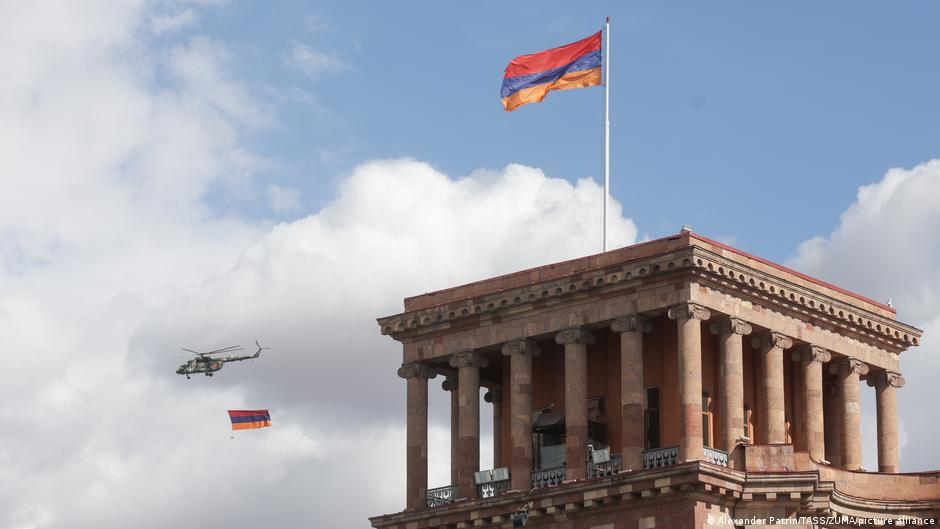
Armenia's Central Electoral Commission conducted a recount on 637 polling stations after opposition complaints, adjusting vote totals for major political blocs ahead of final results.

The US plans to cut fighter jets and naval vessels supplied to NATO by about a third, signaling a strategic pivot that impacts defense operations and associated technology sectors.

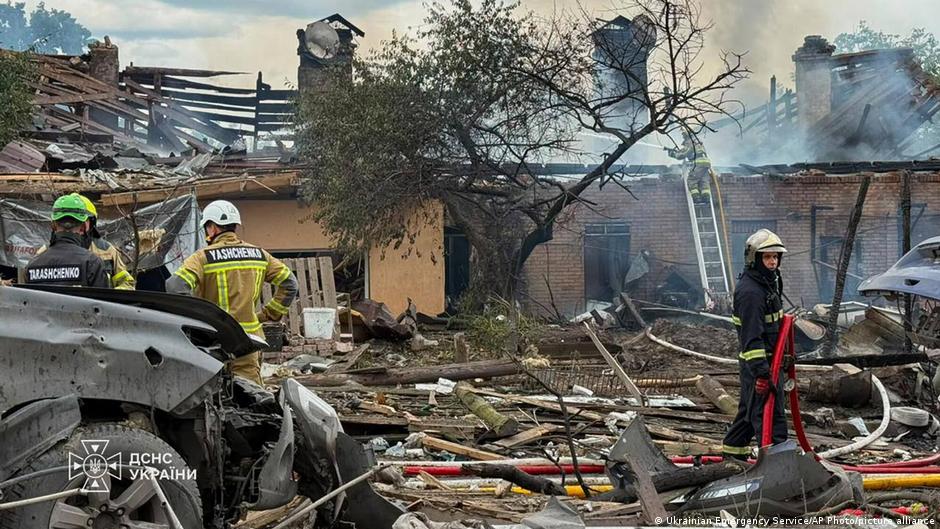
Russian drone strikes in Ukraine's Dnipropetrovsk region damage infrastructure and injure civilians, spotlighting cybersecurity challenges for fintech and digital economy sectors.

22 countries, including the US and Europe, condemn Iran's IRGC for orchestrating attacks on dissidents and Jewish communities, with major cybersecurity and fintech implications.

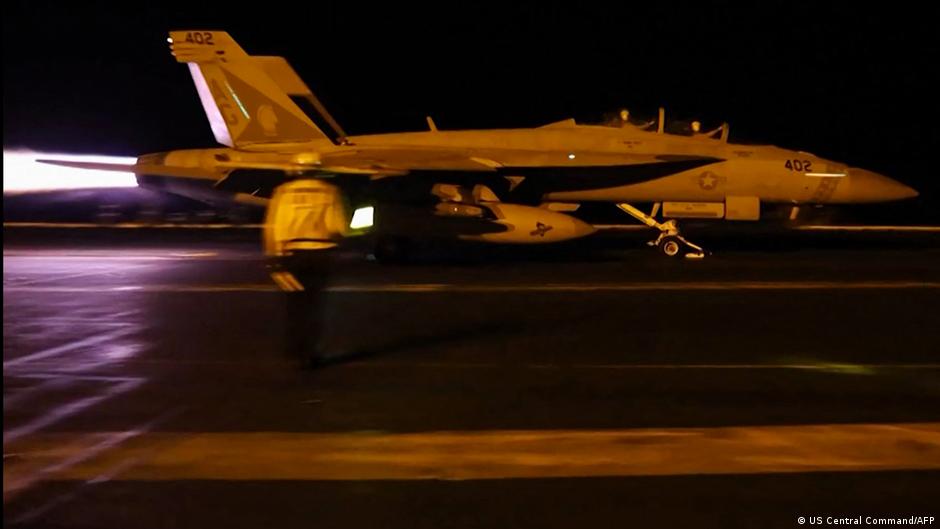
US Central Command intercepted four Iranian drones targeting the Strait of Hormuz, highlighting risks to maritime security and the technological dynamics shaping regional conflicts.

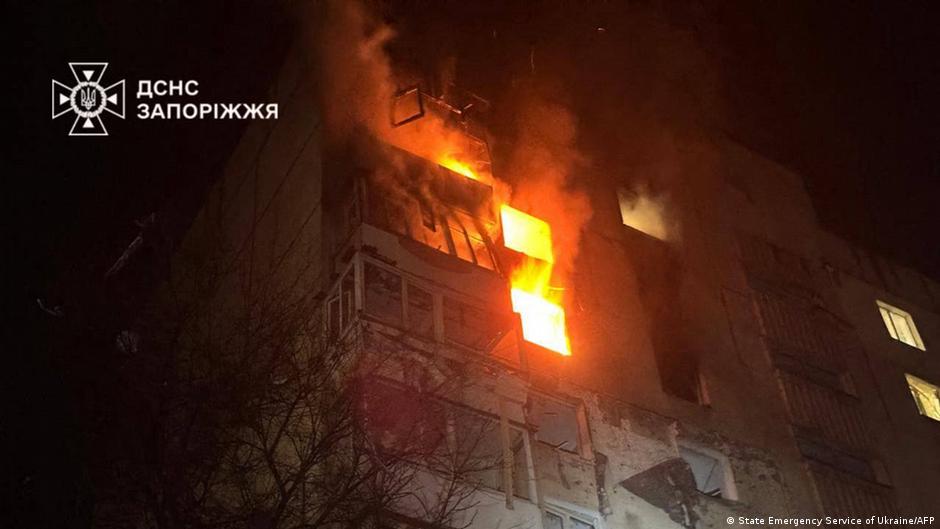
Russian drone strikes on Ukrainian cities Zaporizhzhia and Konotop cause civilian casualties and damage infrastructure, highlighting cybersecurity risks for digital economy and fintech sectors.

The U.S. House passed a resolution limiting President Trump's ability to continue war with Iran without Congress approval, signaling shifting political dynamics and implications for fintech and cybersecurity.

Rosneft advisor predicts decades-long conflict for Russia, emphasizing the need for economic and digital security upgrades amid rising biowarfare and cyber threats.

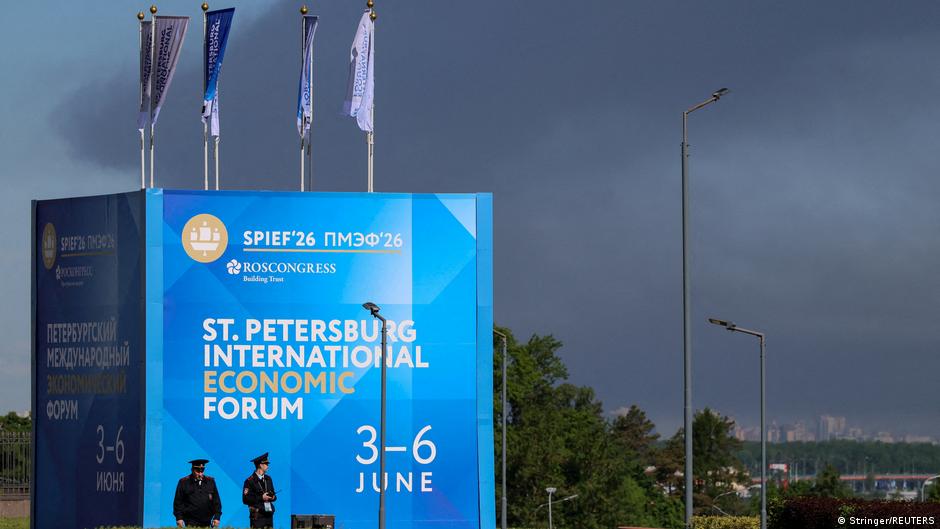
Ukrainian drone attacks on Russia's Leningrad region disrupted airspace hours before the St. Petersburg International Economic Forum, raising digital security concerns.

Russia and the Taliban have signed a military-technical cooperation agreement, potentially enabling arms and technology transfers and influencing regional security and digital infrastructure.

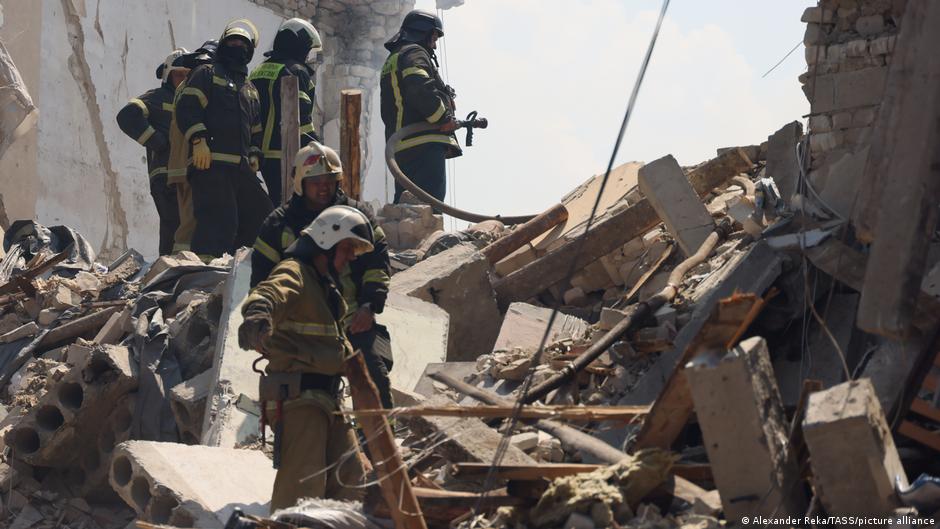
A drone strike in Starobelsk increased the death toll to 21, highlighting the security risks of digital warfare in conflict zones affecting critical infrastructure.

Florida’s Palm Beach International Airport will be renamed after President Trump, changing its IATA code to DJT, reflecting growing intersections between politics and digital infrastructure.

Ukraine’s expanded drone strikes deep into Russia shift conflict momentum, impacting regional cybersecurity, fintech security, and tech market dynamics.

Latvian Defense Minister resigns after drone incursions linked to Ukraine expose vulnerabilities in national airspace security and raise concerns for digital defense strategies.

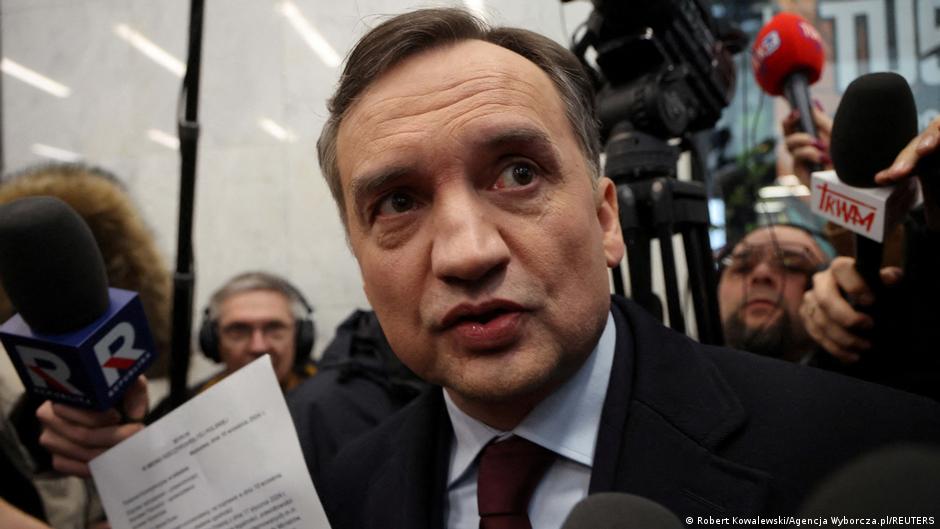
Following Hungary's political shift, former Polish Justice Minister Zbigniew Ziobro, wanted for corruption, has relocated to the US, raising fintech and cybersecurity concerns.

Russia and Ukraine use the May ceasefire for troop rotations amid ongoing hostilities, affecting military logistics and raising cybersecurity and digital communication concerns.

The potential relocation of US troops from Germany to Poland may accelerate digital defense investments and impact cybersecurity and fintech sectors in Eastern Europe.

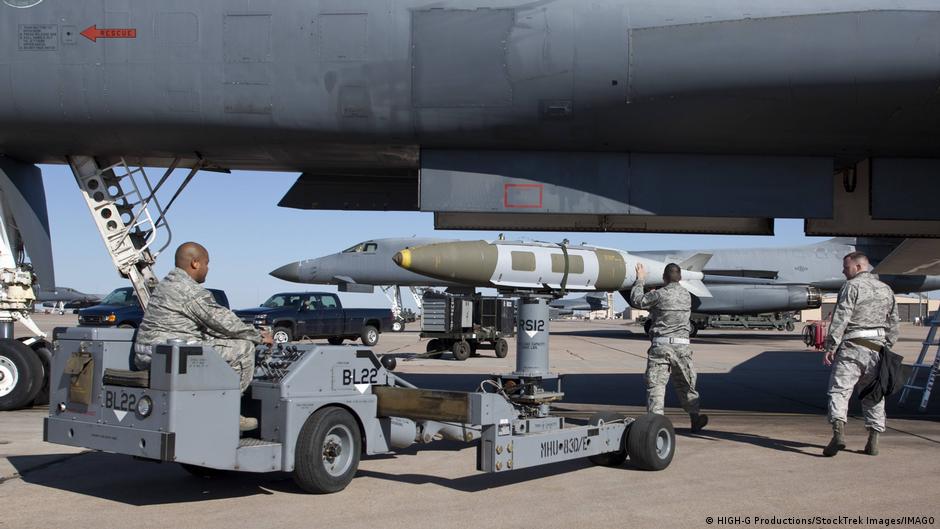
The US approved a $374M sale of JDAM-ER precision bomb kits to Ukraine, highlighting challenges from Russian electronic warfare targeting GPS guidance.

A drone crashed into a residential building in Moscow, exposing growing cybersecurity risks for urban fintech and digital infrastructure.

The US plans to withdraw 5,000 troops from Germany within a year, a move with potential implications for transatlantic cybersecurity and fintech collaboration.

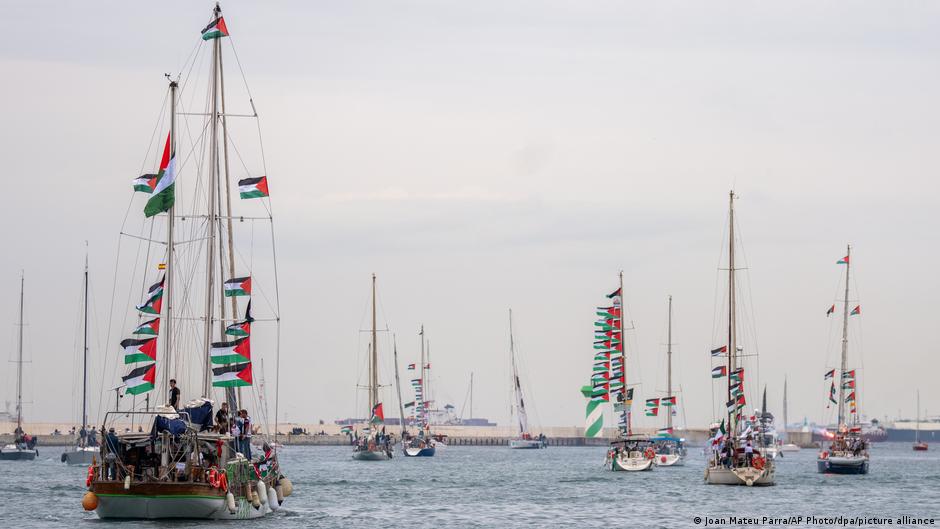
Israel detains humanitarian aid ships to Gaza, revealing digital communication disruptions and prompting fintech and cybersecurity concerns amid maritime blockades.

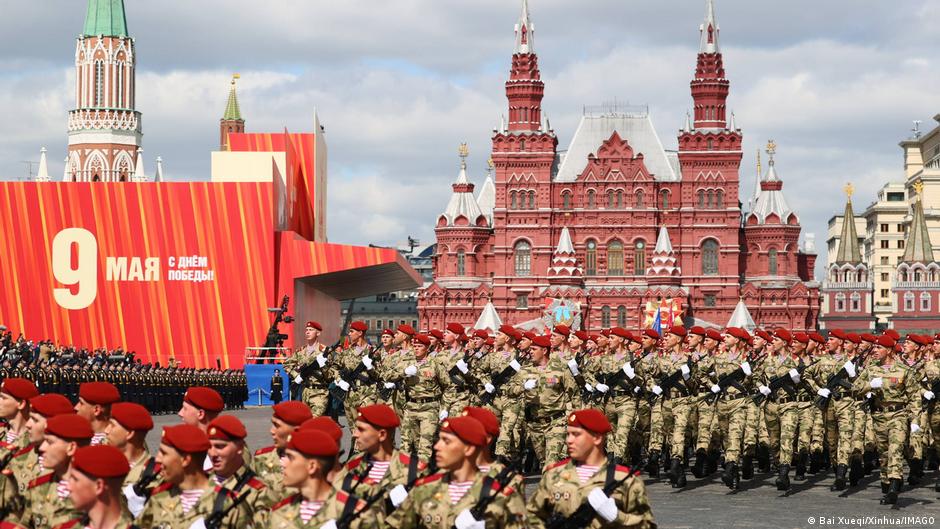
Moscow's May 9 Victory Day parade will exclude military vehicles for the first time in years due to security concerns, reflecting operational shifts amid ongoing regional tensions.

Recent drone attacks on Odessa caused significant civilian and infrastructure damage, highlighting the growing cybersecurity and physical security challenges facing critical urban infrastructure in conflict zones.

Germany links recent phishing attacks on Signal messenger users, including politicians and journalists, to Russian operatives, highlighting cybersecurity challenges in government communications.

A fabricated BBC report falsely claims a stolen Cézanne painting was found in Zelensky’s office, revealing a Russian-linked disinformation campaign targeting Ukraine and Western trust.

NATO intercepted Russian bombers and fighters over the Baltic Sea, highlighting regional security risks with potential impacts on digital banking, fintech, and cybersecurity.

France and Poland are jointly developing a military satellite to provide secure communications for Poland's armed forces, reducing reliance on external systems like Starlink.

Lithuania and Latvia have blocked Slovak PM Robert Fico’s flight to Moscow on May 9, reflecting geopolitical tensions impacting European airspace and regional fintech sectors.

Germany's Koblenz military museum restricts access for Uzbek citizens and others amid enhanced security laws, highlighting the intersection of security and digital access.