US Signals No Sanctions Relief for Russia Before War Ends, Pressuring Finance
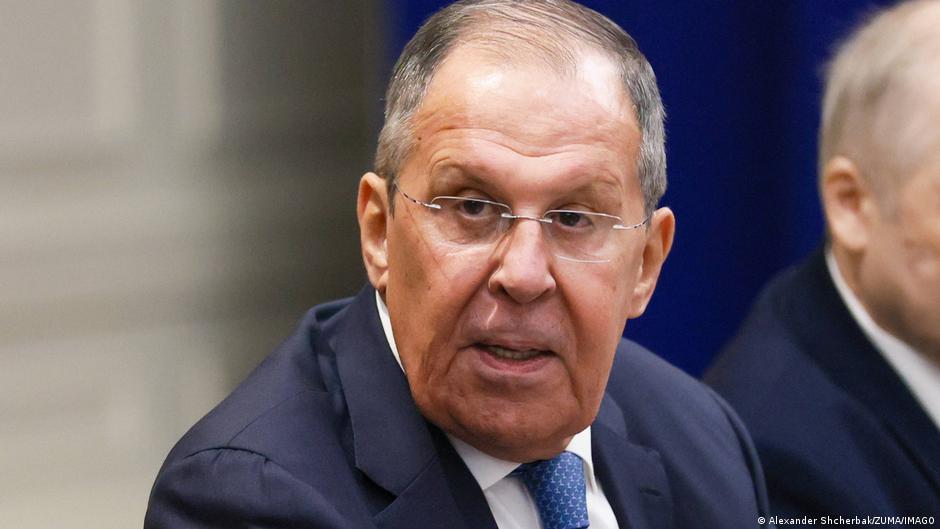
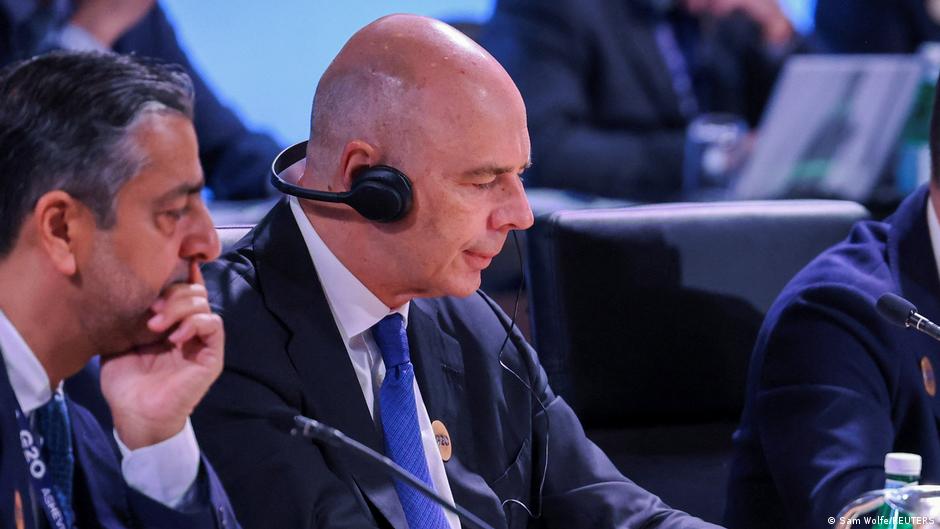
Reuters reports the U.S. told Russia at the G20 not to expect sanctions relief before the war in Ukraine ends, extending pressure across finance and payments.

Reuters reports the U.S. told Russia at the G20 not to expect sanctions relief before the war in Ukraine ends, extending pressure across finance and payments.

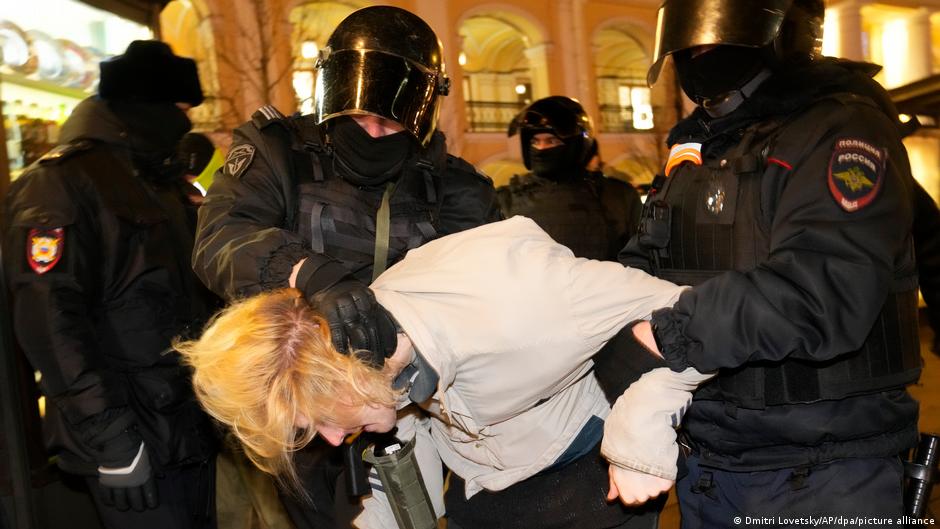
Nearly 100 people were detained at an informal music festival near Vyborg over pro-Ukraine songs and calls for regime change, as Russian authorities intensified digital surveillance efforts.

Russia updates regulations to allow people without limbs to drive buses and trucks, leveraging automation to enhance inclusivity for veterans and others with disabilities.

Hundreds of Ukrainian soldiers undergoing training in Germany have deserted since 2022, complicating military preparedness and legal frameworks amid ongoing conflict.

A powerful 7.4 magnitude earthquake in Colombia has caused over 130 deaths and widespread infrastructure damage, posing significant challenges to the country's digital economy and fintech sector.

A fire at Wildberries’ Voronezh logistics hub due to drone attacks has disrupted supply chains and caused significant losses, underscoring risks to Russia's digital commerce infrastructure.

Ukrainian and Serbian presidents met in Belgrade to discuss economic ties, energy cooperation, and security, signaling potential fintech and digital economy collaboration.

Russia has declared the US-based Human Rights Foundation undesirable, citing its digital projects like the Tyranny Tracker and critical content against Russian authorities.

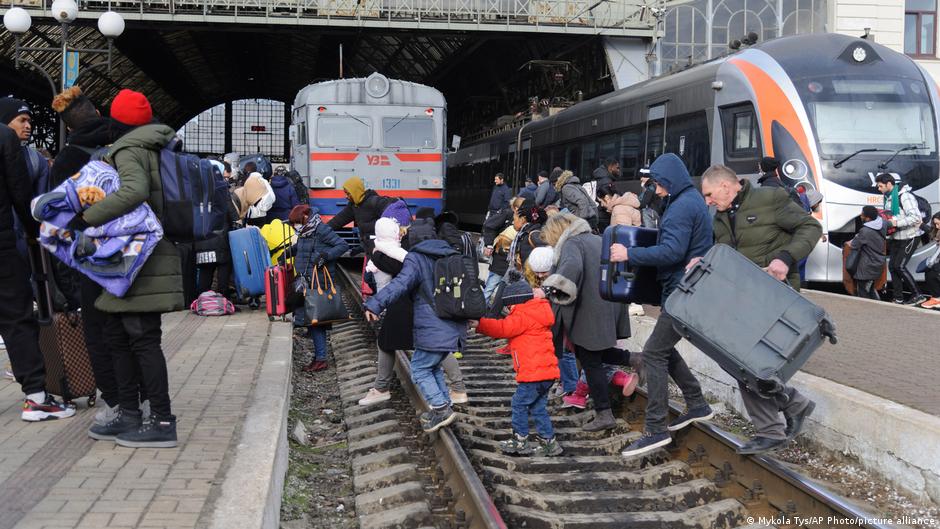
Over 8.4 million Ukrainians live abroad amid conflict, driving demand for fintech services, digital payments, and secure cross-border financial solutions.

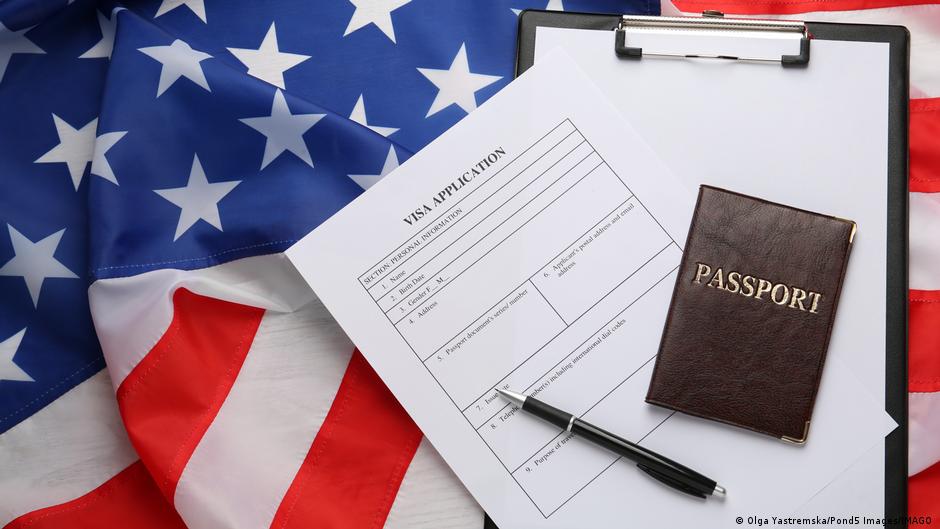
The US will require visa bonds up to $20,000 from citizens of 50 countries to reduce visa misuse, impacting international payments and fintech solutions for cross-border travel.

Uzbekistan offers subsidies covering up to 50% of costs for modern swimming pool projects, promoting tourism, sports infrastructure, and fintech integration in payments and digital services.

Greece's spike in Schengen visa denials for Russians challenges travel and fintech sectors amid stricter EU security policies impacting payments and digital banking.

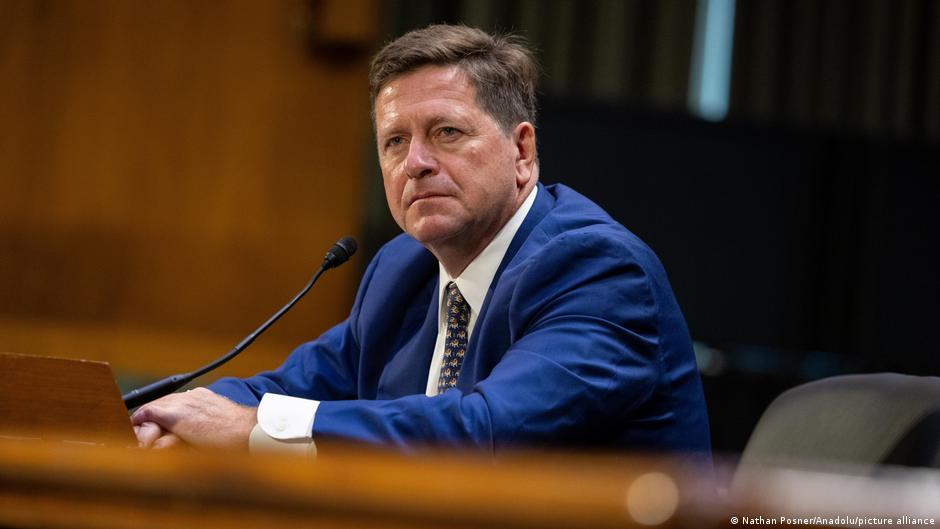
Jay Clayton is confirmed as US Director of National Intelligence, bringing legal and regulatory expertise but no prior intelligence experience to the role amid bipartisan concerns.
Montenegro will end visa-free entry for Russian and Belarusian citizens after October 2026, impacting fintech, digital payments, and cross-border economic ties amid EU integration efforts.

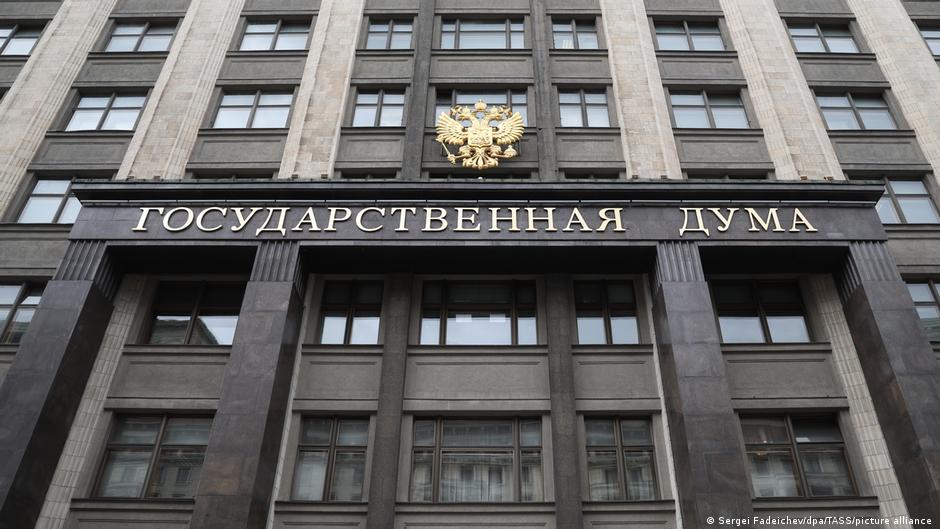
Russia's State Duma amends fuel dampener laws to stabilize prices, expand supply, and introduce new compensation schemes, affecting energy markets and fintech-related trading mechanisms.

Hungary’s veto on key EU negotiation clusters delays Ukraine’s integration into digital economy frameworks, affecting fintech, payments, and cybersecurity progress.

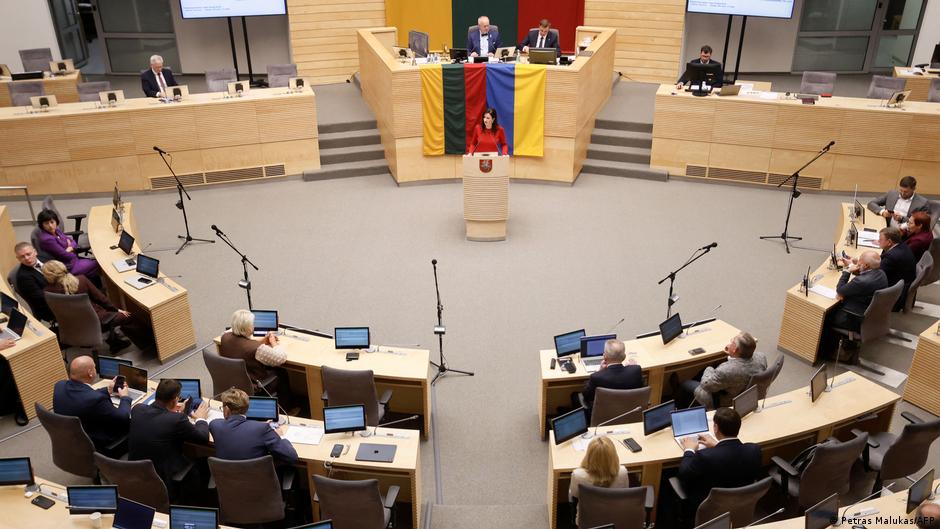
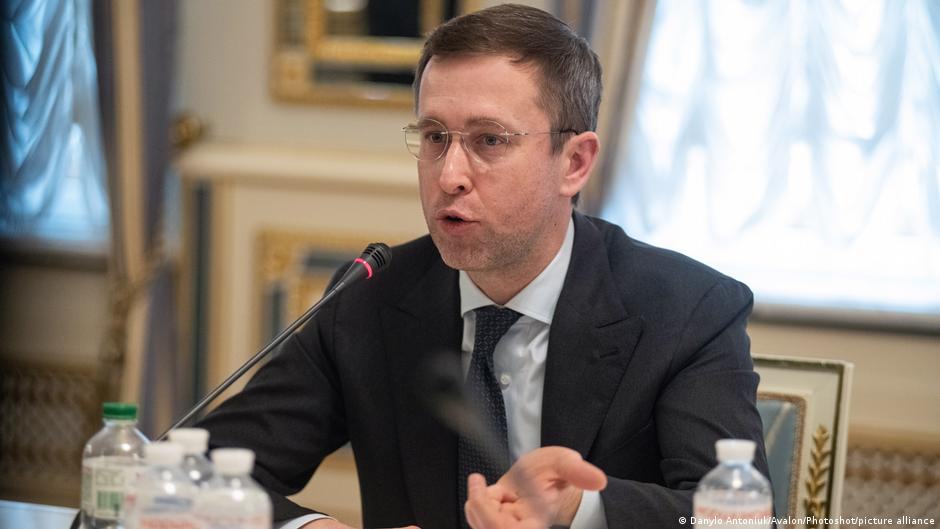
Ukraine's parliament is set to approve Sergey Koretsky as the new Prime Minister, marking a significant government reshuffle with implications for the digital economy and energy sectors.

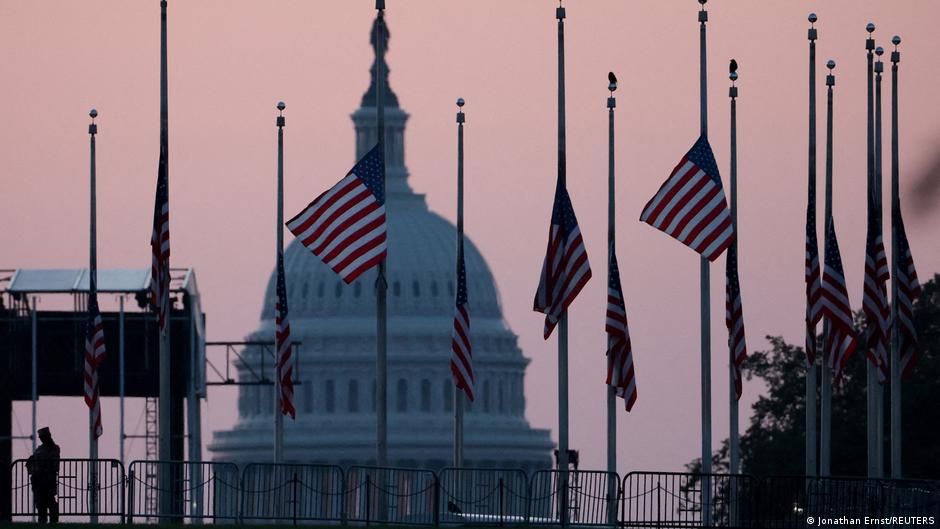
Darlin Graham Norton was appointed to fill her late brother Lindsey Graham’s Senate seat, securing a fragile Republican majority and influencing fintech and digital economy policies.

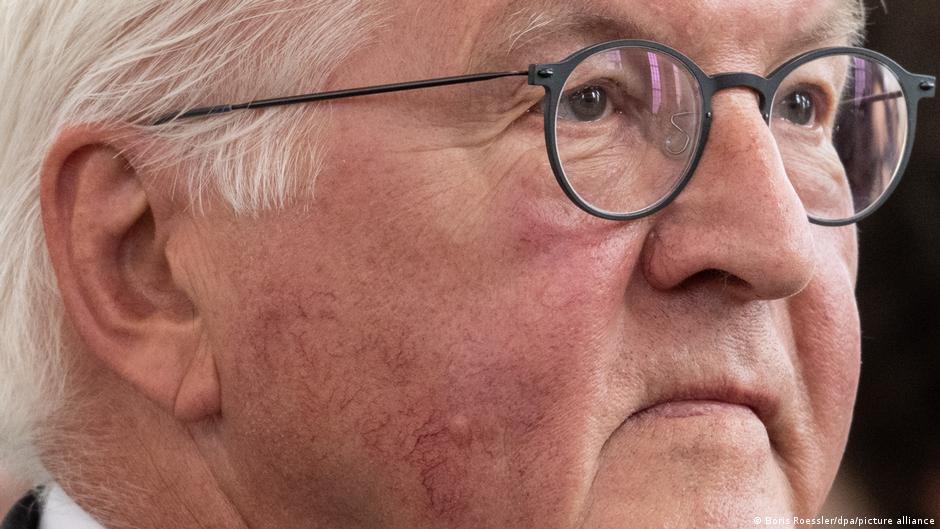
German President Steinmeier urges Europe to uphold international order amidst geopolitical challenges, emphasizing the impact on digital economy, fintech, and cybersecurity.

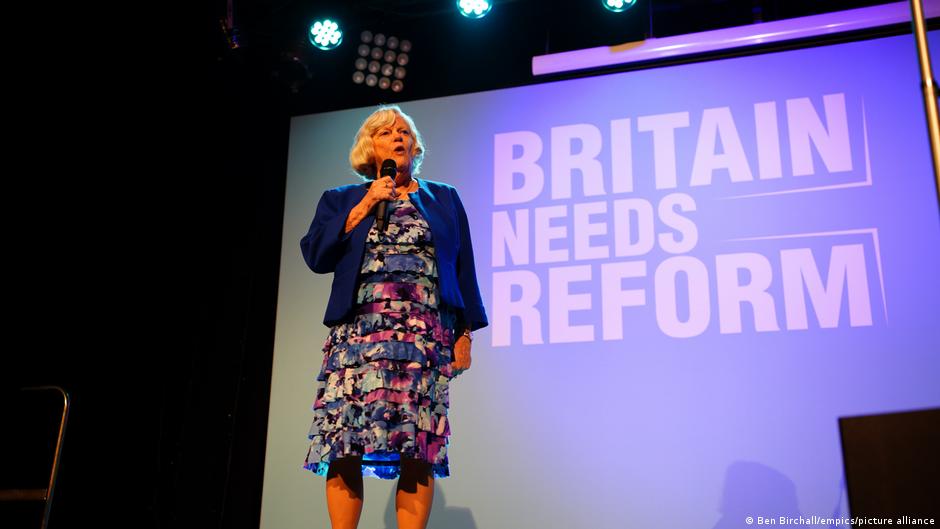
Ann Widdecombe, former UK MP and Reform UK speaker, was murdered; police do not suspect political motives. The case raises concerns about political security and digital safety.

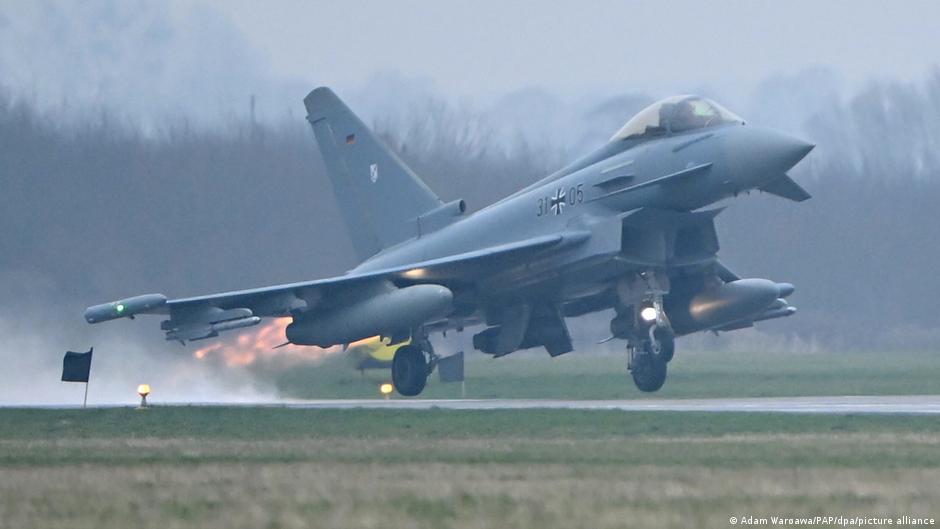
Germany's 2027 budget boosts defense spending and borrowing amid security concerns, raising fintech sector worries about future funding for digital innovation and economic growth.

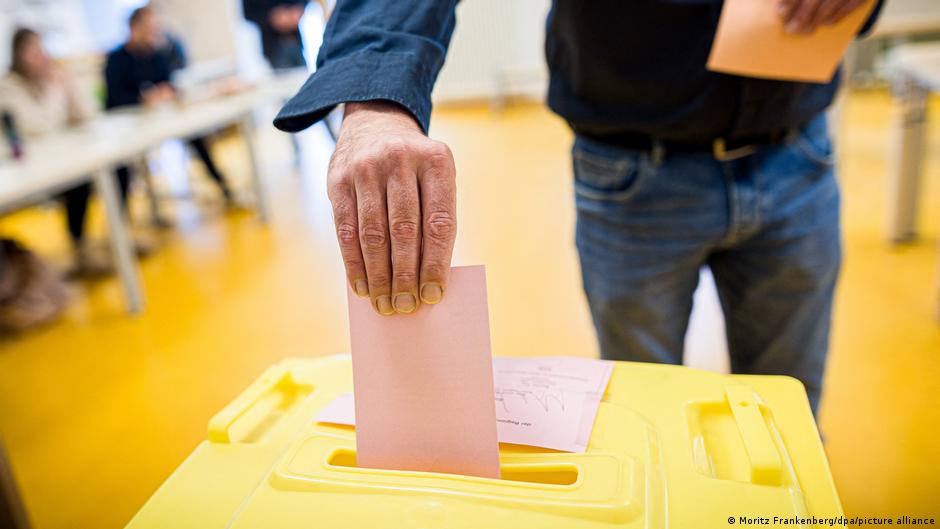
A poll finds 45% of Germans oppose banning the far-right AfD, which leads the CDU/CSU by 8%, signaling political shifts that could impact fintech and digital economy sectors.

Russia authorizes use of higher-sulfur Euro-3 fuels domestically until 2026 to address supply disruptions caused by attacks on refineries, excluding exports to EAEU states.

France enforces stricter visa rules for Russians, requiring personal submissions and biometrics, impacting fintech services linked to cross-border payments and digital identity.

Poland deported 11 individuals linked to Russia-funded protests aimed at influencing Ukrainian refugee communities, highlighting risks in digital payment systems used in geopolitical campaigns.

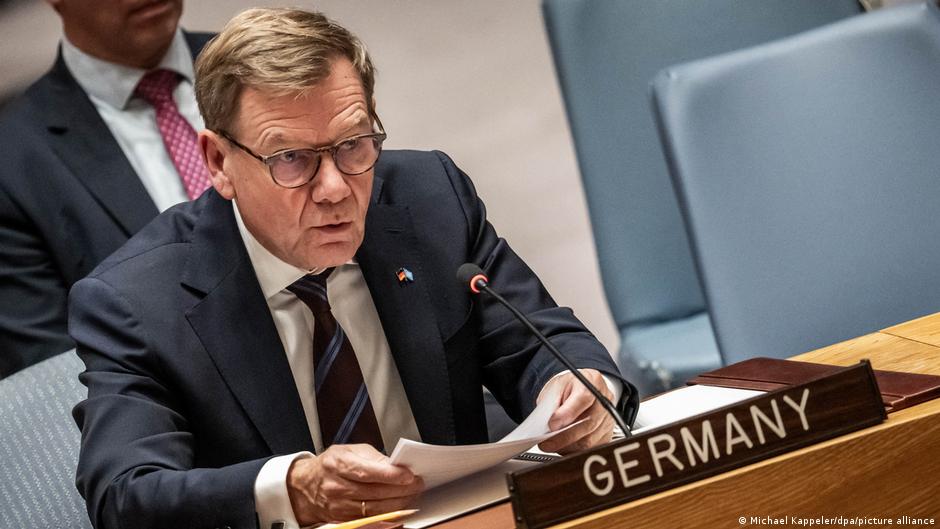
German and US foreign ministers reaffirm the critical partnership to address global economic instability and strengthen cooperation ahead of key NATO and Mercosur summits.

The Council of Europe’s Parliamentary Assembly criticized Georgia for democratic backsliding and urged reforms amid political tensions affecting governance and the digital economy.

Russia imposes fuel purchase limits in 53 regions due to refinery attacks, disrupting oil production and challenging digital payment systems linked to fuel sales.

Far-right businessman Abelardo de la Espriella wins Colombia's presidency, promising economic deregulation and enhanced security cooperation with the U.S.

Eduardo Bolsonaro was sentenced to over four years for lobbying US sanctions against Brazil, highlighting political risks that could affect Brazil's fintech and digital economy sectors.

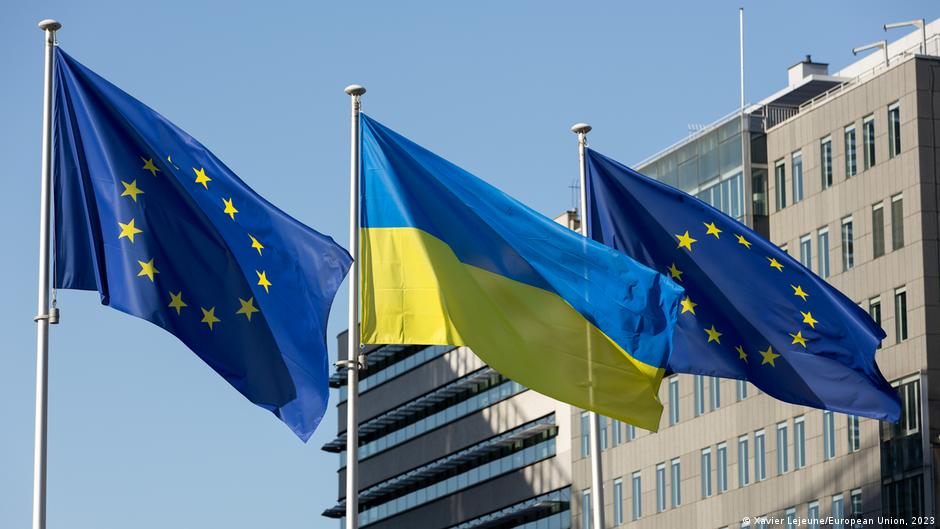
The EU has started formal accession talks with Ukraine and Moldova, initiating evaluations that will impact digital economy sectors like fintech, payments, and cybersecurity.

A US judge has ruled the Trump-era $100,000 H-1B visa fee unlawful, easing access to tech talent critical for the fintech and digital economy sectors.

Kosovo’s Vetëvendosje party wins snap elections with 43%, but must form a coalition amid political instability affecting digital economy reforms and fintech development.

Armenia’s recent parliamentary elections reinforce Prime Minister Pashinyan’s EU-oriented agenda, with major implications for the country’s fintech, digital banking, and cybersecurity sectors.

The EU plans to restrict US cloud service providers like Microsoft and Google from government contracts to enhance digital sovereignty and address data security concerns.

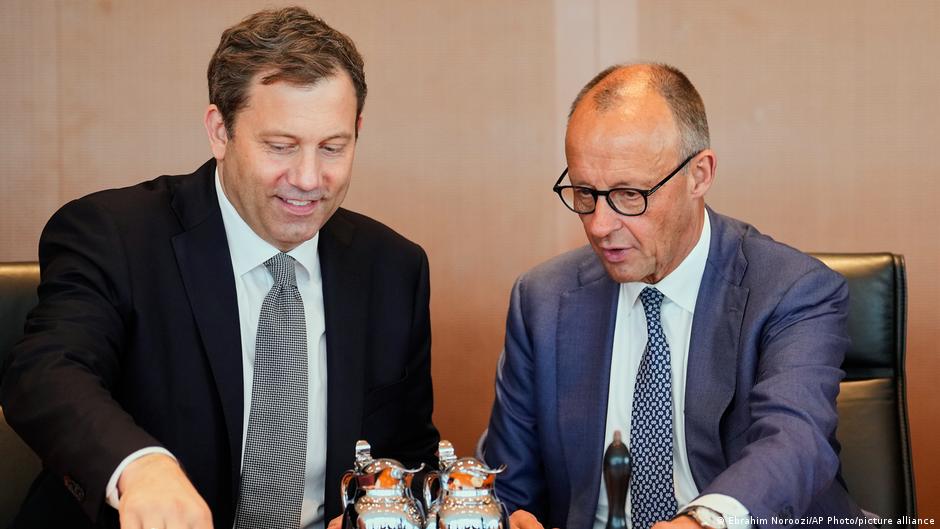
Sources close to Chancellor Friedrich Merz deny rumors of his early replacement, stressing constitutional complexities amid political challenges affecting Germany's digital economy.

EU's top diplomat Kaja Kallas warns Russia, China, and the US employ divide-and-rule tactics to weaken EU unity, posing risks to fintech, digital banking, and cybersecurity integration.

Russia eases citizenship for Transnistrian residents, removing language and history exam requirements, potentially impacting digital banking and fintech integration.

Donald Trump reported pessimism after raising Jimmy Lai’s case with Xi Jinping, as China maintains its hardline stance on the Hong Kong media mogul’s 20-year prison sentence.

Germany considers President Steinmeier alongside ex-Chancellor Schröder to represent the EU in peace talks with Russia, a move with potential fintech and digital economy ramifications amid the Ukraine conflict.

Following Hungary's political shift, former Polish Justice Minister Zbigniew Ziobro, wanted for corruption, has relocated to the US, raising fintech and cybersecurity concerns.

Iran mandates detailed digital vessel data submissions for passage through the Strait of Hormuz, impacting maritime security and financial compliance in the region.

Jean-Luc Mélenchon confirms his candidacy for France's 2027 presidential election, highlighting potential impacts on fintech regulation and digital economy policies.

Hungary's new leadership seeks to unlock €35 billion in EU funds frozen due to previous governance issues, with significant implications for its fintech and digital economy sectors.

Uzbekistan banks must now maintain a minimum card balance of 1.236 million UZS during automatic debt repayments, limiting full fund withdrawals to protect customers.

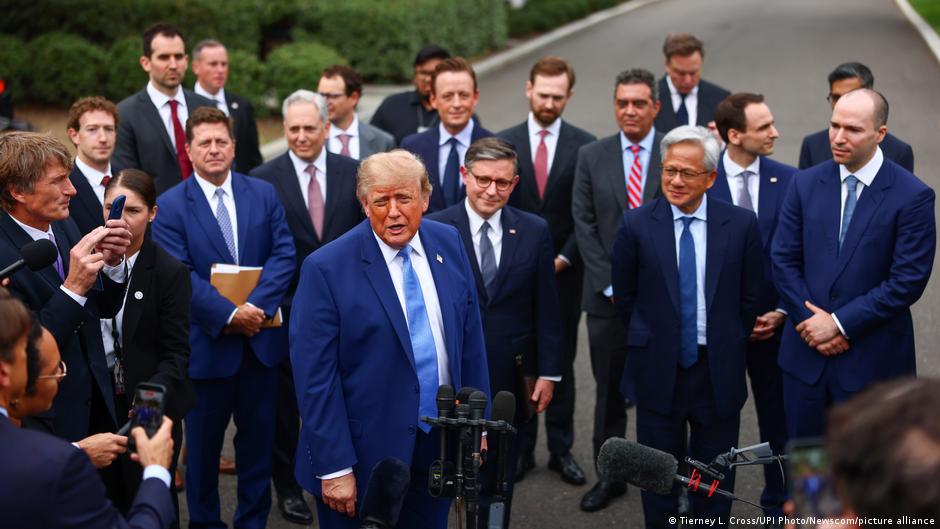
US President Trump sees Putin's possible attendance at the 2026 G20 Miami summit as beneficial but is uncertain about Russia's official invitation and participation.

NATO intercepted Russian bombers and fighters over the Baltic Sea, highlighting regional security risks with potential impacts on digital banking, fintech, and cybersecurity.

US Labor Secretary Lori Chavez-Deremer resigns amid misconduct allegations as the White House considers further cabinet changes, raising concerns about regulatory stability impacting the digital economy.

Bulgaria’s Progressive Bulgaria coalition, led by ex-president Rumen Radev, leads elections with over 40% amid anti-corruption and judicial reform demands, impacting the digital economy landscape.

Germany's Koblenz military museum restricts access for Uzbek citizens and others amid enhanced security laws, highlighting the intersection of security and digital access.