Business
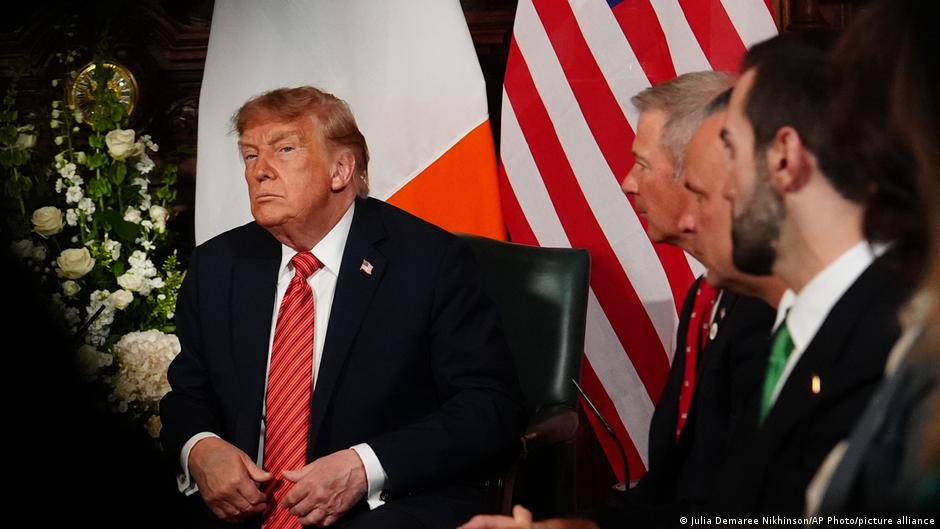
Trump Says U.S. Will Drop Tariff on Irish Whiskey Imports
Trump said the U.S. will abolish a 10 percent tariff on Irish whiskey, a move with implications for trade payments and compliance systems.
Editorial Team · Sep 14, 2026
Trump said the U.S. will abolish a 10 percent tariff on Irish whiskey, a move with implications for trade payments and compliance systems.
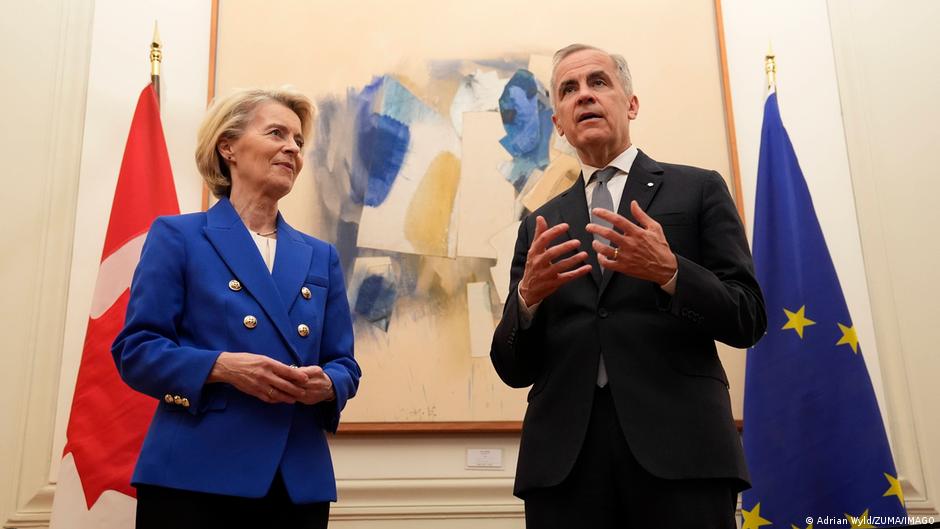
Canada is negotiating entry into the EU’s €90 billion Ukraine loan while pursuing AI, supercomputing and digital trade ties with Brussels.
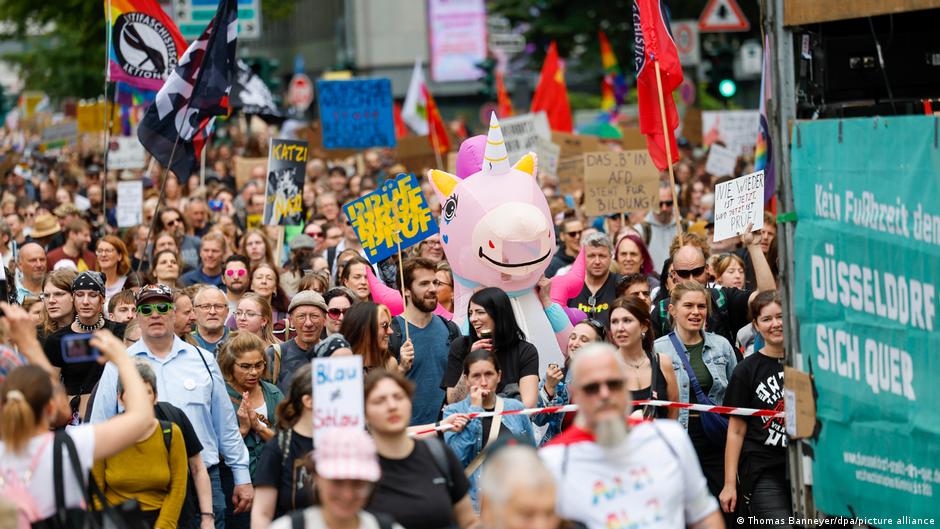
Mass protests against right-wing extremism in Germany underline political risk questions for fintech, digital banking and tech investors.

Lukashenko says Belarus will inspect all armed forces up to mobilization readiness, adding risk for payments, crypto and regional tech exposure.
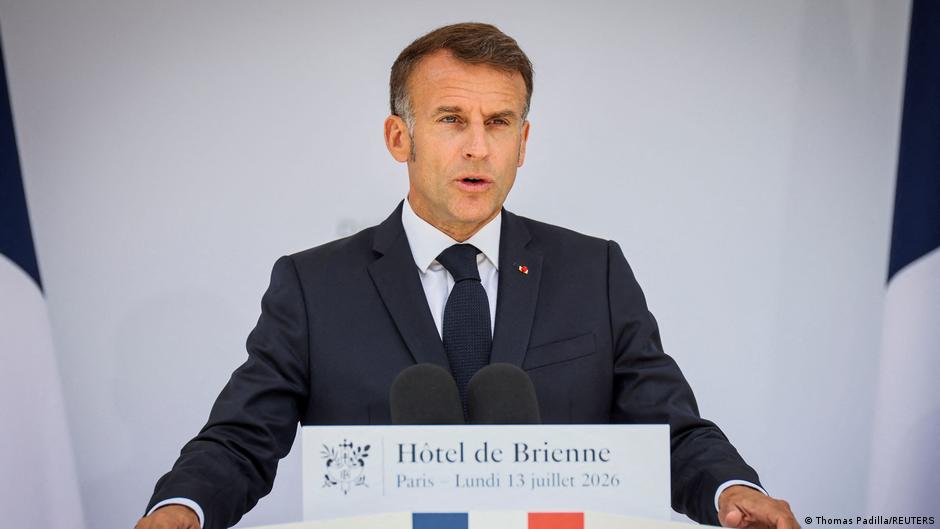
Macron is pushing for an EU-wide social media ban for under-15s after France’s top constitutional body blocked a national law.
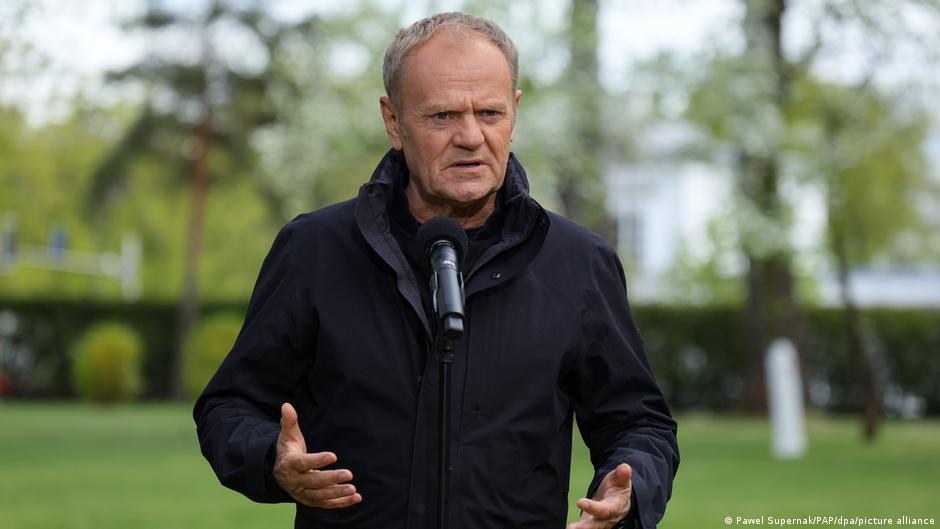
European leaders reacted sharply to AfD’s projected win in Saxony-Anhalt, a result that could heighten political risk for fintech and digital markets.
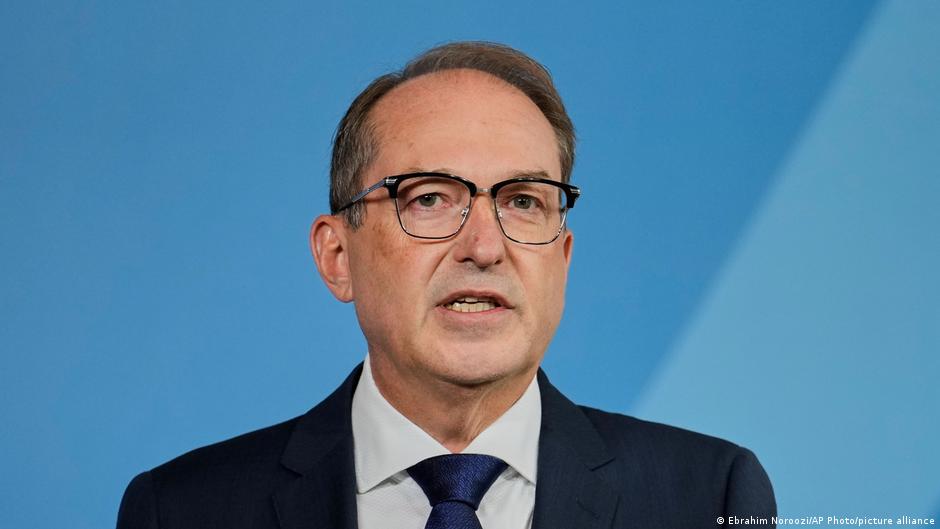
Germany plans drone defenses and a Cyberdome after the Leipzig incident, raising stakes for payments, fintech, logistics and digital infrastructure.
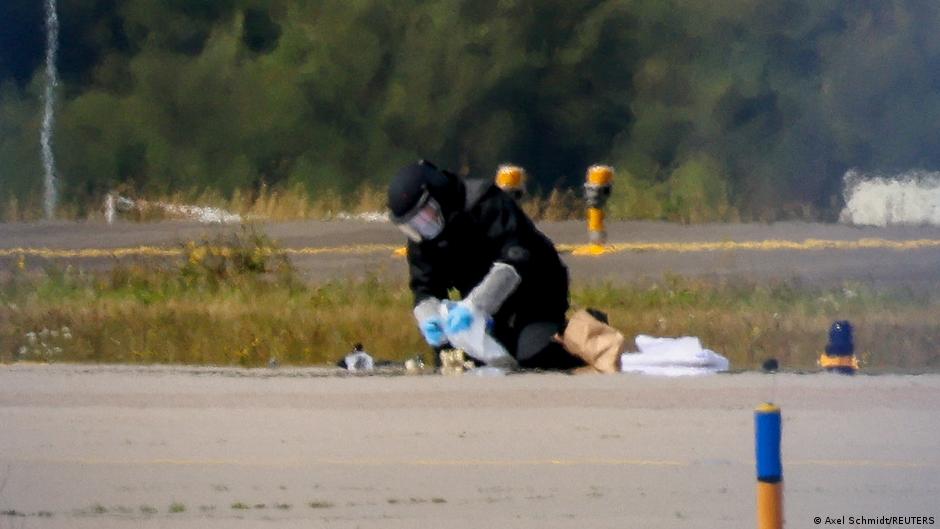
Latvia says a Leipzig sabotage suspect lived in Russia, as the case raises wider concerns over logistics security, sanctions enforcement and trade-related risk.

Putin told Pashinyan that Armenia’s move toward EU membership would amount to leaving the EEU, escalating a dispute with implications for trade and finance.
Foreign investment in Germany rose 50% to 86 billion euros in 2025, led by Britain and EU investors as US capital sharply declined.
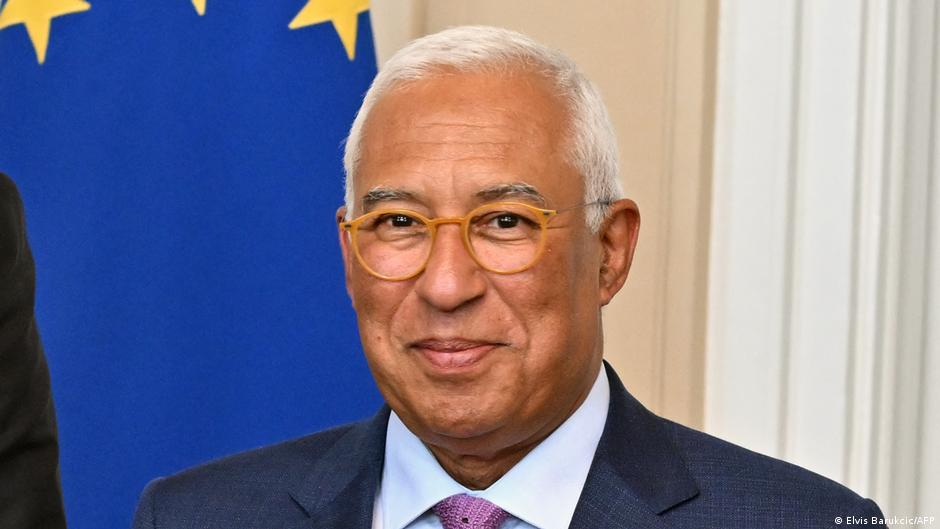
The EU pledges sustained support for Ukraine, emphasizing sanctions on Russia and prospects for Ukraine's EU integration, with implications for fintech and digital economy sectors.
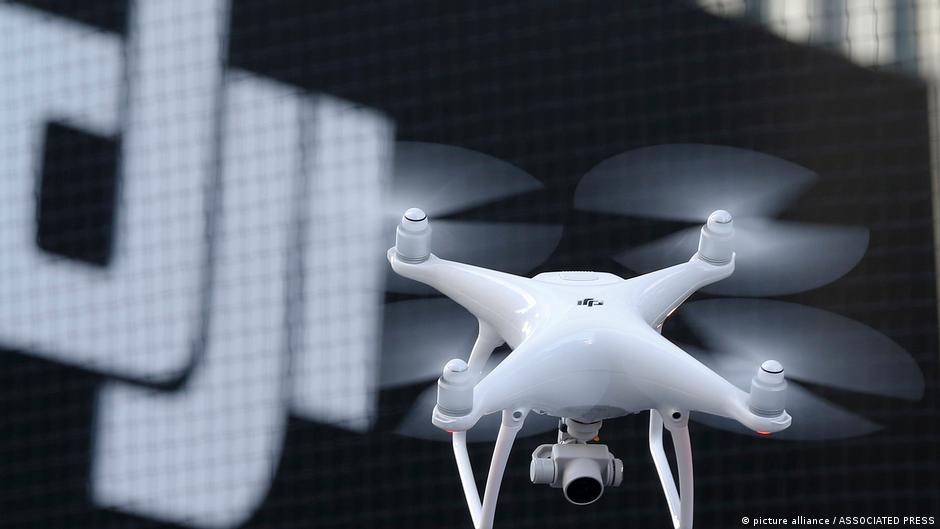
The US has imposed tariffs of up to 100% on imported drones and components to reduce foreign dependence and enhance national security amid cybersecurity concerns.
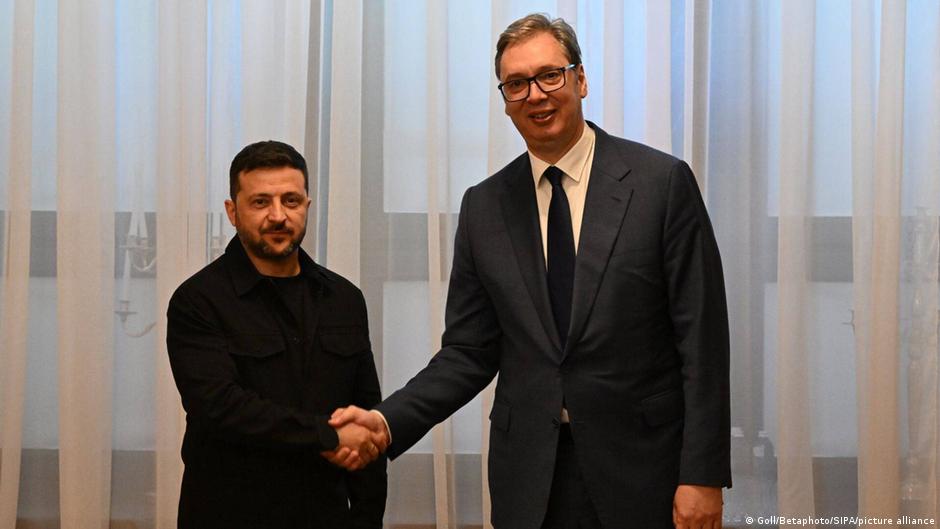
Ukrainian and Serbian presidents met in Belgrade to discuss economic ties, energy cooperation, and security, signaling potential fintech and digital economy collaboration.
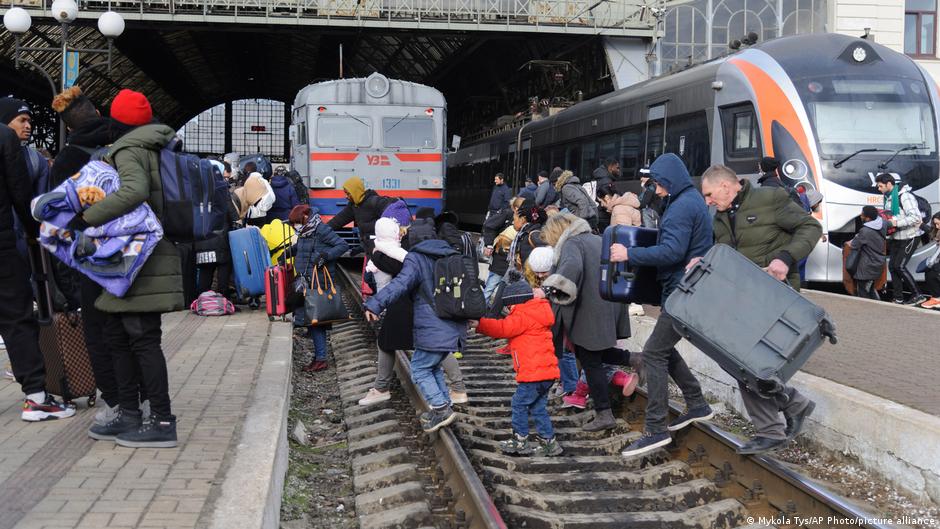
Over 8.4 million Ukrainians live abroad amid conflict, driving demand for fintech services, digital payments, and secure cross-border financial solutions.

Greece's spike in Schengen visa denials for Russians challenges travel and fintech sectors amid stricter EU security policies impacting payments and digital banking.

A Kremlin-linked bot network disseminates fake news mimicking German media to influence voter sentiment ahead of September regional elections.
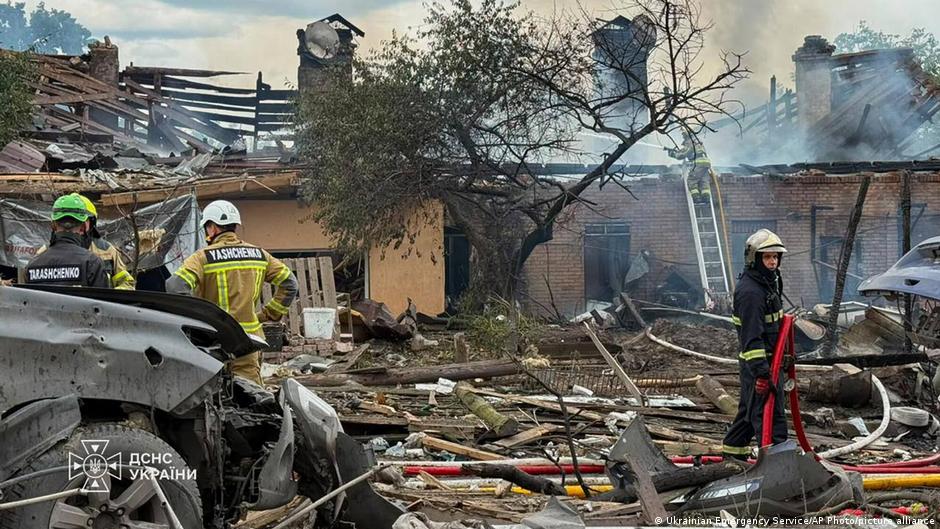
The EU has summoned the Russian envoy after missile strikes on a Kyiv arms exhibition and Latvian consulate, highlighting growing concerns over drone warfare and digital defense technologies.
Montenegro will end visa-free entry for Russian and Belarusian citizens after October 2026, impacting fintech, digital payments, and cross-border economic ties amid EU integration efforts.

Russia’s July oil and gas revenues could rise 60% year-on-year due to global price increases, despite sanctions aiming to limit its energy export earnings.
The US lifts sanctions on Miami-based Bel-Kap-Steel, linked to Belarusian steel giant BMZ, amid significant releases of political prisoners and broader easing of penalties.
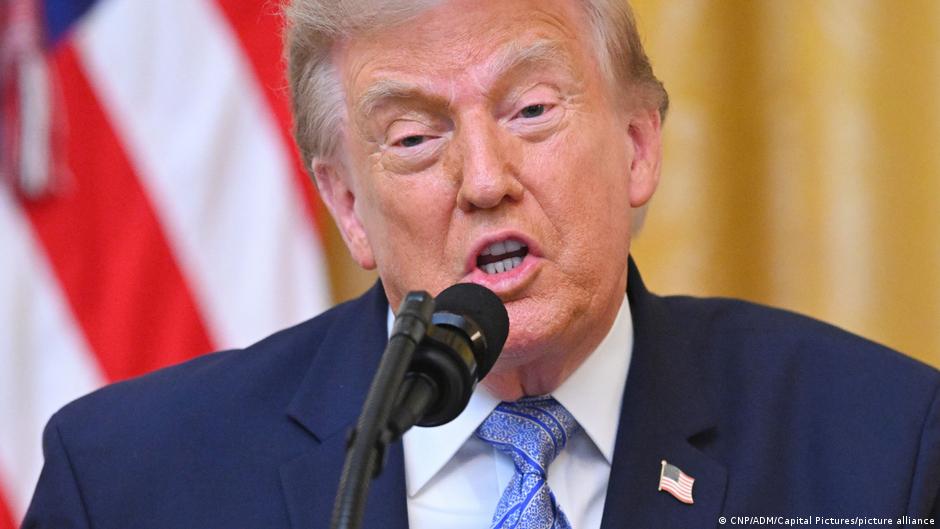
The US has imposed 50% tariffs on Canadian imports, affecting cross-border trade and potentially disrupting fintech, digital payments, and e-commerce between the two countries.
The IMF has approved a €604 million disbursement to Ukraine following satisfactory progress in its Extended Fund Facility program, supporting economic and digital sector resilience.

Hungary’s veto on key EU negotiation clusters delays Ukraine’s integration into digital economy frameworks, affecting fintech, payments, and cybersecurity progress.

The EU recommends cutting €2 million funding to the Venice Biennale due to Russia's participation amid sanctions concerns, highlighting challenges at the intersection of culture, politics, and finance.

Two German brothers admitted to violating EU sanctions by sending machinery parts to Russia via shell companies in Kyrgyzstan and Turkey, avoiding detection through complex supply chains.
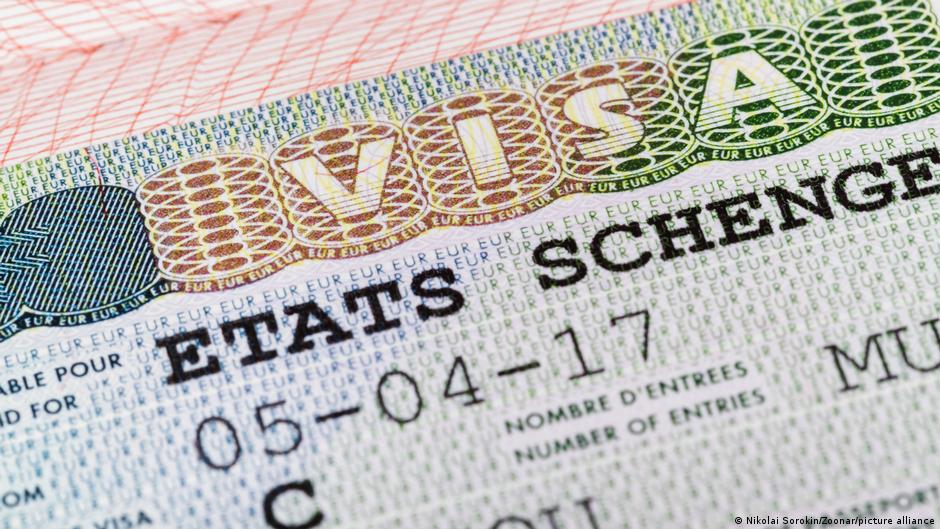
France enforces stricter visa rules for Russians, requiring personal submissions and biometrics, impacting fintech services linked to cross-border payments and digital identity.
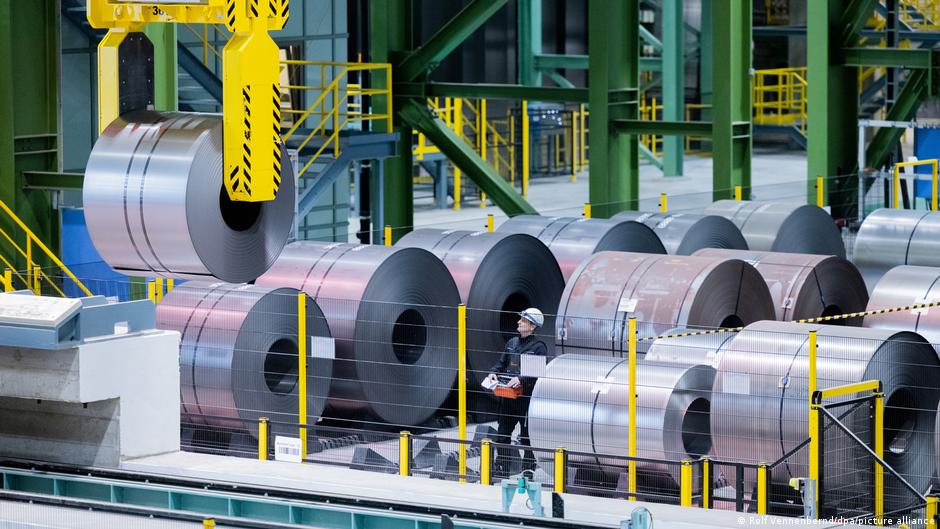
The EU cuts duty-free steel import quota by nearly half and imposes a 50% tariff on excess imports to protect domestic industry from cheap Chinese steel.
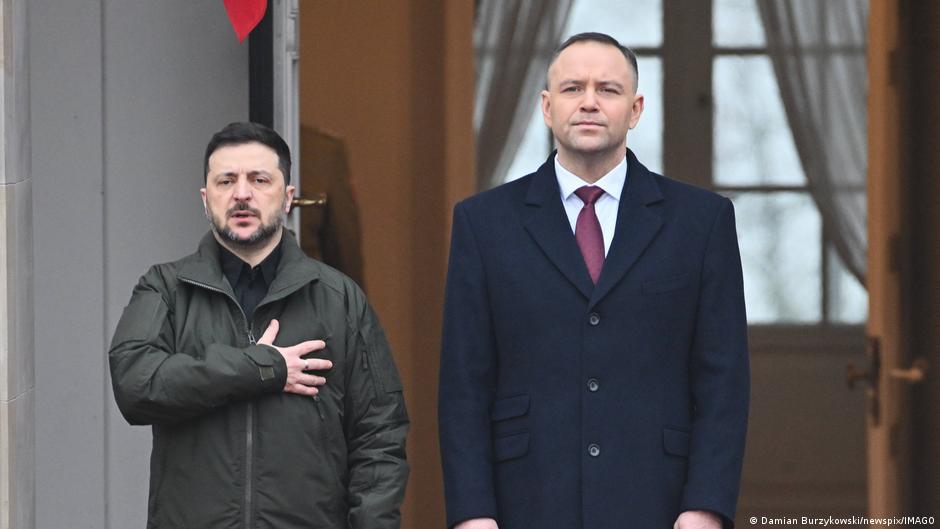
Ukraine’s Zelensky proposes a National Pantheon and European Order amid tensions with Poland, affecting regional digital economy cooperation and fintech development.

The Communist Party of Austria wins Graz municipal elections, emphasizing housing policy and moderate governance, highlighting local political trends impacting urban fintech and digital economy sectors.
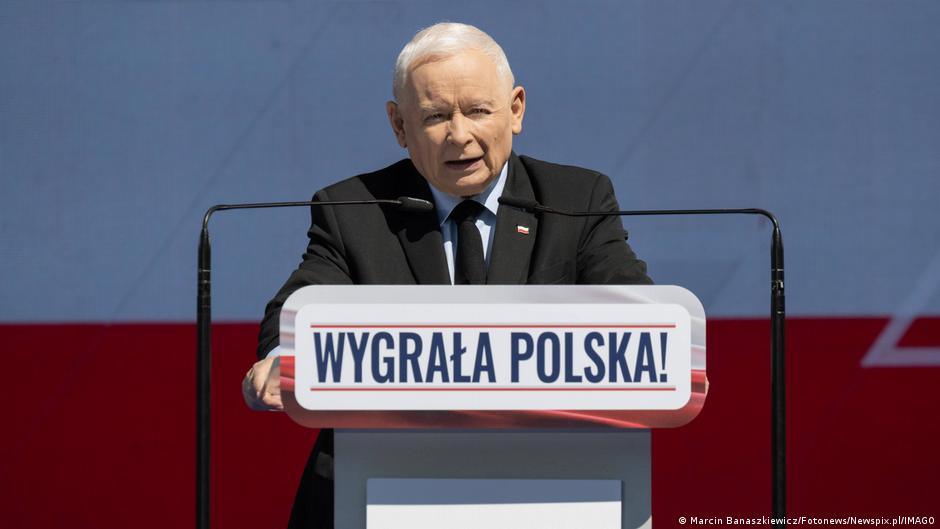
Polish opposition leader Jarosław Kaczyński urges blocking Ukraine's EU accession, citing diplomatic tensions and domestic political concerns amid ongoing regional challenges.
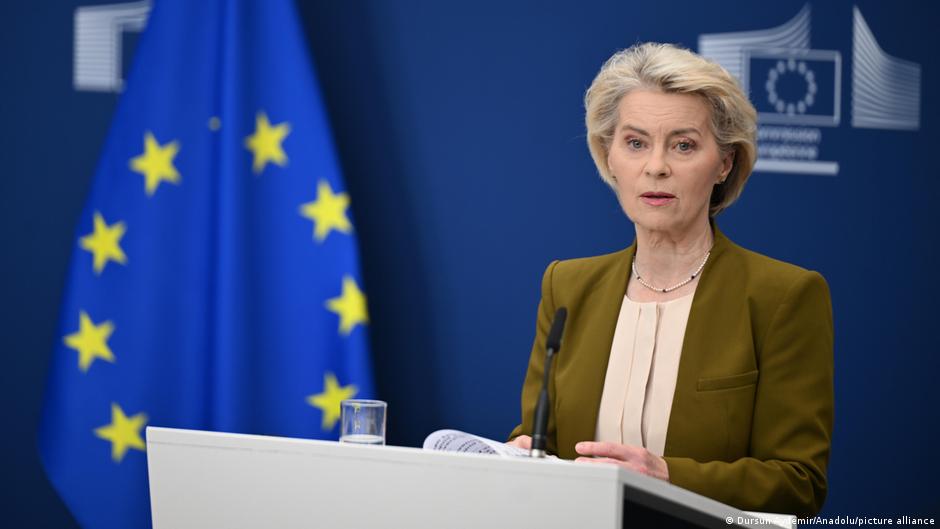
France and Italy question the EU's proposed ban on Russian combatants' entry, fearing it may extend to all Russian nationals, complicating fintech compliance amid sanctions.
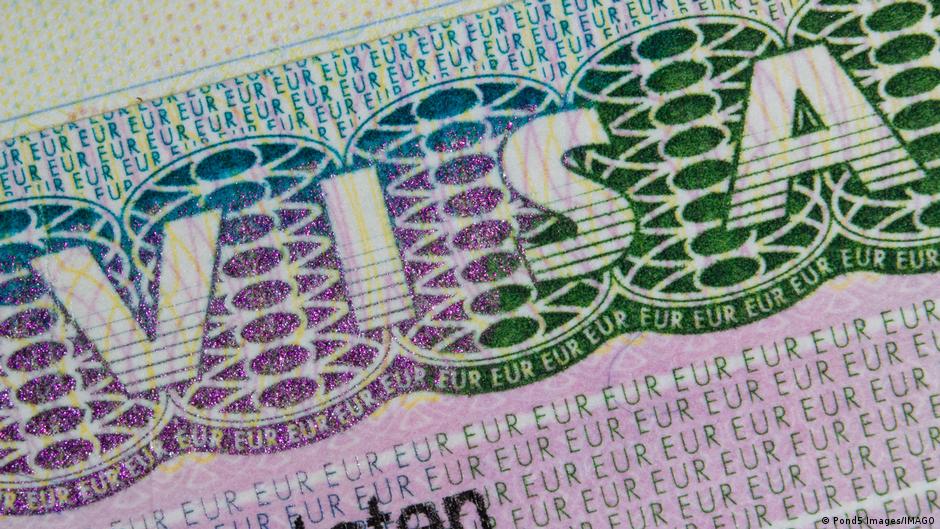
Belgium issued one-day visas to five Taliban representatives invited to Brussels for EU talks on Afghan deportations, highlighting complex migration and security challenges.
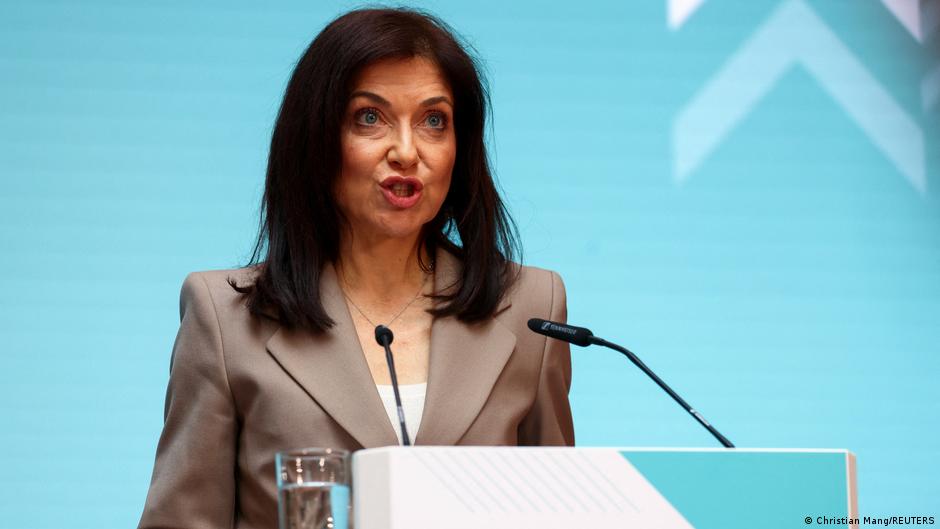
Germany urges Turkey to exclude Russian gas in future EU energy deals, impacting fintech and digital payments as Turkey aims to become a regional gas hub.
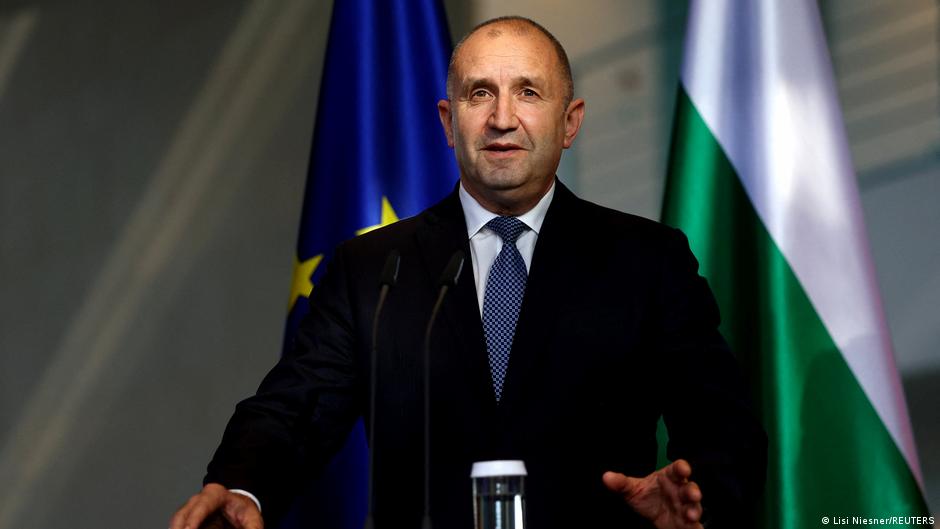
Bulgaria plans to veto new EU sanctions on Russia due to economic risks and opposition to sanctions against Patriarch Kirill, raising concerns about energy and supply chain impacts.
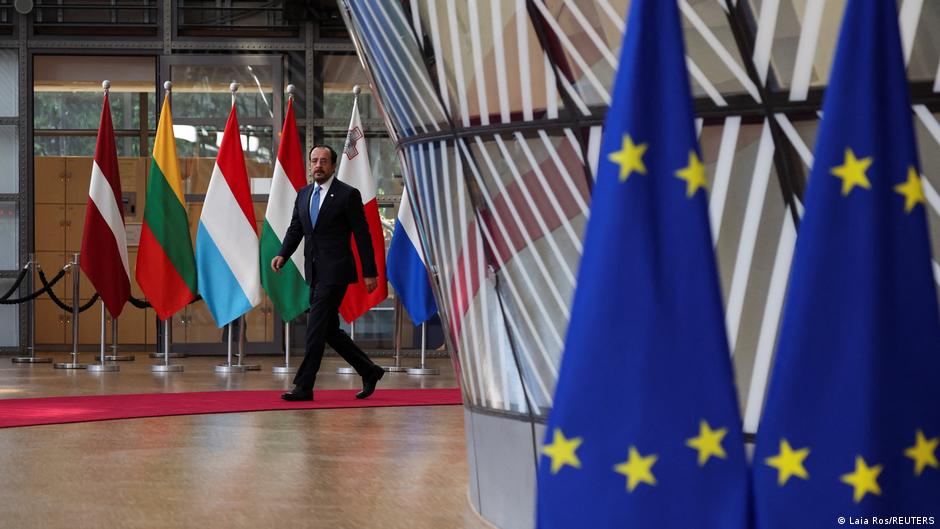
The EU agrees to extend sanctions on Russia for one year, increasing pressure on energy and finance sectors, with implications for fintech, cybersecurity, and digital payments.
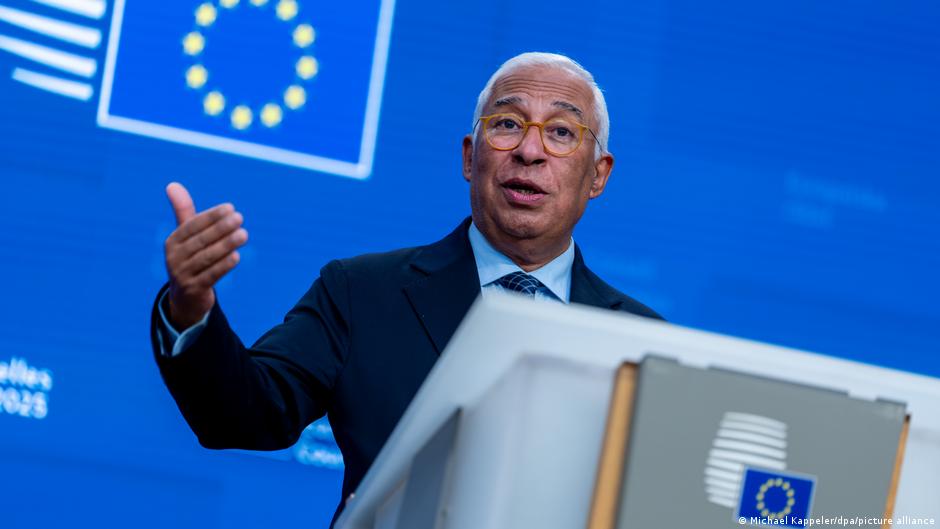
The EU has initiated discreet talks with Kremlin officials to prepare for future peace negotiations, a move that could impact digital economy sectors like fintech and cybersecurity.
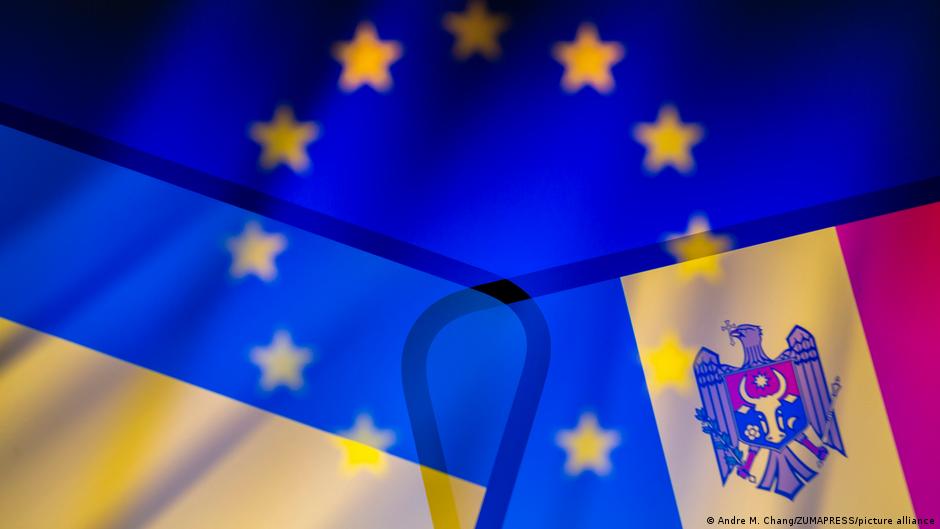
The EU has started formal accession talks with Ukraine and Moldova, initiating evaluations that will impact digital economy sectors like fintech, payments, and cybersecurity.
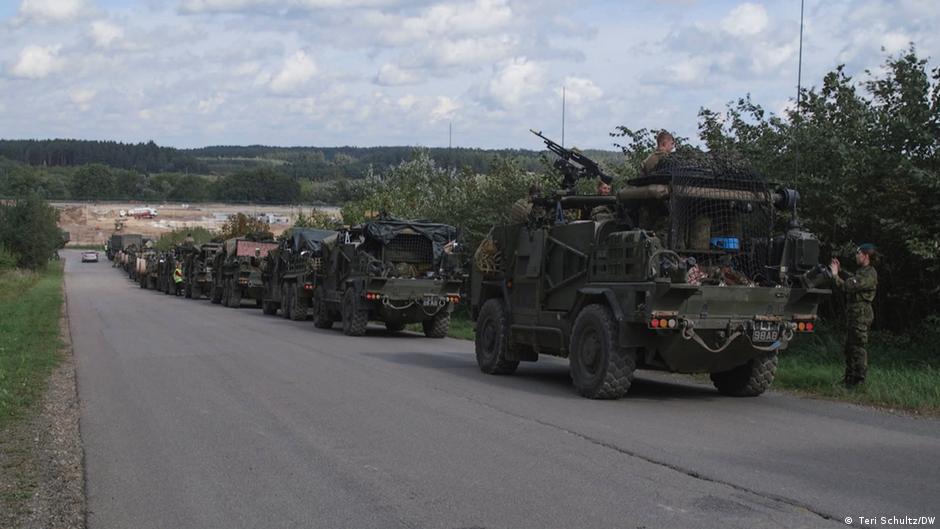
Lithuania, Poland, and France conduct joint military exercises near the Suwalki Corridor to strengthen defense and ensure NATO connectivity, highlighting security implications for fintech and digital infrastructure.
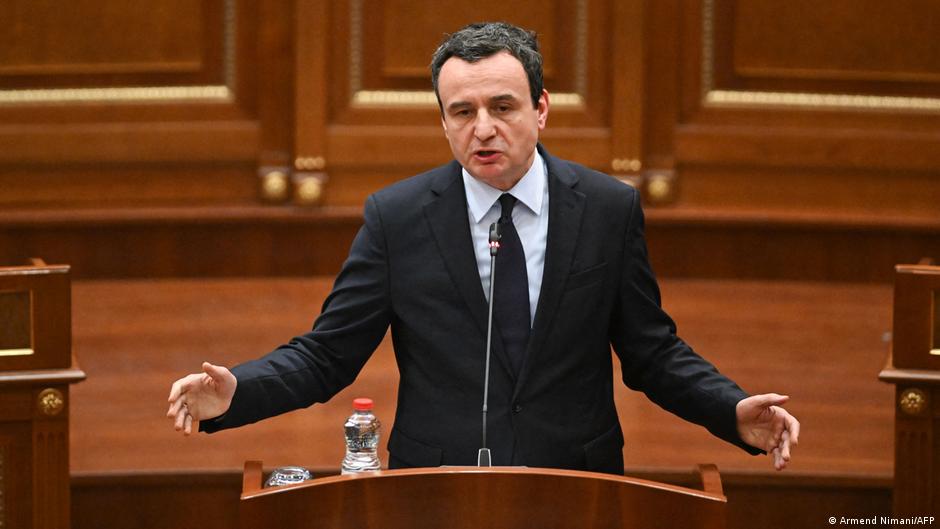
Kosovo’s Vetëvendosje party wins snap elections with 43%, but must form a coalition amid political instability affecting digital economy reforms and fintech development.
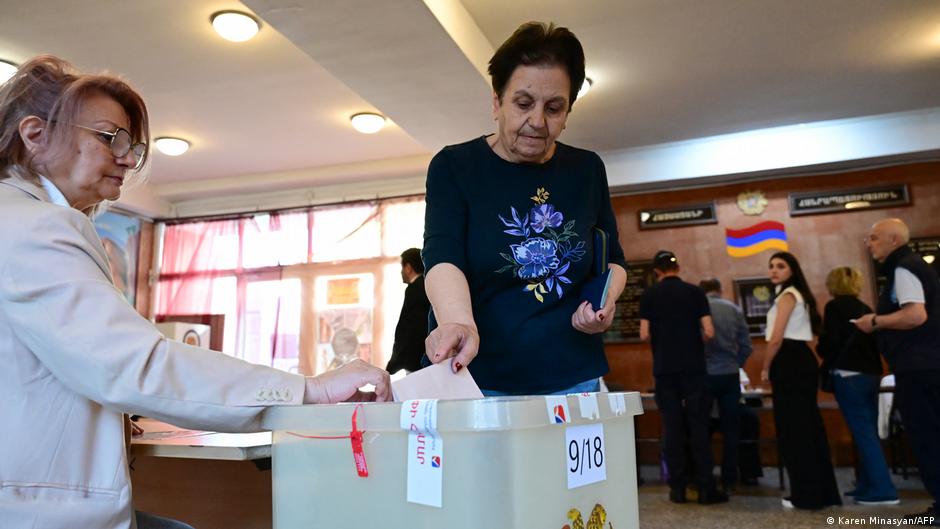
Armenia’s recent parliamentary elections reinforce Prime Minister Pashinyan’s EU-oriented agenda, with major implications for the country’s fintech, digital banking, and cybersecurity sectors.
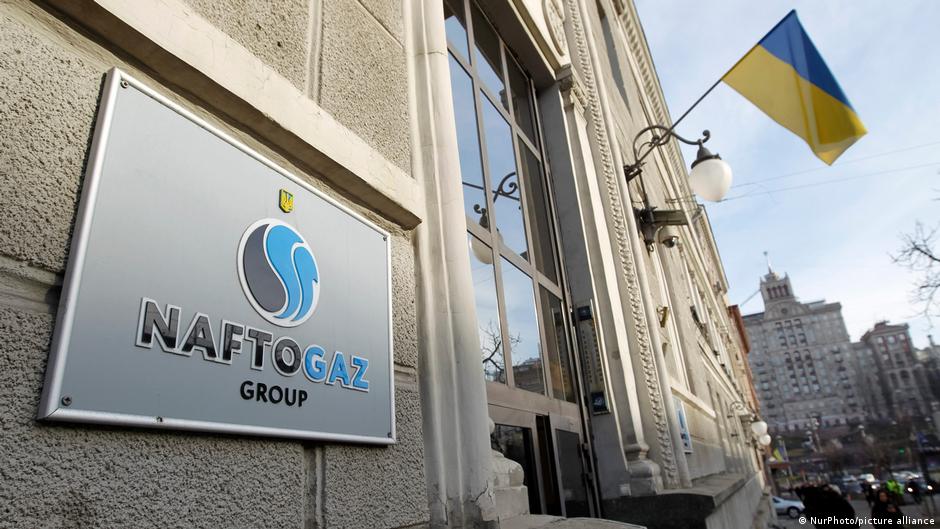
Finland has seized €3.7 million in Russian assets following Ukraine's Naftogaz efforts to enforce a $5 billion arbitration award related to seized Crimean property.

Rheinmetall's €5.7B contract with Romania, funded by the EU's SAFE defense fund, advances defense tech, local production, and digital finance integration in European security.
The EU plans to restrict US cloud service providers like Microsoft and Google from government contracts to enhance digital sovereignty and address data security concerns.
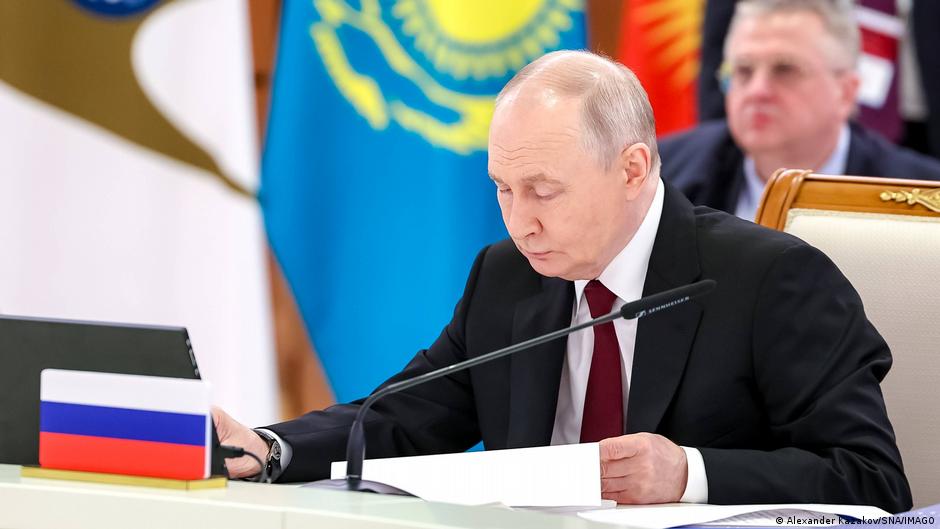
Putin warns Armenia of tariff hikes and economic sanctions if it leaves the Eurasian Economic Union, urging a referendum amid rising geopolitical tensions and trade restrictions.
Ksenia Fedorova, ex-head of RT France, now works on French conservative TV, illustrating media shifts following RT's EU broadcast ban and implications for digital information security.
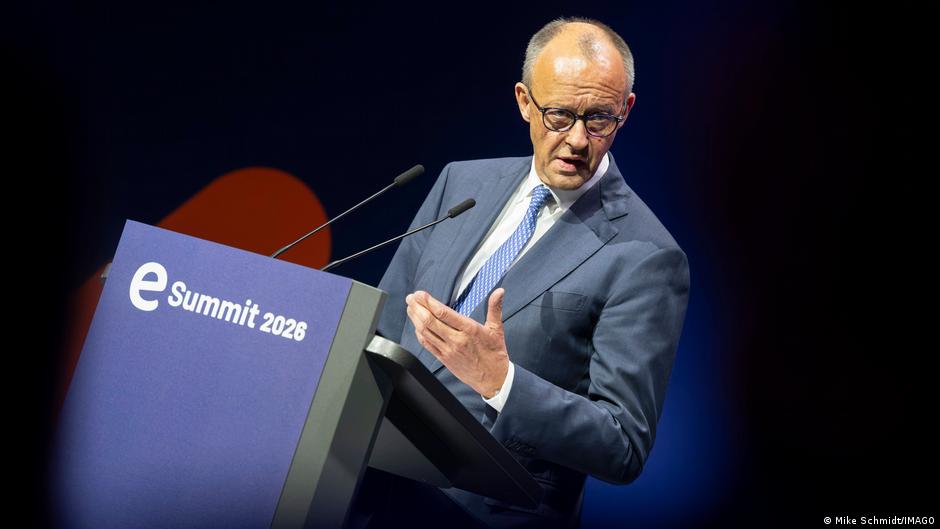
Sources close to Chancellor Friedrich Merz deny rumors of his early replacement, stressing constitutional complexities amid political challenges affecting Germany's digital economy.
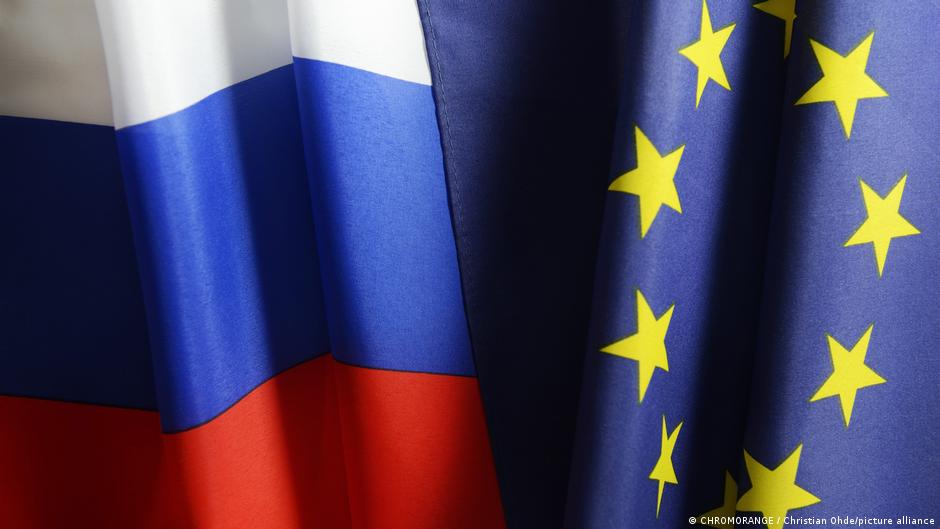
The EU delays appointing a negotiator for talks with Russia, focusing on sanction strategies affecting financial and defense sectors amid the Ukraine conflict.
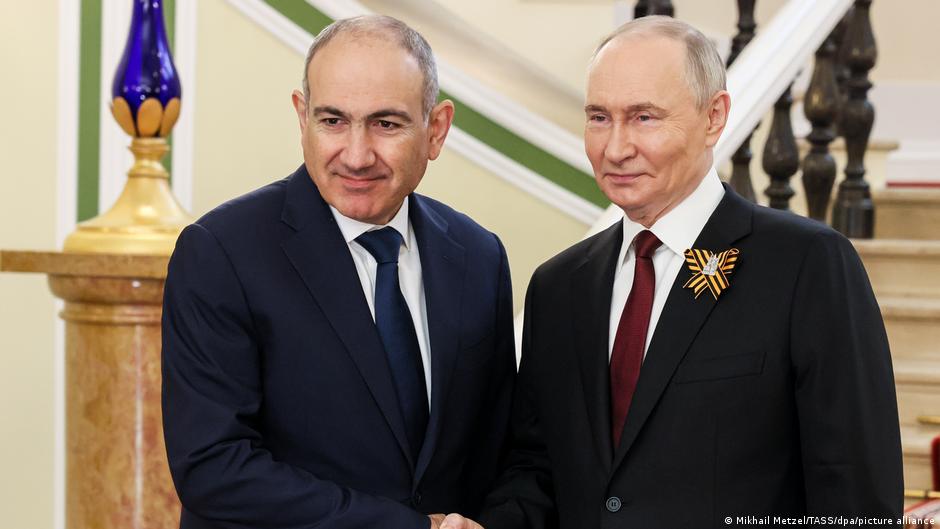
Russia warns Armenia that deepening EU ties may end duty-free gas and oil supplies, threatening energy security and economic cooperation amid geopolitical tensions.
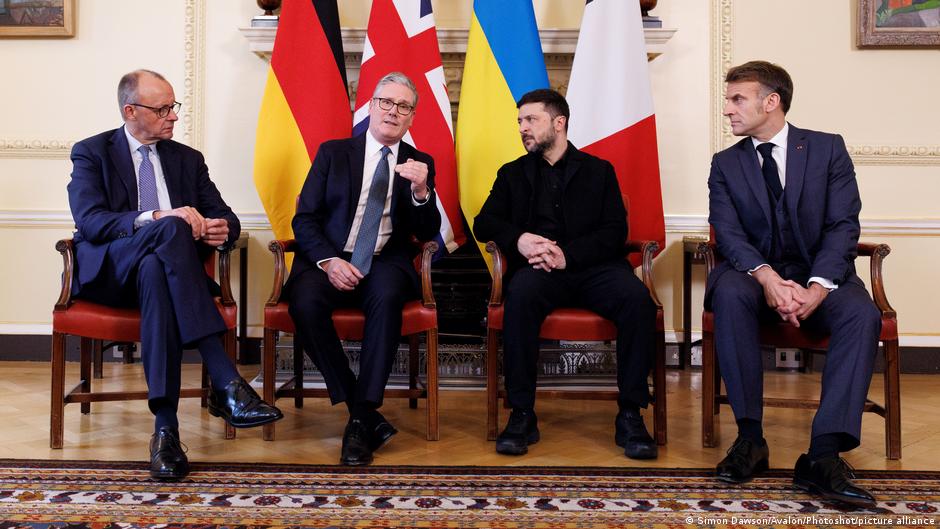
Ukraine and European leaders discuss enhanced diplomatic efforts and defense support to end Russia's war, highlighting shifts in geopolitical and digital economic dynamics.
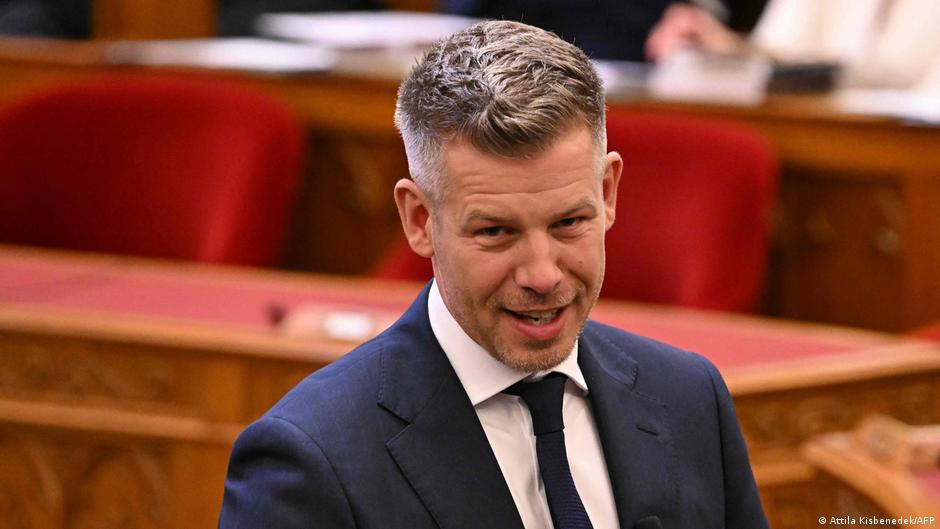
Hungary reinstates its ban on Ukrainian agricultural imports after a procedural error led to its lapse, affecting regional trade and fintech payment ecosystems.