
Business
U.S. Threat Over Ukraine Arms Program Raises Energy-Market Risk
Reported U.S. pressure on Ukraine over refinery strikes raises questions for energy markets, payments compliance, crypto risk and tech stocks.
Editorial Team · Oct 12, 2026
Reported U.S. pressure on Ukraine over refinery strikes raises questions for energy markets, payments compliance, crypto risk and tech stocks.
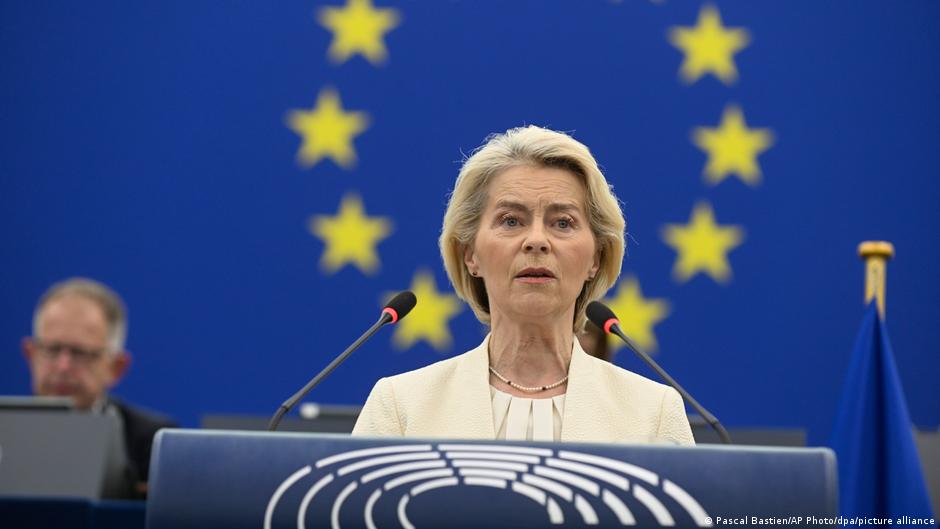
The EU plans additional funding for Ukraine drones and missiles as leaders prepare to discuss Kyiv's 2027 financing needs and support mechanisms.

British counterterrorism police detained two Latvian nationals after a breach at RAF Molesworth, a NATO and US intelligence site.
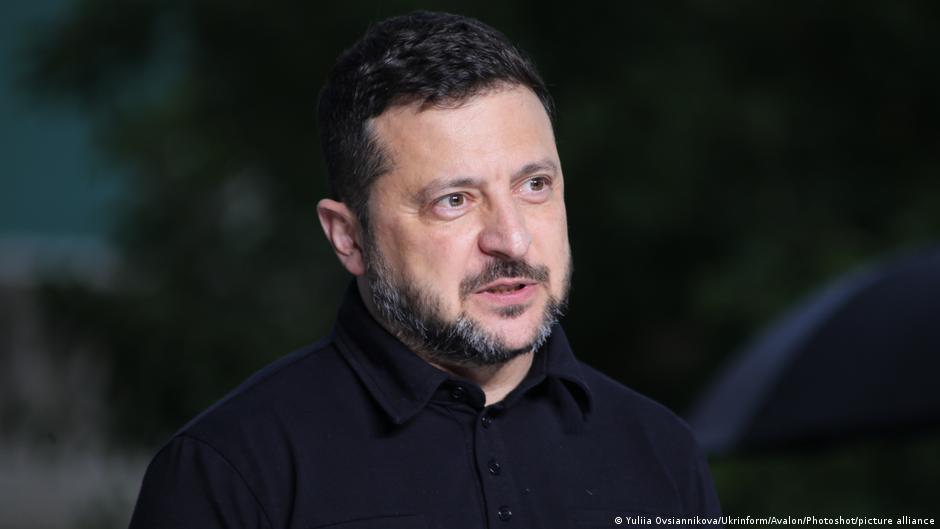
Ukraine will meet Trump envoys on a new war plan as sanctions, Starlink access and data center strikes put digital infrastructure in focus.
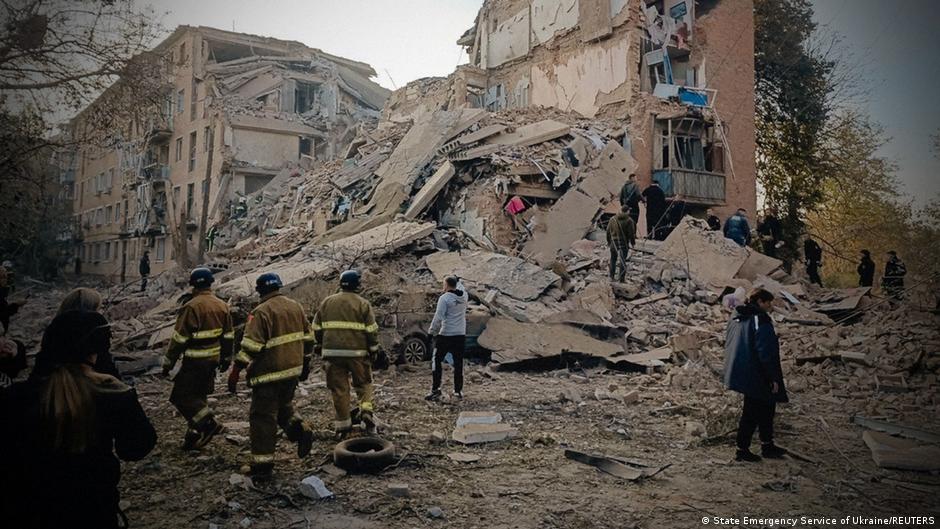
Ukraine said 28 people were killed in a Russian missile and drone barrage, raising fresh concerns over sanctions, payments and digital resilience.
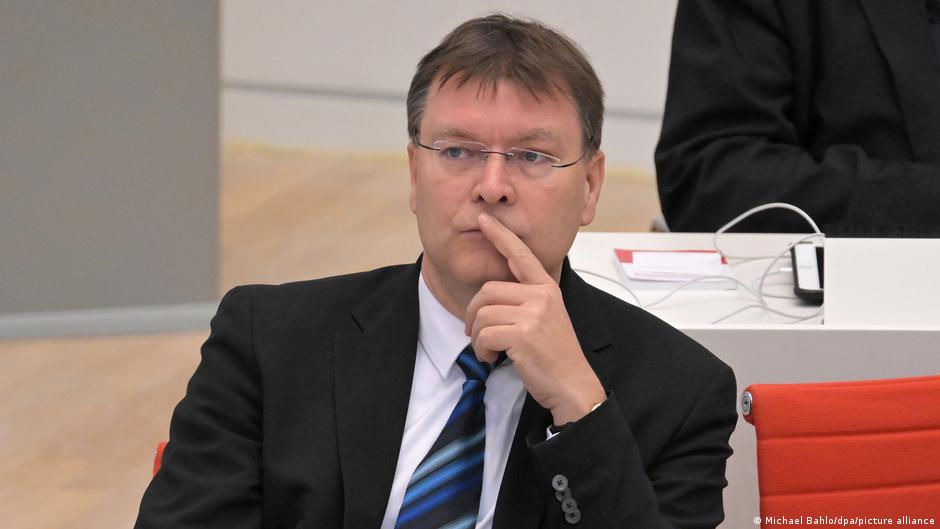
BSW lawmaker Sven Hornauf plans Belarus and Russia trips to revive sister-city ties, raising wider questions for compliance and security.
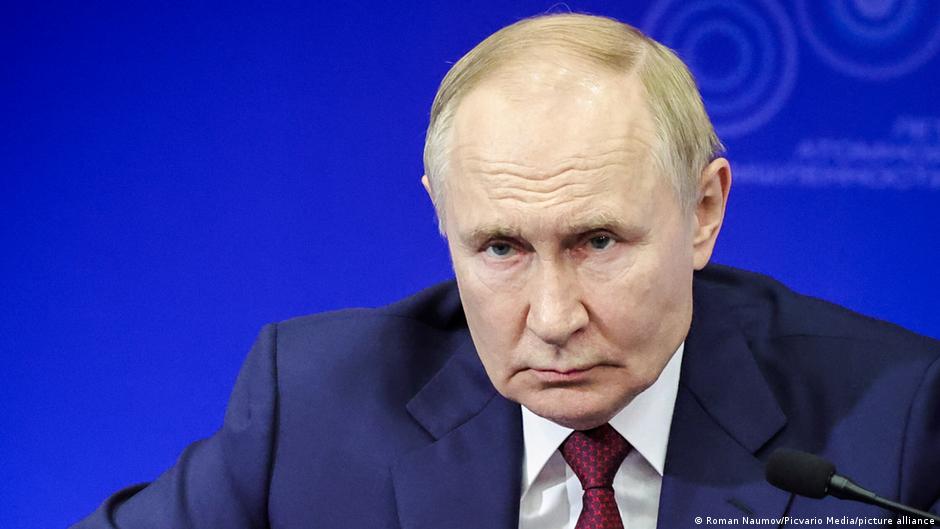
Putin’s Valdai remarks renewed nuclear warnings and Western blame, adding geopolitical pressure on payments, crypto, cybersecurity and tech markets.
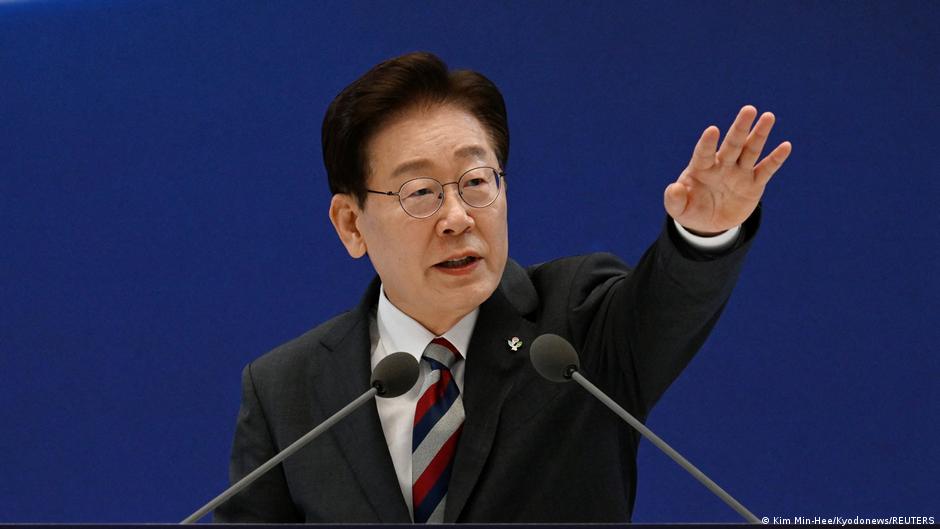
Seoul’s warning to Kyiv over North Korean prisoners adds diplomatic risk to future tech, cyber and reconstruction finance cooperation.
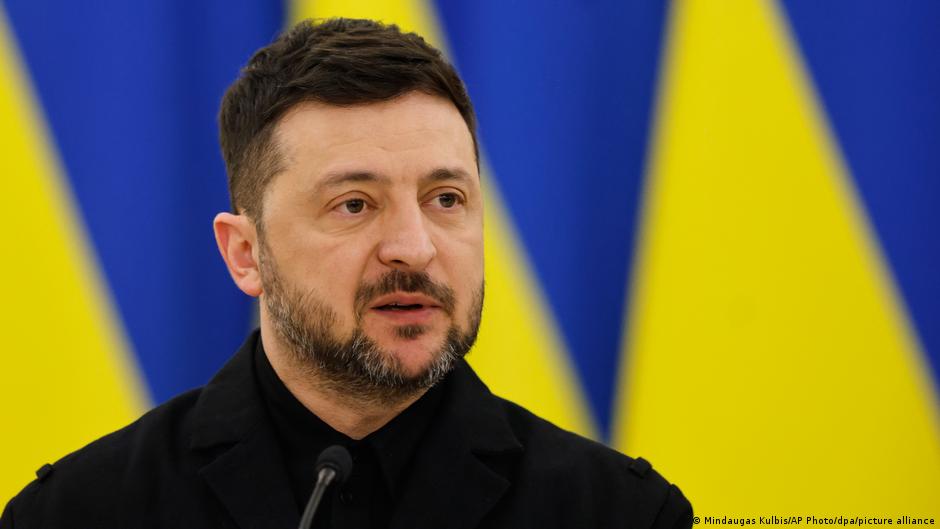
Ukraine says North Korea may send 10,000 more troops to Russia, raising sanctions, payments, crypto and cybersecurity concerns.
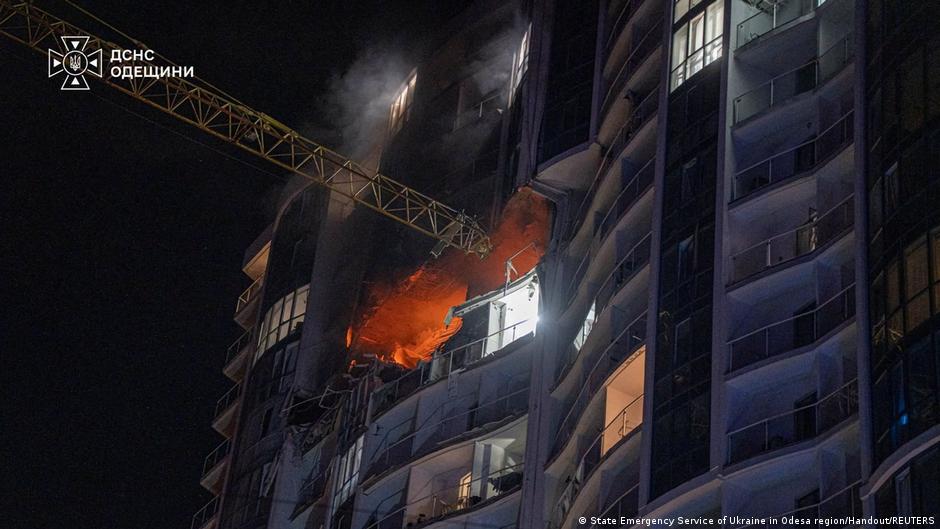
Russian drone strikes killed at least three civilians in Zaporizhzhia and hit port and civilian infrastructure in Odesa’s Kiliia.
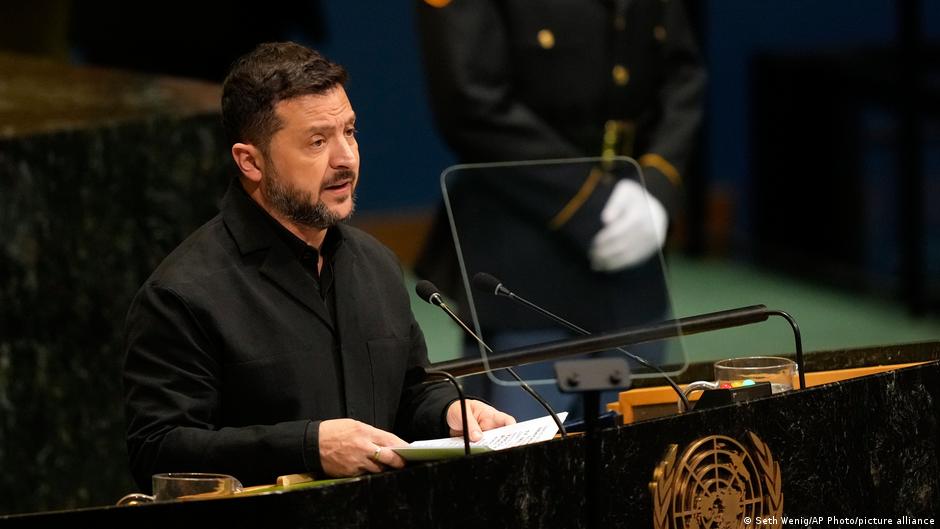
Zelenskyy told the UN that Putin is spreading war globally and said Ukraine is targeting Russia’s ability to finance and prolong the conflict.

Trump says the U.S. has secured broad Greenland security rights, but Denmark and Greenland describe the deal as still expected.

China urged the U.S. to stop preparing for war in space after Washington confirmed orbital weapons, raising risks for digital infrastructure.
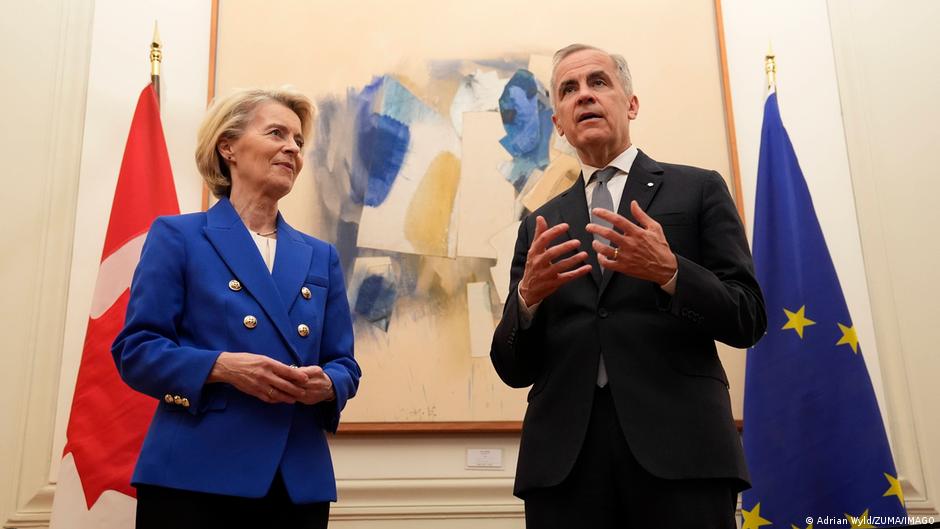
Canada is negotiating entry into the EU’s €90 billion Ukraine loan while pursuing AI, supercomputing and digital trade ties with Brussels.

A reported drone threat that delayed Zelenskyy’s flight from Moldova adds to geopolitical risks facing payments, crypto and tech firms.
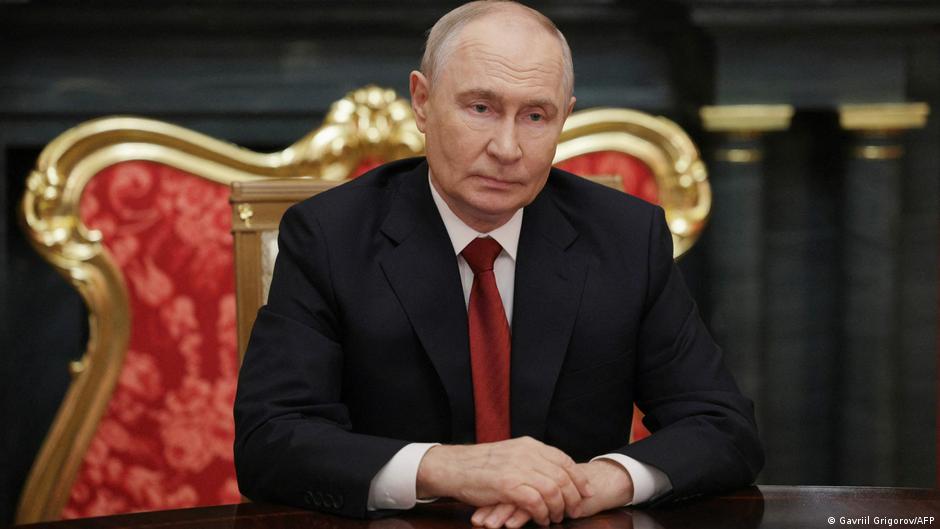
Putin backed using medically unfit volunteers for rear drone defense, signaling new pressure on Russia’s manpower, infrastructure and tech sectors.
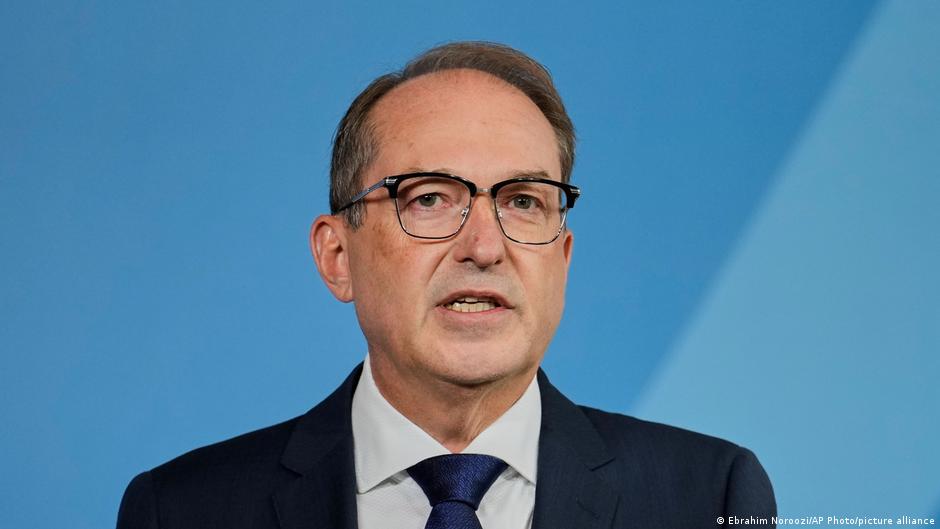
Germany plans drone defenses and a Cyberdome after the Leipzig incident, raising stakes for payments, fintech, logistics and digital infrastructure.
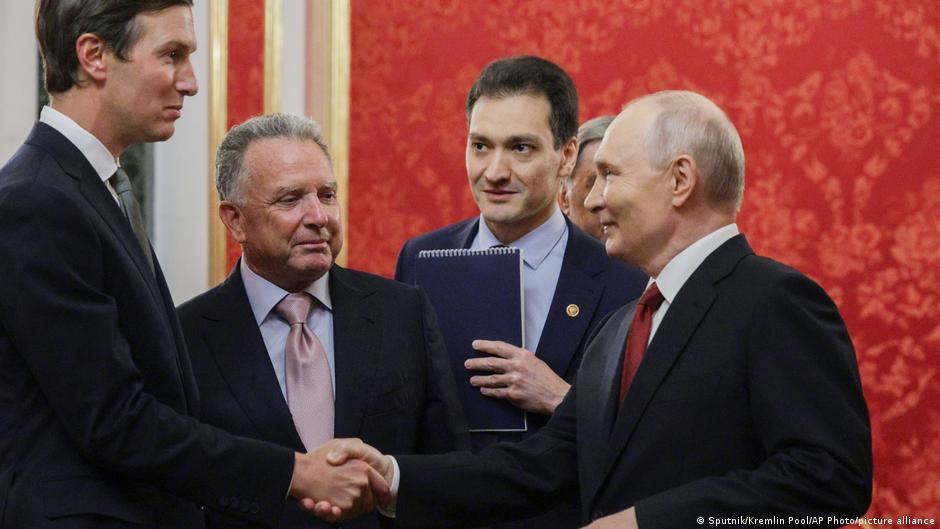
U.S. envoys discussed Ukraine peace plans with Putin and are heading to Kyiv, with fintech markets watching sanctions, payments and cyber risk.
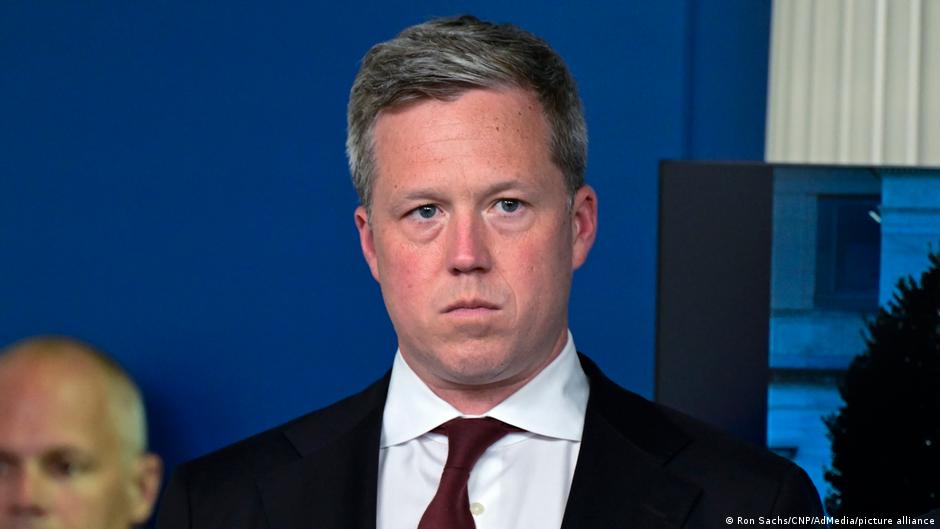
Daniel Driscoll's reported resignation adds uncertainty around Pentagon procurement, cybersecurity priorities and defense-tech market signals.

Finland summoned Russia's ambassador after an Il-20 aircraft briefly entered Finnish airspace, raising regional security and cybersecurity concerns amid rising tensions.
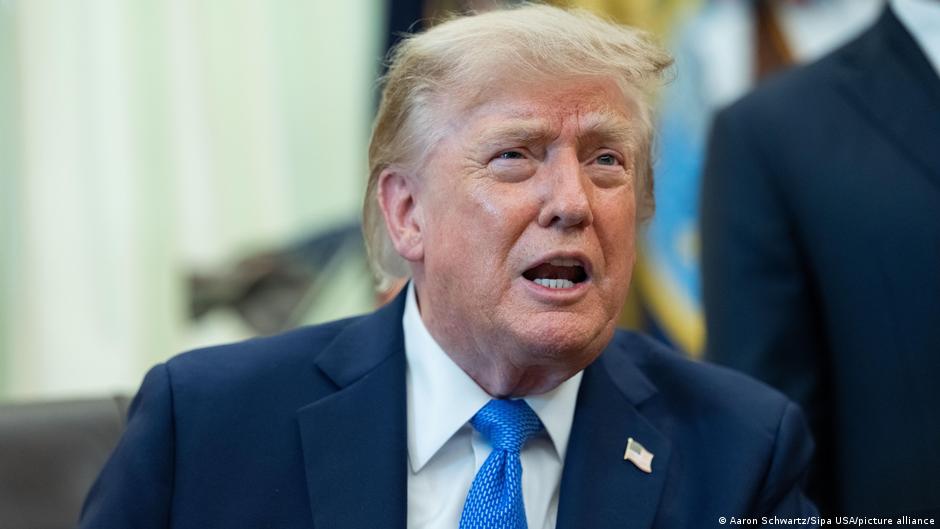
Former President Donald Trump criticizes the Biden administration for depleting US missile stockpiles due to aid to Ukraine, stressing the need to prioritize domestic military readiness.
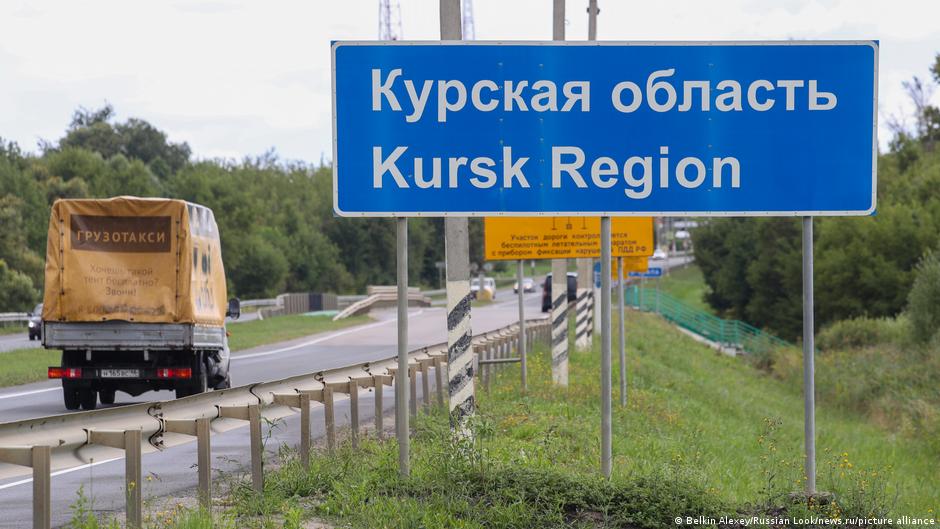
Drone attacks in Russia’s Kursk and Belgorod regions cause casualties and highlight critical infrastructure vulnerabilities, emphasizing the need for advanced security measures.
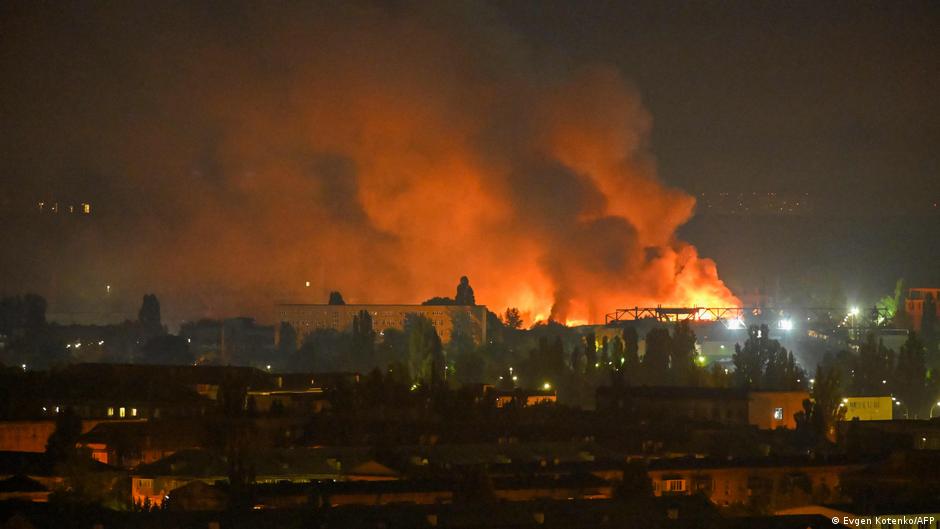
Renewed Russian missile strikes on Kyiv reveal Ukraine's pressing air defense challenges amid Patriot missile shortages and ongoing drone attacks.
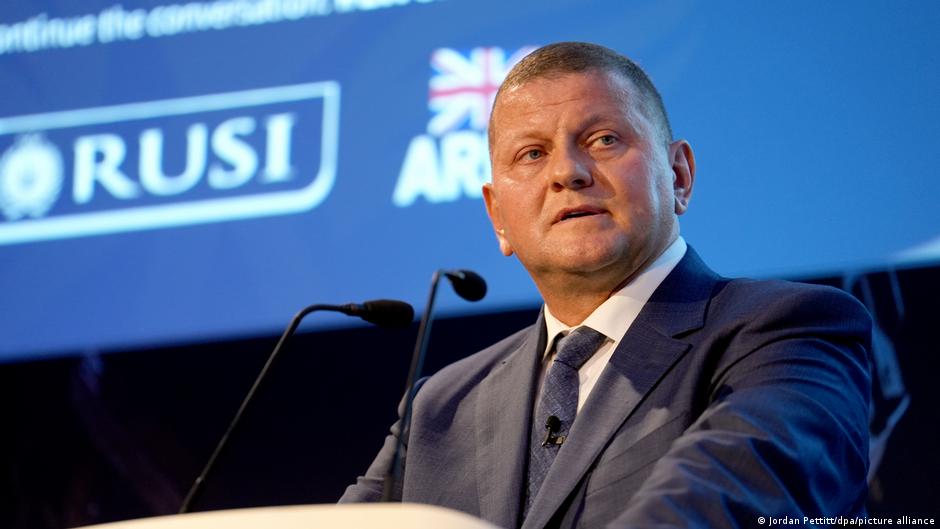
Former Ukrainian general Valeriy Zaluzhnyi says Ukraine will not join NATO but seeks advanced defense tech and new security alliances like the Joint Expeditionary Force.
NATO considers deploying tactical nuclear weapons in Finland, Poland, and Lithuania, raising security and digital economy concerns amid Russian threats.
UK Prime Minister Andy Burnham commits to transferring Stone Cloak electronic warfare system IP to Ukraine, enabling mass production and enhancing digital defense capabilities amid ongoing conflict.

The EU has summoned the Russian envoy after missile strikes on a Kyiv arms exhibition and Latvian consulate, highlighting growing concerns over drone warfare and digital defense technologies.
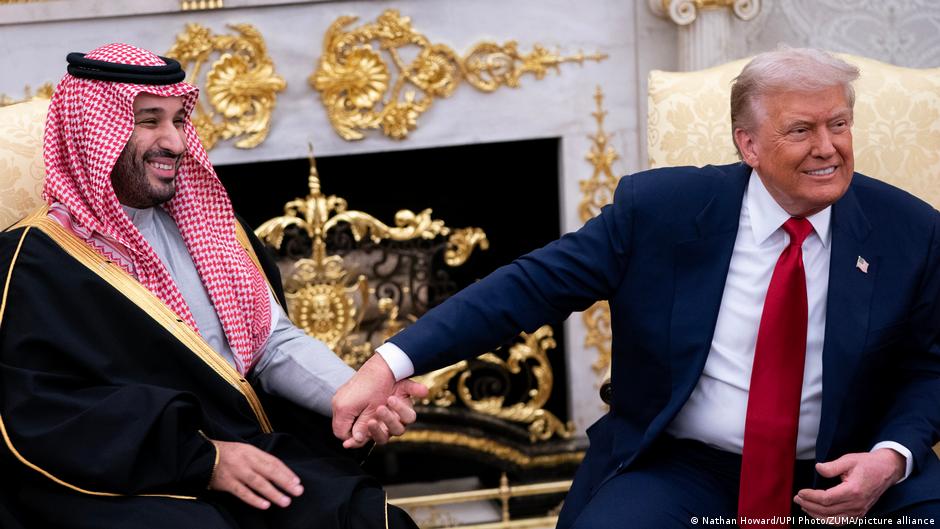
US plans to allow Saudi Arabia uranium enrichment without strict IAEA oversight raise nuclear proliferation risks and impact fintech, cybersecurity, and tech investments.
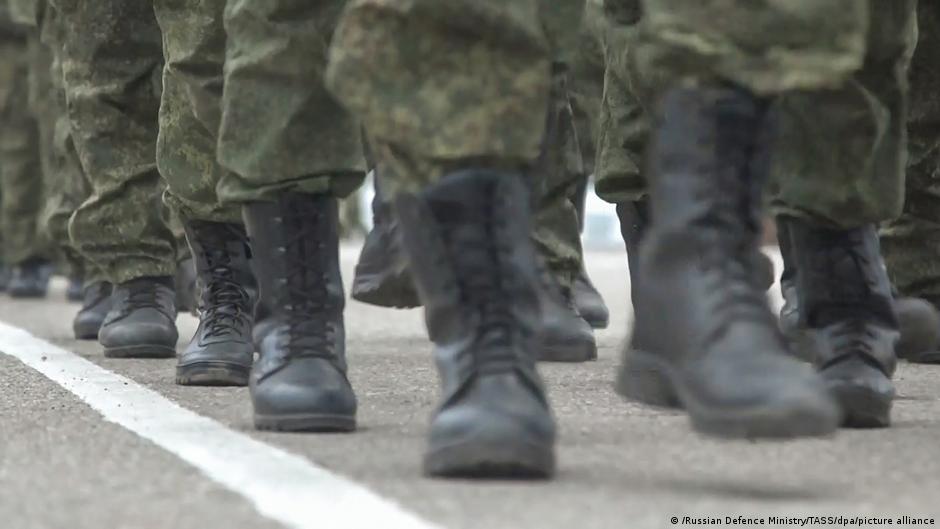
CIA Director John Ratcliffe highlights how AI-powered drones drastically cut Russian soldier survival times in Ukraine, reshaping warfare and defense tech investment landscapes.

US military strikes on Iran escalate tensions, impacting maritime security, digital payments, and fintech sectors amid enforced maritime blockades and retaliatory attacks.

Russian forces struck Izium, Ukraine, using Shahed drones and precision bombs, causing civilian casualties and damaging infrastructure, highlighting risks to digital and economic stability.
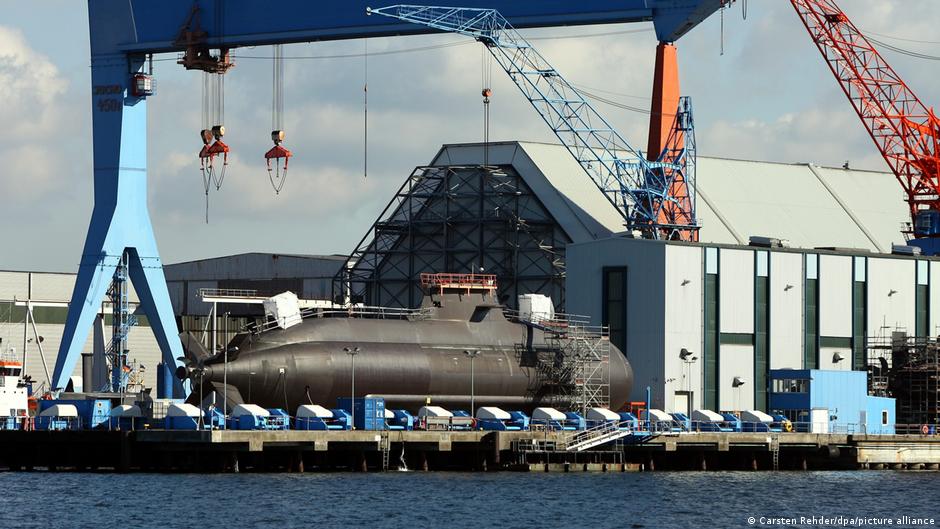
Canada's contract with Germany's TKMS for 12 advanced non-nuclear submarines signals strengthened transatlantic defense cooperation and major impacts on defense tech and digital security.
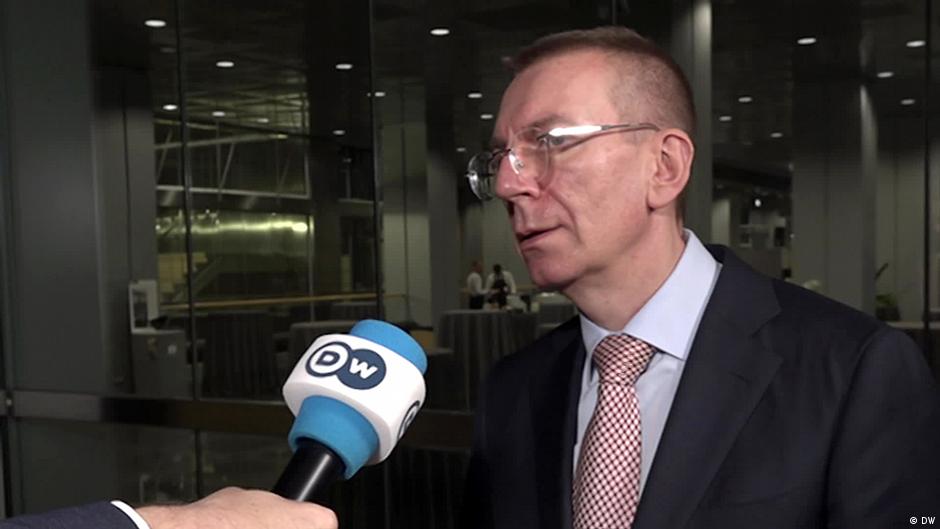
Latvian President Edgars Rinkēvičs urges NATO to prepare for possible escalation with Russia, highlighting the need for stronger military capabilities and US partnership.
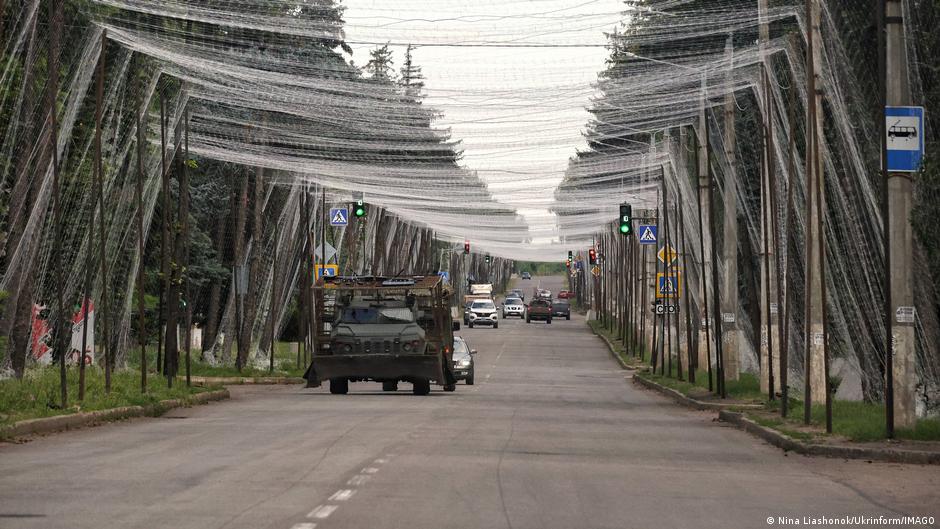
Russian drone and missile strikes in Ukraine fell 29% and 15% respectively in June, signaling potential shifts in military tactics and industrial constraints amid ongoing conflict.
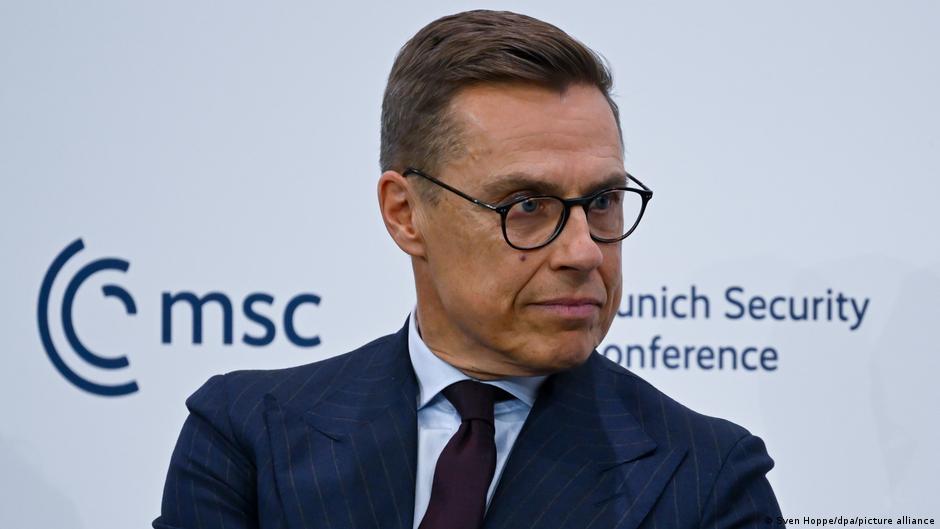
Finland has repealed its ban on importing nuclear weapons, a move that carries significant implications for national security and the fintech sector’s cybersecurity and digital payment systems.
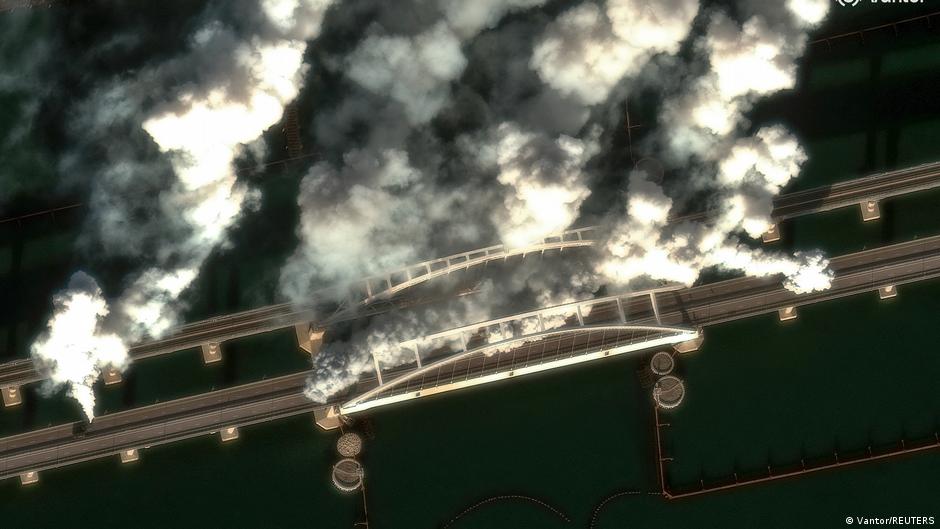
A drone attack on the Poltava oil depot near Krasnodar caused fires and highlighted vulnerabilities in regional energy infrastructure affecting fintech and digital economy stability.
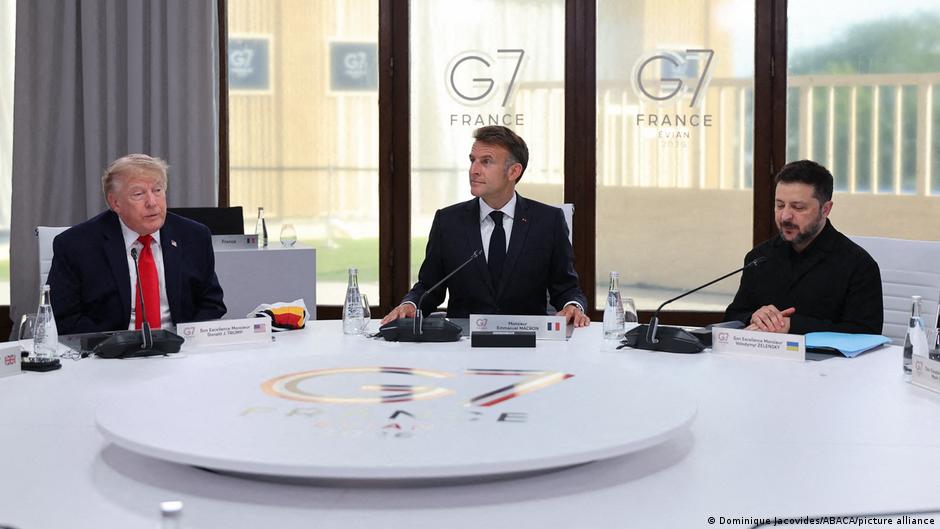
The G7 summit concluded with commitments to new sanctions on Russia's oil and gas sectors and expanded military aid to Ukraine, including advanced weaponry and energy support.
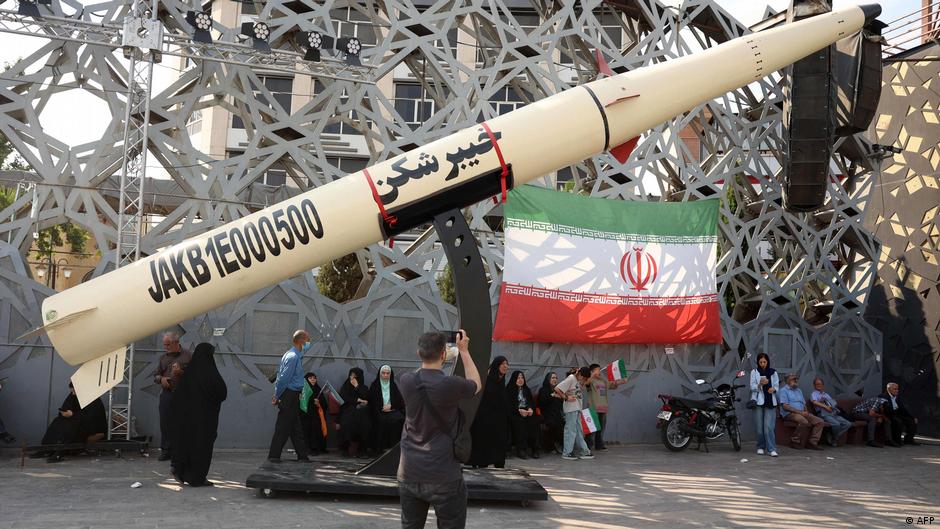
Iran has replenished its missile arsenal to three-quarters of pre-conflict levels, likely aided by Russian weapons transfers during a truce with the US, impacting regional security and energy markets.
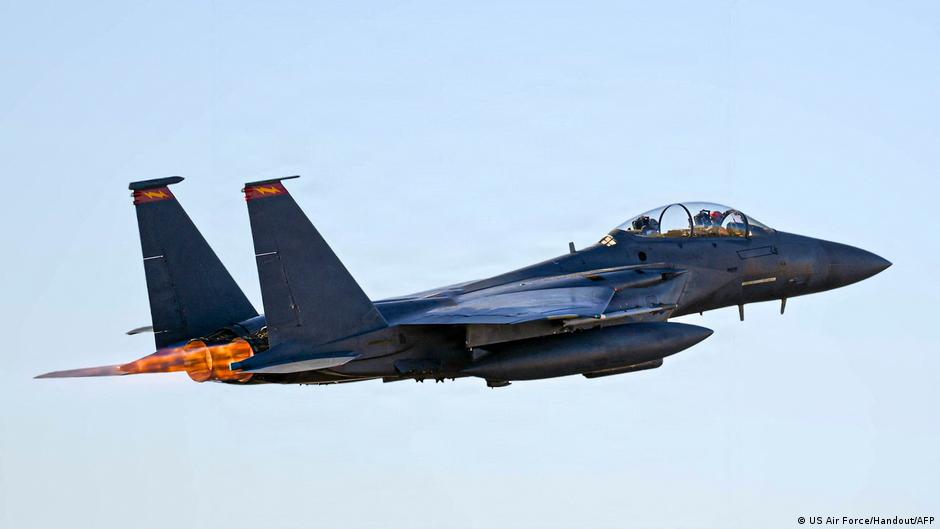
The US plans to cut fighter jets and naval vessels supplied to NATO by about a third, signaling a strategic pivot that impacts defense operations and associated technology sectors.
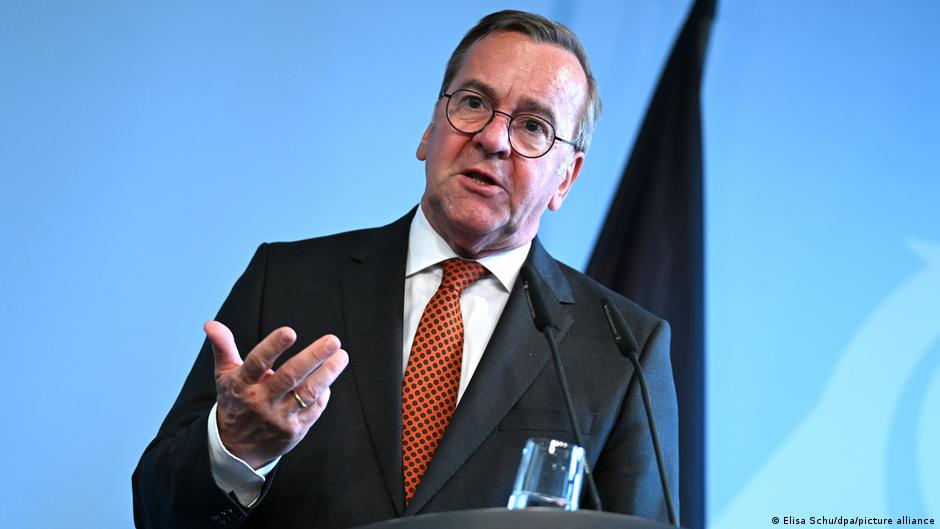
Germany pledges an additional €300 million to support the Czech initiative supplying 50,000 rounds of ammunition to Ukraine amid fewer NATO donors.
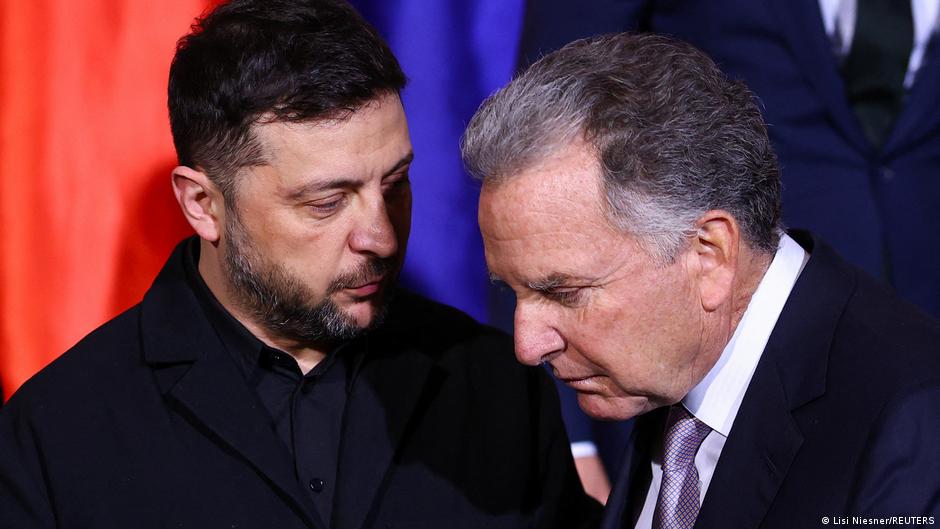
Ukrainian President Zelensky held a positive discussion with US envoys, signaling intensified diplomatic efforts to end the Russia-Ukraine war amid broader economic and security implications.
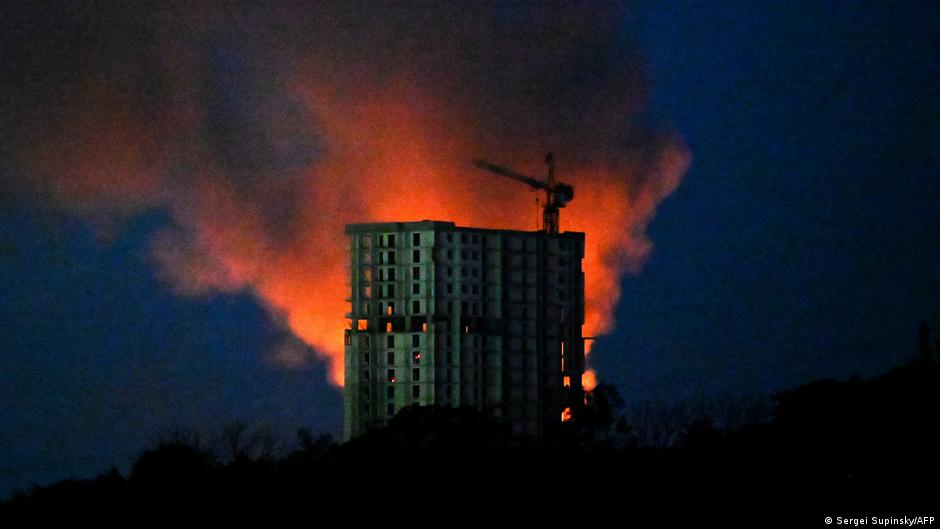
Russian drone attacks over Kyiv and eastern Ukraine raise alarm over impacts on fintech, digital banking, and cybersecurity amidst ongoing conflict.

US Central Command intercepted four Iranian drones targeting the Strait of Hormuz, highlighting risks to maritime security and the technological dynamics shaping regional conflicts.
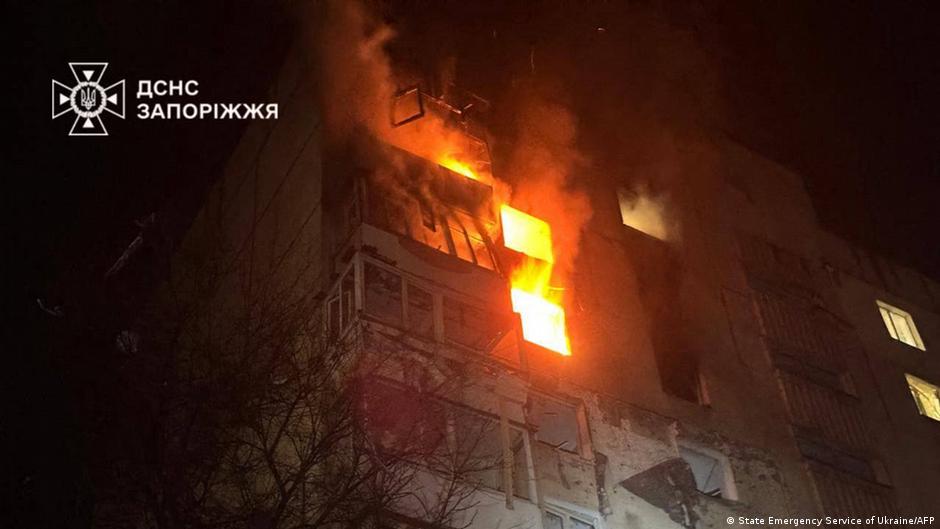
Russian drone strikes on Ukrainian cities Zaporizhzhia and Konotop cause civilian casualties and damage infrastructure, highlighting cybersecurity risks for digital economy and fintech sectors.
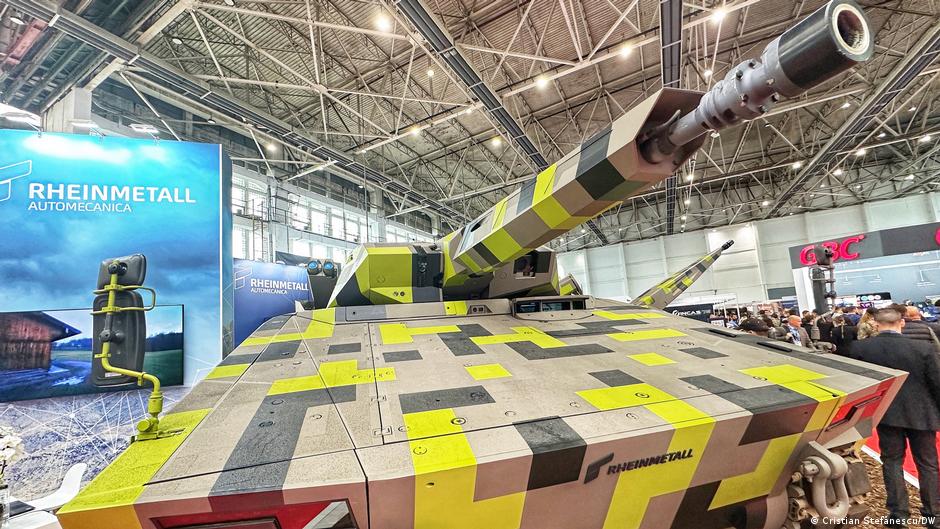
Rheinmetall's €5.7B contract with Romania, funded by the EU's SAFE defense fund, advances defense tech, local production, and digital finance integration in European security.

Russia and the Taliban have signed a military-technical cooperation agreement, potentially enabling arms and technology transfers and influencing regional security and digital infrastructure.
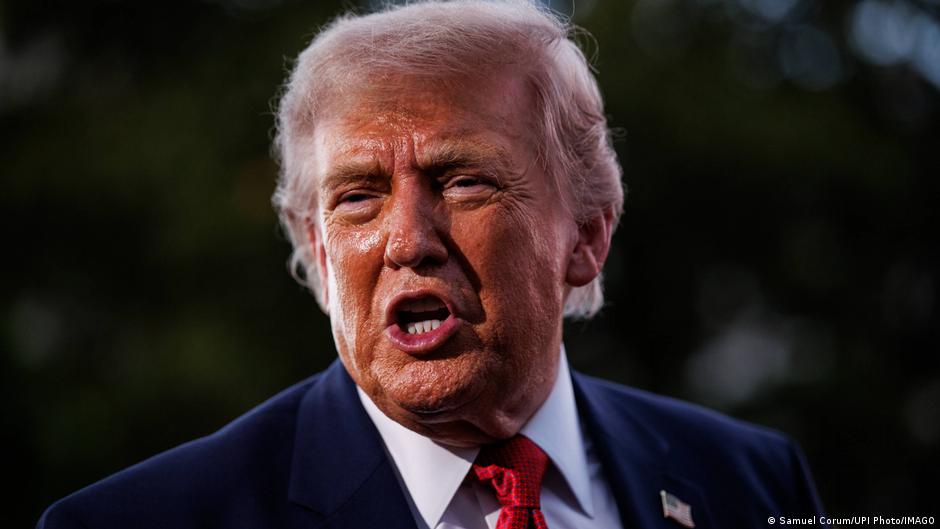
President Trump announces deployment of 5,000 additional US troops to Poland, reversing earlier plans and reflecting shifts in US military posture in Europe.
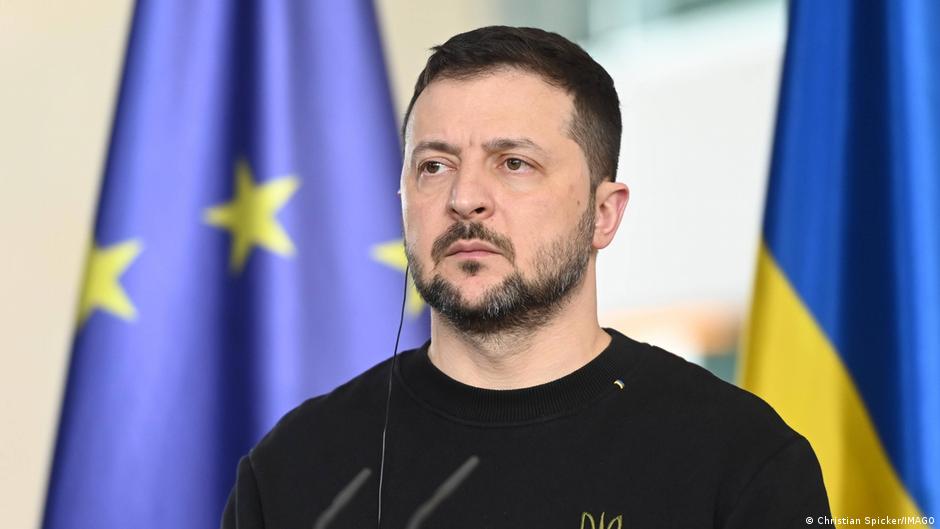
Ukraine and Germany accelerate cooperation on air defense and drone production, including AI-driven technologies, to bolster Kyiv’s protection amid ongoing missile attacks.
Ukraine imposes sanctions on 32 Russian firms and 34 individuals tied to military production, extending measures to curb Russia's defense supply chains and financial networks.
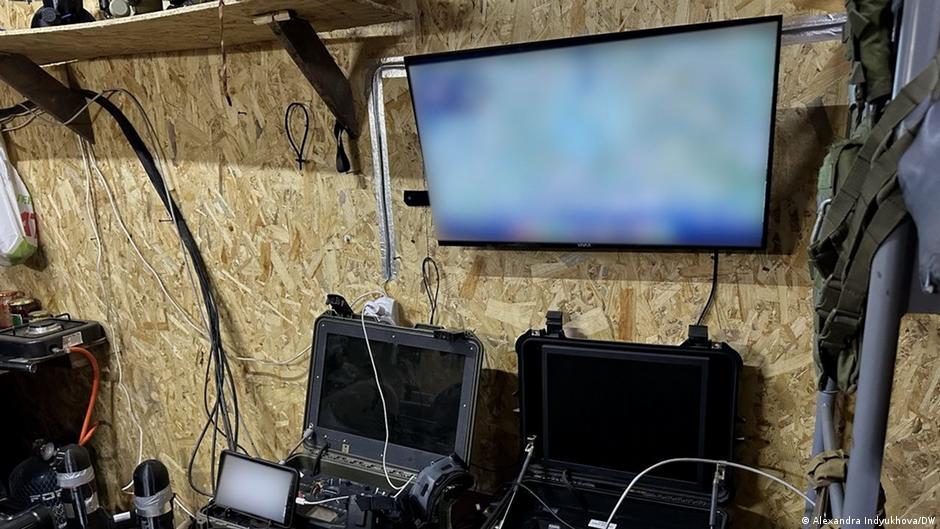
Ukraine offers NATO advanced long-range drones and missile systems to fill strategic gaps following shifts in missile deployments, deepening defense tech collaboration with Germany.