US Army Secretary Resigns Amid Pentagon Rift, Raising Questions for Defense Tech
Daniel Driscoll's reported resignation adds uncertainty around Pentagon procurement, cybersecurity priorities and defense-tech market signals.

Daniel Driscoll's reported resignation adds uncertainty around Pentagon procurement, cybersecurity priorities and defense-tech market signals.

Russia's covert sabotage campaigns on European defense plants involve criminal groups paid via cryptocurrency, challenging NATO's cybersecurity and response strategies.

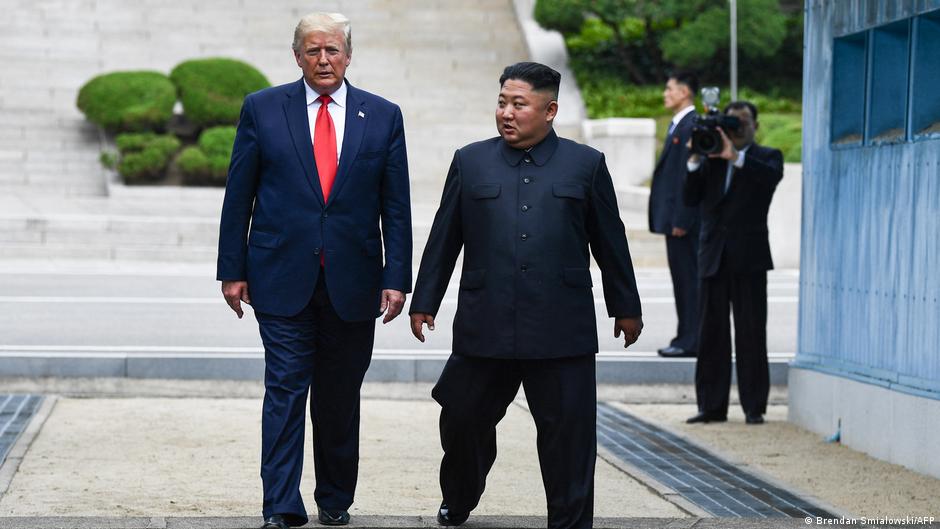
US President Trump plans a meeting with North Korea's Kim Jong Un this fall to restart nuclear talks amid growing concerns over Pyongyang's expanding arsenal.

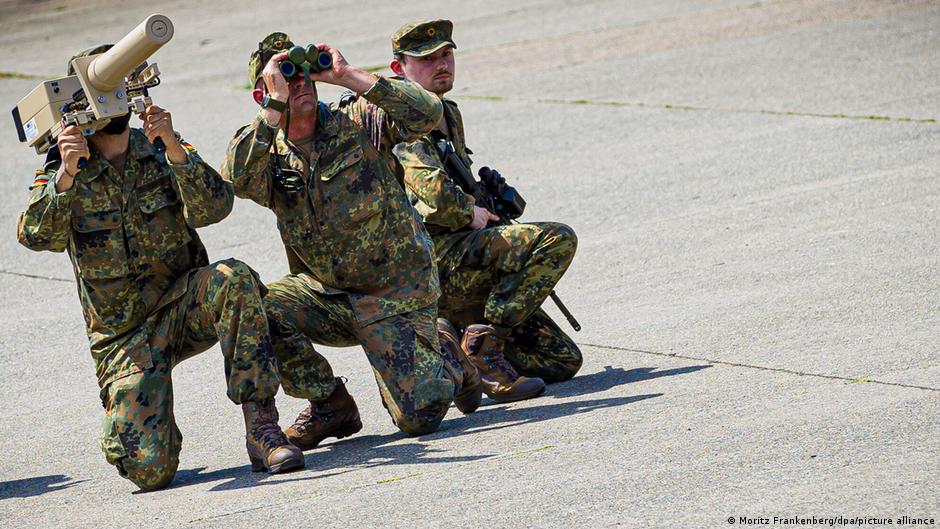
Germany reports a surge in drone activity near military bases, prompting new research and counter-UAV tech initiatives to address evolving hybrid security threats.

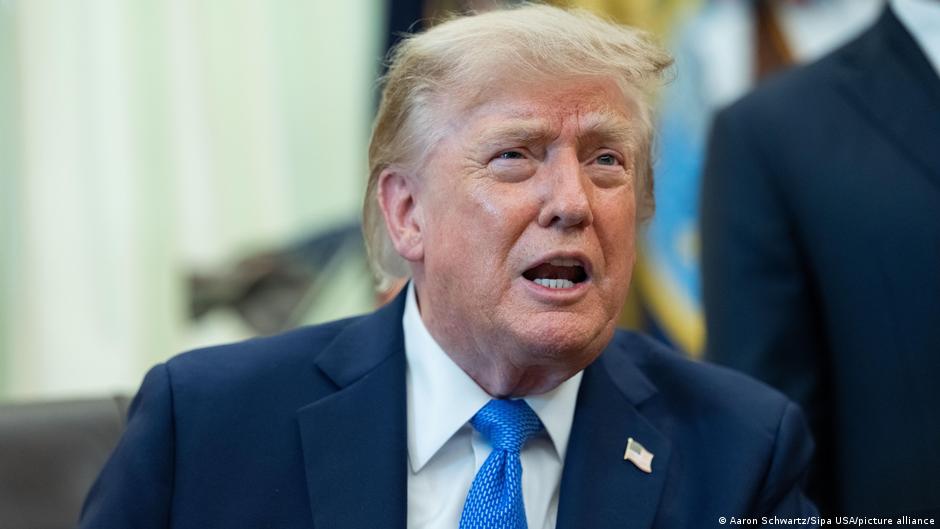
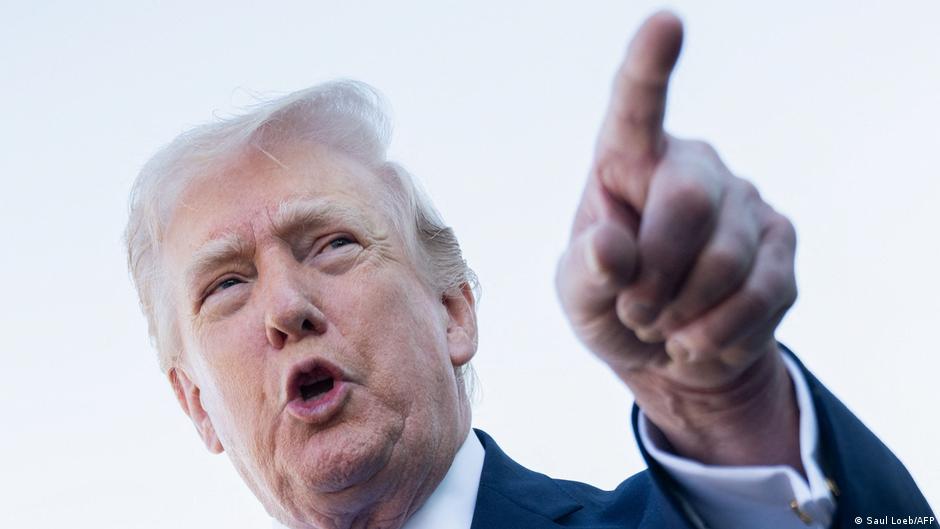
Former President Donald Trump criticizes the Biden administration for depleting US missile stockpiles due to aid to Ukraine, stressing the need to prioritize domestic military readiness.

NATO considers deploying tactical nuclear weapons in Finland, Poland, and Lithuania, raising security and digital economy concerns amid Russian threats.

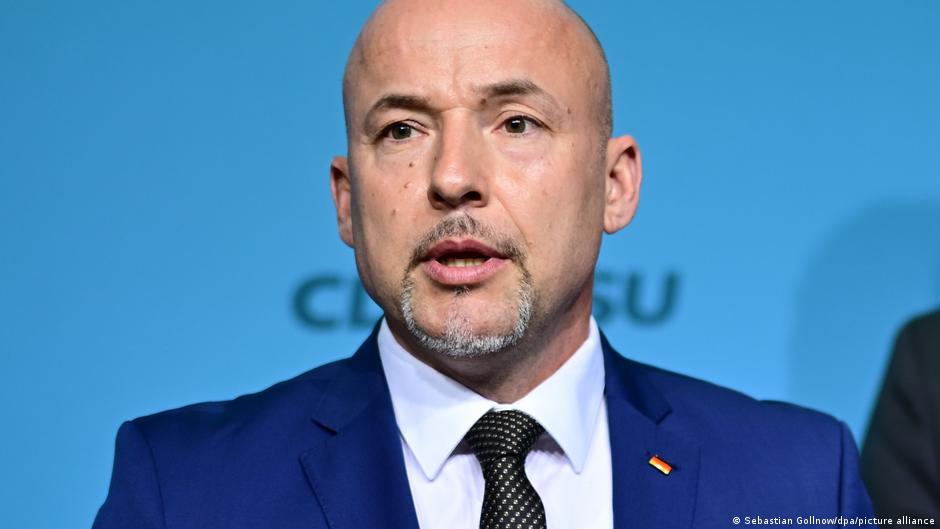
German politician Alexander Hoffmann urges Ukraine to share advanced drone technologies to enhance Germany's defense capabilities through a formal government agreement.

The EU has summoned the Russian envoy after missile strikes on a Kyiv arms exhibition and Latvian consulate, highlighting growing concerns over drone warfare and digital defense technologies.

The US begins delivering a $100 million humanitarian aid package to Cuba amid sanctions and military tension, impacting digital payments and financial sectors.

US military deaths in the Iran conflict have reached 17, intensifying geopolitical risks that impact fintech, digital payments, crypto markets, and cybersecurity worldwide.

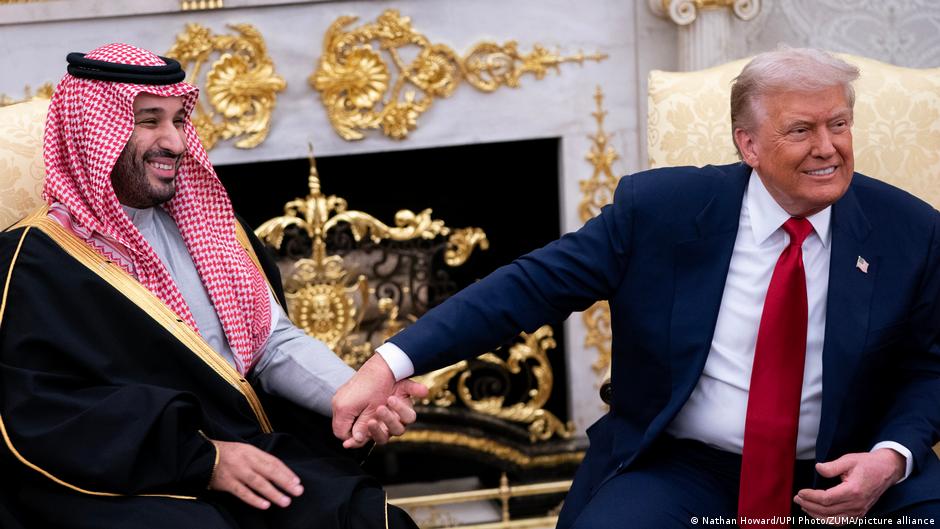
US plans to allow Saudi Arabia uranium enrichment without strict IAEA oversight raise nuclear proliferation risks and impact fintech, cybersecurity, and tech investments.

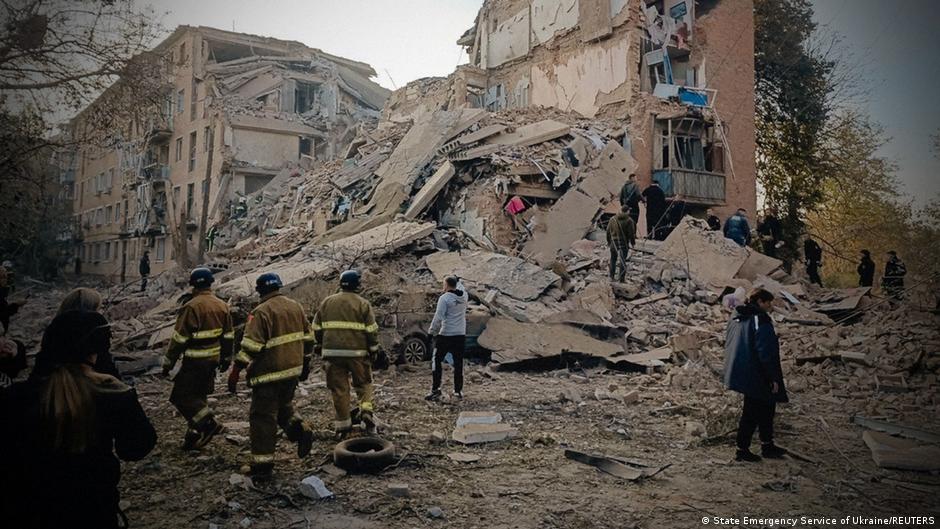
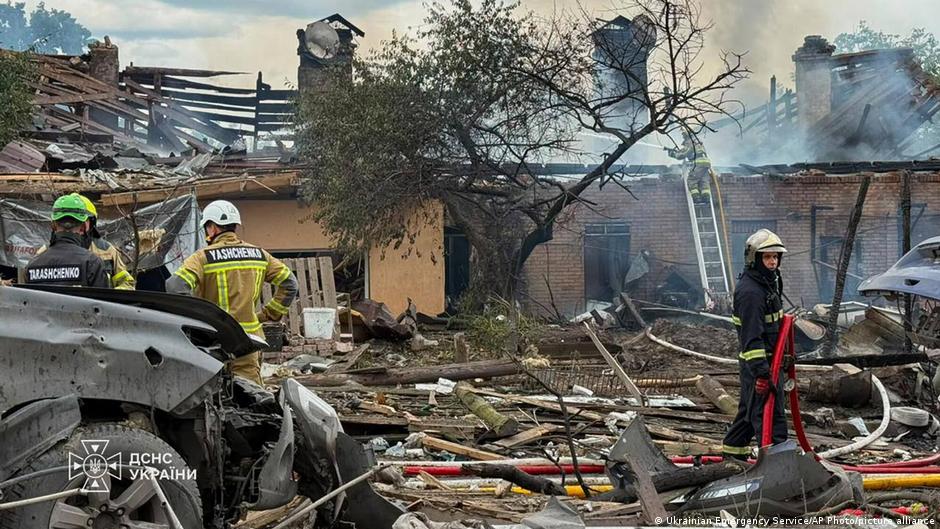
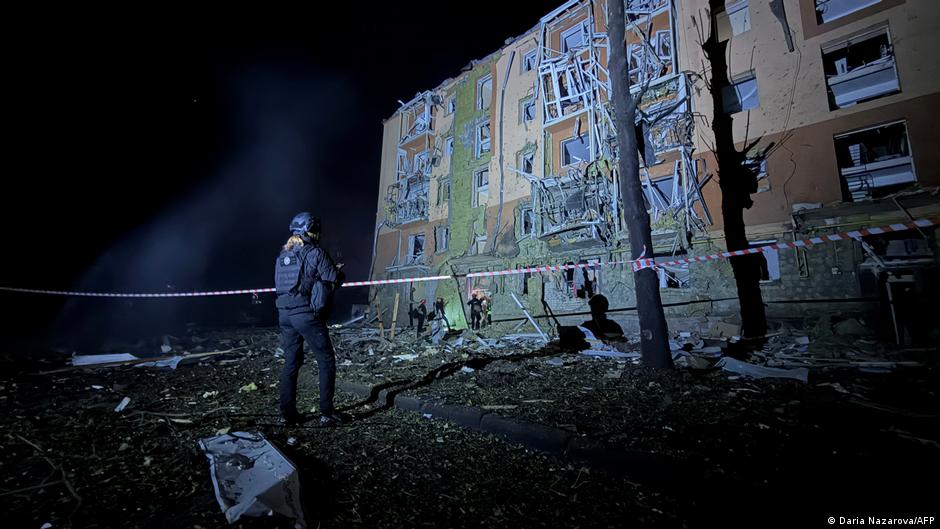
Russian forces struck Izium, Ukraine, using Shahed drones and precision bombs, causing civilian casualties and damaging infrastructure, highlighting risks to digital and economic stability.

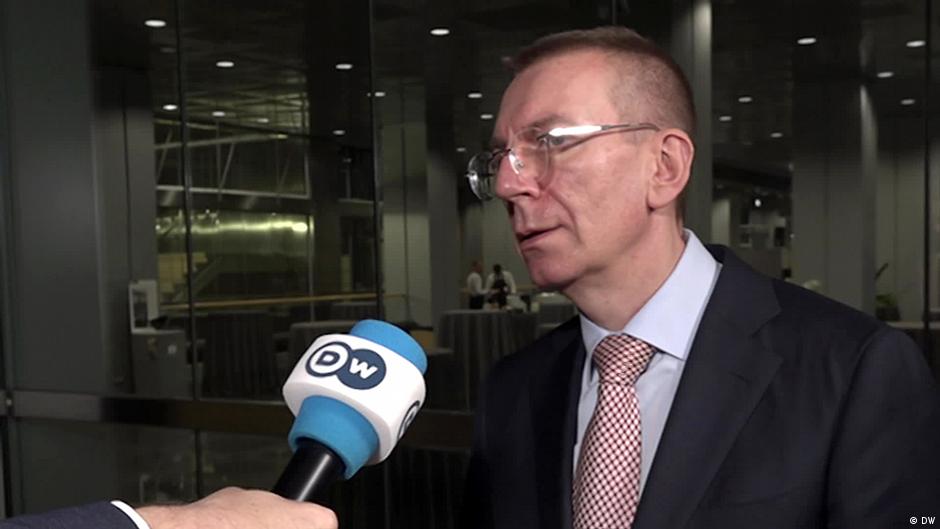
Latvian President Edgars Rinkēvičs urges NATO to prepare for possible escalation with Russia, highlighting the need for stronger military capabilities and US partnership.

Finland has repealed its ban on importing nuclear weapons, a move that carries significant implications for national security and the fintech sector’s cybersecurity and digital payment systems.

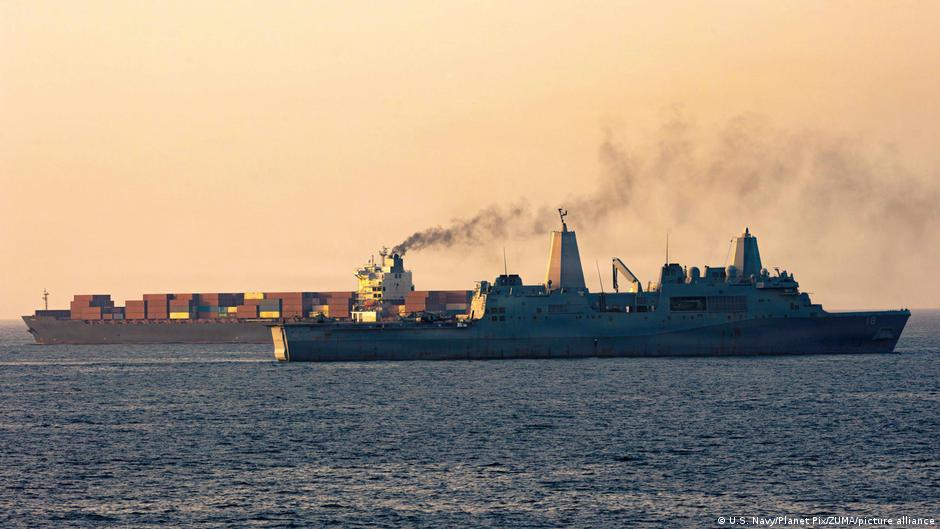
The US has lifted its naval blockade of the Strait of Hormuz, enabling record oil shipments and initiating a 60-day negotiation period with Iran to finalize a peace deal.

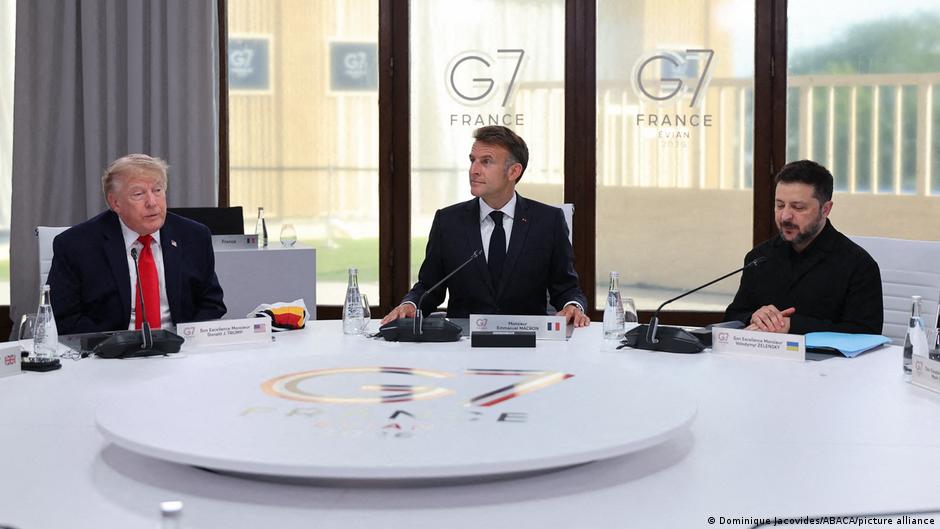
The G7 summit concluded with commitments to new sanctions on Russia's oil and gas sectors and expanded military aid to Ukraine, including advanced weaponry and energy support.

France, Germany, UK, and Italy endorse the US-Iran peace deal, stressing rapid implementation, nuclear non-proliferation, and restoring fuel supply through the Strait of Hormuz.

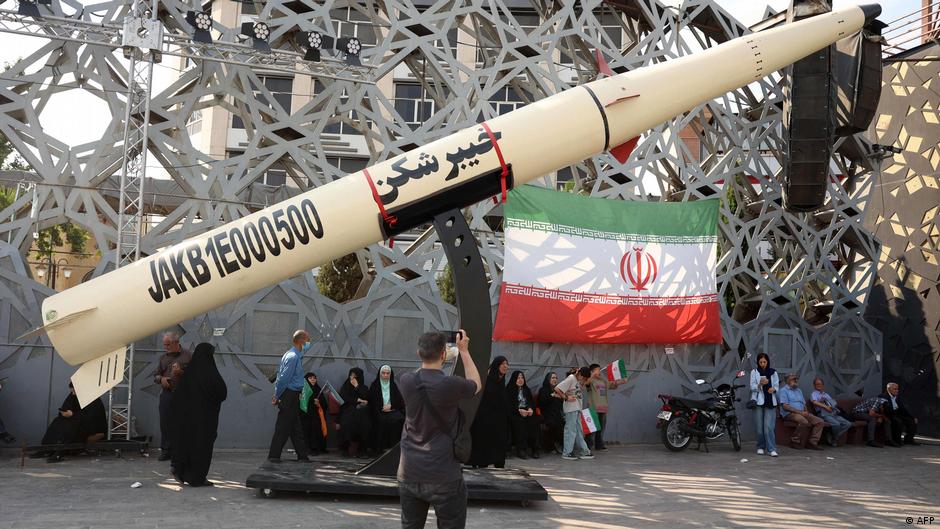
Iran has replenished its missile arsenal to three-quarters of pre-conflict levels, likely aided by Russian weapons transfers during a truce with the US, impacting regional security and energy markets.

Trump cancels planned US strikes on Iran amid diplomatic progress, impacting energy flows, cybersecurity risks, and fintech markets in the Middle East.

The US disabled a Gambian-flagged vessel heading to Iran after repeated warnings amid ongoing blockade enforcement in the Strait of Hormuz, affecting regional trade and digital finance.

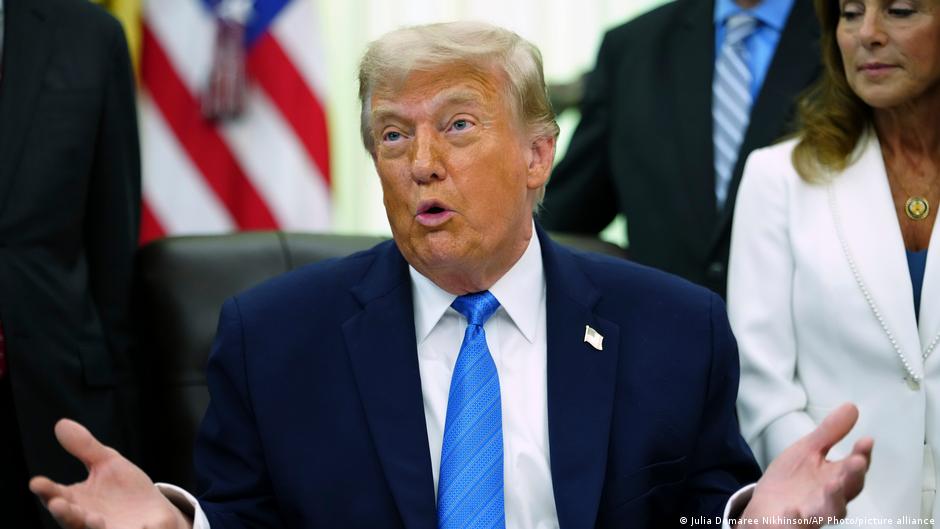
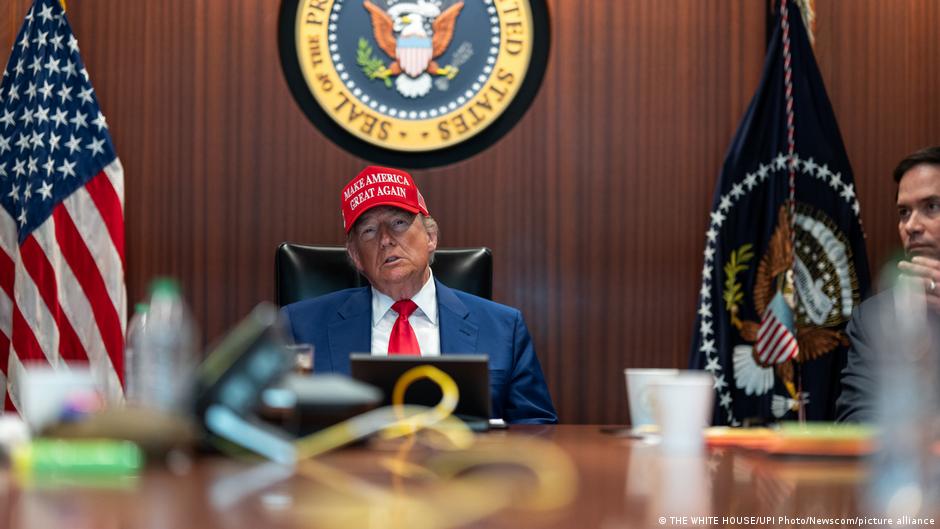
President Trump demands strict adherence to US 'red lines' in Iran nuclear talks, influencing fintech markets, cybersecurity, and global digital banking scenarios.

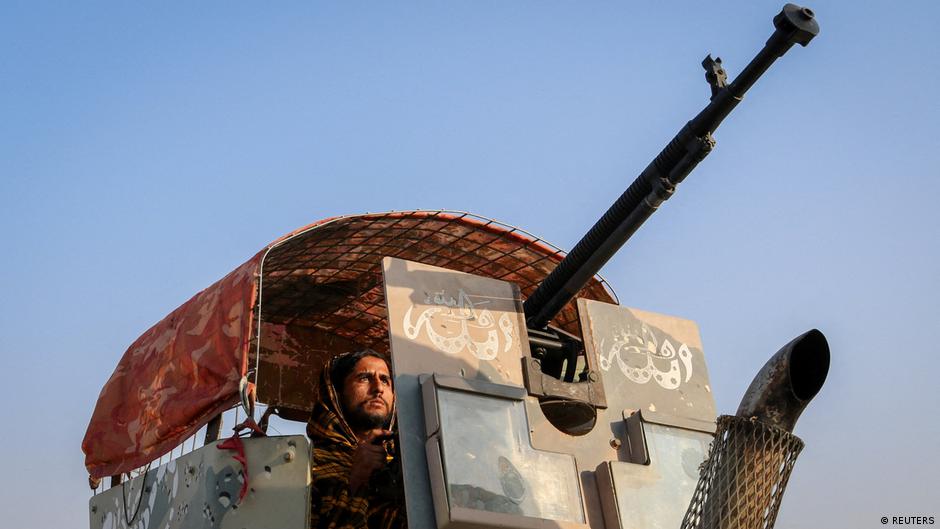
Russia and the Taliban have signed a military-technical cooperation agreement, potentially enabling arms and technology transfers and influencing regional security and digital infrastructure.

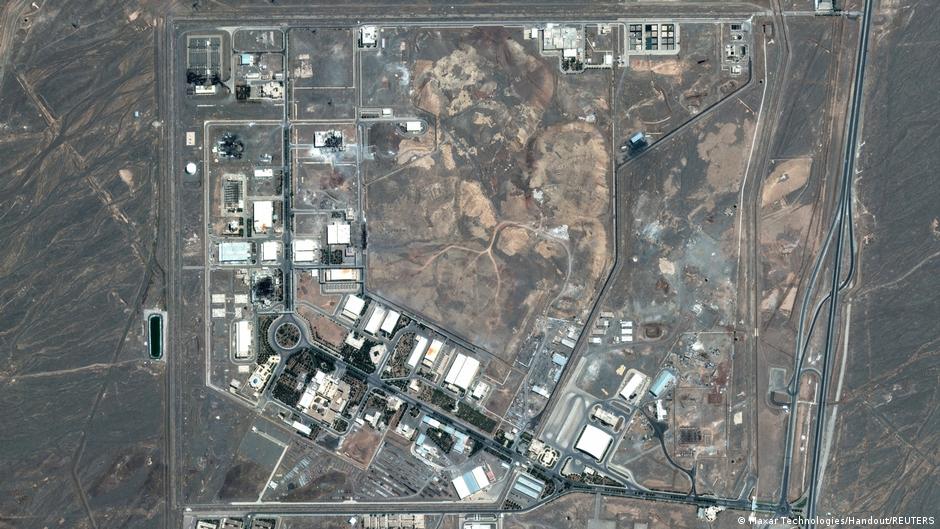
Trump's statement on Iran's uranium stocks underscores geopolitical risks impacting fintech, digital banking, and cybersecurity amid escalating tensions.

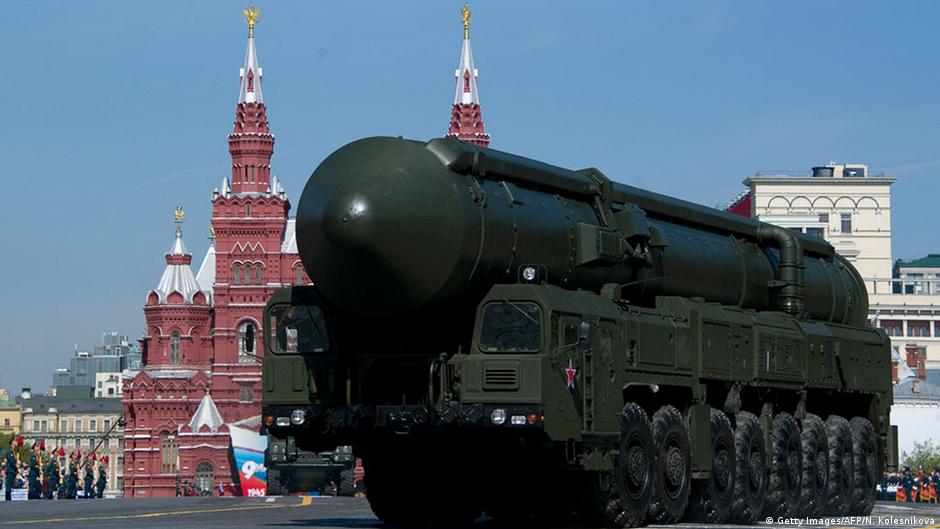
NATO intelligence reveals Russia's secret 'Skif' project to deploy nuclear-capable ballistic missiles on the sea floor, posing new strategic and security challenges.

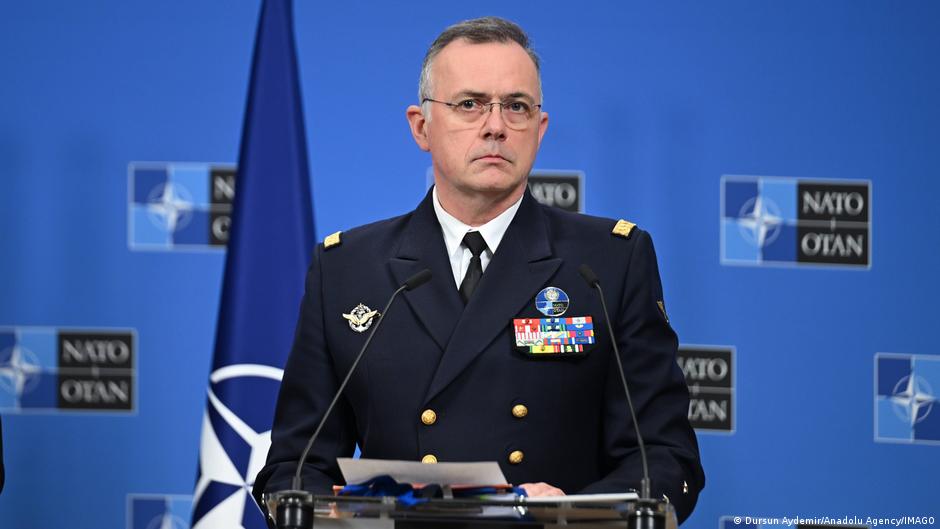
NATO confirms ongoing delivery of US air defense missiles to Ukraine under the PURL program, strengthening Ukraine's defense and European security amid evolving threats.

Donald Trump postponed a planned May 19 military strike on Iran after Gulf leaders intervened, as serious negotiations aim to prevent conflict and impact fintech sectors.

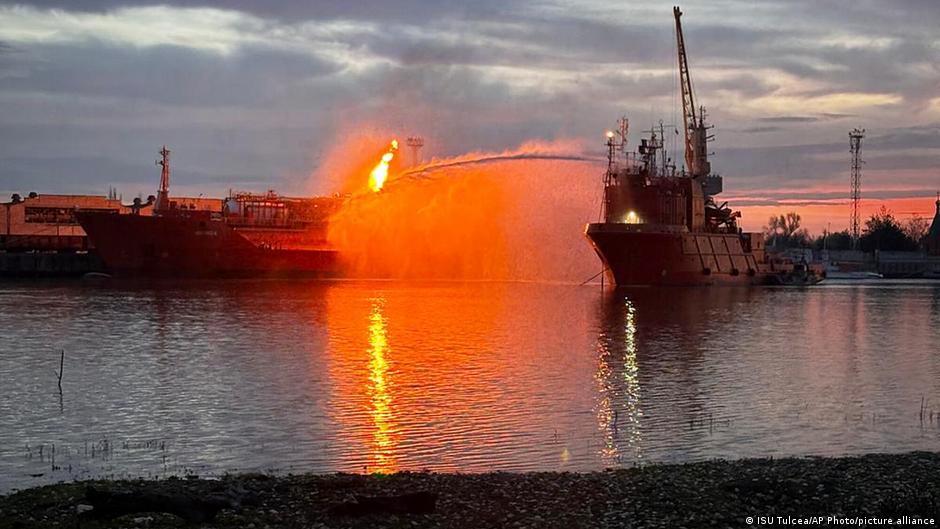
Russian missile and drone strikes damage Ukrainian port and energy infrastructure, with growing use of UAVs signaling new challenges for digital economy and cybersecurity.

Ukraine and Germany accelerate cooperation on air defense and drone production, including AI-driven technologies, to bolster Kyiv’s protection amid ongoing missile attacks.

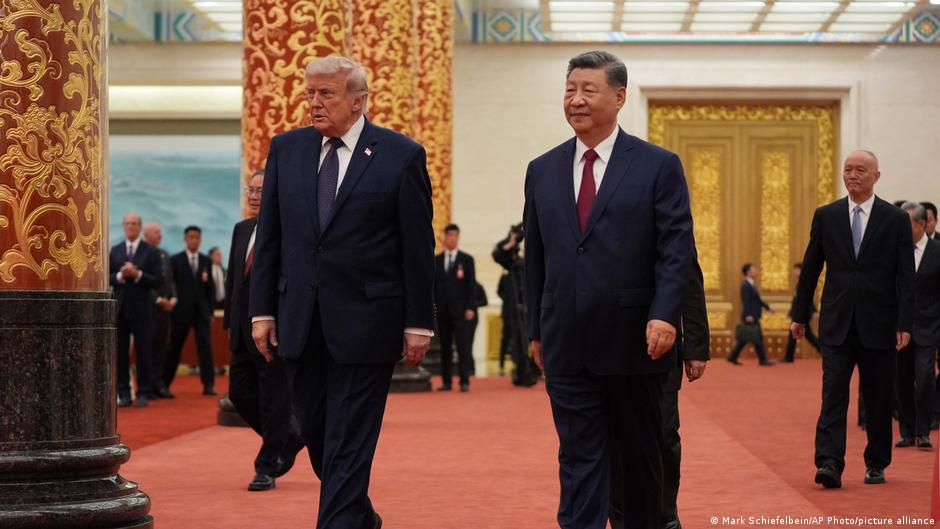
Donald Trump reveals China’s interest in US oil and soybean purchases, signaling shifts in trade relations with implications for energy, commodities, and fintech sectors.

U.S. intelligence reveals Iran retains about 70% of its missile arsenal and launchers despite strikes, raising concerns over regional security and military supply constraints.

Ukraine offers NATO advanced long-range drones and missile systems to fill strategic gaps following shifts in missile deployments, deepening defense tech collaboration with Germany.

The potential relocation of US troops from Germany to Poland may accelerate digital defense investments and impact cybersecurity and fintech sectors in Eastern Europe.

US-Iran talks near a breakthrough could ease sanctions and open new opportunities in digital payments, fintech, and cybersecurity sectors.

Germany accelerates its own long-range missile development after US declines Tomahawk deployment, aiming to counter Russian Iskander threats and strengthen European defense.

US warns European allies of significant delays in missile system ammunition shipments due to urgent replenishment amid conflict with Iran, impacting defense supply chains and allied readiness.

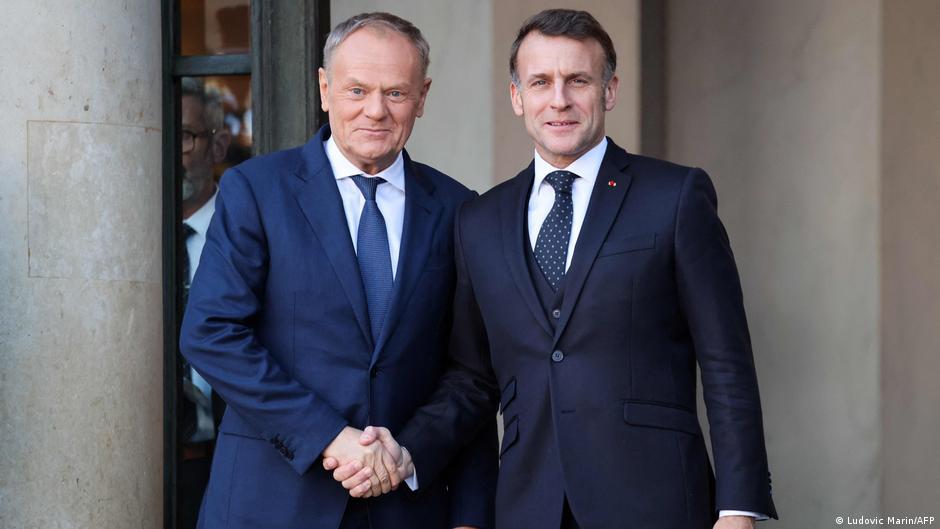
France and Poland are jointly developing a military satellite to provide secure communications for Poland's armed forces, reducing reliance on external systems like Starlink.

Germany authorized millions in arms exports to Israel during its conflict with Iran, raising issues around export restrictions and implications for defense and fintech sectors.

The Trump administration wants GM, Ford and other manufacturers to help produce weapons, echoing WWII-era industrial mobilization.