Uzbekistan ID Card Fees Raise Questions Over Cost of Digital Access
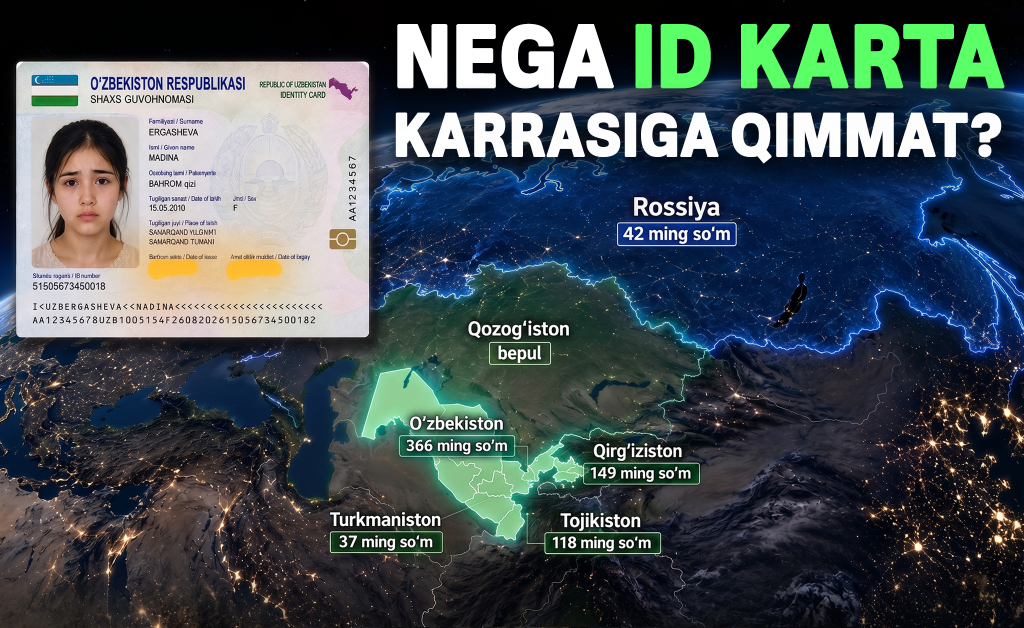
A debate over the cost of a first ID card in Uzbekistan is focusing attention on affordability, digital access and how regional peers price core identity documents.

A debate over the cost of a first ID card in Uzbekistan is focusing attention on affordability, digital access and how regional peers price core identity documents.

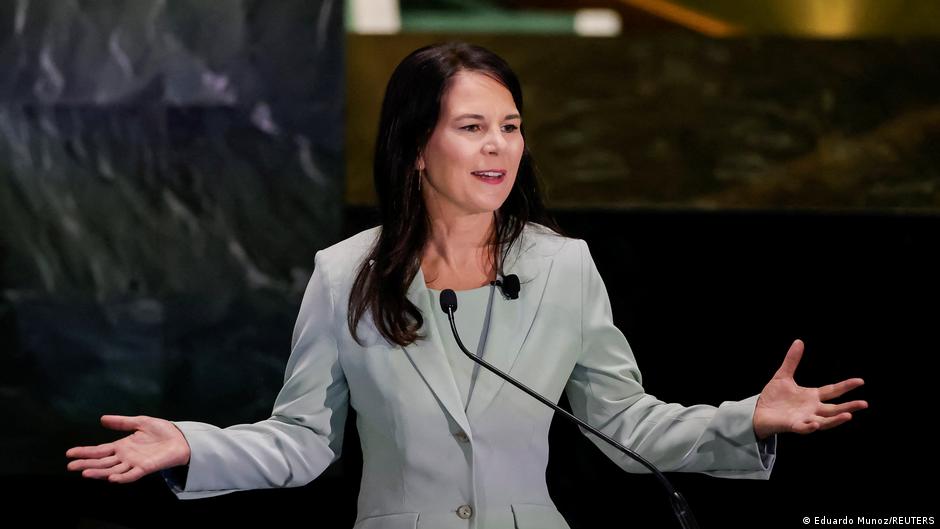
Annalena Baerbock will join Columbia University as co-director of a public administration program after her UN General Assembly chairmanship ends in 2024.

The EU pledges sustained support for Ukraine, emphasizing sanctions on Russia and prospects for Ukraine's EU integration, with implications for fintech and digital economy sectors.

Nearly 100 people were detained at an informal music festival near Vyborg over pro-Ukraine songs and calls for regime change, as Russian authorities intensified digital surveillance efforts.

Russia updates regulations to allow people without limbs to drive buses and trucks, leveraging automation to enhance inclusivity for veterans and others with disabilities.

Latvia has published a list of 170 companies maintaining trade with Russia and Belarus despite the Ukraine war, impacting transparency and digital economy sectors.

Serbia will hold early parliamentary elections in October 2023 amid widespread protests demanding government accountability and anti-corruption measures.

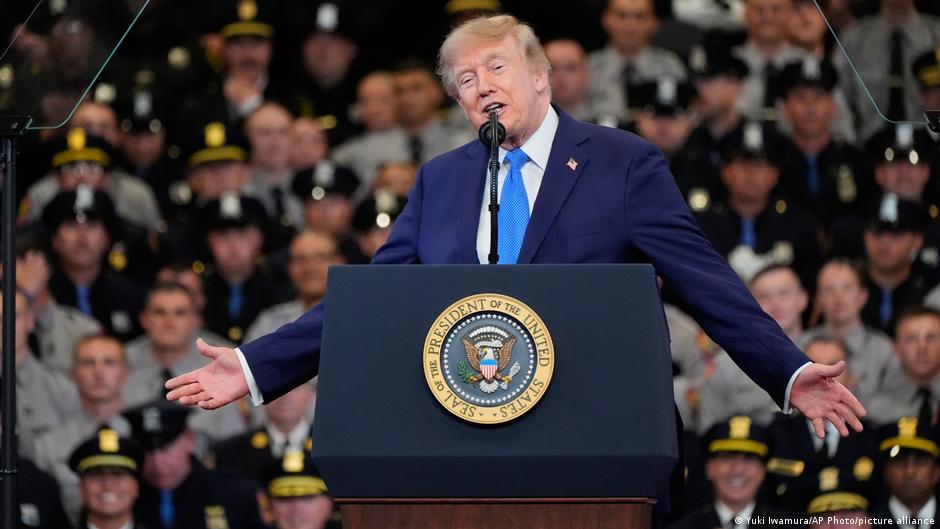
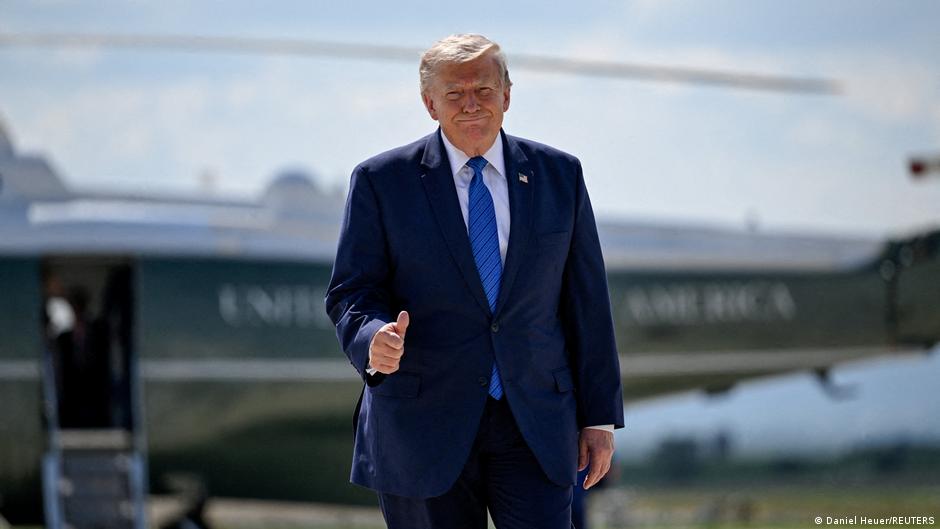
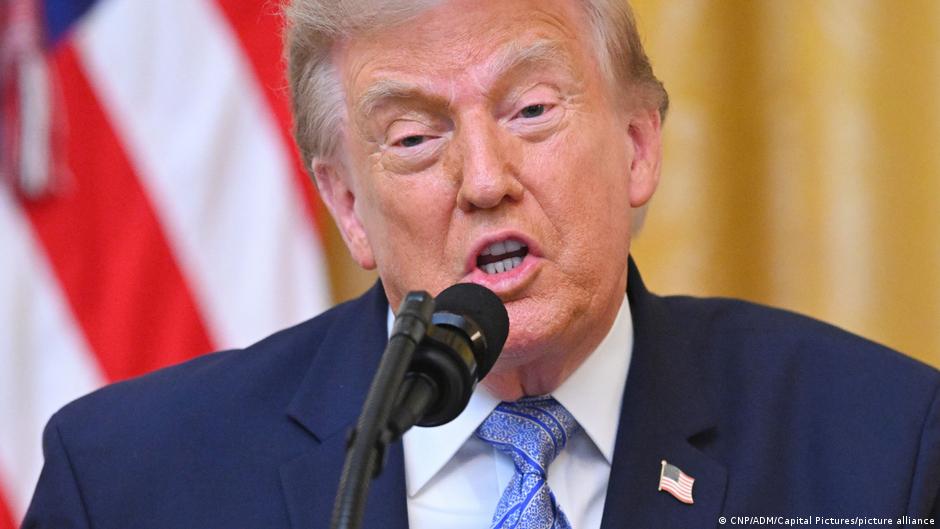
President Trump announced sweeping economic sanctions against Iran, threatening countries that do business with Tehran, impacting global trade, fintech, and digital payments.

US-Iran conflict over the Strait of Hormuz threatens oil trade routes and digital payment systems, with Oman caught in diplomatic crossfire amid escalating military tensions.

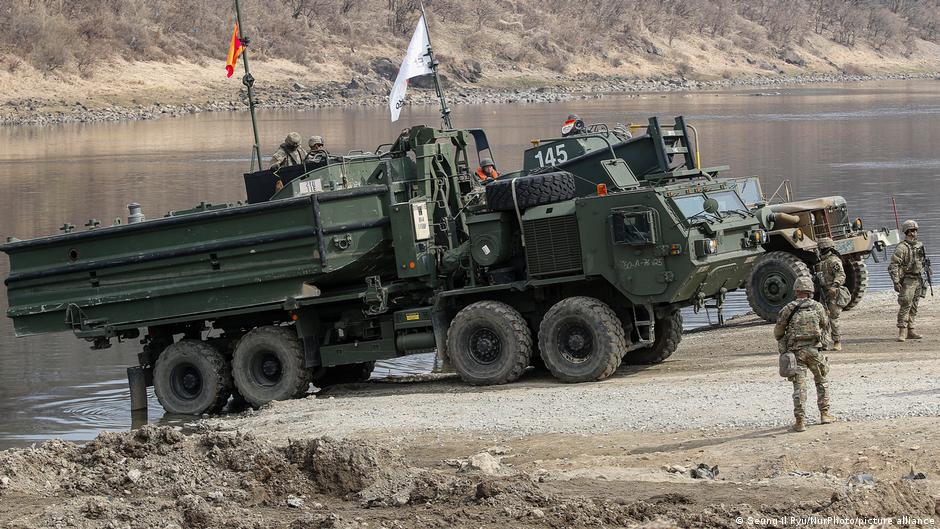
The US will reduce joint military exercises with South Korea, citing costs and diplomacy with North Korea, impacting regional stability vital to fintech and cybersecurity sectors.

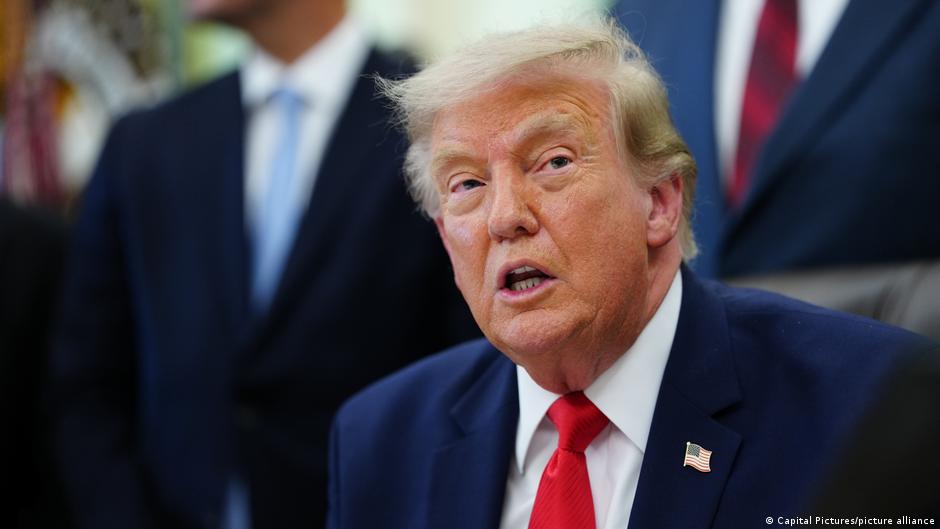
President Trump plans to declare the Strait of Hormuz U.S. territory, affecting global energy security and digital financial markets amid ongoing U.S.-Iran tensions.

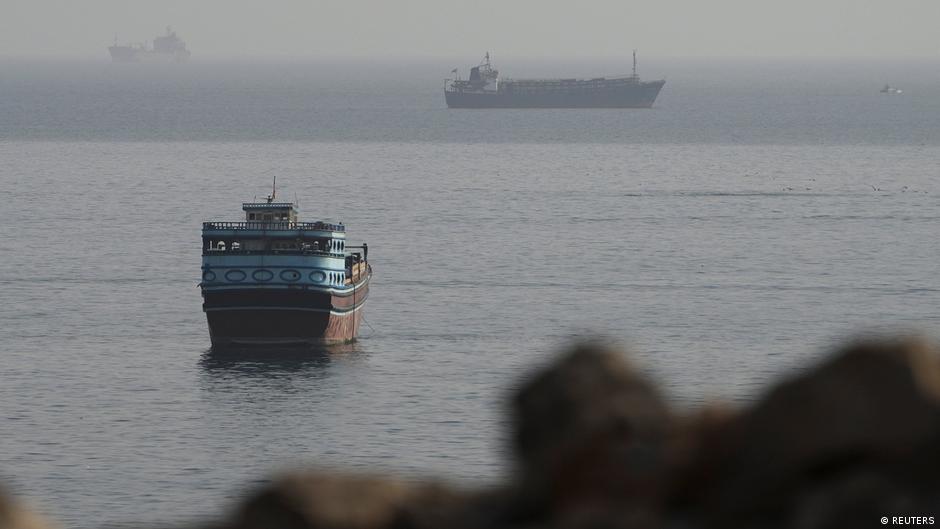
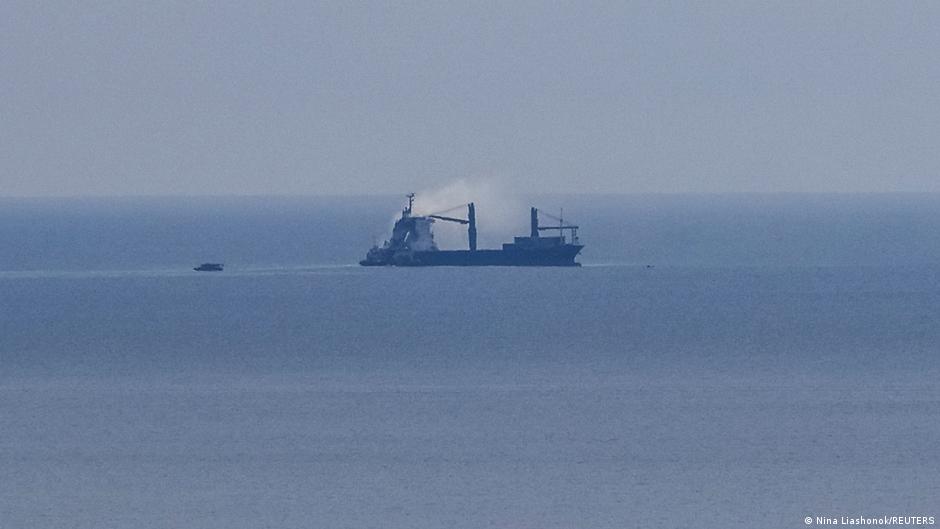
US forces disabled a cargo ship's steering attempting to breach Iran's blockade in the Strait of Hormuz, underscoring US control and geopolitical risks impacting global fintech and trade.

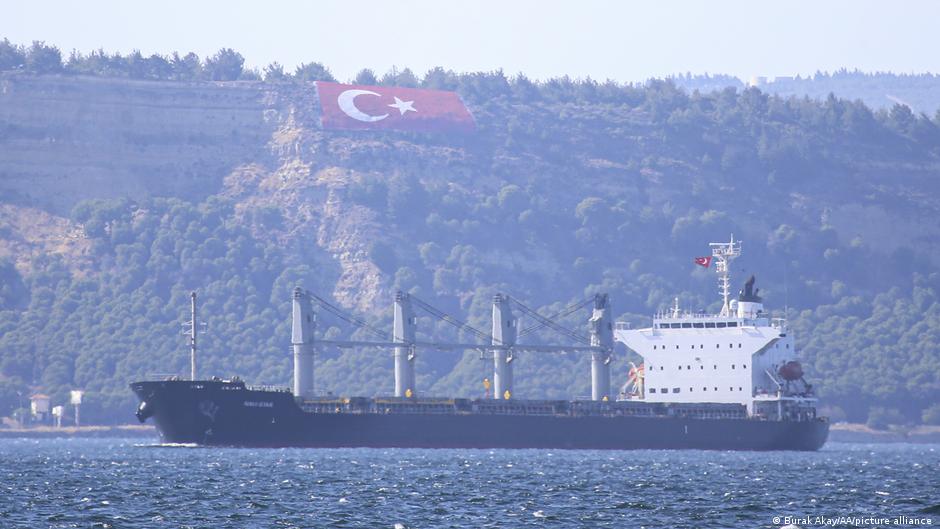
Turkey resumed commercial ship transit through the Dardanelles after restrictions linked to Black Sea conflicts disrupted key maritime trade routes impacting regional and global commerce.

Russia has declared the US-based Human Rights Foundation undesirable, citing its digital projects like the Tyranny Tracker and critical content against Russian authorities.

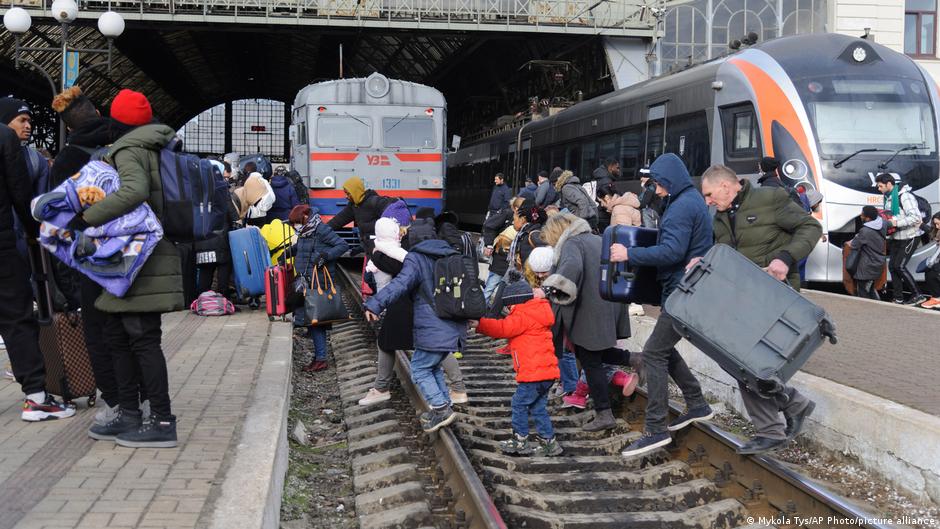
Over 8.4 million Ukrainians live abroad amid conflict, driving demand for fintech services, digital payments, and secure cross-border financial solutions.

US-Iran talks resume August 3 with postponed strikes, impacting fintech, digital banking, and cybersecurity amid ongoing regional tensions.

The US will require visa bonds up to $20,000 from citizens of 50 countries to reduce visa misuse, impacting international payments and fintech solutions for cross-border travel.

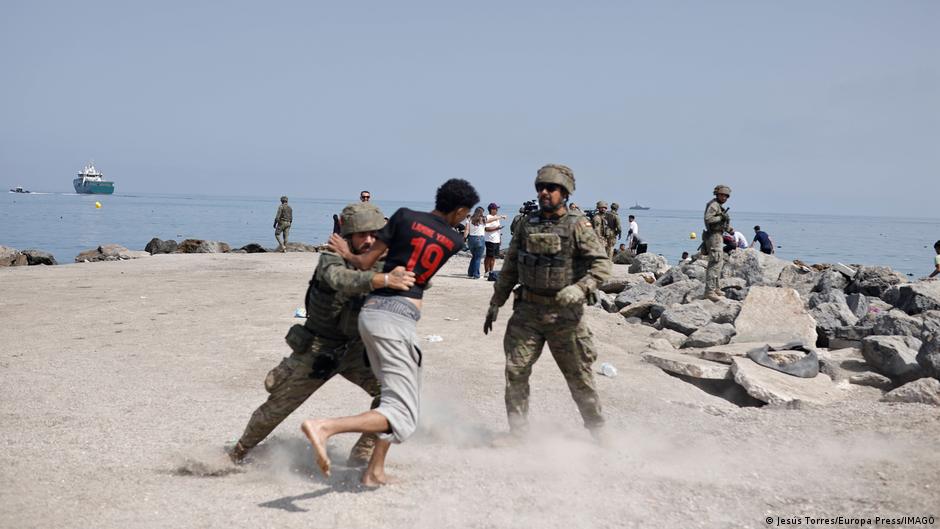
An influx of nearly 60,000 migrants into the Spanish exclave Ceuta has triggered security measures, protests, and regional border suspensions, raising concerns for fintech, digital payments, and cybersecurity sectors.

Humo payment system’s net profit surged over threefold to 410.9 billion UZS in H1 2026, driven by strong revenue growth despite the loss of tax incentives.

Uzbekistan offers subsidies covering up to 50% of costs for modern swimming pool projects, promoting tourism, sports infrastructure, and fintech integration in payments and digital services.

The US announces a historic agreement with Hamas for full disarmament, marking a key step toward peace and potential growth in the region's digital economy and fintech sectors.

President Zelensky visits Washington where the US Senate will vote on new sanctions against Russia, underscoring rising geopolitical tensions impacting fintech and global payments.

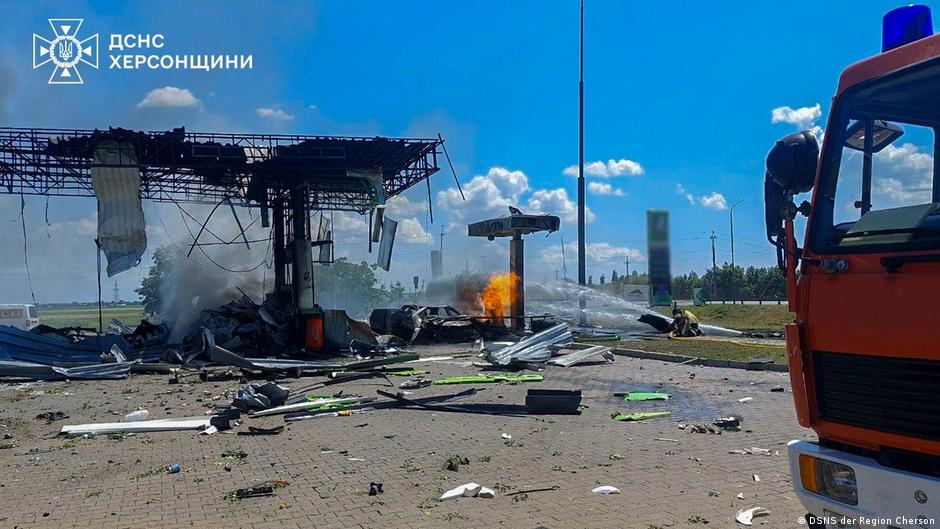
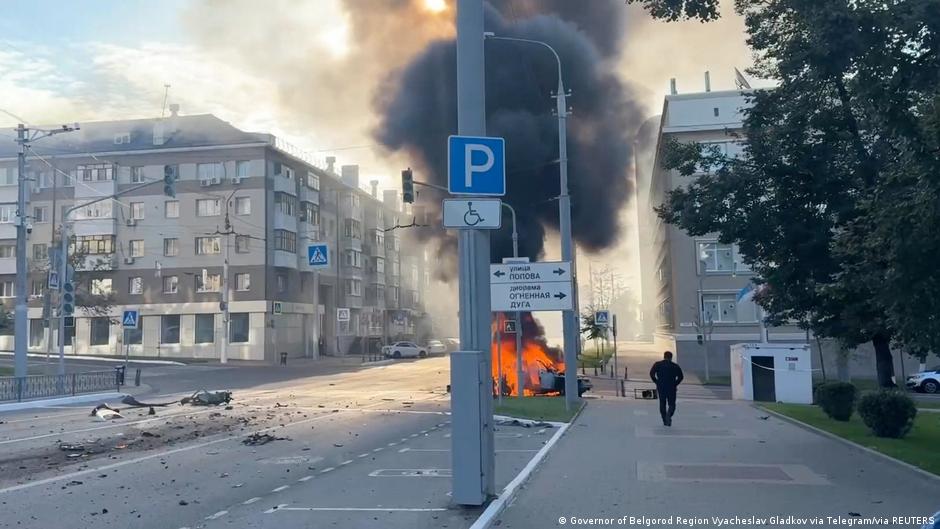
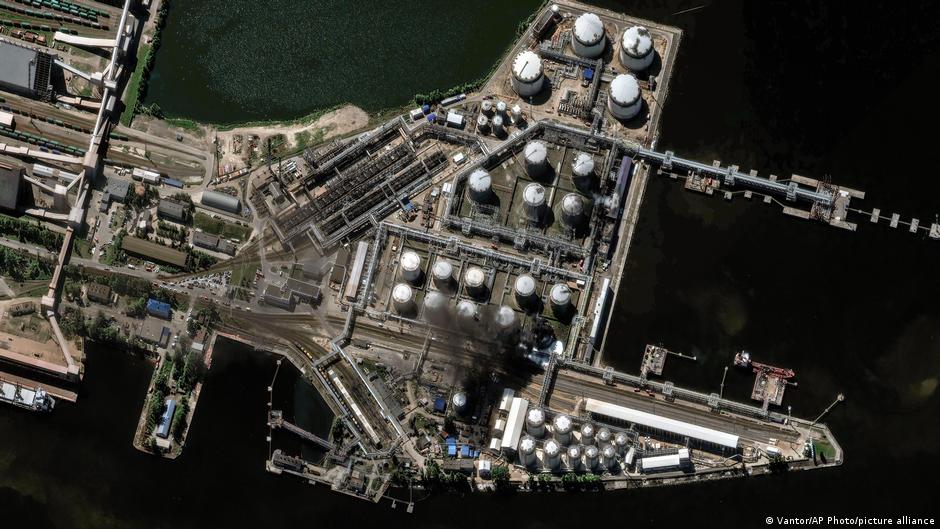
Recent drone attacks in Russian and Ukrainian regions expose vulnerabilities in digital infrastructure, emphasizing cybersecurity and fintech challenges amid conflict.
Montenegro will end visa-free entry for Russian and Belarusian citizens after October 2026, impacting fintech, digital payments, and cross-border economic ties amid EU integration efforts.

Ukraine calls for an emergency UN Security Council session after Russia attacks commercial ships in the Black Sea, threatening global food security and maritime trade.

Iran’s Revolutionary Guard mined and attacked an oil tanker in the Strait of Hormuz, impacting global energy trade and digital financial networks connected to maritime oil shipments.

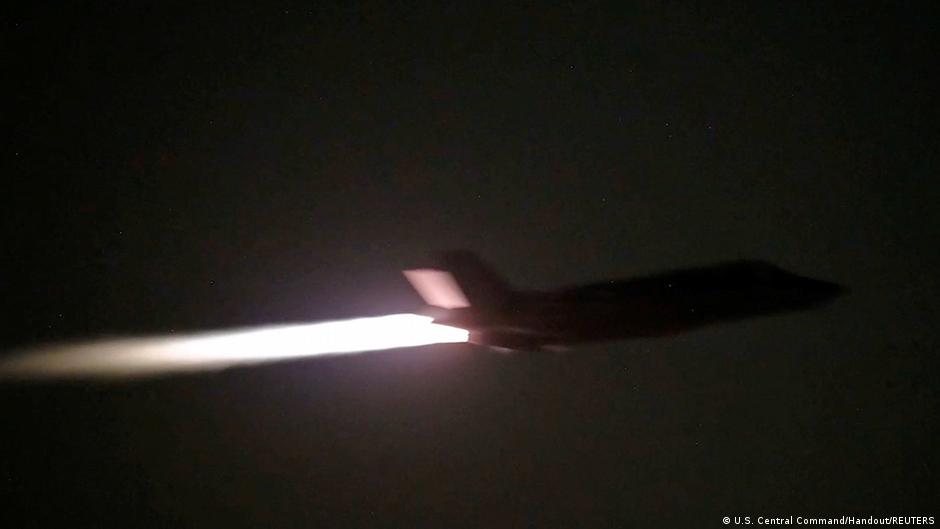
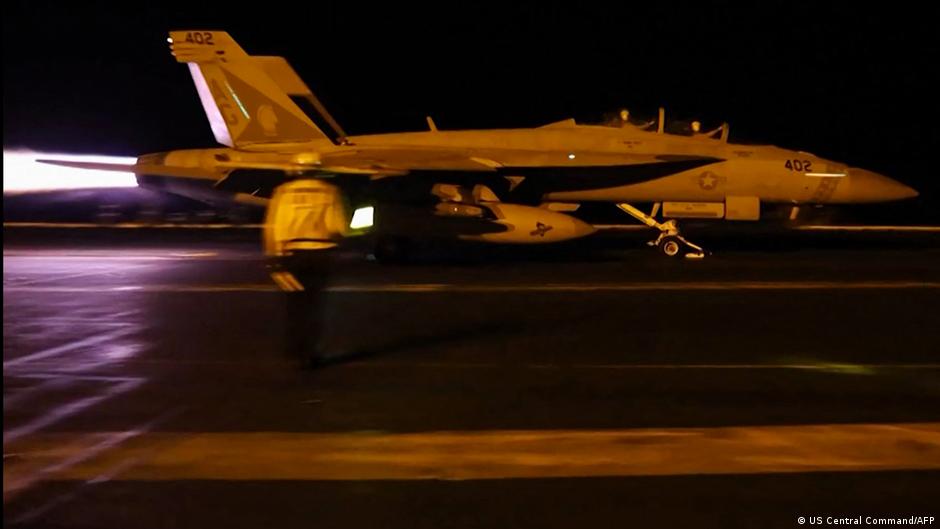
US forces continue 11th night of strikes on Iran, targeting military assets in a bid to secure Strait of Hormuz shipping lanes amid rising regional tensions.

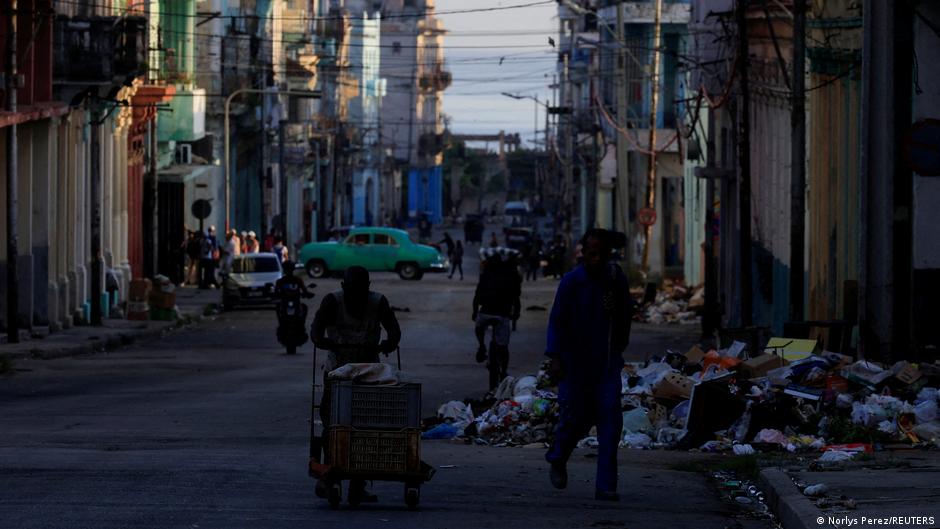
The US begins delivering a $100 million humanitarian aid package to Cuba amid sanctions and military tension, impacting digital payments and financial sectors.

US military strikes on Iran enter tenth day, targeting missile sites and air defenses, escalating regional tensions with implications for global trade, fintech, and cybersecurity.

The US has imposed 50% tariffs on Canadian imports, affecting cross-border trade and potentially disrupting fintech, digital payments, and e-commerce between the two countries.

The IMF has approved a €604 million disbursement to Ukraine following satisfactory progress in its Extended Fund Facility program, supporting economic and digital sector resilience.

US military deaths in the Iran conflict have reached 17, intensifying geopolitical risks that impact fintech, digital payments, crypto markets, and cybersecurity worldwide.

Russian missile strikes on Kyiv caused widespread damage and raised concerns over the resilience of Ukraine's digital banking, fintech, and cybersecurity infrastructure.

US military strikes on Iran escalate tensions, impacting maritime security, digital payments, and fintech sectors amid enforced maritime blockades and retaliatory attacks.

German President Steinmeier urges Europe to uphold international order amidst geopolitical challenges, emphasizing the impact on digital economy, fintech, and cybersecurity.

US military strikes on Iran escalate tensions, closing the Strait of Hormuz and disrupting global oil flows with significant implications for fintech, digital payments, and cybersecurity.

Russia has closed the Azov-Don Canal after Ukrainian drone strikes on vessels, disrupting grain exports and raising concerns for fintech and digital trade sectors.

The death of Iran’s Supreme Leader Ali Khamenei and subsequent regional tensions pose risks to digital banking, payments, and cybersecurity in the Middle East’s fintech sector.

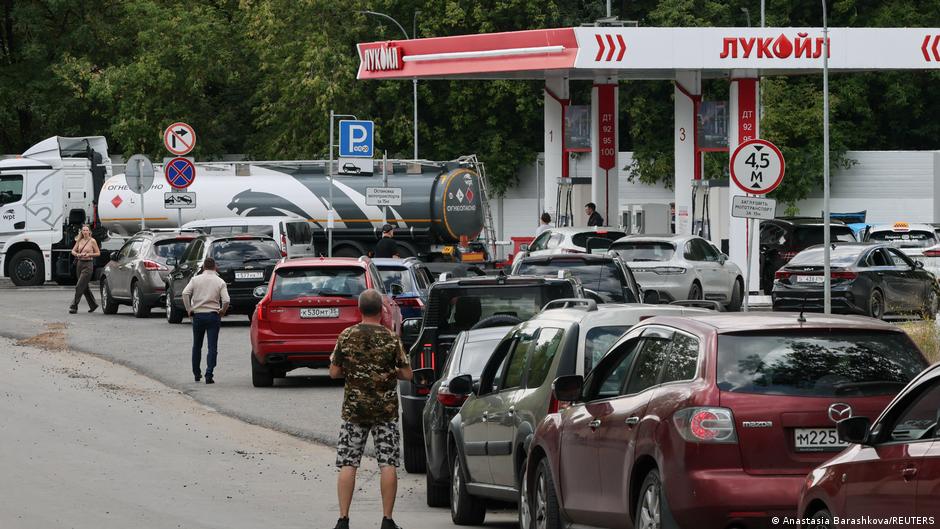
Fuel prices in Crimea nearly doubled in early July amid Russia's export ban on diesel and ongoing supply shortages affecting energy markets and digital payment trends.

The US plans to remove Syria from the terrorism sponsorship list, opening doors for investment and digital economic integration amid new diplomatic ties.

Belarus warns citizens against travel to Russia due to drone attacks near the border, raising safety concerns and impacting digital economy trends in fintech and cybersecurity.

Poland deported 11 individuals linked to Russia-funded protests aimed at influencing Ukrainian refugee communities, highlighting risks in digital payment systems used in geopolitical campaigns.

German and US foreign ministers reaffirm the critical partnership to address global economic instability and strengthen cooperation ahead of key NATO and Mercosur summits.

US air strikes targeted Iranian military sites following drone attacks on commercial tankers in the Strait of Hormuz, raising concerns over cybersecurity and digital trade risks.

France and Italy question the EU's proposed ban on Russian combatants' entry, fearing it may extend to all Russian nationals, complicating fintech compliance amid sanctions.

The US Senate approved a resolution urging troop withdrawal from Iran conflict zones amid peace talks, highlighting potential impacts on sanctions, digital payments, and fintech sectors.

The US has imposed new sanctions on five Cuban state firms controlling 40% of GDP, intensifying economic and legal pressures amid tense bilateral relations.

Germany urges Turkey to exclude Russian gas in future EU energy deals, impacting fintech and digital payments as Turkey aims to become a regional gas hub.

US intelligence warns that Israeli Prime Minister Netanyahu may try to disrupt the US-Iran deal, raising concerns about regional stability and potential impacts on fintech and digital economy sectors.

The EU agrees to extend sanctions on Russia for one year, increasing pressure on energy and finance sectors, with implications for fintech, cybersecurity, and digital payments.