US Signals No Sanctions Relief for Russia Before War Ends, Pressuring Finance
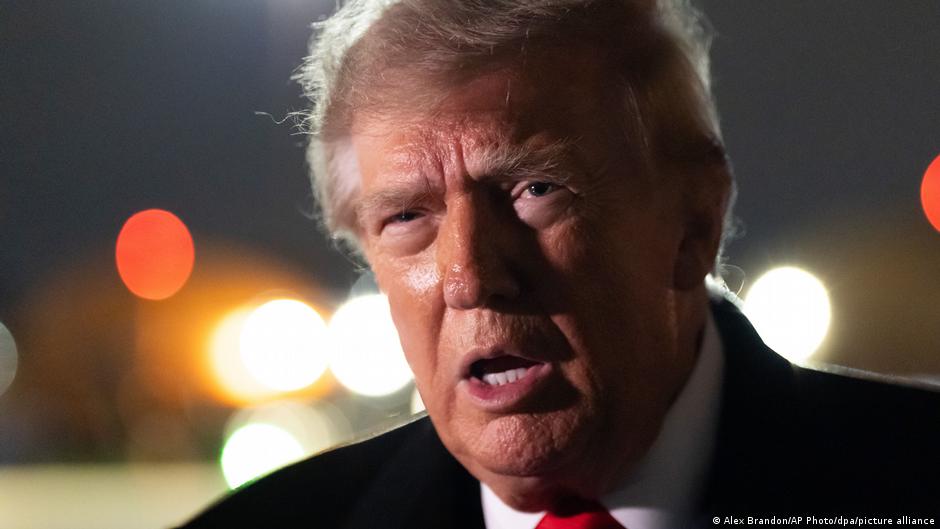
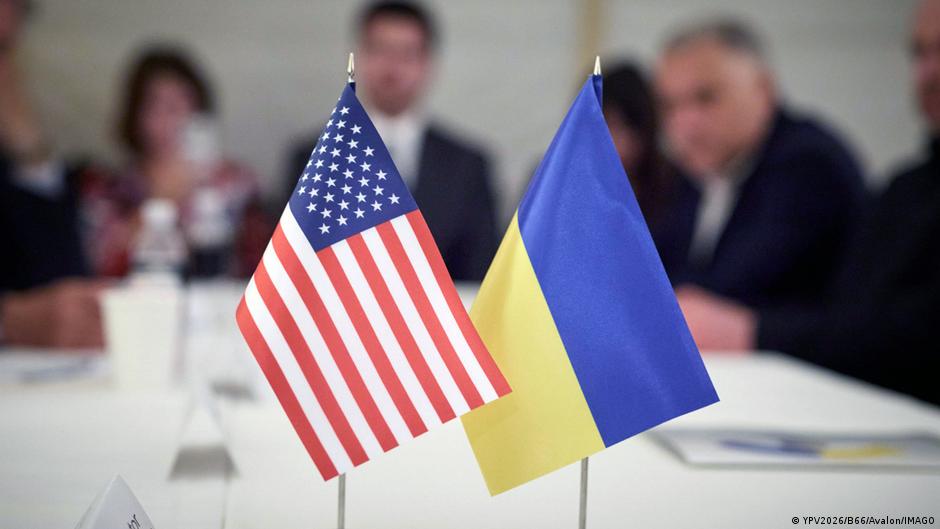
Reuters reports the U.S. told Russia at the G20 not to expect sanctions relief before the war in Ukraine ends, extending pressure across finance and payments.

Reuters reports the U.S. told Russia at the G20 not to expect sanctions relief before the war in Ukraine ends, extending pressure across finance and payments.

Russia has established a covert aviation network to supply its military in Africa, bypassing Western sanctions via complex logistics involving military and private carriers.

Jared Kushner’s talks with Hamas leaders highlight how Middle East geopolitical tensions affect fintech, digital banking, and cybersecurity amid ongoing Gaza conflict.

Qatar denies holding Iranian pilots after airspace violation amid Middle East conflict, emphasizing adherence to international law and ongoing diplomatic efforts.

Russian-linked hacker group Cl0p claims to have breached data from nearly 50 global companies, raising concerns about cybersecurity in fintech and digital banking.

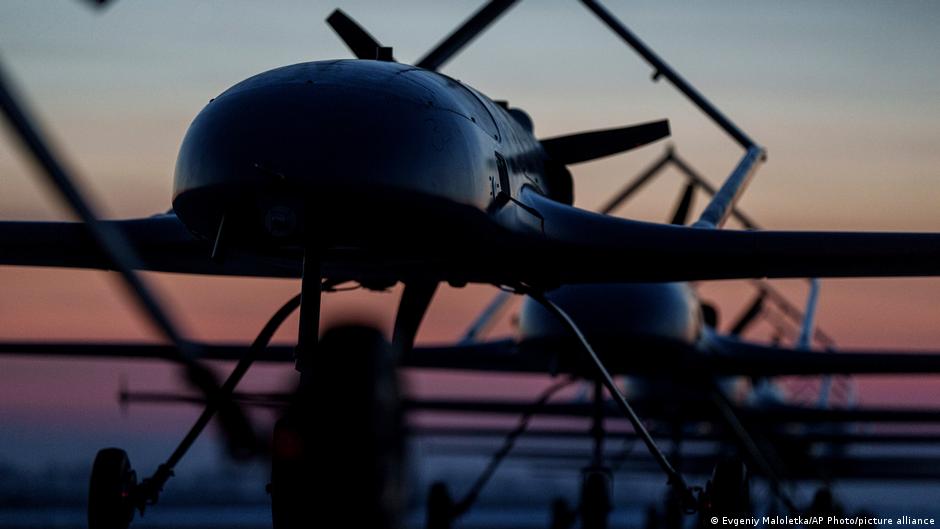
Germany responds to rising hybrid warfare threats by establishing a UAV research center and enhancing airport drone defenses following explosive drone incidents.

The US Senate approved stringent sanctions targeting Russia's energy and financial sectors, impacting global fintech, compliance, and energy trade dynamics.

Russia has declared the US-based Human Rights Foundation undesirable, citing its digital projects like the Tyranny Tracker and critical content against Russian authorities.

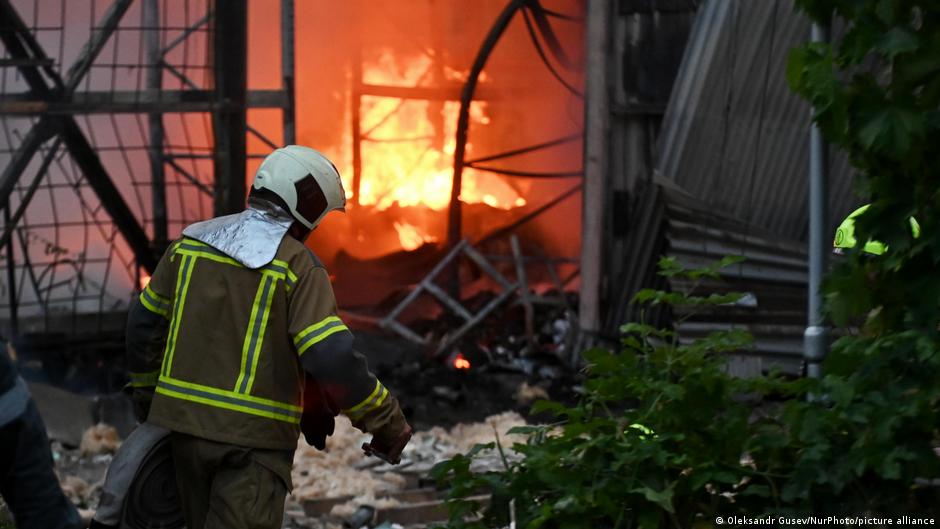
Drone attacks in Russia’s Kursk and Belgorod regions cause casualties and highlight critical infrastructure vulnerabilities, emphasizing the need for advanced security measures.

The US will require visa bonds up to $20,000 from citizens of 50 countries to reduce visa misuse, impacting international payments and fintech solutions for cross-border travel.

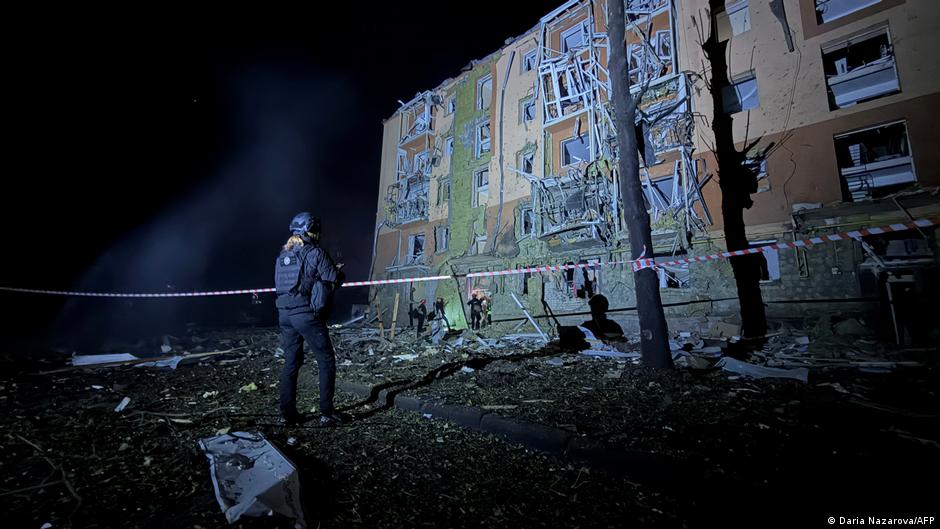
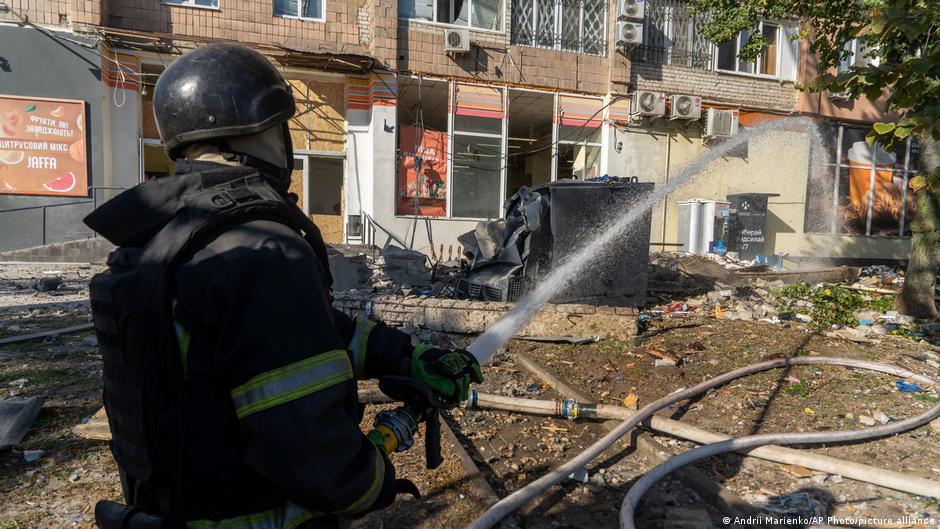
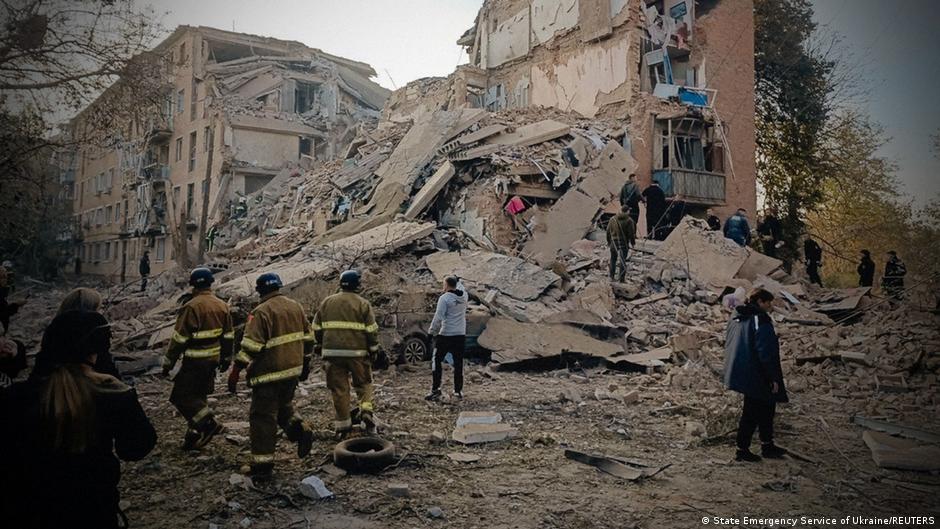
Russian ballistic missile strikes on Kyiv resulted in at least nine deaths and damage to critical urban infrastructure, raising concerns for digital economy resilience and fintech operations.

The US announces a historic agreement with Hamas for full disarmament, marking a key step toward peace and potential growth in the region's digital economy and fintech sectors.

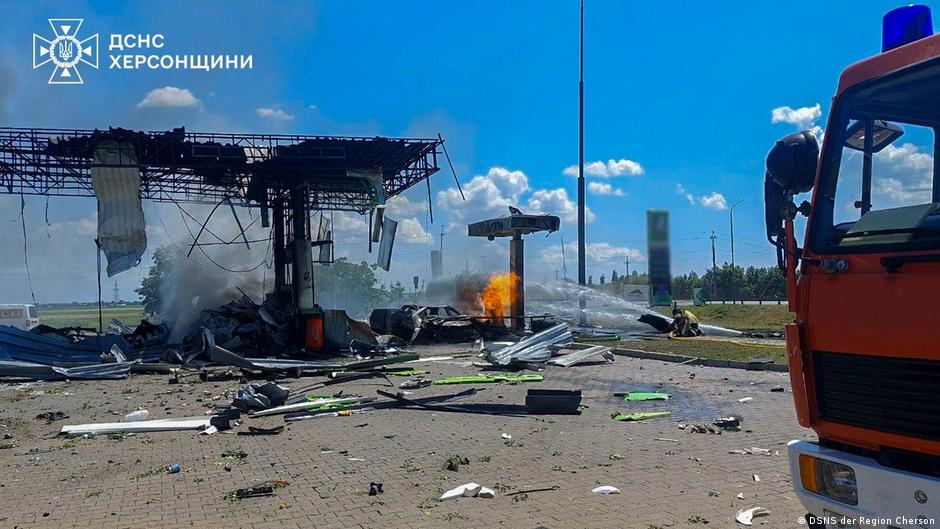
Missile and drone strikes in Ukraine threaten digital payment infrastructure and cybersecurity, testing the resilience of fintech and banking services amid conflict.

The US Senate advances a bill imposing heavy tariffs on Russia, with broad implications for fintech, digital banking, and sanctions compliance.

Germany reports 410 individuals deemed Islamist threats, with rising consultations on radicalization and concerns over extremist influences on digital security and fintech sectors.

President Zelensky visits Washington where the US Senate will vote on new sanctions against Russia, underscoring rising geopolitical tensions impacting fintech and global payments.

Recent drone attacks in Russian and Ukrainian regions expose vulnerabilities in digital infrastructure, emphasizing cybersecurity and fintech challenges amid conflict.

Ukraine's president warns Russia plans expanded mobilization with 30,000 North Korean troops and missile support, raising regional security and fintech risk concerns.

Ukrainian drone strikes targeted Russian cities and a military airbase, impacting critical infrastructure and raising concerns for fintech and digital economy security.

Russia’s July oil and gas revenues could rise 60% year-on-year due to global price increases, despite sanctions aiming to limit its energy export earnings.

The US lifts sanctions on Miami-based Bel-Kap-Steel, linked to Belarusian steel giant BMZ, amid significant releases of political prisoners and broader easing of penalties.

US forces continue 11th night of strikes on Iran, targeting military assets in a bid to secure Strait of Hormuz shipping lanes amid rising regional tensions.

US military strikes on Iran enter tenth day, targeting missile sites and air defenses, escalating regional tensions with implications for global trade, fintech, and cybersecurity.

US military deaths in the Iran conflict have reached 17, intensifying geopolitical risks that impact fintech, digital payments, crypto markets, and cybersecurity worldwide.

Russian forces struck Ukrainian cities Zaporizhzhia and Sumy with guided aerial bombs, causing civilian deaths, injuries, and significant damage to residential and industrial infrastructure, with implications for regional fintech and digital economy stability.

The US military intensified strikes on Iranian infrastructure, targeting bridges, airports, and energy sites, escalating regional tensions with implications for fintech and digital economy stability.

US military strikes on Iran escalate tensions, closing the Strait of Hormuz and disrupting global oil flows with significant implications for fintech, digital payments, and cybersecurity.

Russia has closed the Azov-Don Canal after Ukrainian drone strikes on vessels, disrupting grain exports and raising concerns for fintech and digital trade sectors.

The death of Iran’s Supreme Leader Ali Khamenei and subsequent regional tensions pose risks to digital banking, payments, and cybersecurity in the Middle East’s fintech sector.

US military strikes on Iran target maritime infrastructure in the Strait of Hormuz, raising risks for global trade, energy markets, and fintech payment ecosystems amid escalating tensions.

Russian missile and drone strikes caused casualties and infrastructure damage in Kyiv and Kharkiv, raising concerns about impacts on Ukraine's fintech and digital economy sectors.

US military strikes on Iran retaliate against tanker attacks in the Strait of Hormuz, raising risks for maritime trade, energy markets, and digital financial ecosystems.

Belarus warns citizens against travel to Russia due to drone attacks near the border, raising safety concerns and impacting digital economy trends in fintech and cybersecurity.

The US has once again extended a 30-day license allowing Serbian oil company NIS, controlled by Gazprom, to operate under sanctions while the sale of Gazprom’s stake faces delays.

US airstrikes on Iranian military sites followed Iran's drone attack on a commercial vessel in the Strait of Hormuz, escalating risks to maritime security and impacting global trade and fintech sectors.

Russia closes Romania’s consulate in Saint Petersburg in retaliation for Romanian closure of Russian consulate after a drone incident in Galați, highlighting rising geopolitical and security tensions.

France and Italy question the EU's proposed ban on Russian combatants' entry, fearing it may extend to all Russian nationals, complicating fintech compliance amid sanctions.

Belgium issued one-day visas to five Taliban representatives invited to Brussels for EU talks on Afghan deportations, highlighting complex migration and security challenges.

US intelligence warns that Israeli Prime Minister Netanyahu may try to disrupt the US-Iran deal, raising concerns about regional stability and potential impacts on fintech and digital economy sectors.

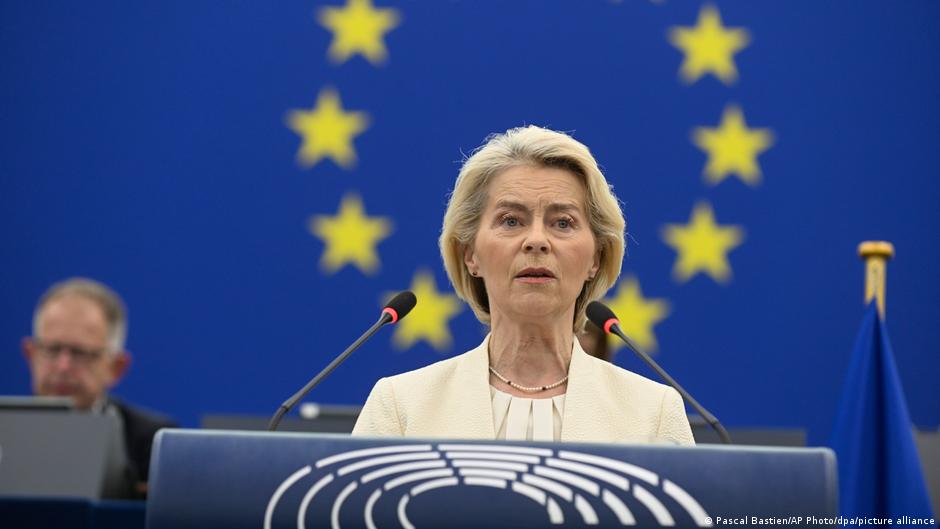
The EU agrees to extend sanctions on Russia for one year, increasing pressure on energy and finance sectors, with implications for fintech, cybersecurity, and digital payments.

The US has lifted its naval blockade of the Strait of Hormuz, enabling record oil shipments and initiating a 60-day negotiation period with Iran to finalize a peace deal.

The EU has initiated discreet talks with Kremlin officials to prepare for future peace negotiations, a move that could impact digital economy sectors like fintech and cybersecurity.

Pakistan announces the Strait of Hormuz will reopen immediately following a US-Iran peace deal, signaling shifts in global trade and fintech opportunities.

Trump cancels planned US strikes on Iran amid diplomatic progress, impacting energy flows, cybersecurity risks, and fintech markets in the Middle East.

US strikes on Iran triggered Tehran's closure of the Strait of Hormuz, threatening global energy flows and digital payment systems amid escalating regional conflict.

22 countries, including the US and Europe, condemn Iran's IRGC for orchestrating attacks on dissidents and Jewish communities, with major cybersecurity and fintech implications.

US forces struck Iranian air defenses after Iran downed a US Apache helicopter near the Strait of Hormuz, heightening regional security and financial market risks.

Russian drone attacks over Kyiv and eastern Ukraine raise alarm over impacts on fintech, digital banking, and cybersecurity amidst ongoing conflict.

Russian military strike in Zaporizhzhia causes power outages and fires, raising concerns about digital infrastructure and cybersecurity in the region's fintech and energy sectors.

The U.S. House passed a resolution limiting President Trump's ability to continue war with Iran without Congress approval, signaling shifting political dynamics and implications for fintech and cybersecurity.