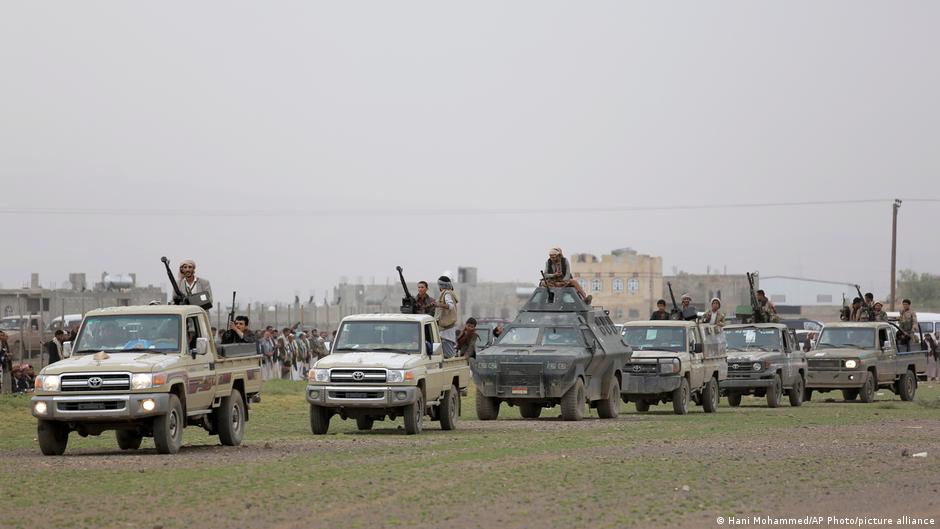
Houthi Capture of Mocha Raises Red Sea Risk for Energy and Fintech Markets
Houthi control near Bab el-Mandeb could disrupt oil flows and ripple through payments, crypto, digital banking and tech stocks.

Houthi control near Bab el-Mandeb could disrupt oil flows and ripple through payments, crypto, digital banking and tech stocks.

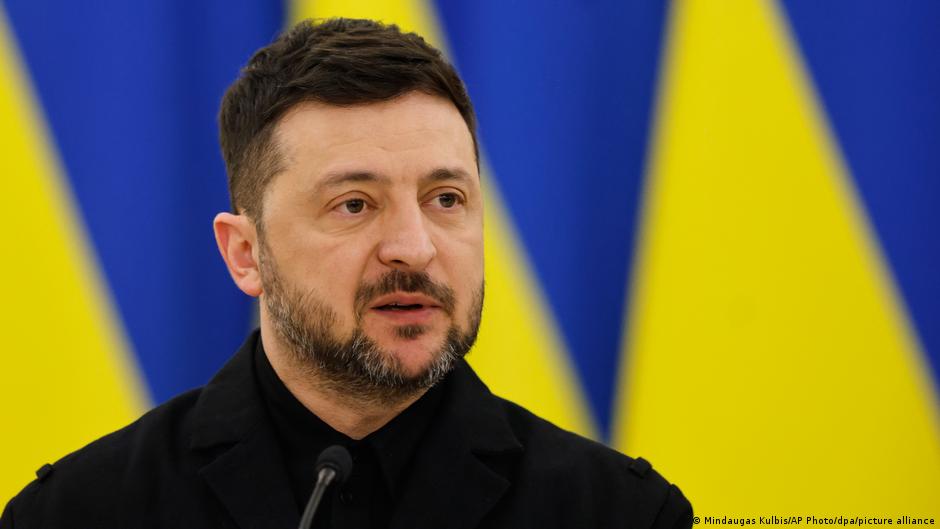
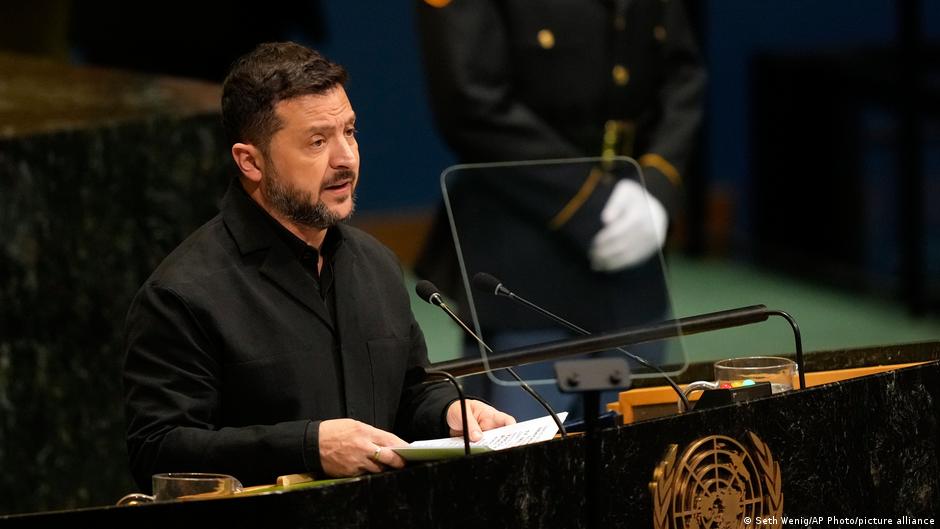
Zelensky says he expects a US delegation meeting by late September focused on energy and food security amid attacks on infrastructure.

France warned CNews it could face criminal proceedings if expelled former RT France chief Ksenia Fedorova appears by video link.

A reported drone threat that delayed Zelenskyy’s flight from Moldova adds to geopolitical risks facing payments, crypto and tech firms.

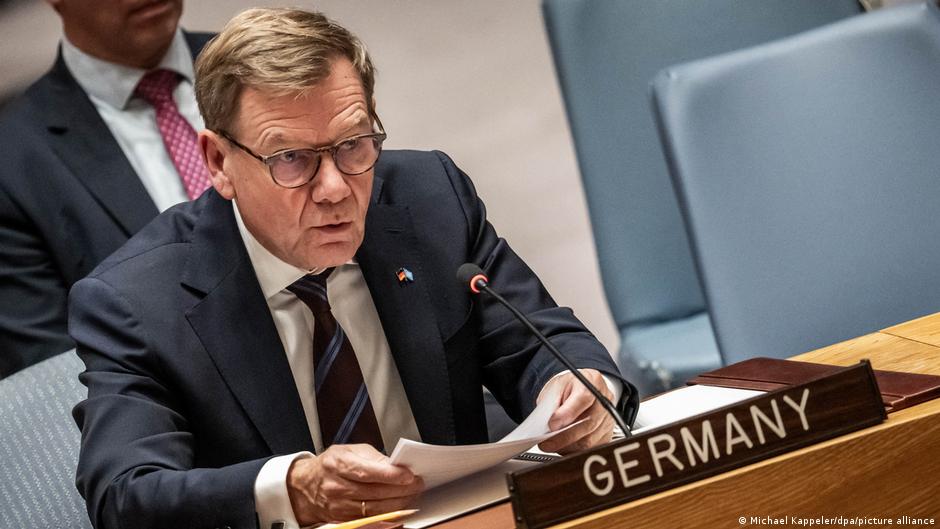
Germany’s foreign minister says German defense firms should benefit from Berlin’s Ukraine support, tying aid to procurement and taxpayer accountability.

Finland completed a 200-kilometer Russia border fence, adding technical surveillance as Europe links physical security with digital risk.

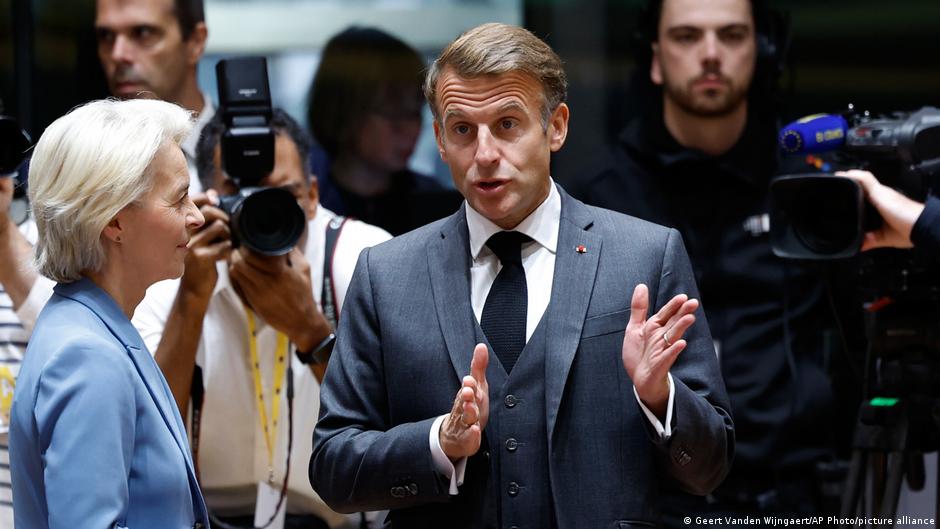
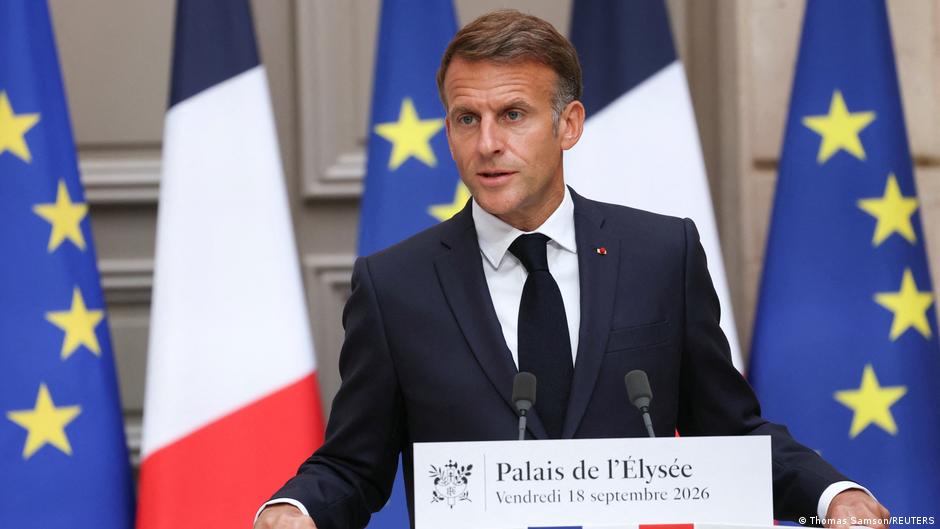
Macron is pushing for an EU-wide social media ban for under-15s after France’s top constitutional body blocked a national law.

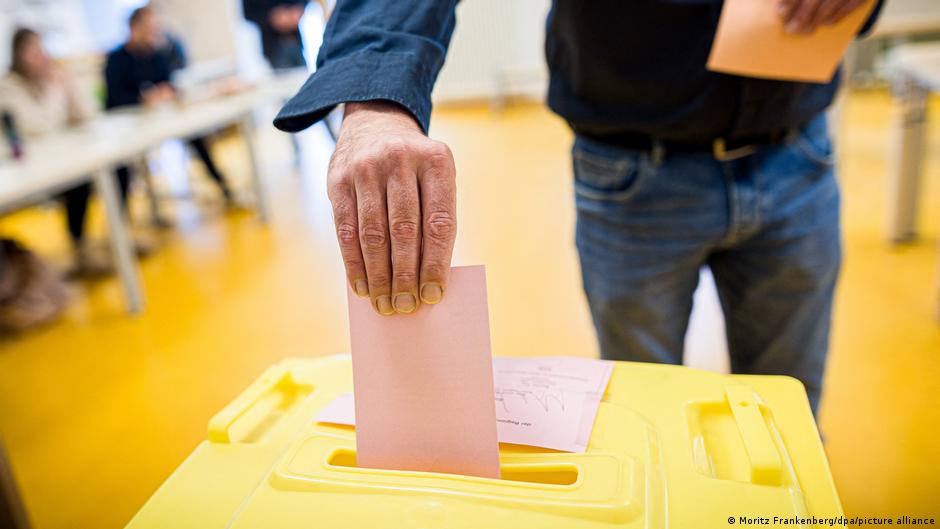
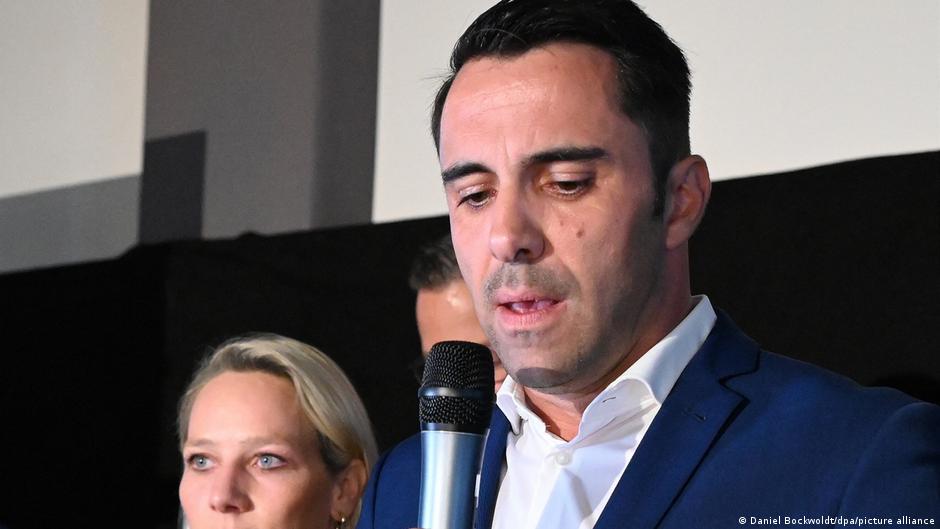
European leaders reacted sharply to AfD’s projected win in Saxony-Anhalt, a result that could heighten political risk for fintech and digital markets.

AfD won 43.8% in Saxony-Anhalt, but coalition uncertainty raises policy risk around energy, sanctions and the digital economy.

Kaja Kallas cancelled a planned EU defence expert group after German and Italian objections, delaying a forum tied to Europe’s security tech agenda.

Germany plans drone defenses and a Cyberdome after the Leipzig incident, raising stakes for payments, fintech, logistics and digital infrastructure.

Latvia says a Leipzig sabotage suspect lived in Russia, as the case raises wider concerns over logistics security, sanctions enforcement and trade-related risk.

Russia says it will shut Goethe-Institut branches after Berlin tightened sanctions and moved against the Russian House, raising wider compliance signals.

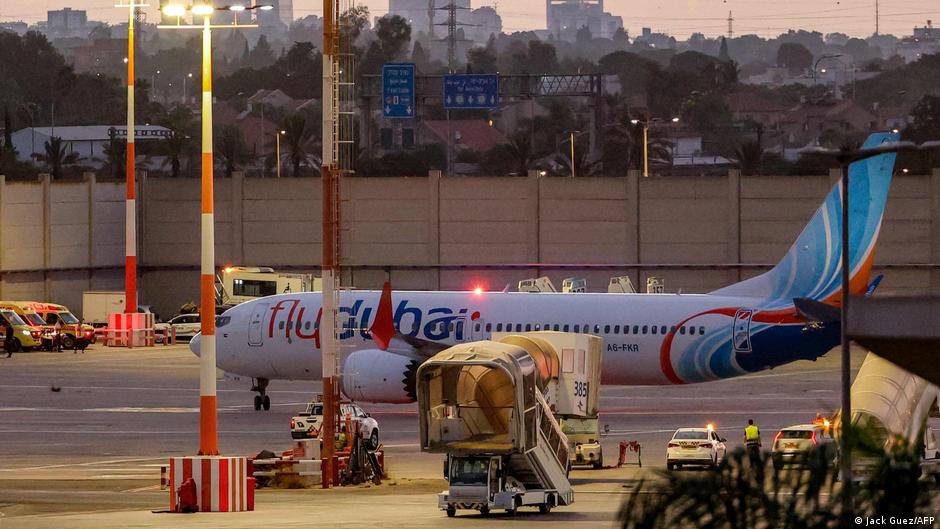
ICAO urged tougher safeguards for civilian aircraft after Ukraine warned that intensified military activity has made Russian airspace unsafe.

Uzbekistan’s decade of business reforms is reshaping licensing, taxes and digital state services, with direct implications for payments and formal-sector growth.

Daniel Driscoll's reported resignation adds uncertainty around Pentagon procurement, cybersecurity priorities and defense-tech market signals.

Reuters reports the U.S. told Russia at the G20 not to expect sanctions relief before the war in Ukraine ends, extending pressure across finance and payments.

Uzbekistan auctions its state-owned Fonon jewelry plant stake for 316.7 billion UZS, highlighting challenges in financial recovery and digital asset management.

Meta’s $18B settlement mandates sweeping child-safety reforms relying on imperfect age-verification tech, underscoring challenges in balancing safety and privacy in digital platforms.

Ilya Remeslo, once a pro-Kremlin blogger, now faces up to 10 years in detention after criticizing Putin and the war, under charges of spreading fake news about the Russian military.

The US removal of Syria from the terrorism sponsor list opens pathways for economic integration, fintech growth, and digital banking expansion amid complex regional geopolitics.

Drone attacks on Ozon’s logistics centers in Krasnodar and Stavropol caused fires, casualties, and disrupted operations, spotlighting physical security challenges in Russia's digital economy.

Russia has established a covert aviation network to supply its military in Africa, bypassing Western sanctions via complex logistics involving military and private carriers.

Nearly 100 people were detained at an informal music festival near Vyborg over pro-Ukraine songs and calls for regime change, as Russian authorities intensified digital surveillance efforts.

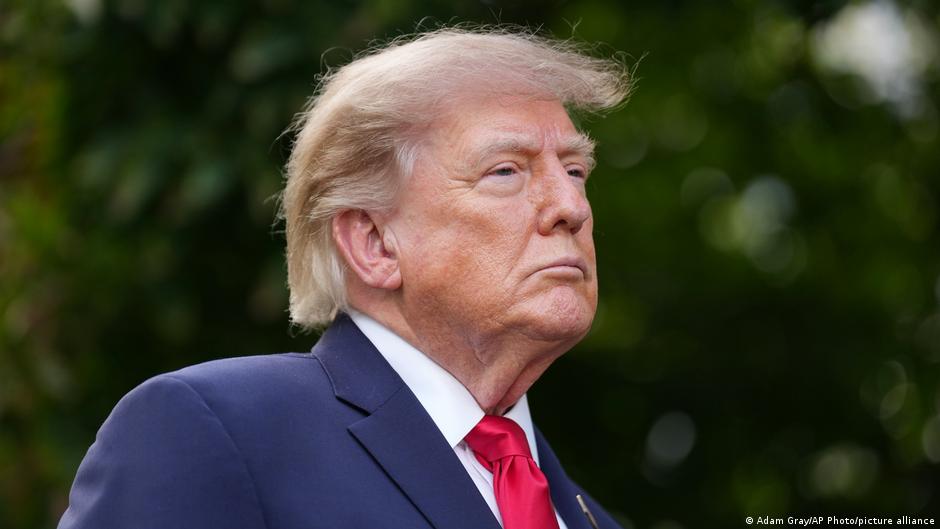
The US Supreme Court ruled in favor of Trump’s White House renovation plans, allowing construction of a ballroom and military bunker to proceed amidst national security claims.

Hundreds of Ukrainian soldiers undergoing training in Germany have deserted since 2022, complicating military preparedness and legal frameworks amid ongoing conflict.

Latvia has published a list of 170 companies maintaining trade with Russia and Belarus despite the Ukraine war, impacting transparency and digital economy sectors.

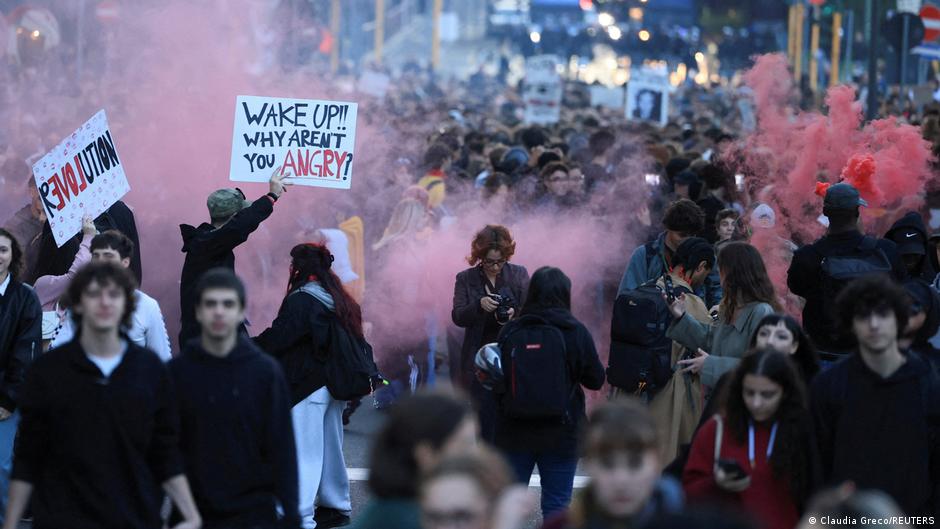
Serbia will hold early parliamentary elections in October 2023 amid widespread protests demanding government accountability and anti-corruption measures.

NATO affirms readiness to counter potential Iranian strikes on European military sites, highlighting cybersecurity and fintech risks amid rising geopolitical tensions.

Former Ukrainian defense minister Mikhail Fedorov calls for elections during ongoing war, emphasizing legal, secure methods and democratic resilience amid conflict.

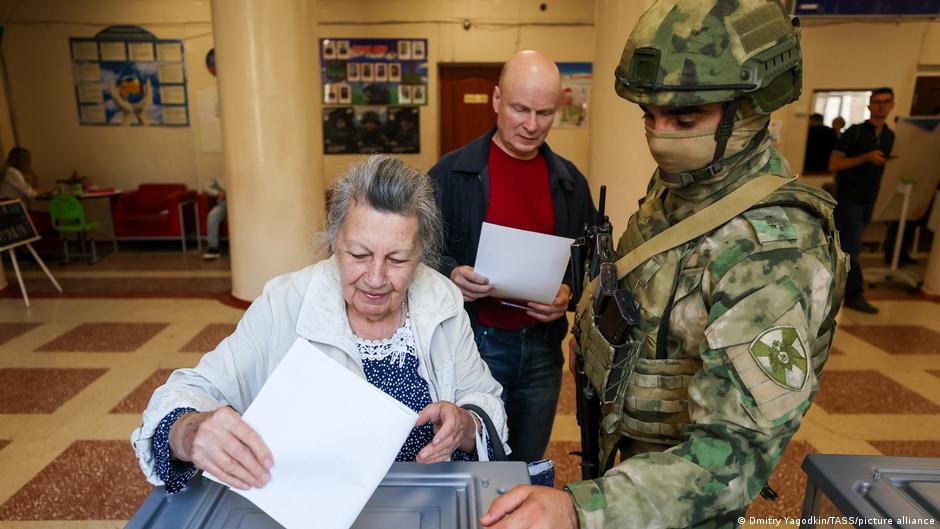
Russia’s election chief supports removing voting rights for emigrated citizens labeled as "foreign agents," raising implications for election security and digital governance.

Hundreds protested in Kyiv and other Ukrainian cities demanding Mikhail Fedorov’s reinstatement as Defense Minister amid government reshuffles and calls for reform.

Jared Kushner’s talks with Hamas leaders highlight how Middle East geopolitical tensions affect fintech, digital banking, and cybersecurity amid ongoing Gaza conflict.

Qatar denies holding Iranian pilots after airspace violation amid Middle East conflict, emphasizing adherence to international law and ongoing diplomatic efforts.

Russian missile and drone strikes on Kyiv and Kryvyi Rih cause casualties and threaten the stability of Ukraine’s digital economy and fintech infrastructure.

Support for Germany's CDU/CSU drops to 20% with far-right AfD leading polls; upcoming regional elections may reshape political and fintech sector landscapes.

Venezuela freed 131 political prisoners and agreed on judicial reforms after reconciliation talks, potentially impacting the country's fintech and digital economy sectors.

Russian-linked hacker group Cl0p claims to have breached data from nearly 50 global companies, raising concerns about cybersecurity in fintech and digital banking.

More than 40 countries urge 24-hour advance notice on ballistic missile tests to reduce risks and reinforce trust amid rising missile activities impacting global security and digital markets.

Turkey resumed commercial ship transit through the Dardanelles after restrictions linked to Black Sea conflicts disrupted key maritime trade routes impacting regional and global commerce.

US defense firms Raytheon and Lockheed Martin warn that licensing Patriot missile technology to Ukraine could lead to enhanced missile production and potential intellectual property risks.

Germany responds to rising hybrid warfare threats by establishing a UAV research center and enhancing airport drone defenses following explosive drone incidents.

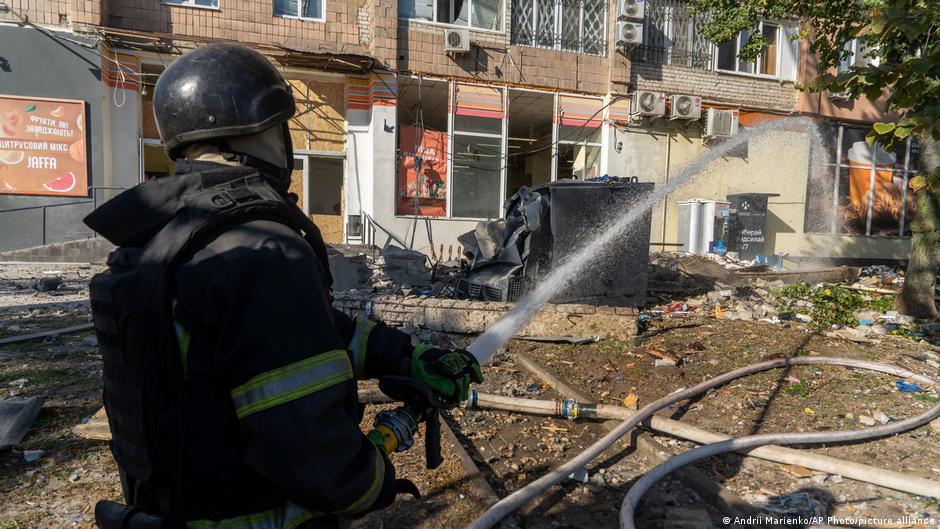
Drone attacks on Belgorod caused damage to residences and critical infrastructure, injuring 13 and exposing vulnerabilities in regional digital and energy systems.

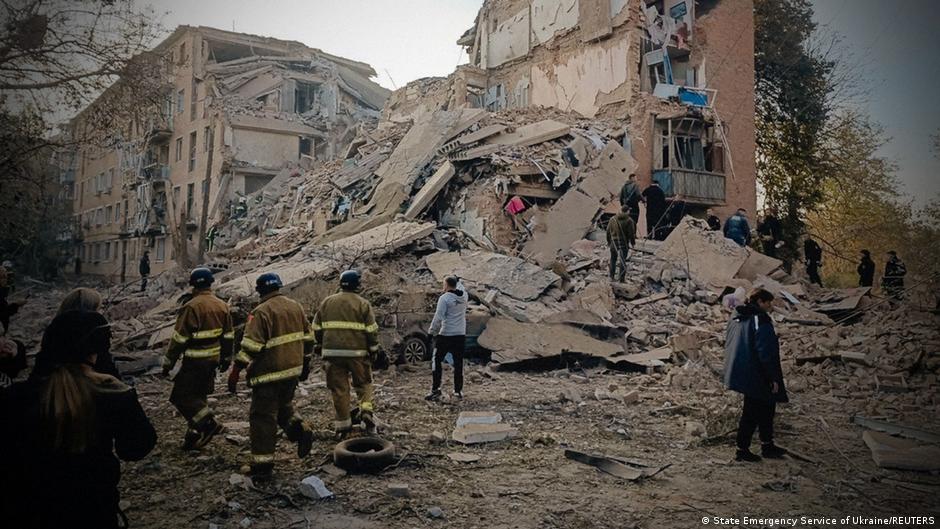
Russian missile strikes on Kyiv region cause casualties and fires, raising concerns about the safety and cybersecurity of Ukraine’s fintech and digital economy.

Russia has declared the US-based Human Rights Foundation undesirable, citing its digital projects like the Tyranny Tracker and critical content against Russian authorities.

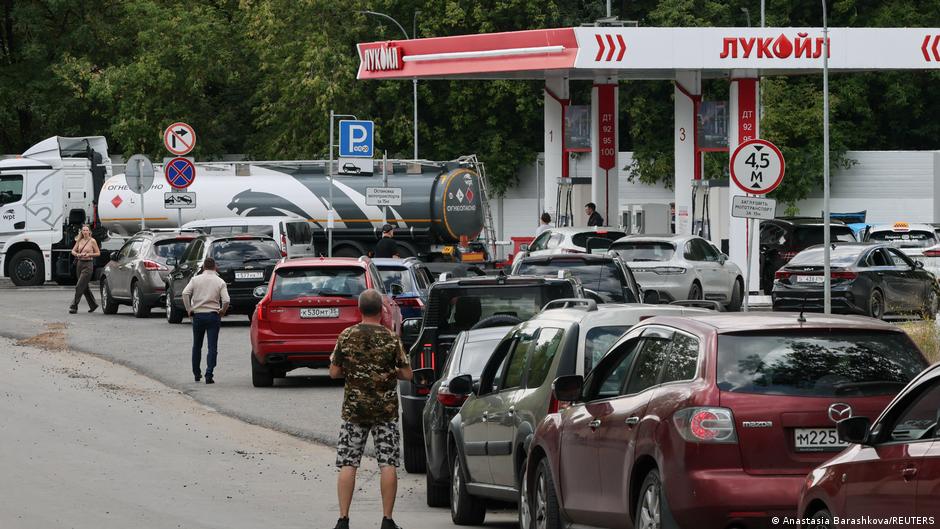
Russia extends permission for lower-grade fuel sales until 2027 amid refinery disruptions caused by attacks, impacting fuel supply, vehicle safety, and fintech-enabled payment systems.

Over 8.4 million Ukrainians live abroad amid conflict, driving demand for fintech services, digital payments, and secure cross-border financial solutions.

Venezuela's government and opposition will hold talks to discuss earthquake relief and election reforms, impacting the country's fintech and digital economy sectors.

An influx of nearly 60,000 migrants into the Spanish exclave Ceuta has triggered security measures, protests, and regional border suspensions, raising concerns for fintech, digital payments, and cybersecurity sectors.

NATO considers deploying tactical nuclear weapons in Finland, Poland, and Lithuania, raising security and digital economy concerns amid Russian threats.