Abu Dhabi Peace Talks Put Digital Economy Risks in Focus
US-mediated Russia-Ukraine talks in Abu Dhabi will address security and peace, with implications for payments, crypto, digital banking and technology risk.

US-mediated Russia-Ukraine talks in Abu Dhabi will address security and peace, with implications for payments, crypto, digital banking and technology risk.

Possible US-Ukraine-Russia talks in Abu Dhabi or Switzerland put geopolitical risk for fintech, crypto, payments and European tech back in focus.

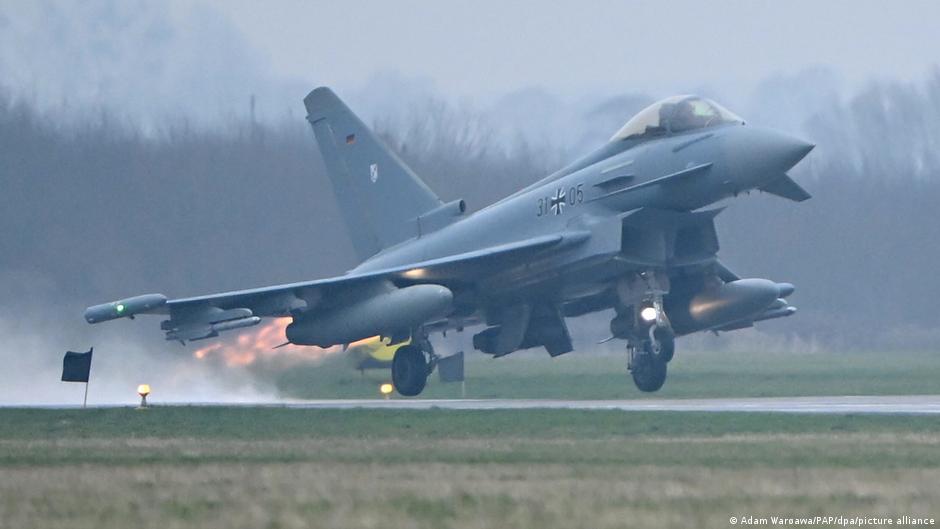
Germany deployed four Eurofighters to Latvia for election-period airspace security, highlighting NATO risks tied to digital and financial resilience.

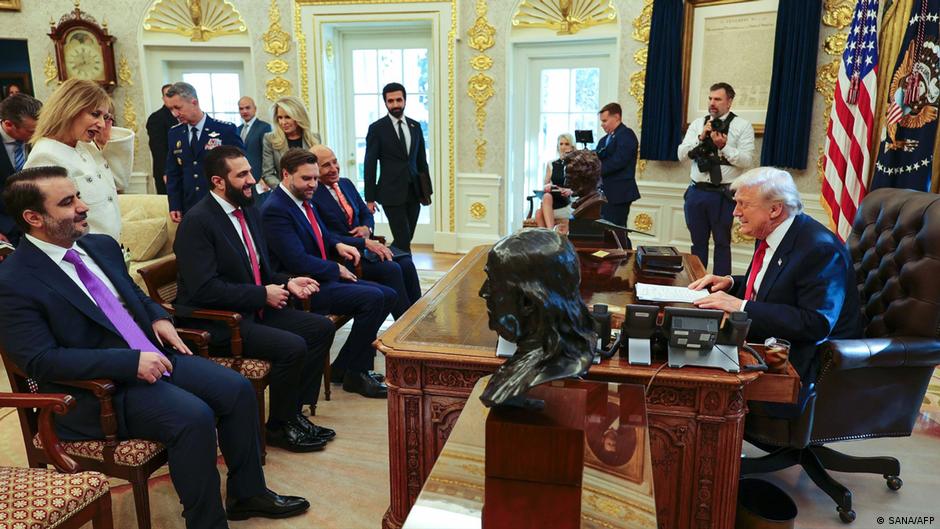
The US removal of Syria from the terrorism sponsor list opens pathways for economic integration, fintech growth, and digital banking expansion amid complex regional geopolitics.

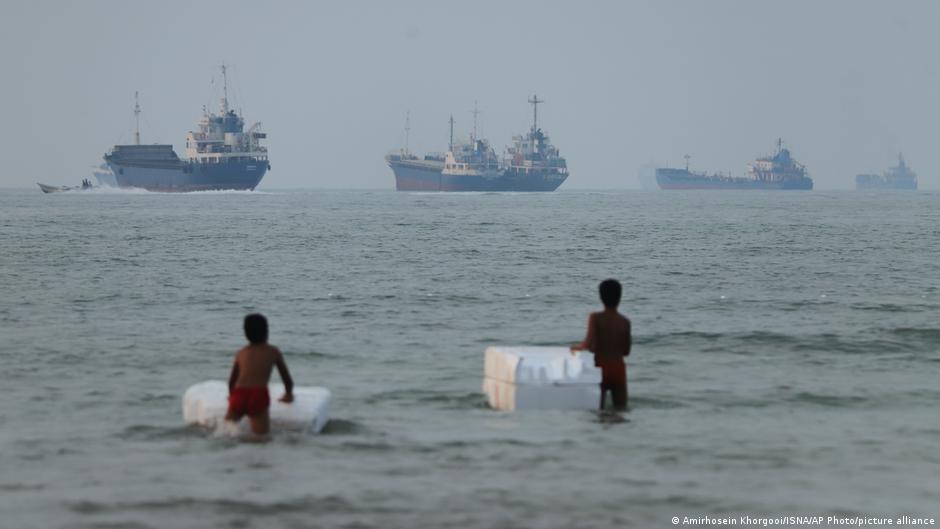
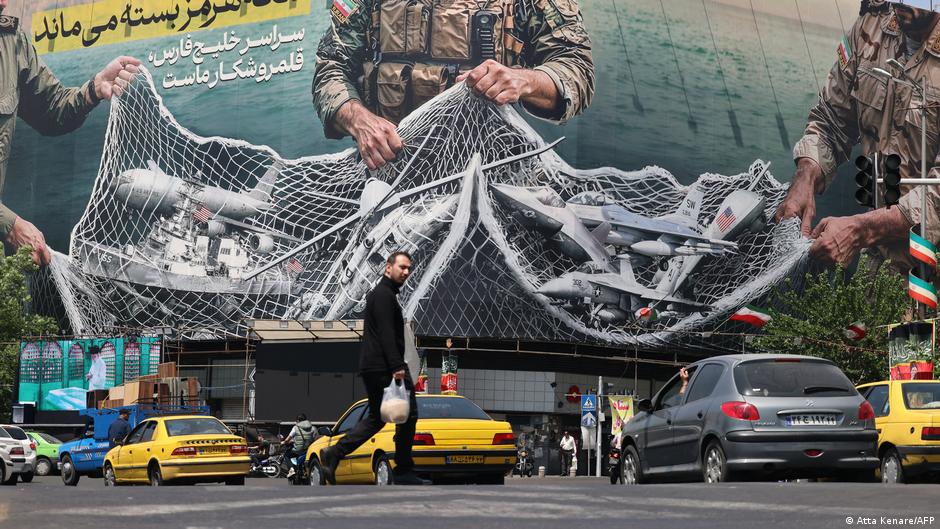
US-Iran conflict over the Strait of Hormuz threatens oil trade routes and digital payment systems, with Oman caught in diplomatic crossfire amid escalating military tensions.

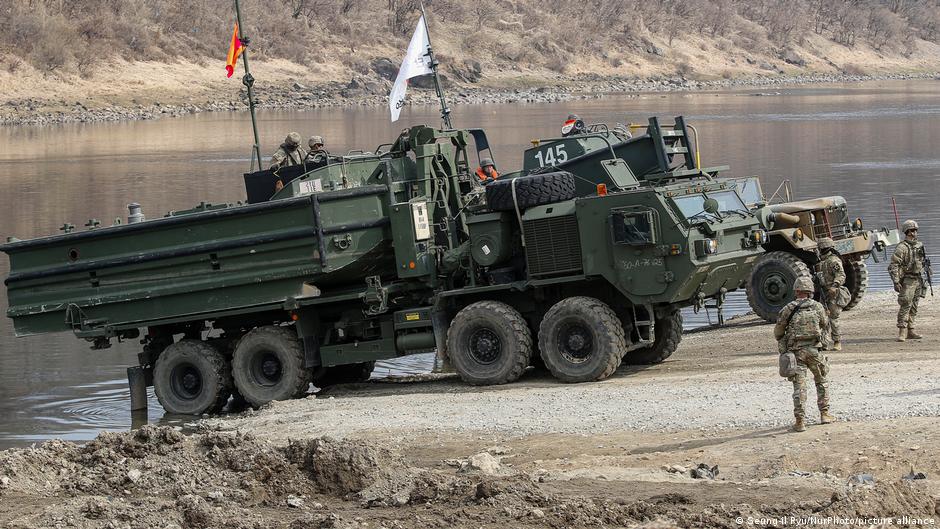
The US will reduce joint military exercises with South Korea, citing costs and diplomacy with North Korea, impacting regional stability vital to fintech and cybersecurity sectors.

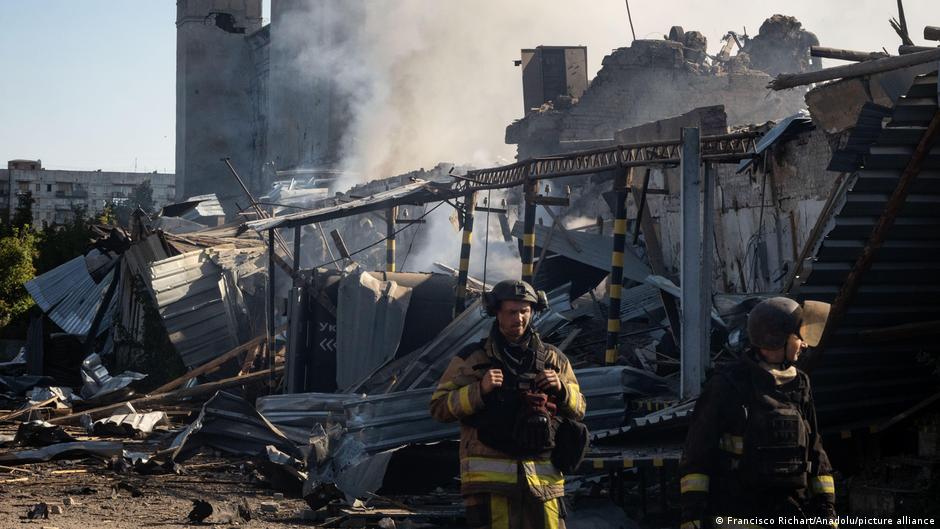
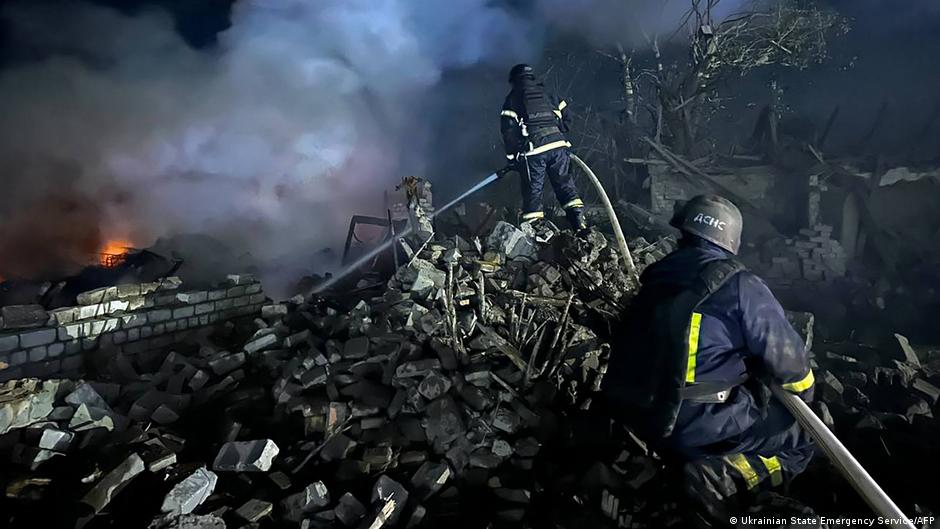
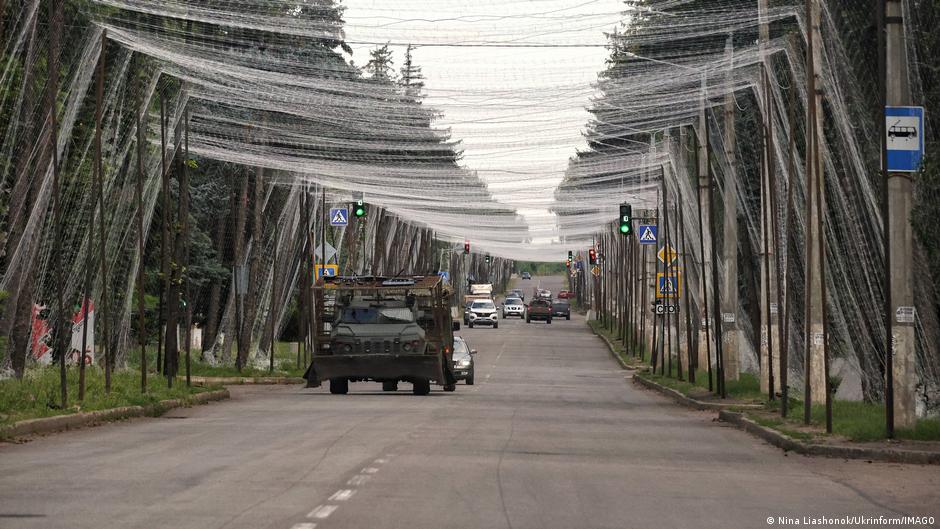
Russian air strikes on Kramatorsk and Bilenke caused casualties and damaged residential buildings, raising concerns over civilian infrastructure and digital economy disruptions amid ongoing conflict.

A powerful 7.4 magnitude earthquake in Colombia has caused over 130 deaths and widespread infrastructure damage, posing significant challenges to the country's digital economy and fintech sector.

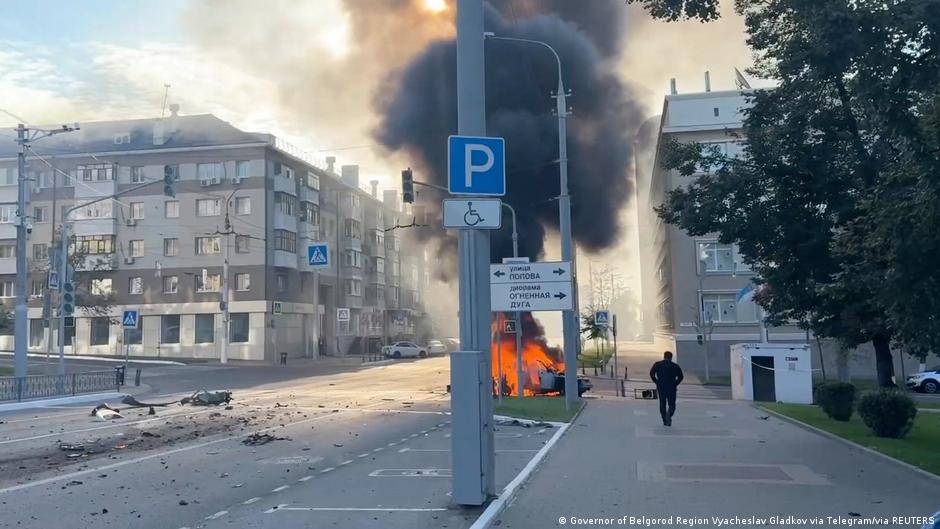
Drone attacks on Belgorod caused damage to residences and critical infrastructure, injuring 13 and exposing vulnerabilities in regional digital and energy systems.

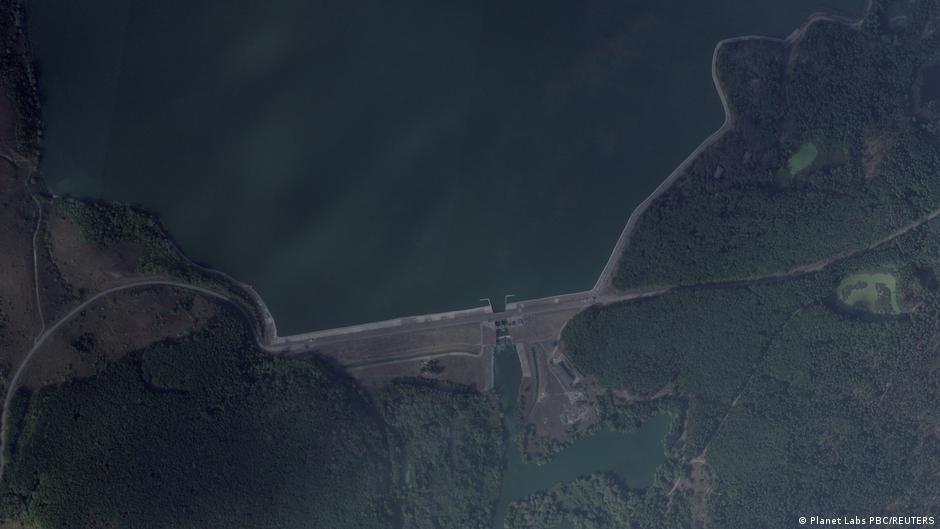
Repeated attacks on the Belgorod reservoir have caused severe water level drops, exposing critical infrastructure vulnerabilities and raising cybersecurity concerns.

Ukraine reports Russia’s use of a North Korean ballistic missile, urging allies to enhance air defense amid growing regional security and digital economy risks.

The US announces a historic agreement with Hamas for full disarmament, marking a key step toward peace and potential growth in the region's digital economy and fintech sectors.

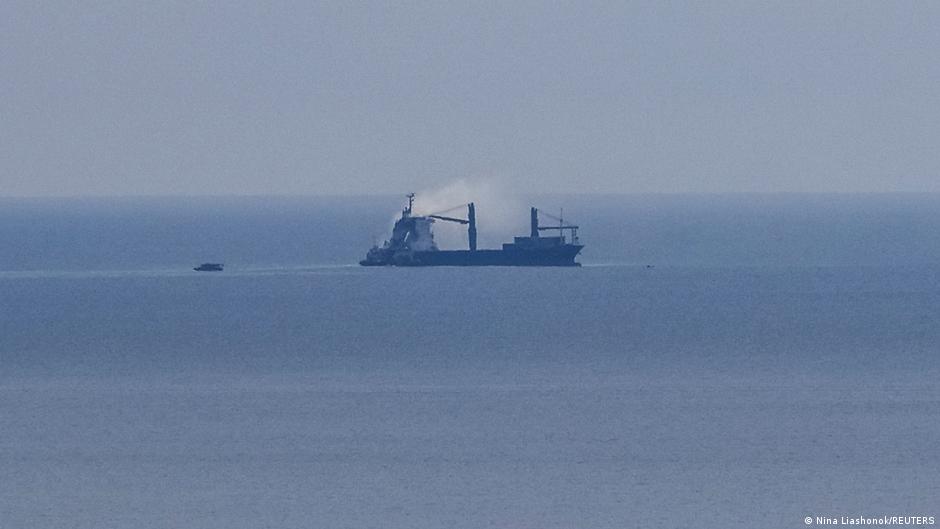
Ukraine calls for an emergency UN Security Council session after Russia attacks commercial ships in the Black Sea, threatening global food security and maritime trade.

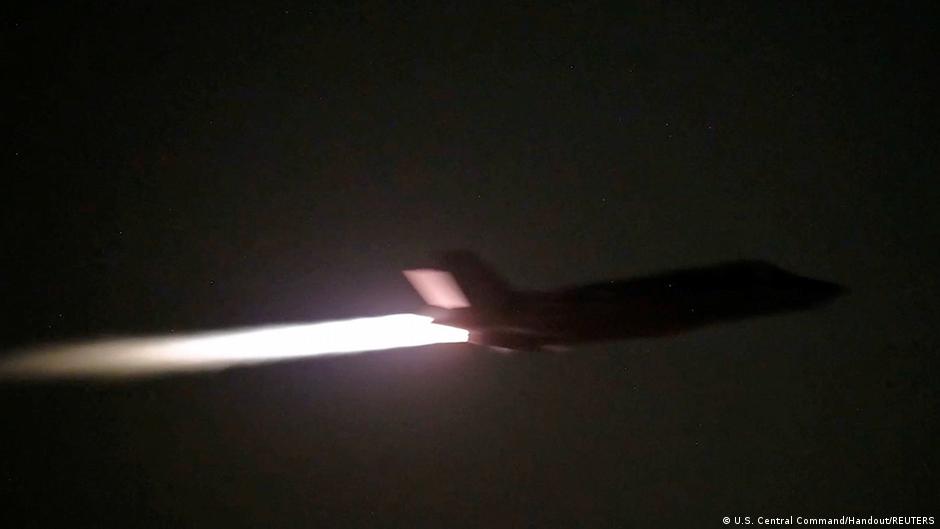
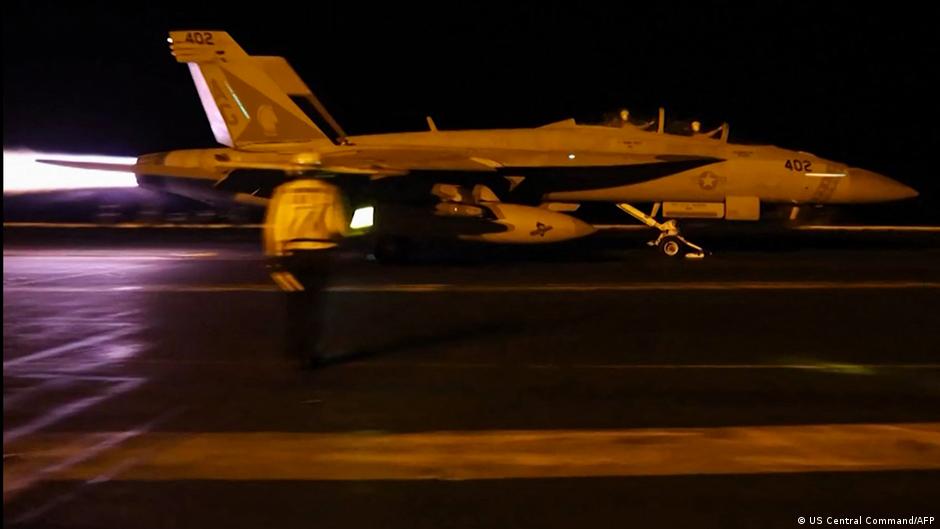
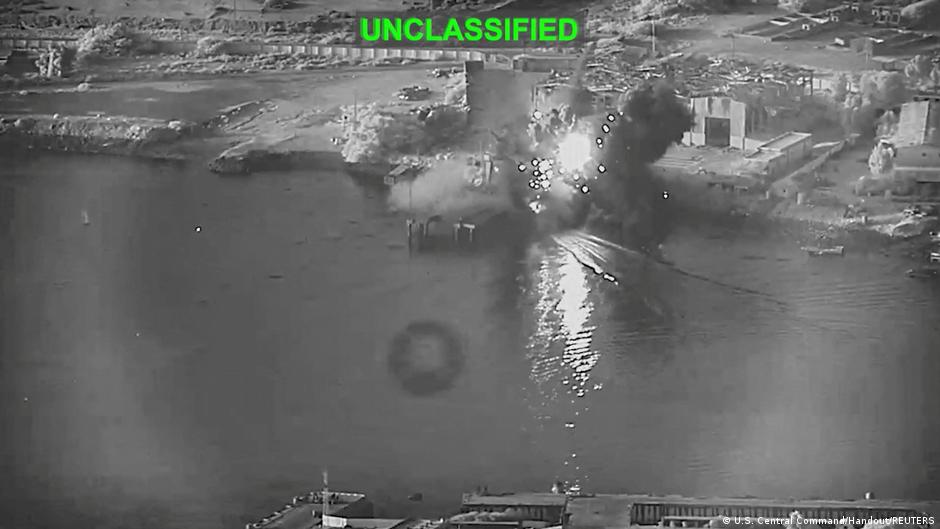
US forces continue 11th night of strikes on Iran, targeting military assets in a bid to secure Strait of Hormuz shipping lanes amid rising regional tensions.

US military strikes on Iran enter tenth day, targeting missile sites and air defenses, escalating regional tensions with implications for global trade, fintech, and cybersecurity.

US military deaths in the Iran conflict have reached 17, intensifying geopolitical risks that impact fintech, digital payments, crypto markets, and cybersecurity worldwide.

The US military intensified strikes on Iranian infrastructure, targeting bridges, airports, and energy sites, escalating regional tensions with implications for fintech and digital economy stability.

June 2026 saw the highest civilian casualties in Ukraine since the Russian invasion, highlighting escalating risks to the country’s digital economy and fintech infrastructure amid conflict.
The death of Iran’s Supreme Leader Ali Khamenei and subsequent regional tensions pose risks to digital banking, payments, and cybersecurity in the Middle East’s fintech sector.

US military strikes on Iran retaliate against tanker attacks in the Strait of Hormuz, raising risks for maritime trade, energy markets, and digital financial ecosystems.

Russian strikes on multiple Ukrainian regions damage critical infrastructure, affecting logistics, digital banking, and fintech services amid ongoing conflict.

Russian drone and missile strikes in Ukraine fell 29% and 15% respectively in June, signaling potential shifts in military tactics and industrial constraints amid ongoing conflict.

Ukraine’s Zelensky proposes a National Pantheon and European Order amid tensions with Poland, affecting regional digital economy cooperation and fintech development.

The US and Iran agreed on a communication channel to prevent incidents in the Strait of Hormuz, aiming to finalize broader agreements within 60 days, impacting regional security and fintech sectors.

US intelligence warns that Israeli Prime Minister Netanyahu may try to disrupt the US-Iran deal, raising concerns about regional stability and potential impacts on fintech and digital economy sectors.

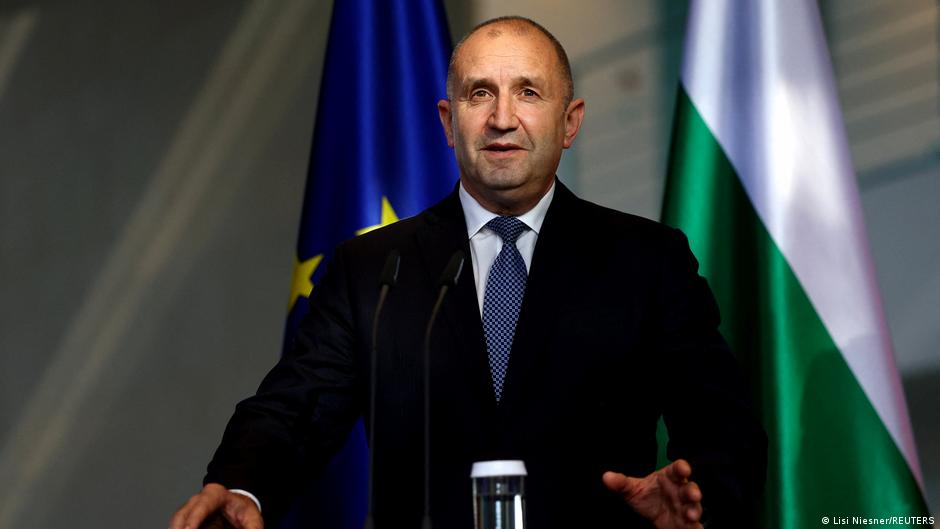
Bulgaria plans to veto new EU sanctions on Russia due to economic risks and opposition to sanctions against Patriarch Kirill, raising concerns about energy and supply chain impacts.

The US has lifted its naval blockade of the Strait of Hormuz, enabling record oil shipments and initiating a 60-day negotiation period with Iran to finalize a peace deal.

France, Germany, UK, and Italy endorse the US-Iran peace deal, stressing rapid implementation, nuclear non-proliferation, and restoring fuel supply through the Strait of Hormuz.

Reports claim UAE will unfreeze billions in Iranian oil funds to reduce regional attacks, though the UAE denies this; diplomatic talks suggest nearing peace.

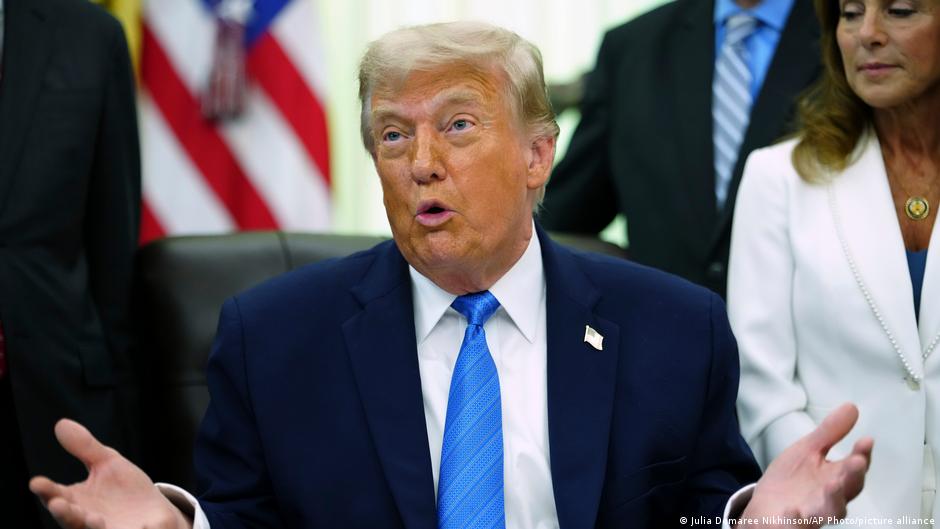
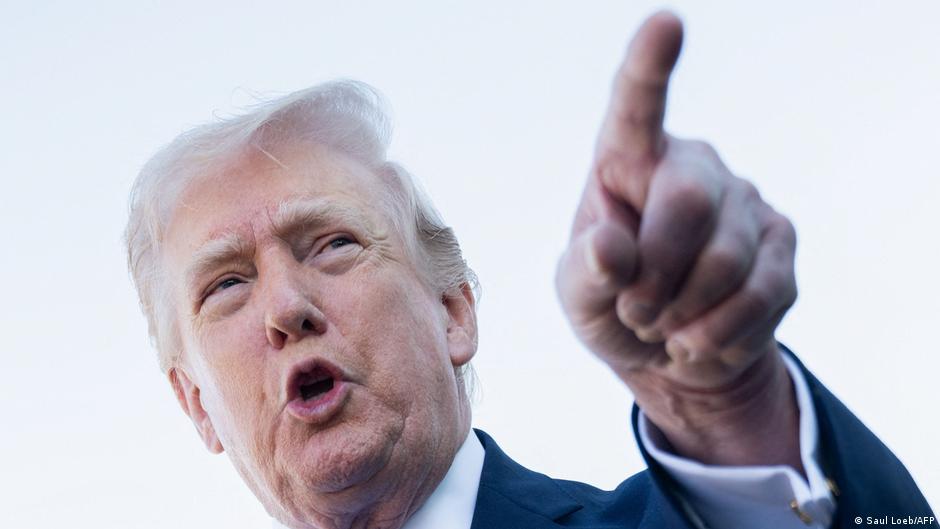
Trump cancels planned US strikes on Iran amid diplomatic progress, impacting energy flows, cybersecurity risks, and fintech markets in the Middle East.

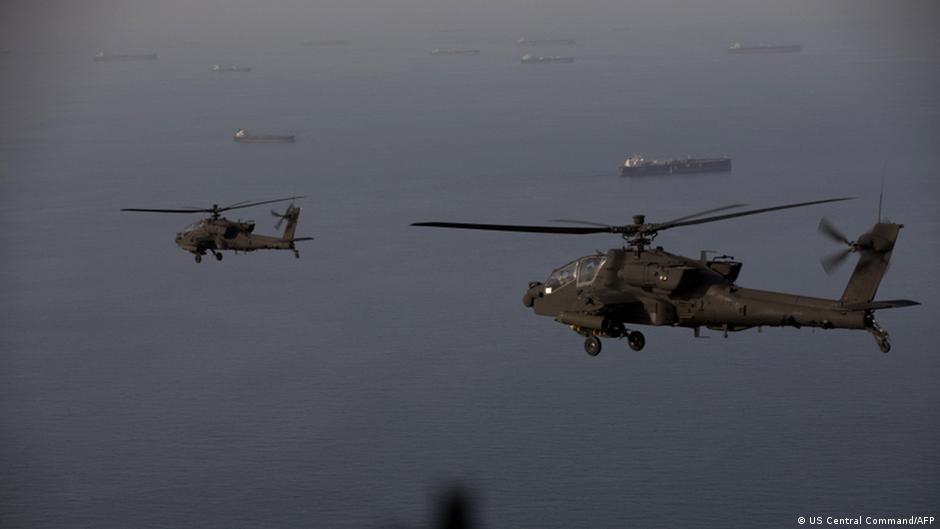
US forces struck Iranian air defenses after Iran downed a US Apache helicopter near the Strait of Hormuz, heightening regional security and financial market risks.

Ukraine apologized to Greece after a sea drone with explosives was found near the Greek island Lefkada, linking the incident to the ongoing Russian-Ukrainian conflict and raising concerns about regional maritime security.

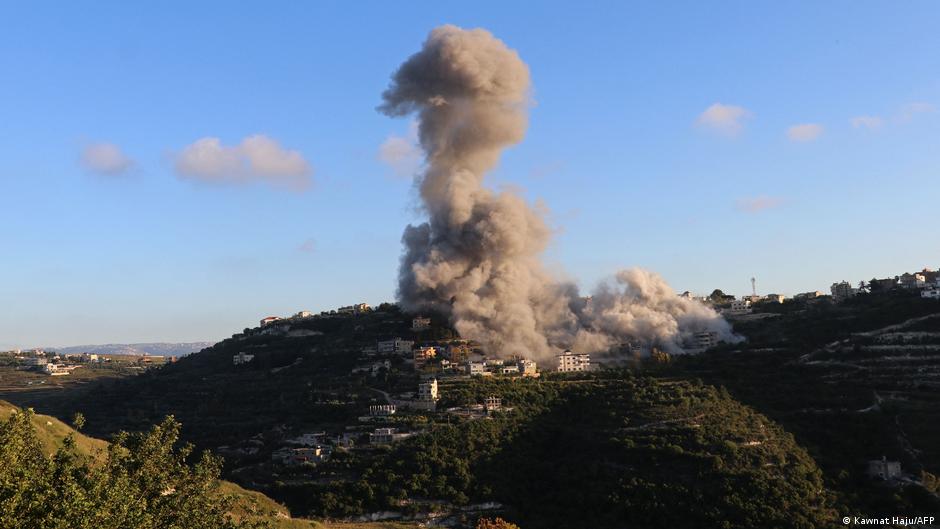
Israel and Lebanon, with US mediation, agreed on a ceasefire requiring Hezbollah’s withdrawal and new security zones, aiming to stabilize the region and support economic resilience.

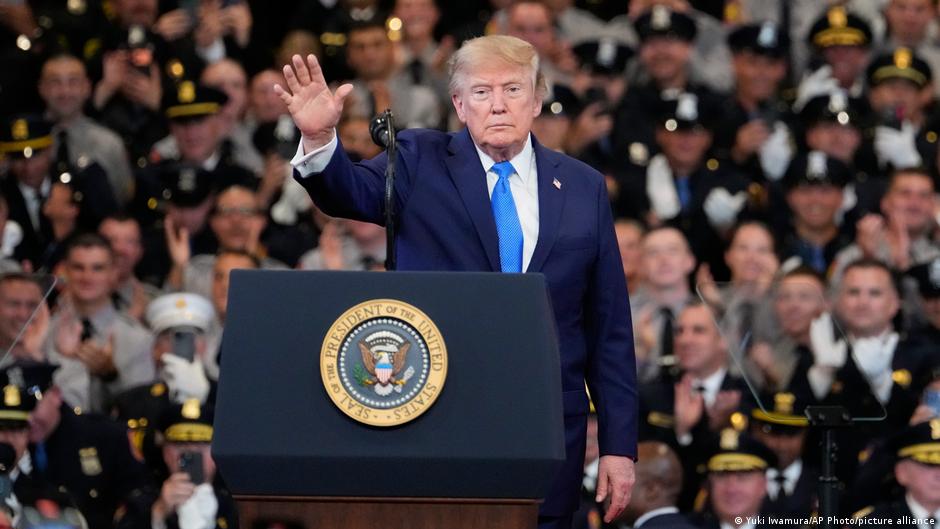
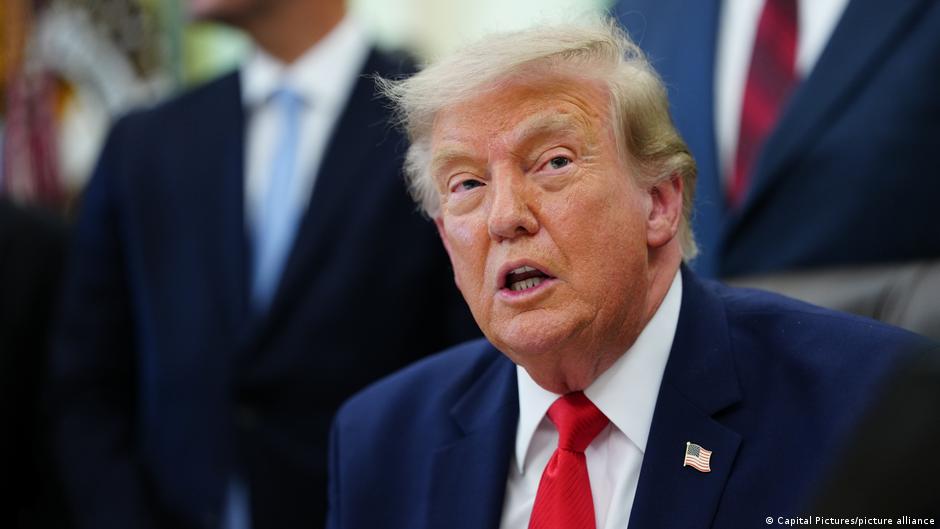
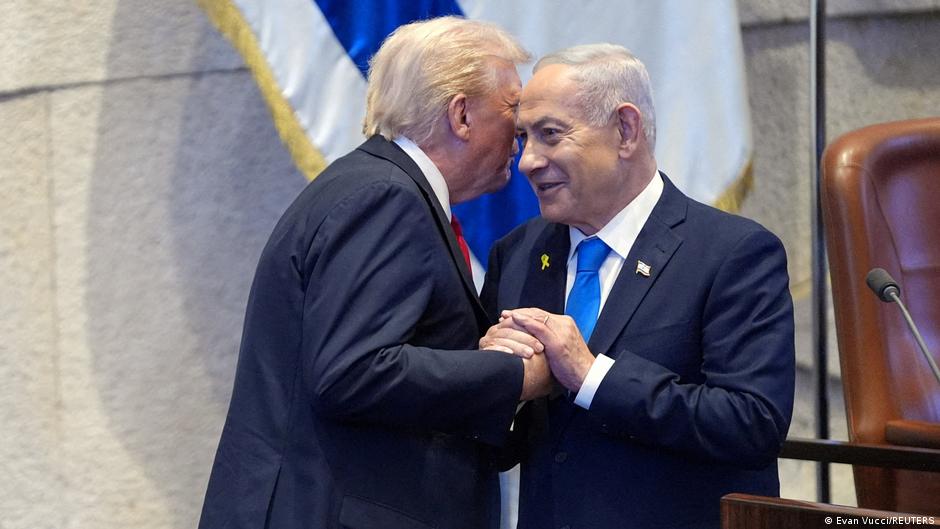
Donald Trump harshly criticized Israeli PM Netanyahu over Lebanon strikes, highlighting risks to regional stability and US diplomatic efforts amid escalating conflict.

Donald Trump postponed a planned May 19 military strike on Iran after Gulf leaders intervened, as serious negotiations aim to prevent conflict and impact fintech sectors.

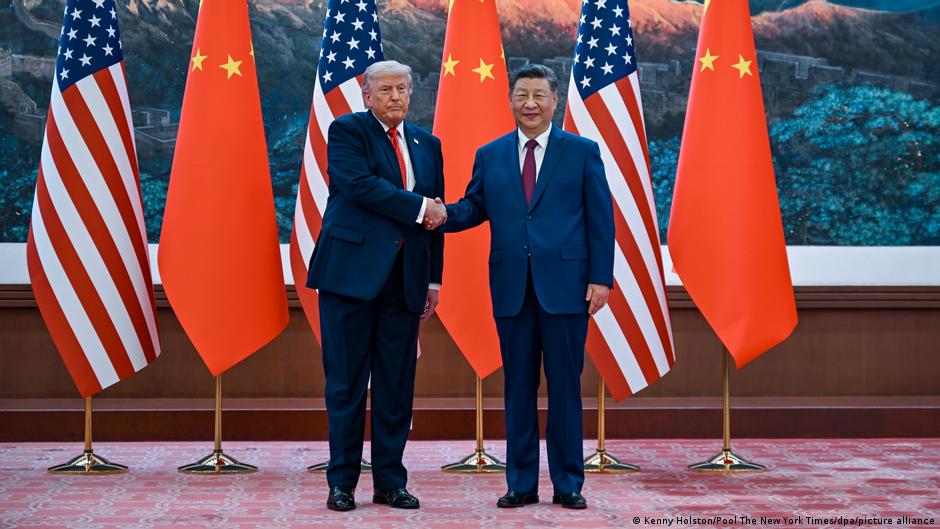
Trump's Beijing visit with Xi Jinping focuses on trade, energy security, and tech cooperation, influencing global fintech and digital economy sectors.

Ukraine’s expanded drone strikes deep into Russia shift conflict momentum, impacting regional cybersecurity, fintech security, and tech market dynamics.

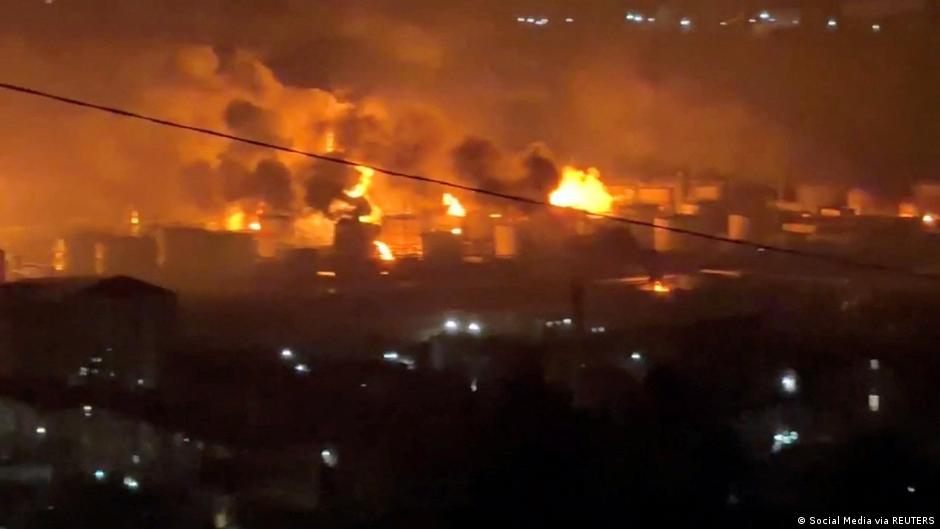
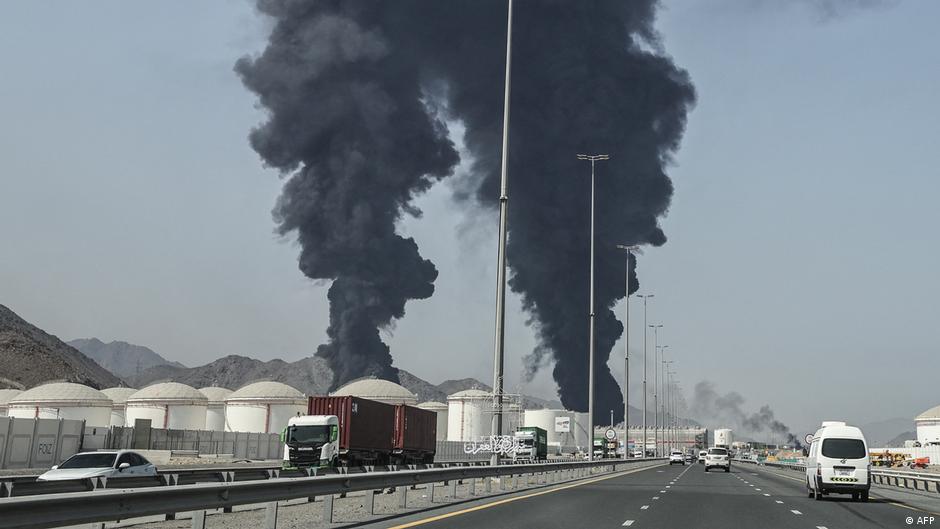
The UAE conducted secret military strikes on Iran’s oil facilities, escalating Gulf tensions and impacting regional economic and security stability amid ongoing drone attacks.

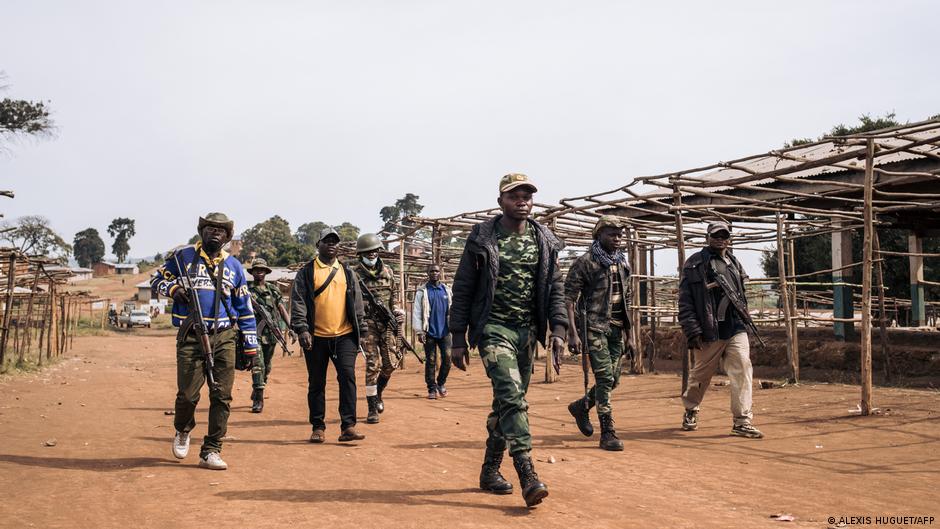
Recent rebel attacks in DR Congo’s Ituri province have caused significant casualties and highlight challenges to fintech growth and digital infrastructure development in the region.

Russia continues military strikes across Ukraine despite Kyiv's ceasefire offer starting May 6, heightening regional instability and raising concerns for digital and fintech sectors.

Iran has submitted a 14-point peace plan to the US demanding sanctions relief and naval guarantees, with significant implications for fintech, digital payments, and regional stability.

US Chargé d’Affaires Julie Davis to leave Kyiv amid tensions with Trump policies, raising concerns over diplomatic stability and impacts on Ukraine’s digital economy.

King Charles III visits the US amid geopolitical tensions, aiming to restore US-UK ties while economic and security concerns impact fintech and defense sectors.

Turkey intensifies efforts to restart Russia-Ukraine peace talks, aiming to mitigate regional conflicts impacting fintech, digital banking, and cybersecurity.