Russian Official to Attend G20 Energy Meeting as Markets Track Security Risks
Russia is expected at the G20 energy meeting in Houston as energy security risks ripple through payments, banking, crypto and tech markets.

Russia is expected at the G20 energy meeting in Houston as energy security risks ripple through payments, banking, crypto and tech markets.

Lukashenko says Belarus will inspect all armed forces up to mobilization readiness, adding risk for payments, crypto and regional tech exposure.

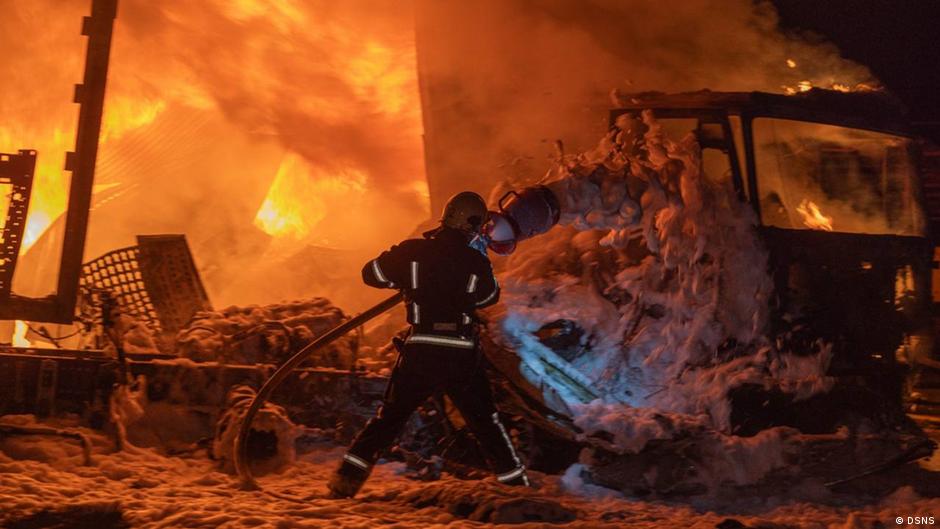
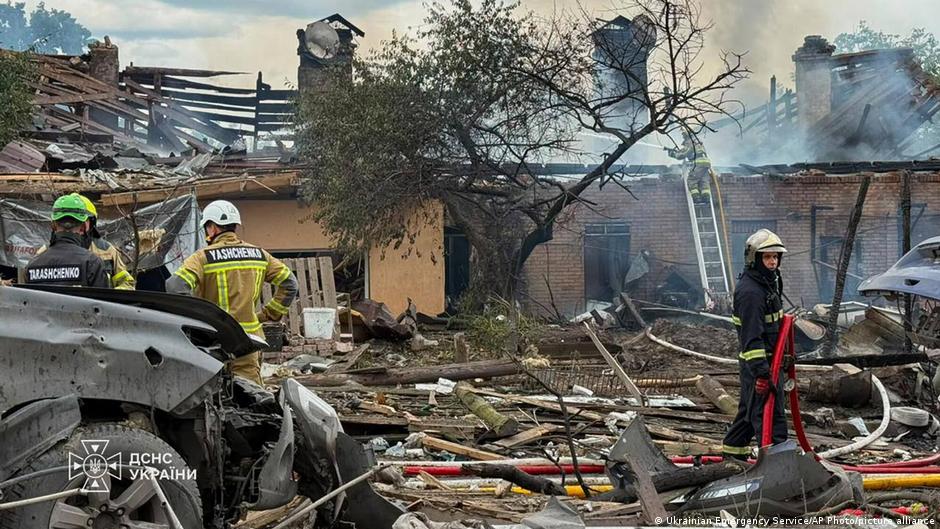
Russian strikes killed civilians in Sumy and Mykolaiv and damaged port, warehouse, postal and residential infrastructure.

Germany’s foreign minister says German defense firms should benefit from Berlin’s Ukraine support, tying aid to procurement and taxpayer accountability.

European leaders reacted sharply to AfD’s projected win in Saxony-Anhalt, a result that could heighten political risk for fintech and digital markets.

Kaja Kallas cancelled a planned EU defence expert group after German and Italian objections, delaying a forum tied to Europe’s security tech agenda.

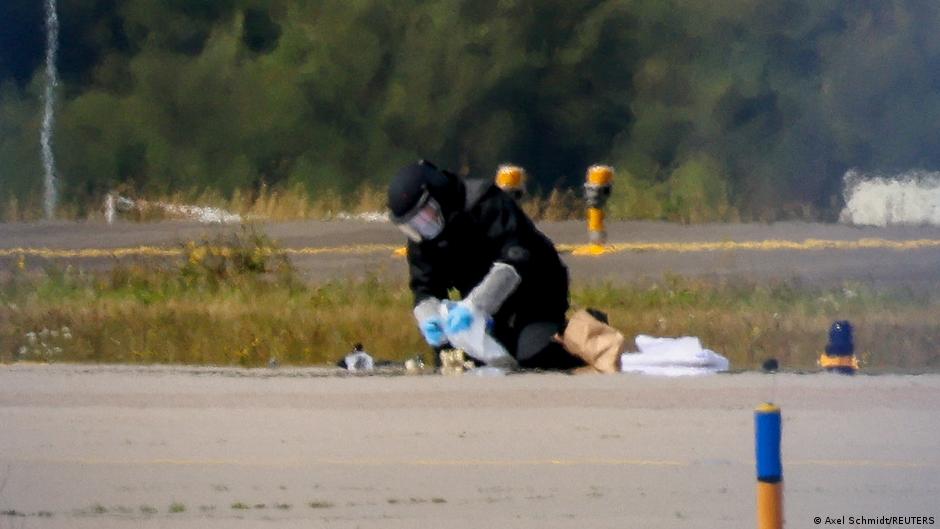
Germany plans drone defenses and a Cyberdome after the Leipzig incident, raising stakes for payments, fintech, logistics and digital infrastructure.

Latvia says a Leipzig sabotage suspect lived in Russia, as the case raises wider concerns over logistics security, sanctions enforcement and trade-related risk.

Russia's covert sabotage campaigns on European defense plants involve criminal groups paid via cryptocurrency, challenging NATO's cybersecurity and response strategies.

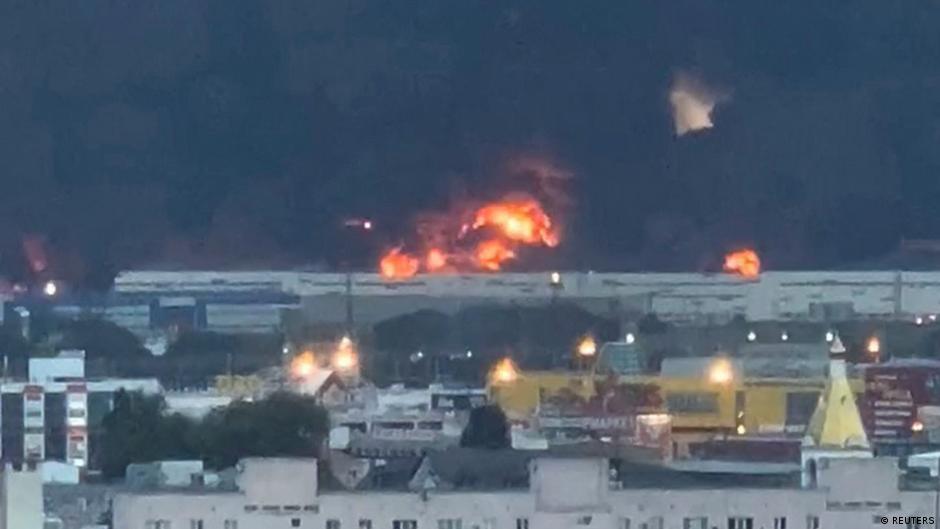
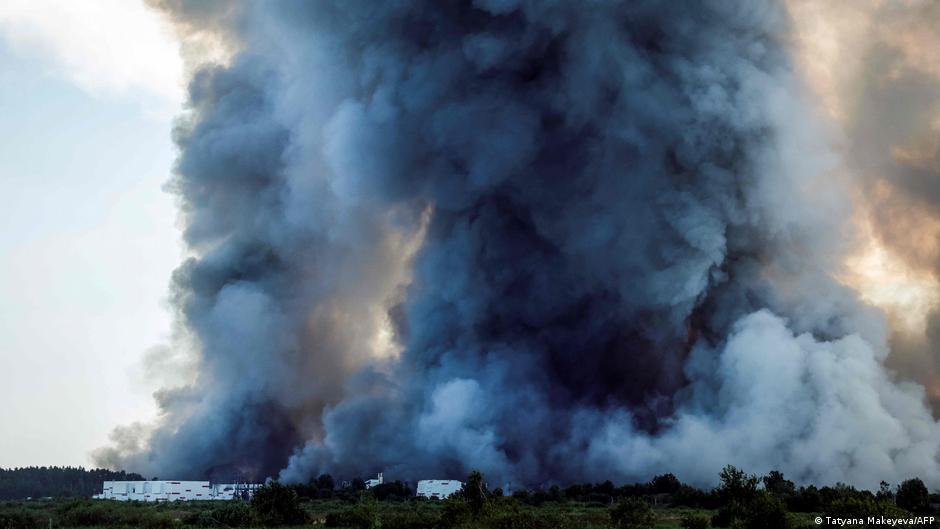
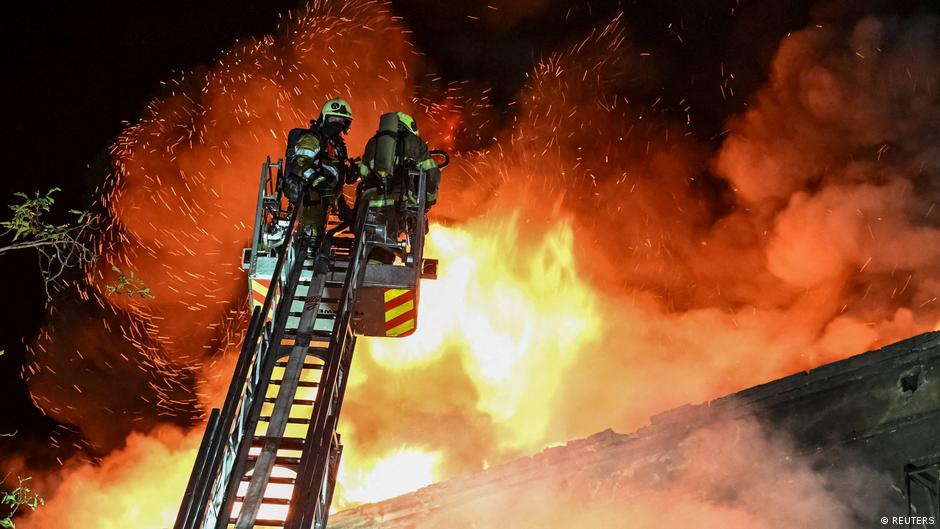
Drone attacks on Ozon’s logistics centers in Krasnodar and Stavropol caused fires, casualties, and disrupted operations, spotlighting physical security challenges in Russia's digital economy.

Russia has established a covert aviation network to supply its military in Africa, bypassing Western sanctions via complex logistics involving military and private carriers.

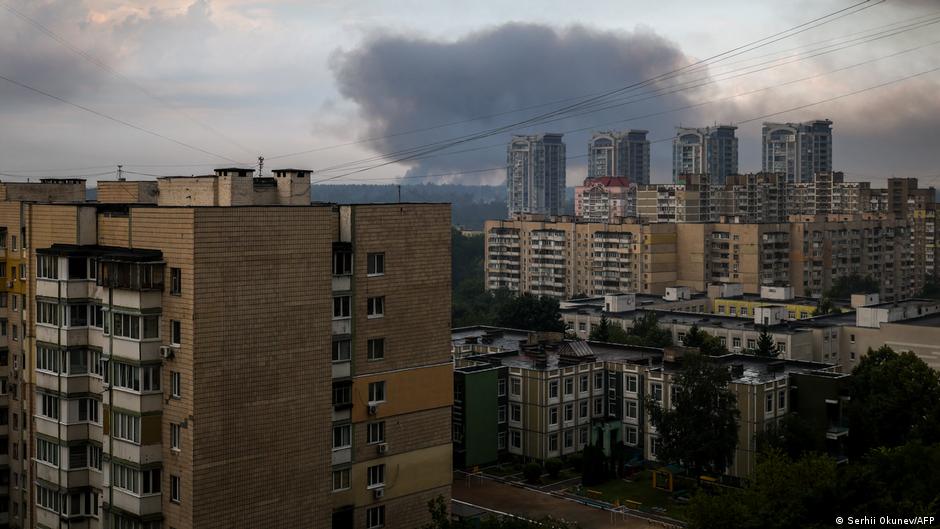
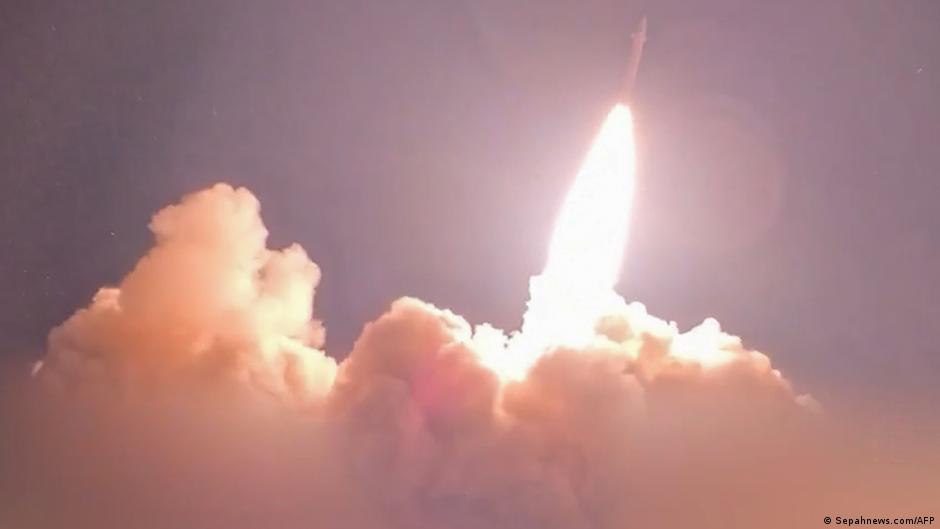
Ballistic missile strikes on Kyiv caused casualties and damaged key infrastructure, raising concerns over the security of Ukraine's digital economy and fintech resilience.

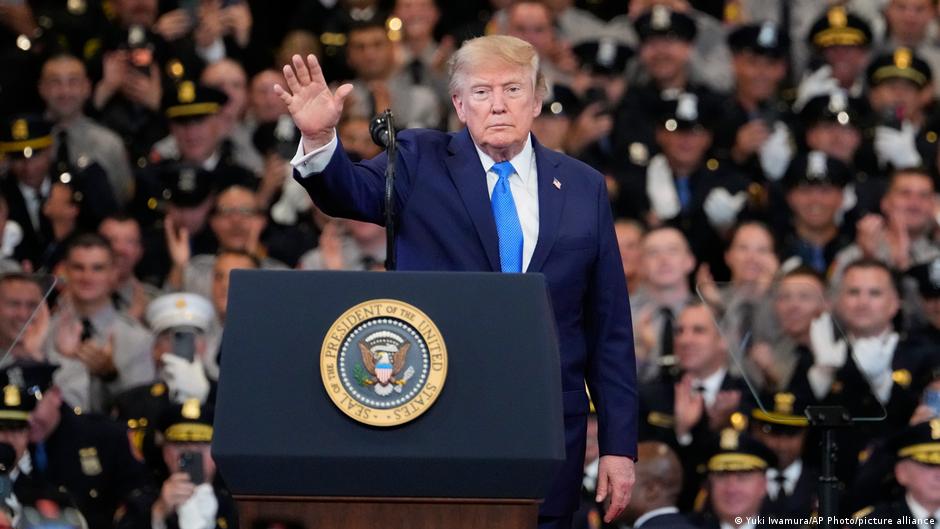
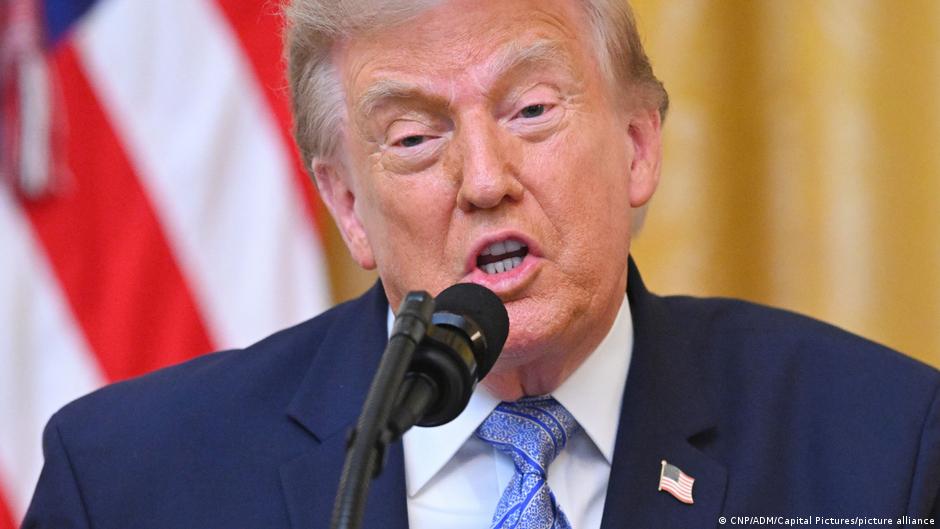
President Trump announced sweeping economic sanctions against Iran, threatening countries that do business with Tehran, impacting global trade, fintech, and digital payments.

US-Iran conflict over the Strait of Hormuz threatens oil trade routes and digital payment systems, with Oman caught in diplomatic crossfire amid escalating military tensions.

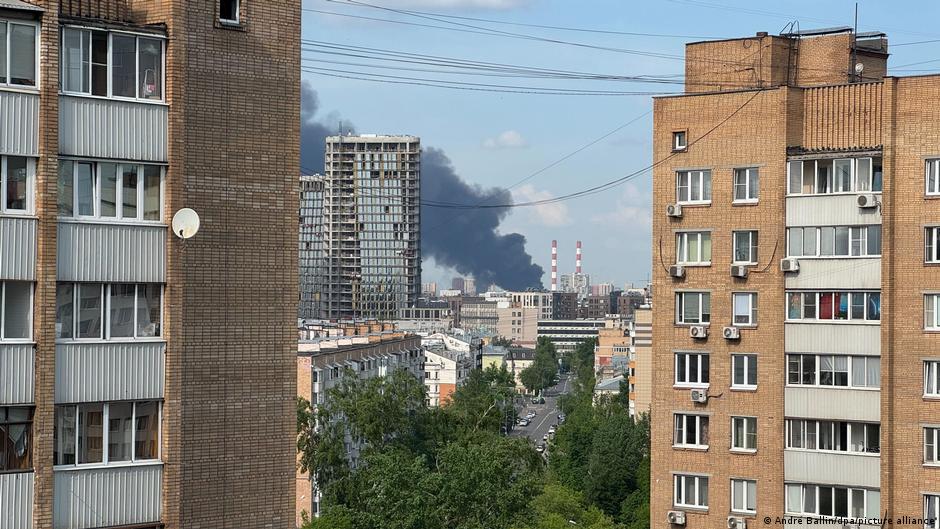
Over 180 drones were intercepted near Moscow amid mass UAV attacks disrupting infrastructure and airspace, raising security concerns for digital economy and fintech sectors.

Russian missile and drone strikes on Kyiv and Kryvyi Rih cause casualties and threaten the stability of Ukraine’s digital economy and fintech infrastructure.

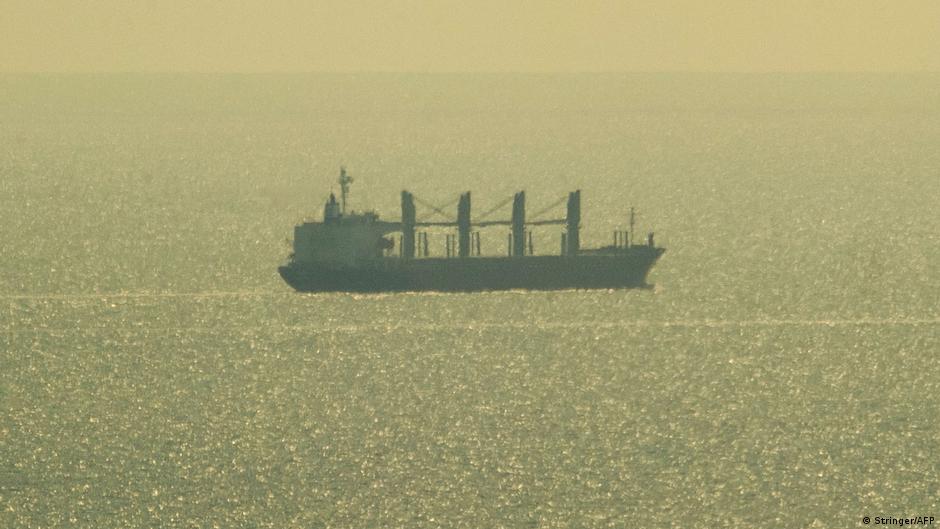
Ukraine sanctions 13 ships and 28 companies over illegal grain exports from Russian-occupied territories, highlighting fintech's role in trade enforcement.

The US has imposed tariffs of up to 100% on imported drones and components to reduce foreign dependence and enhance national security amid cybersecurity concerns.

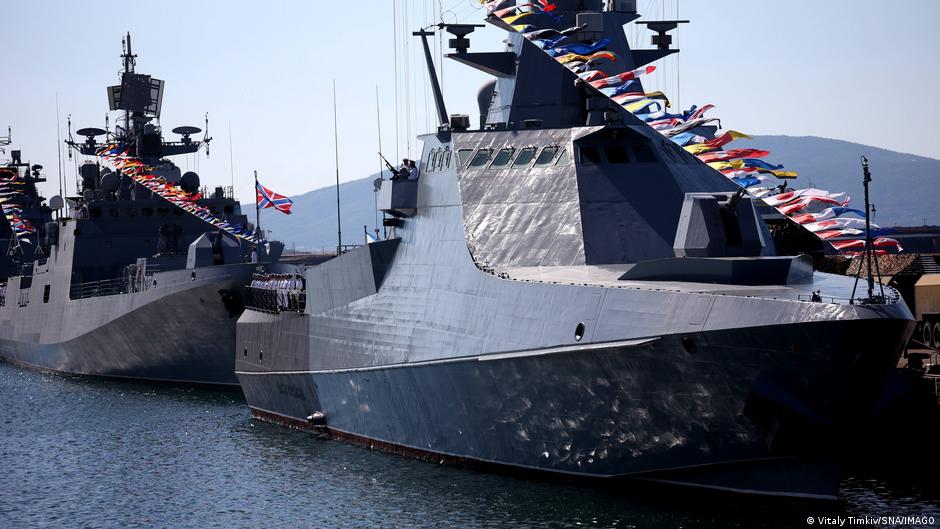
Ukraine reports damaging four Russian Navy ships and key port infrastructure in Novorossiysk, with significant implications for regional economy and security.

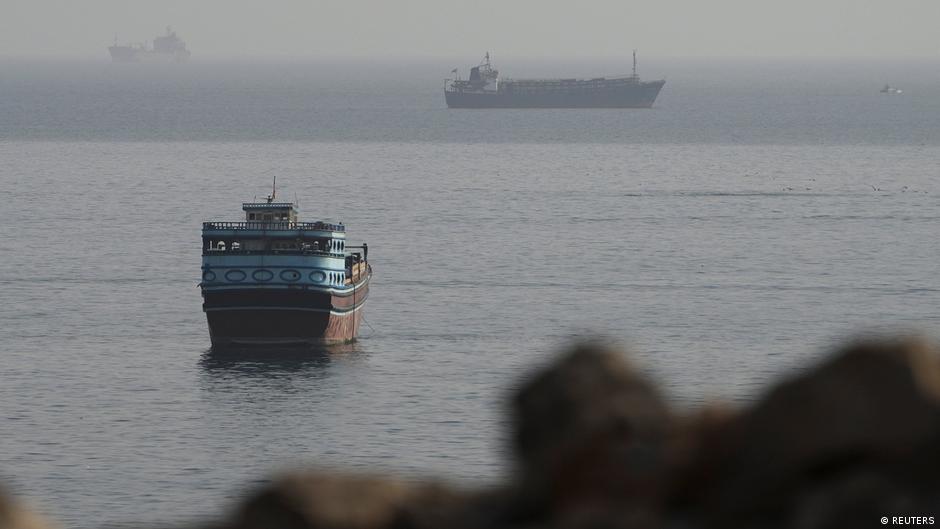
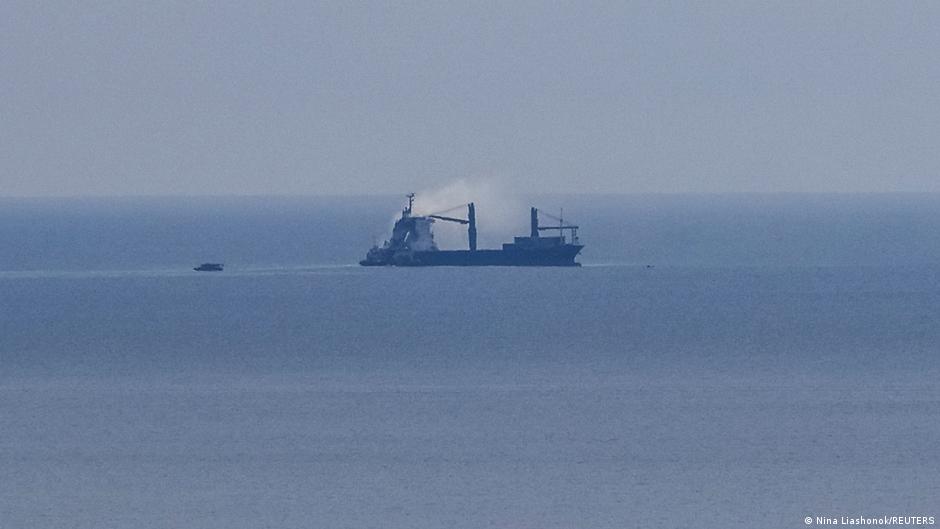
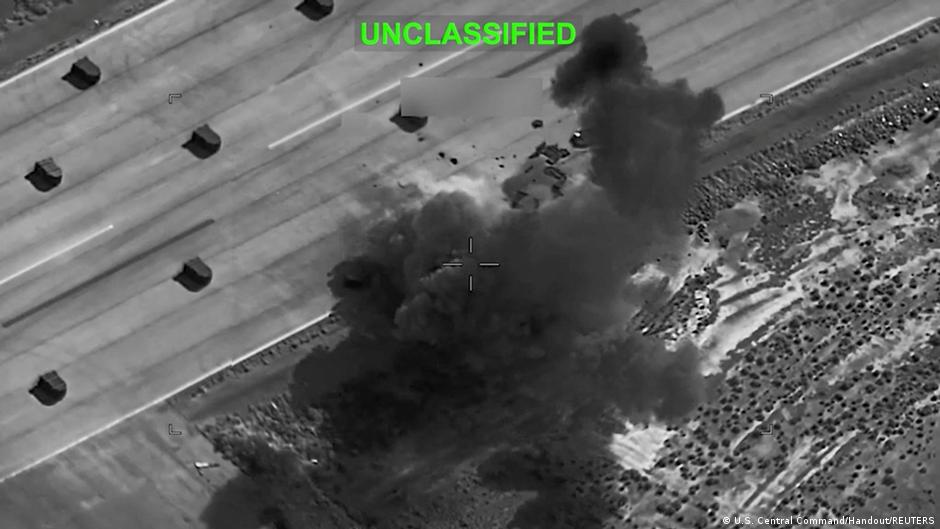
US forces disabled a cargo ship's steering attempting to breach Iran's blockade in the Strait of Hormuz, underscoring US control and geopolitical risks impacting global fintech and trade.

A fire at Wildberries’ Voronezh logistics hub due to drone attacks has disrupted supply chains and caused significant losses, underscoring risks to Russia's digital commerce infrastructure.

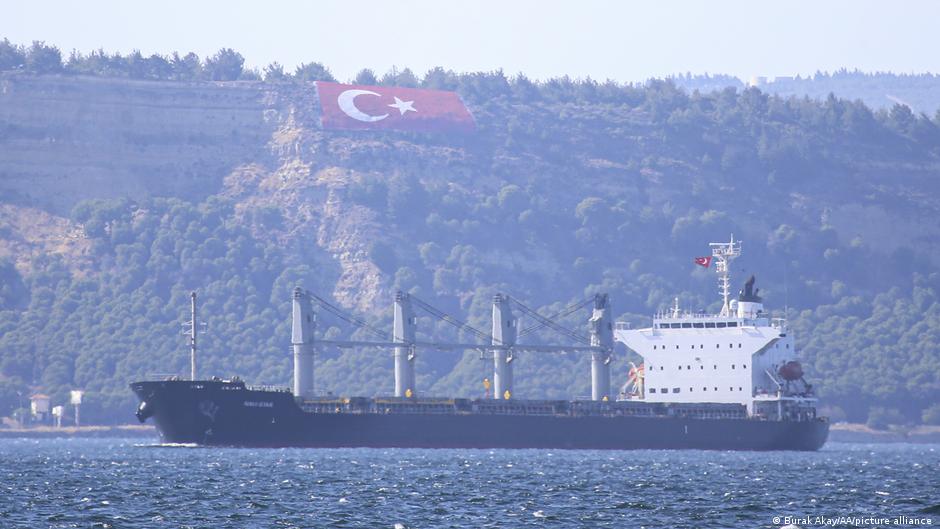
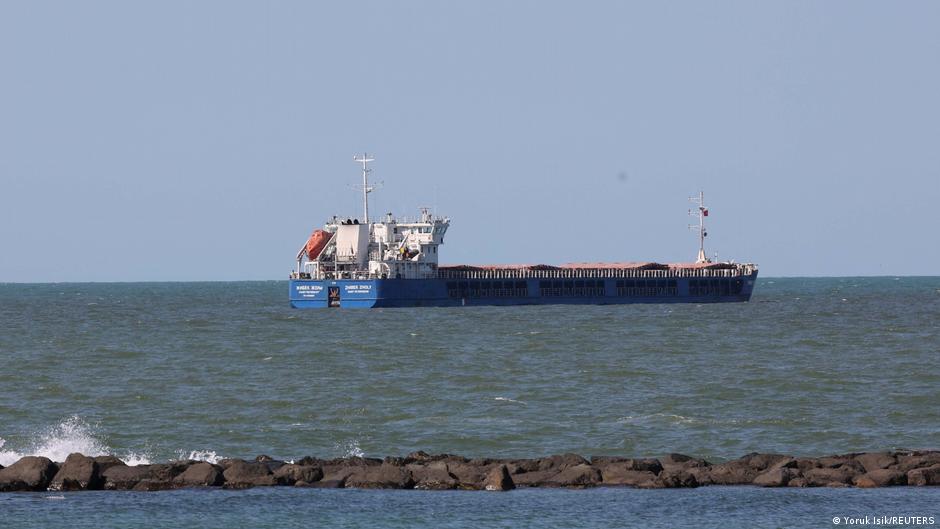
Turkey resumed commercial ship transit through the Dardanelles after restrictions linked to Black Sea conflicts disrupted key maritime trade routes impacting regional and global commerce.

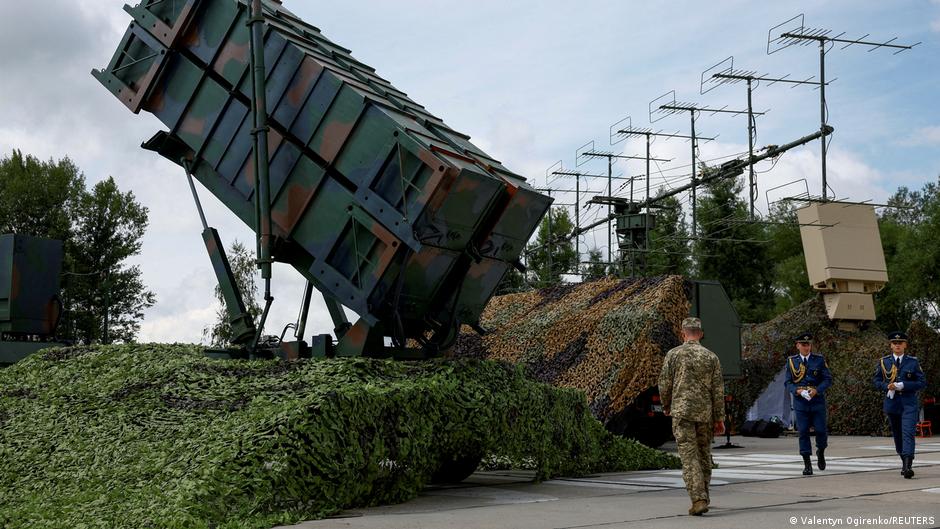
US defense firms Raytheon and Lockheed Martin warn that licensing Patriot missile technology to Ukraine could lead to enhanced missile production and potential intellectual property risks.

The US Senate approved stringent sanctions targeting Russia's energy and financial sectors, impacting global fintech, compliance, and energy trade dynamics.

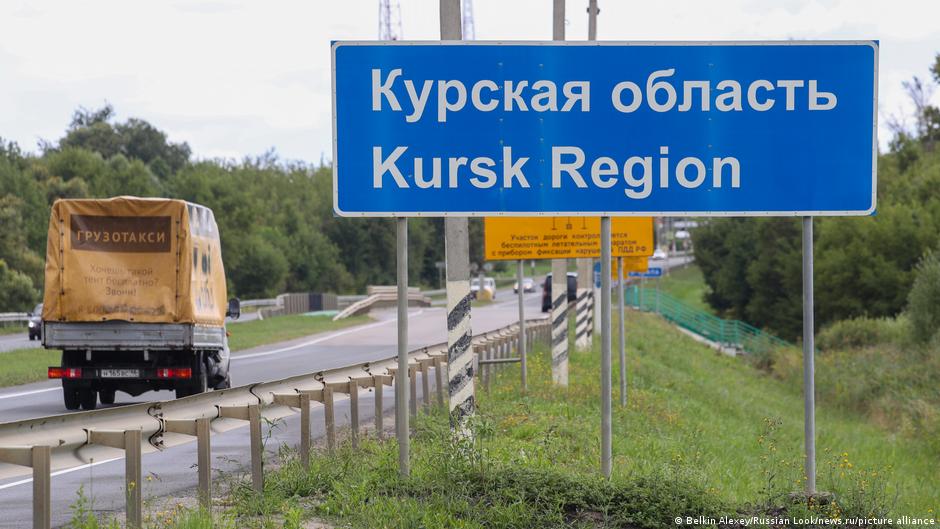
Drone attacks in Russia’s Kursk and Belgorod regions cause casualties and highlight critical infrastructure vulnerabilities, emphasizing the need for advanced security measures.

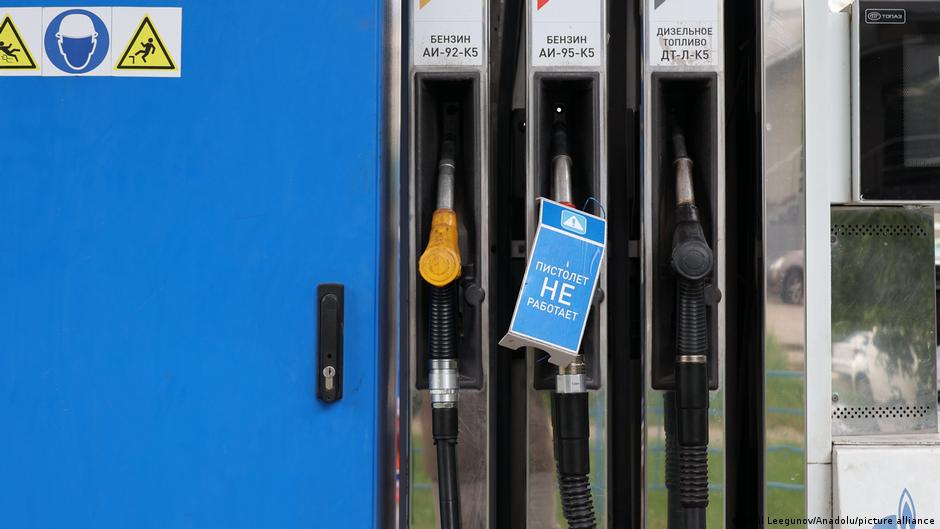
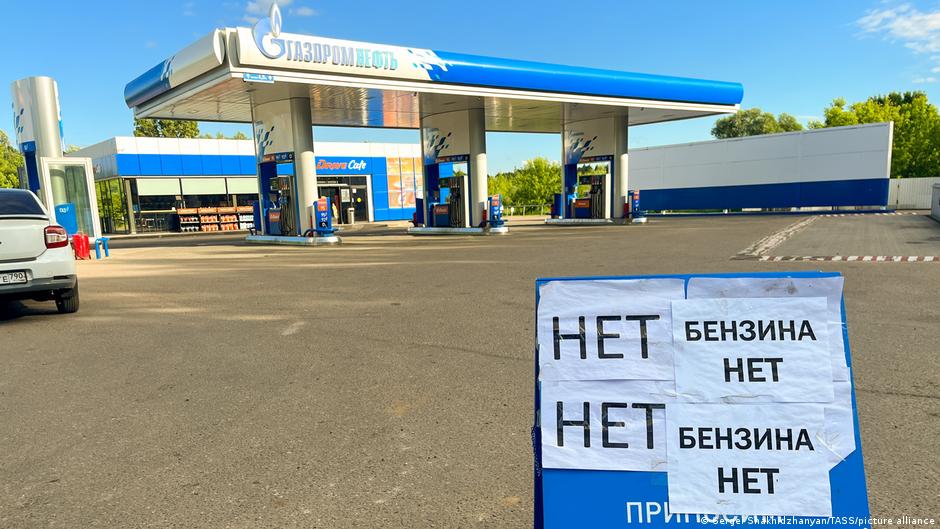
Russia extends permission for lower-grade fuel sales until 2027 amid refinery disruptions caused by attacks, impacting fuel supply, vehicle safety, and fintech-enabled payment systems.

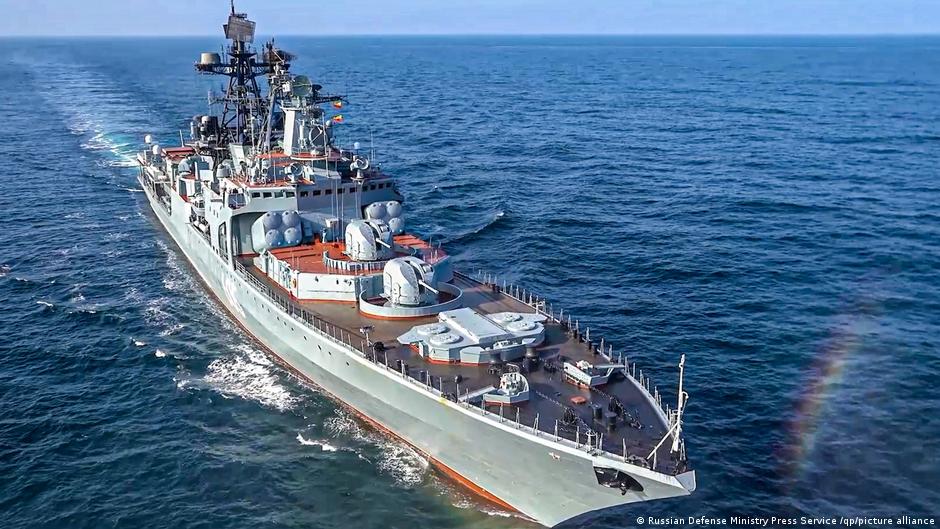
Russia moves its anti-submarine ship Admiral Levchenko to the Baltic Sea to secure shadow fleet operations, impacting maritime security and fintech risk management.

US forces intercepted Iranian ballistic missiles targeting American troops in the Middle East, underscoring risks to regional security and fintech sectors amid rising tensions.

The US Senate advances a bill imposing heavy tariffs on Russia, with broad implications for fintech, digital banking, and sanctions compliance.

German politician Alexander Hoffmann urges Ukraine to share advanced drone technologies to enhance Germany's defense capabilities through a formal government agreement.

The EU has summoned the Russian envoy after missile strikes on a Kyiv arms exhibition and Latvian consulate, highlighting growing concerns over drone warfare and digital defense technologies.

Wildberries logistics centers in Saint Petersburg, Tver, and Crimea were attacked, disrupting Russia's e-commerce supply chains and highlighting vulnerabilities in the digital economy.

Ukraine calls for an emergency UN Security Council session after Russia attacks commercial ships in the Black Sea, threatening global food security and maritime trade.

Russia's petroleum product production index fell nearly 22% in June amid ongoing infrastructure disruptions, impacting fuel availability and market dynamics.

Iran’s Revolutionary Guard mined and attacked an oil tanker in the Strait of Hormuz, impacting global energy trade and digital financial networks connected to maritime oil shipments.

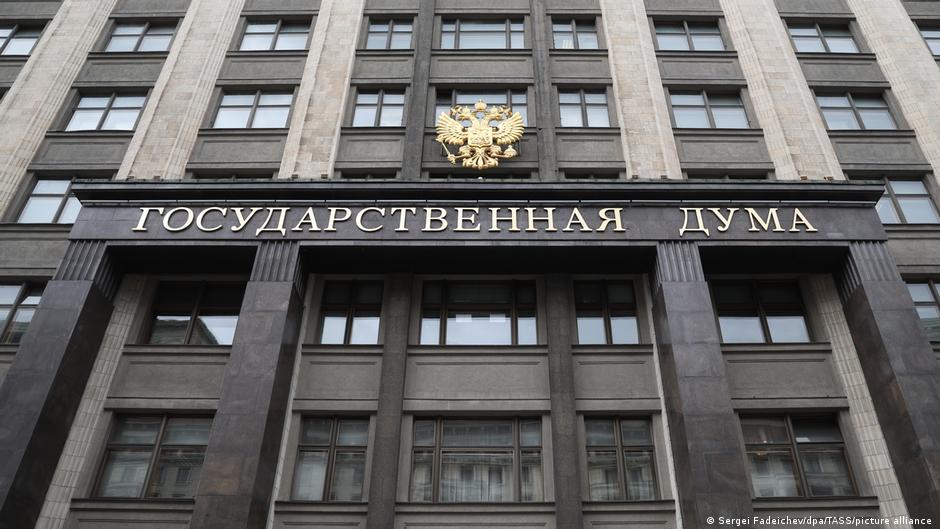
Russia's State Duma amends fuel dampener laws to stabilize prices, expand supply, and introduce new compensation schemes, affecting energy markets and fintech-related trading mechanisms.

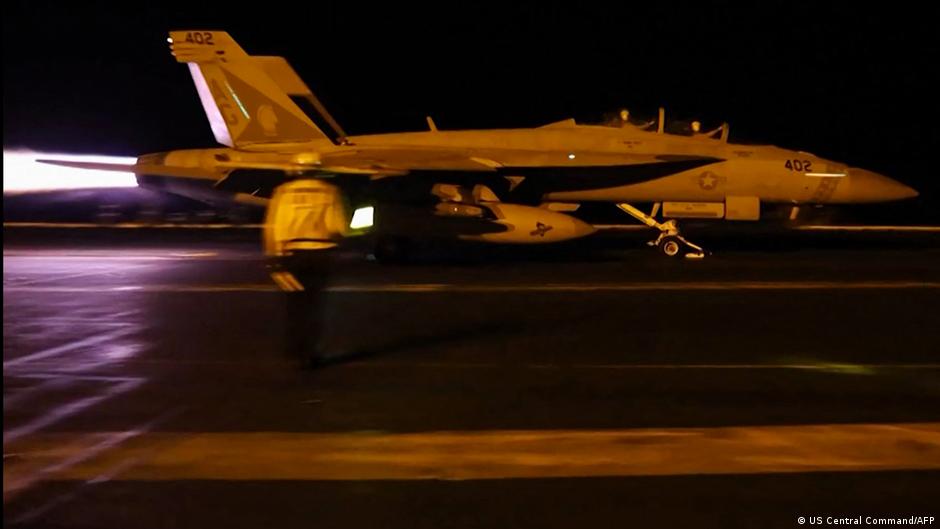
US military strikes on Iran enter tenth day, targeting missile sites and air defenses, escalating regional tensions with implications for global trade, fintech, and cybersecurity.

The US has imposed 50% tariffs on Canadian imports, affecting cross-border trade and potentially disrupting fintech, digital payments, and e-commerce between the two countries.

Russian forces struck Ukrainian cities Zaporizhzhia and Sumy with guided aerial bombs, causing civilian deaths, injuries, and significant damage to residential and industrial infrastructure, with implications for regional fintech and digital economy stability.

US strikes on Iran continue for the ninth night, disrupting Gulf trade routes and impacting energy supply chains, with significant implications for fintech and cybersecurity sectors.

US plans to allow Saudi Arabia uranium enrichment without strict IAEA oversight raise nuclear proliferation risks and impact fintech, cybersecurity, and tech investments.

Ukrainian drone strikes on Russian logistics centers and urban areas disrupt supply chains, highlighting vulnerabilities in critical infrastructure and digital economy security.

CIA Director John Ratcliffe highlights how AI-powered drones drastically cut Russian soldier survival times in Ukraine, reshaping warfare and defense tech investment landscapes.

Russian missile and drone strikes on Kyiv and Kharkiv raise concerns about the resilience of Ukraine's digital economy, fintech hubs, and cybersecurity infrastructure amid ongoing conflict.

Russian forces struck Izium, Ukraine, using Shahed drones and precision bombs, causing civilian casualties and damaging infrastructure, highlighting risks to digital and economic stability.

US military strikes near the Strait of Hormuz aim to prevent Iranian attacks on commercial shipping, affecting global oil trade and digital economy security.

US military strikes on Iran escalate tensions, closing the Strait of Hormuz and disrupting global oil flows with significant implications for fintech, digital payments, and cybersecurity.

Russian drone strikes in Kharkiv and Dnipro cause civilian harm and infrastructure damage, raising cybersecurity and economic risks for Ukraine’s digital economy and fintech sector.

Russia has closed the Azov-Don Canal after Ukrainian drone strikes on vessels, disrupting grain exports and raising concerns for fintech and digital trade sectors.

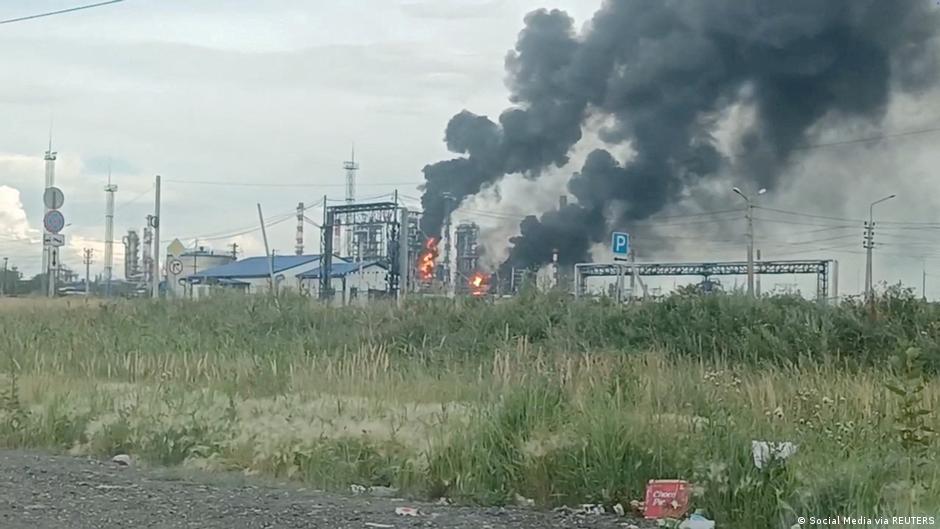
The Saratov oil refinery in Russia has ceased operations after drone attacks damaged key processing units, intensifying fuel shortages and impacting the digital economy.