Latvia Says Leipzig Sabotage Suspect Lived in Russia as Probe Broadens
Latvia says a Leipzig sabotage suspect lived in Russia, as the case raises wider concerns over logistics security, sanctions enforcement and trade-related risk.

Latvia says a Leipzig sabotage suspect lived in Russia, as the case raises wider concerns over logistics security, sanctions enforcement and trade-related risk.

Volkswagen approved a vast restructuring plan with 50,000 job cuts, major model reductions and a 135 billion euro investment program through 2031.

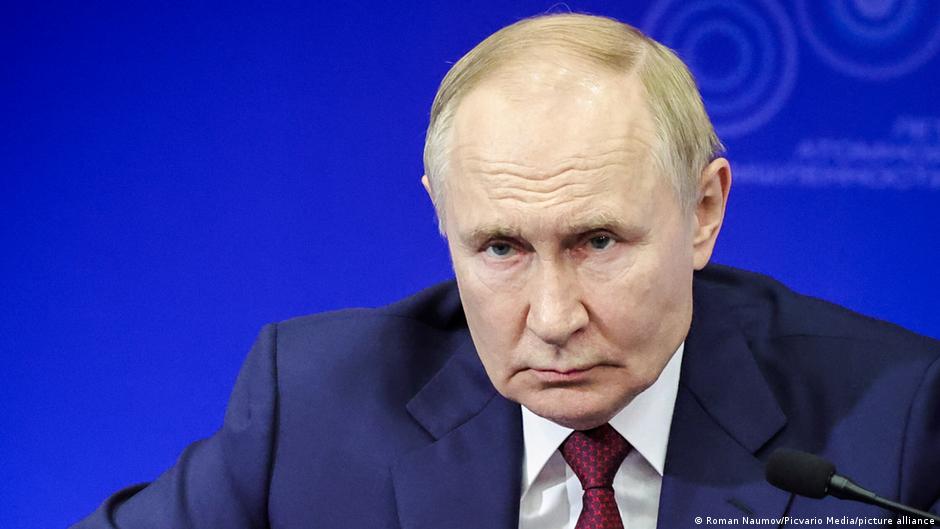
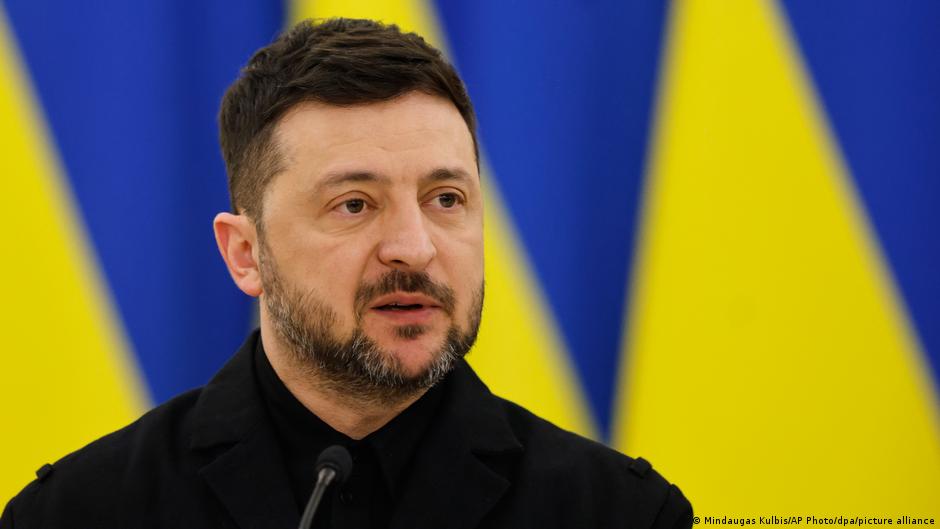
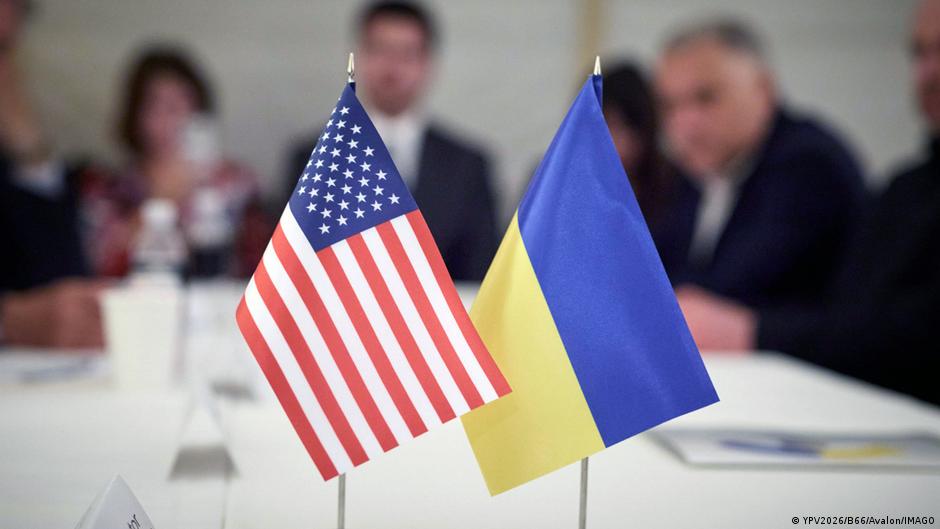
Putin said peace through diplomacy is possible, while Zelensky said U.S. envoys will visit Kyiv and Moscow to discuss a possible agreement.

Russia says it will shut Goethe-Institut branches after Berlin tightened sanctions and moved against the Russian House, raising wider compliance signals.

Putin told Pashinyan that Armenia’s move toward EU membership would amount to leaving the EEU, escalating a dispute with implications for trade and finance.

Daniel Driscoll's reported resignation adds uncertainty around Pentagon procurement, cybersecurity priorities and defense-tech market signals.

Foreign investment in Germany rose 50% to 86 billion euros in 2025, led by Britain and EU investors as US capital sharply declined.
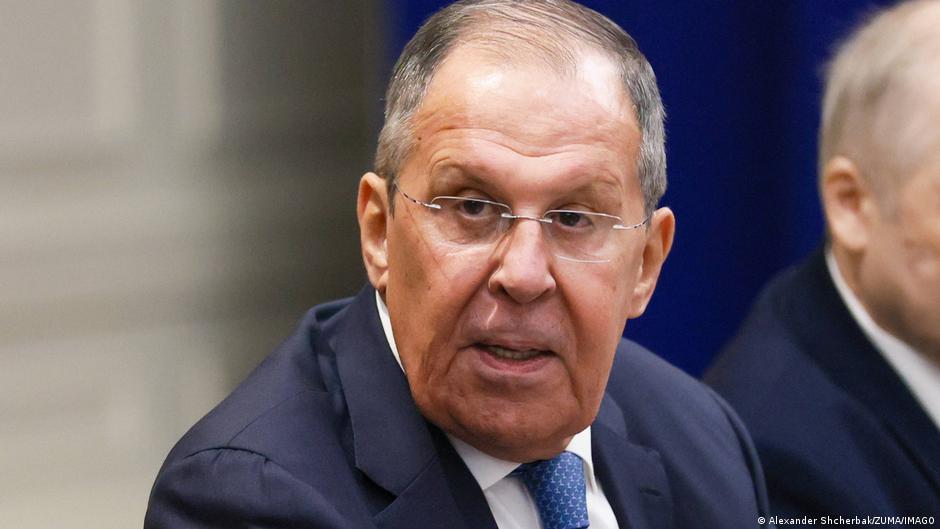
Reuters reports the U.S. told Russia at the G20 not to expect sanctions relief before the war in Ukraine ends, extending pressure across finance and payments.

Meta’s $18B settlement mandates sweeping child-safety reforms relying on imperfect age-verification tech, underscoring challenges in balancing safety and privacy in digital platforms.

The US removal of Syria from the terrorism sponsor list opens pathways for economic integration, fintech growth, and digital banking expansion amid complex regional geopolitics.

Russia's covert sabotage campaigns on European defense plants involve criminal groups paid via cryptocurrency, challenging NATO's cybersecurity and response strategies.

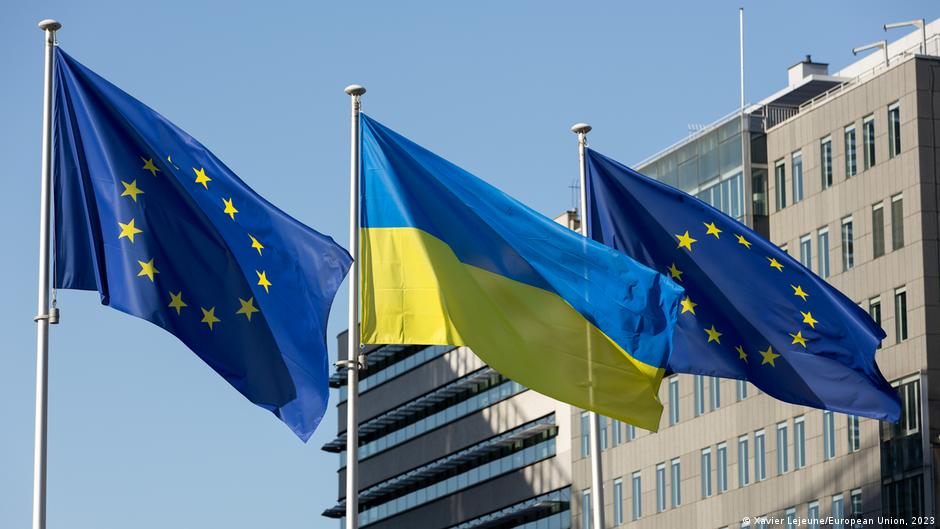
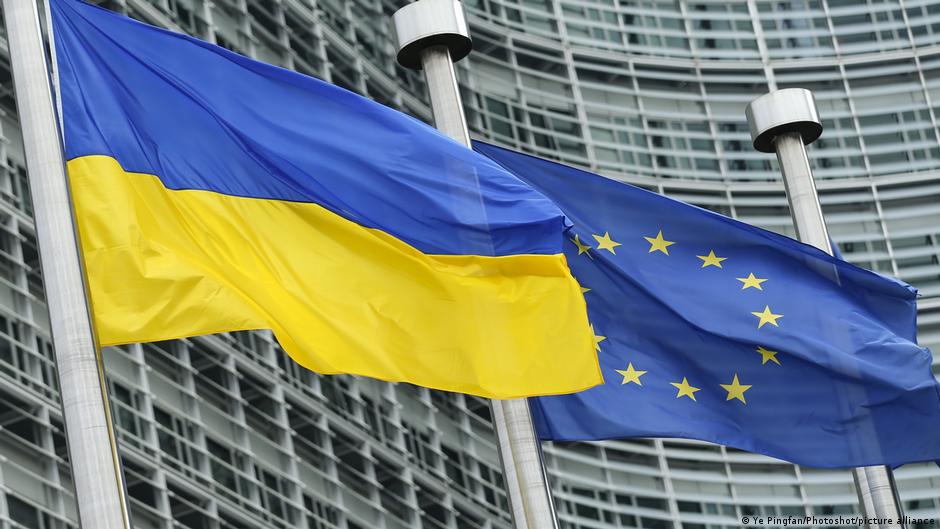
The EU pledges sustained support for Ukraine, emphasizing sanctions on Russia and prospects for Ukraine's EU integration, with implications for fintech and digital economy sectors.

NATO affirms readiness to counter potential Iranian strikes on European military sites, highlighting cybersecurity and fintech risks amid rising geopolitical tensions.

President Trump announced sweeping economic sanctions against Iran, threatening countries that do business with Tehran, impacting global trade, fintech, and digital payments.

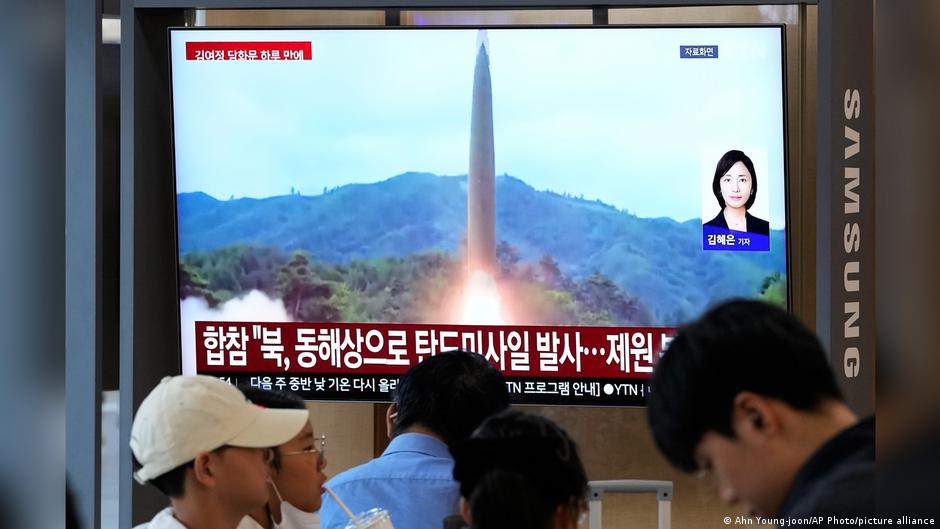
US President Trump plans a meeting with North Korea's Kim Jong Un this fall to restart nuclear talks amid growing concerns over Pyongyang's expanding arsenal.

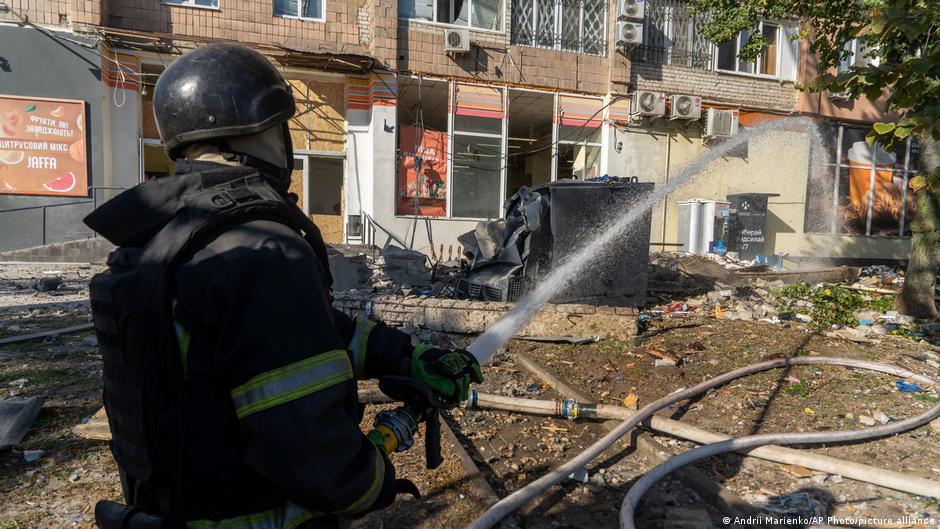
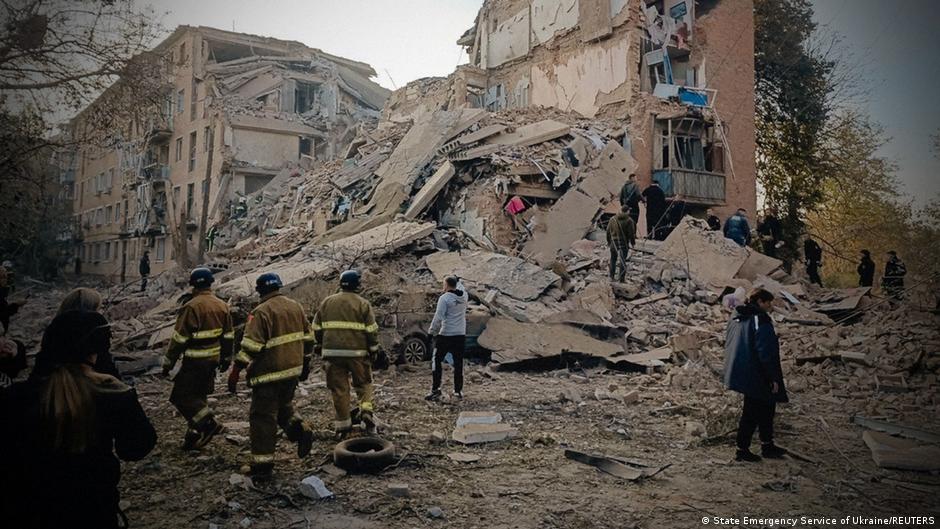
Russian drone strikes on Zaporizhzhia caused casualties and infrastructure damage, raising concerns over cybersecurity and digital infrastructure resilience in conflict zones.

US-Iran conflict over the Strait of Hormuz threatens oil trade routes and digital payment systems, with Oman caught in diplomatic crossfire amid escalating military tensions.

Hundreds protested in Kyiv and other Ukrainian cities demanding Mikhail Fedorov’s reinstatement as Defense Minister amid government reshuffles and calls for reform.

The US will reduce joint military exercises with South Korea, citing costs and diplomacy with North Korea, impacting regional stability vital to fintech and cybersecurity sectors.

Jared Kushner’s talks with Hamas leaders highlight how Middle East geopolitical tensions affect fintech, digital banking, and cybersecurity amid ongoing Gaza conflict.

Support for Germany's CDU/CSU drops to 20% with far-right AfD leading polls; upcoming regional elections may reshape political and fintech sector landscapes.

President Trump plans to declare the Strait of Hormuz U.S. territory, affecting global energy security and digital financial markets amid ongoing U.S.-Iran tensions.

Venezuela freed 131 political prisoners and agreed on judicial reforms after reconciliation talks, potentially impacting the country's fintech and digital economy sectors.

Russian-linked hacker group Cl0p claims to have breached data from nearly 50 global companies, raising concerns about cybersecurity in fintech and digital banking.

Caroline Leavitt resigns as White House Press Secretary to focus on family, prompting notable shifts in political communication during a critical period for digital economy policies.

Drone attacks on Belgorod caused damage to residences and critical infrastructure, injuring 13 and exposing vulnerabilities in regional digital and energy systems.

Ukrainian and Serbian presidents met in Belgrade to discuss economic ties, energy cooperation, and security, signaling potential fintech and digital economy collaboration.

Russia has declared the US-based Human Rights Foundation undesirable, citing its digital projects like the Tyranny Tracker and critical content against Russian authorities.

The Ukrainian Security Service reports a 40-day campaign striking over 100 strategic sites in Russia, notably targeting energy infrastructure to undermine military capacity and impact the digital economy.

Former Ukrainian general Valeriy Zaluzhnyi says Ukraine will not join NATO but seeks advanced defense tech and new security alliances like the Joint Expeditionary Force.

Repeated attacks on the Belgorod reservoir have caused severe water level drops, exposing critical infrastructure vulnerabilities and raising cybersecurity concerns.

NATO considers deploying tactical nuclear weapons in Finland, Poland, and Lithuania, raising security and digital economy concerns amid Russian threats.

The US Senate advances a bill imposing heavy tariffs on Russia, with broad implications for fintech, digital banking, and sanctions compliance.

Germany reports 410 individuals deemed Islamist threats, with rising consultations on radicalization and concerns over extremist influences on digital security and fintech sectors.

Ukraine's president warns Russia plans expanded mobilization with 30,000 North Korean troops and missile support, raising regional security and fintech risk concerns.

German politician Alexander Hoffmann urges Ukraine to share advanced drone technologies to enhance Germany's defense capabilities through a formal government agreement.

The EU has summoned the Russian envoy after missile strikes on a Kyiv arms exhibition and Latvian consulate, highlighting growing concerns over drone warfare and digital defense technologies.
Montenegro will end visa-free entry for Russian and Belarusian citizens after October 2026, impacting fintech, digital payments, and cross-border economic ties amid EU integration efforts.

The US lifts sanctions on Miami-based Bel-Kap-Steel, linked to Belarusian steel giant BMZ, amid significant releases of political prisoners and broader easing of penalties.

Ukraine calls for an emergency UN Security Council session after Russia attacks commercial ships in the Black Sea, threatening global food security and maritime trade.

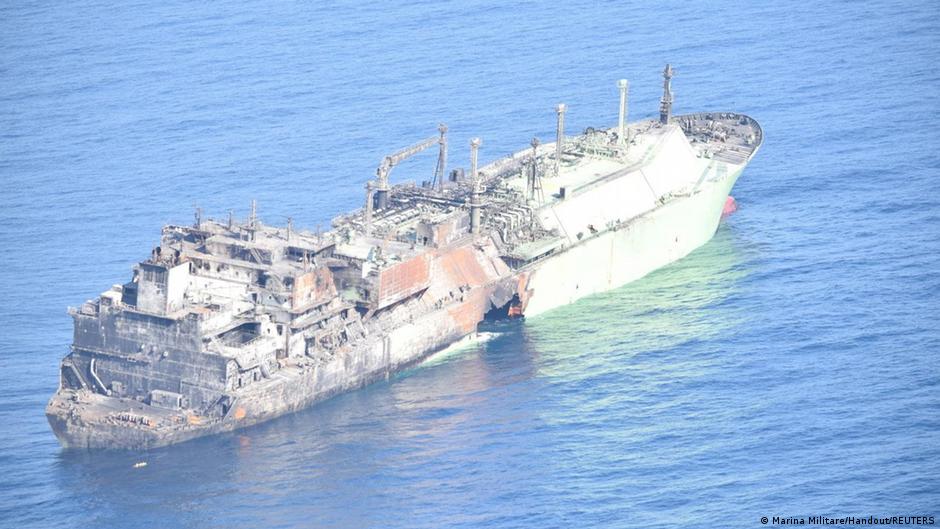
Iran’s Revolutionary Guard mined and attacked an oil tanker in the Strait of Hormuz, impacting global energy trade and digital financial networks connected to maritime oil shipments.

The US has imposed 50% tariffs on Canadian imports, affecting cross-border trade and potentially disrupting fintech, digital payments, and e-commerce between the two countries.

Russian forces struck Ukrainian cities Zaporizhzhia and Sumy with guided aerial bombs, causing civilian deaths, injuries, and significant damage to residential and industrial infrastructure, with implications for regional fintech and digital economy stability.

Russia proposes expanding military contract eligibility to convicts of serious crimes amid mobilization efforts, including banditry and drug smuggling charges.

Hungary’s veto on key EU negotiation clusters delays Ukraine’s integration into digital economy frameworks, affecting fintech, payments, and cybersecurity progress.

Ukrainian drone strikes on Russian logistics centers and urban areas disrupt supply chains, highlighting vulnerabilities in critical infrastructure and digital economy security.

Ukraine's parliament is set to approve Sergey Koretsky as the new Prime Minister, marking a significant government reshuffle with implications for the digital economy and energy sectors.

The US is advancing plans to restore an Iraq-Syria oil pipeline bypassing the Strait of Hormuz, aiming to reduce Iran's influence and reshape regional energy routes.

Russian forces struck Izium, Ukraine, using Shahed drones and precision bombs, causing civilian casualties and damaging infrastructure, highlighting risks to digital and economic stability.

A massive wildfire near Paris scorched over 1,300 hectares, prompting arrests for suspected arson and raising concerns about climate-driven risks to infrastructure and the digital economy.