US Weighs Lifting Sanctions on Russian Fund in Diesel Trade Push
Washington is reviewing sanctions on RDIF as Moscow seeks a role for the fund in Russian diesel deliveries, raising new payment and compliance questions.

Washington is reviewing sanctions on RDIF as Moscow seeks a role for the fund in Russian diesel deliveries, raising new payment and compliance questions.

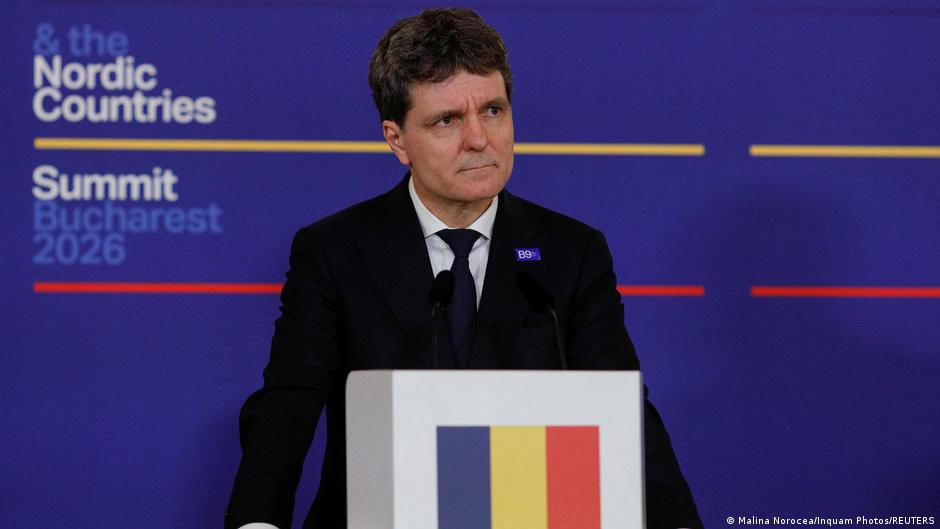
Romania says a Russian-coordinated network targeted an arms plant, intensifying concerns over Europe’s defense, satellite and digital infrastructure.

Possible US-Ukraine-Russia talks in Abu Dhabi or Switzerland put geopolitical risk for fintech, crypto, payments and European tech back in focus.

Trump says SpaceX restored Starlink access in Ukraine, highlighting the strategic and financial risks tied to privately controlled digital infrastructure.

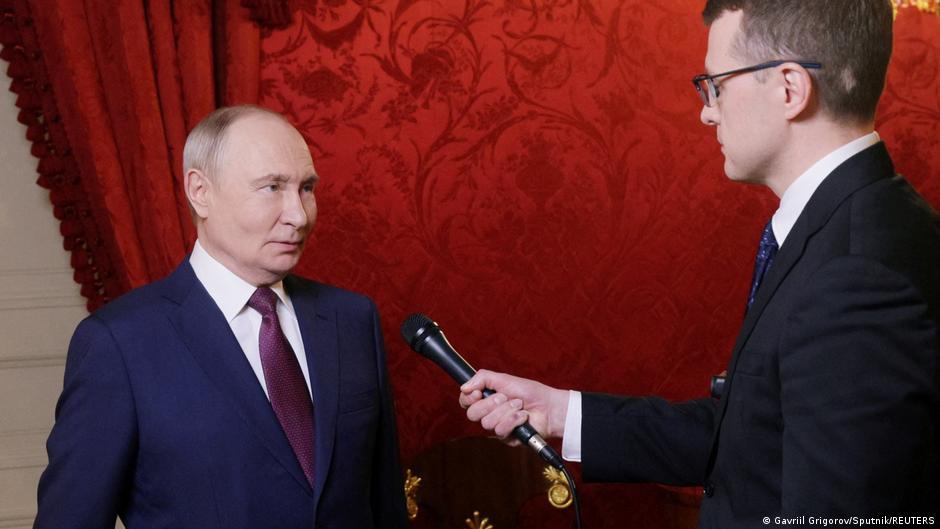
Putin backed renewed US-mediated talks with Kyiv but rejected a front-line freeze, leaving risks unresolved for payments, crypto, digital banking and tech.

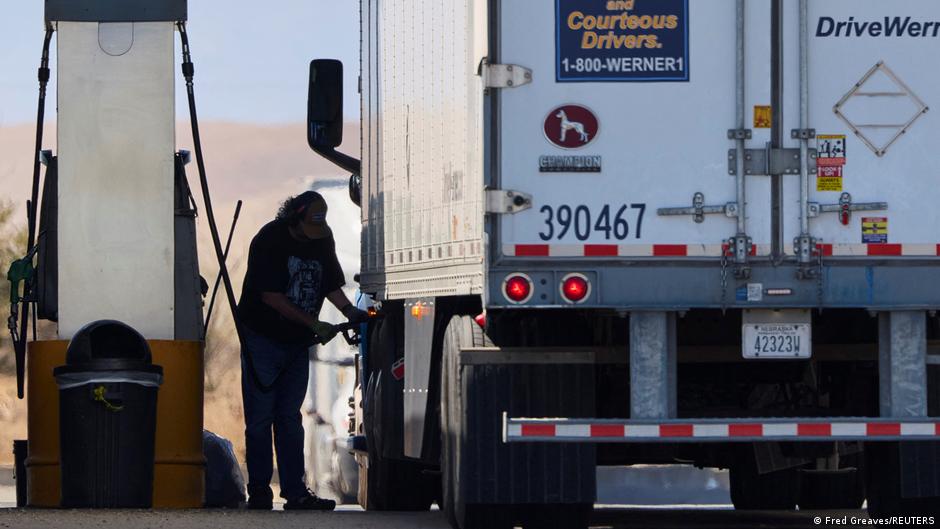
A bipartisan Senate group warns Trump’s Russian diesel deal could fund Moscow’s war while offering little relief to U.S. fuel consumers.

Finland’s Elina Valtonen urges an EU-wide halt to Russian tourist visas, adding pressure to Europe’s sanctions and compliance agenda.

Trump said Putin is more interested than Zelensky in a Ukraine peace deal as Kyiv urged U.S. pressure over an energy ceasefire.

Reported U.S. pressure on Ukraine over refinery strikes raises questions for energy markets, payments compliance, crypto risk and tech stocks.

A bipartisan House bill would seek to ban Russian oil purchases, raising compliance questions for payments, banking and digital finance firms.

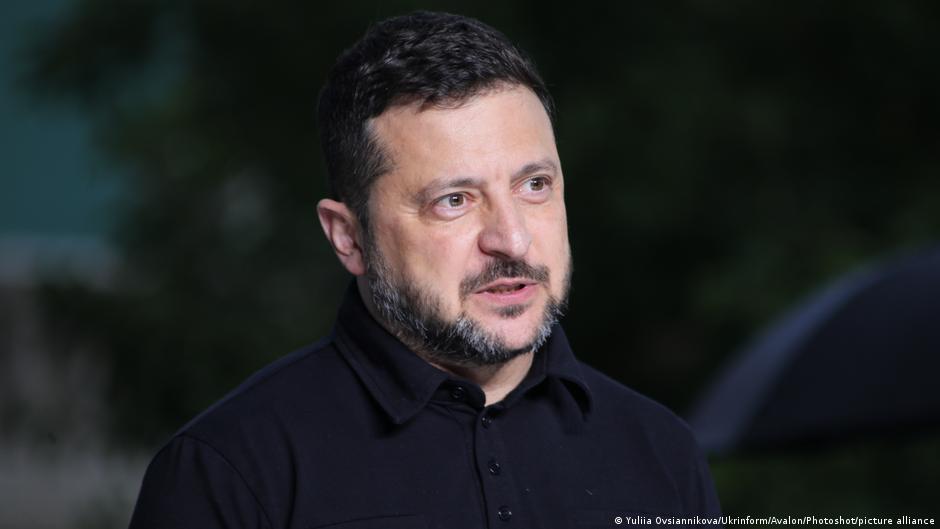
Zelenskyy criticized a U.S.-Russia diesel supply deal, warning that sanctions relief could fund war and raise risks for markets and payments.

Ukraine will meet Trump envoys on a new war plan as sanctions, Starlink access and data center strikes put digital infrastructure in focus.

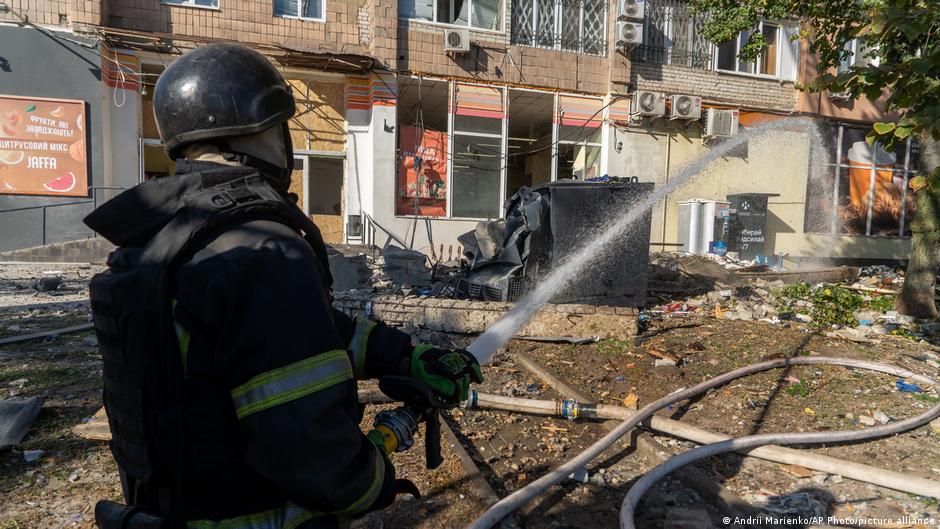
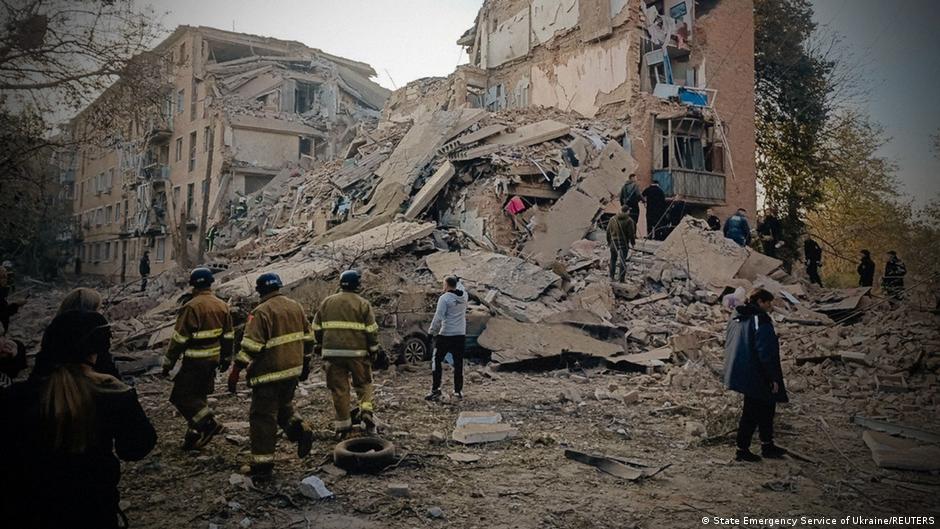
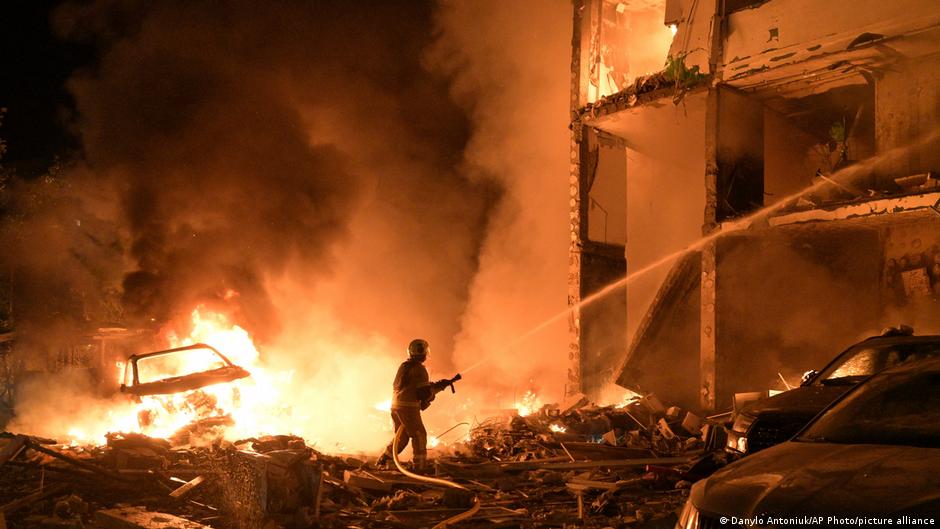
Ukraine said 28 people were killed in a Russian missile and drone barrage, raising fresh concerns over sanctions, payments and digital resilience.

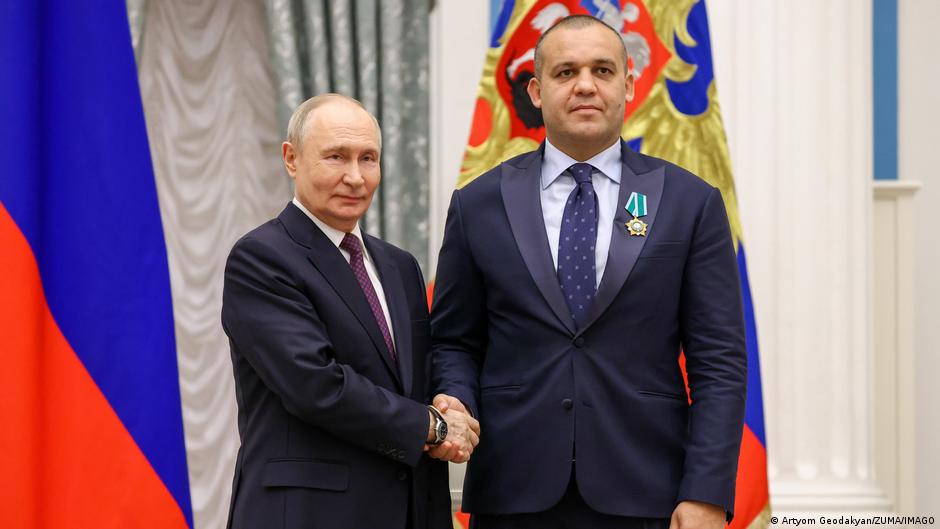
Umar Kremlev says Donald Trump Jr. reimbursed him for wedding event costs, as Democrats weigh scrutiny of foreign-linked payments.

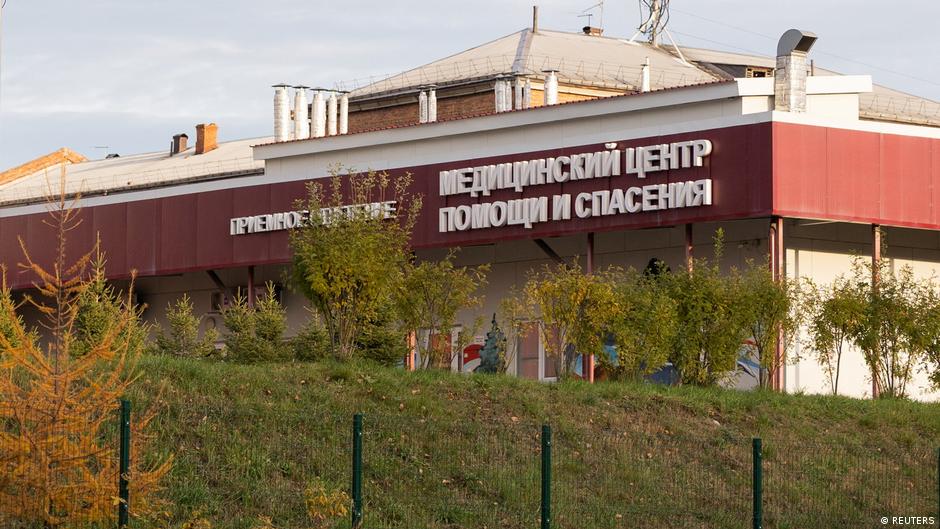
Trump plans a Putin call as the WHO asks Russia for more details on reports from Irkutsk, raising wider risk questions for markets and digital infrastructure.

Ruling-party candidates and Dodik allies won key Bosnia votes, signaling continuity for investors tracking fintech, banking and policy risk.

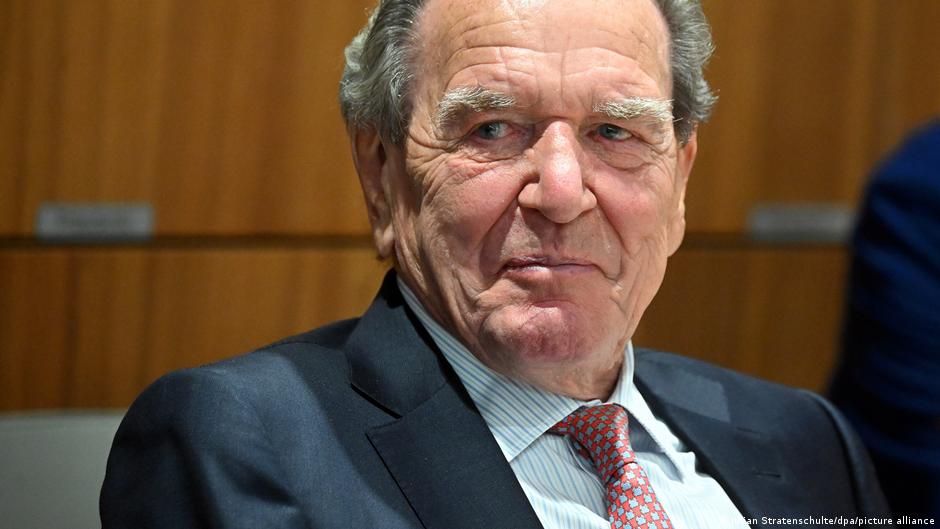
Gerhard Schroeder’s new role at Russia’s Hyperglobus draws German criticism and renews scrutiny of Russia-linked corporate risk.

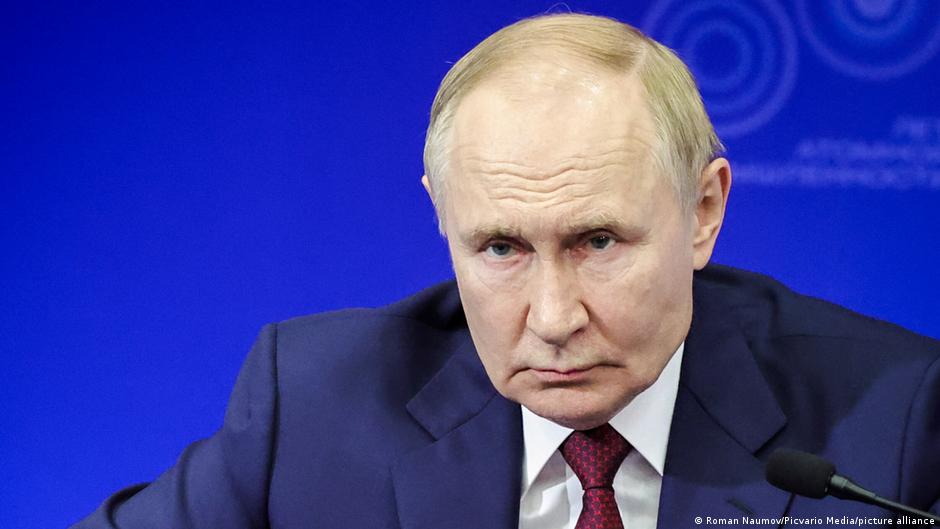
Putin’s Valdai remarks renewed nuclear warnings and Western blame, adding geopolitical pressure on payments, crypto, cybersecurity and tech markets.

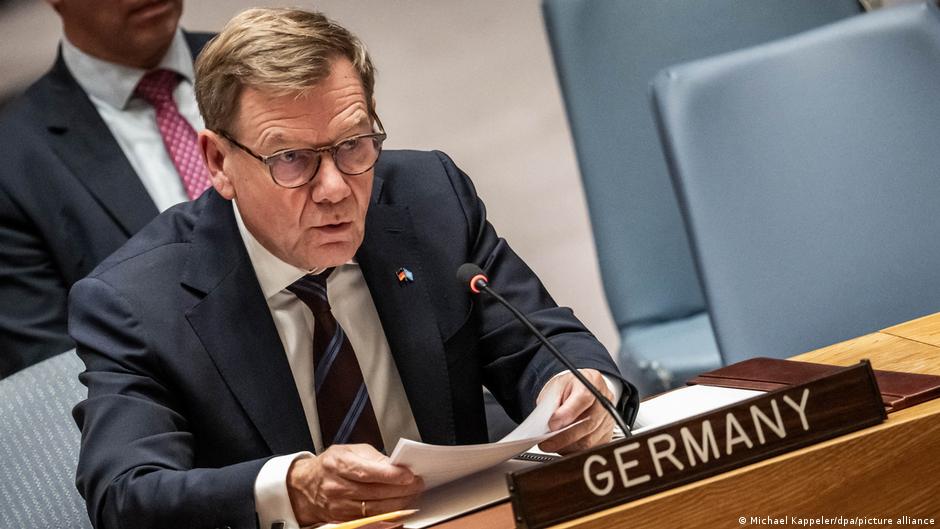
Germany’s Johann Wadephul says Putin’s possible G20 attendance would test Moscow’s readiness for Ukraine talks, with sanctions risks still central.

Kyiv denied a Bloomberg report that Trump urged Zelensky to travel to Moscow, as U.S. diplomacy focused on energy attacks and diesel prices.

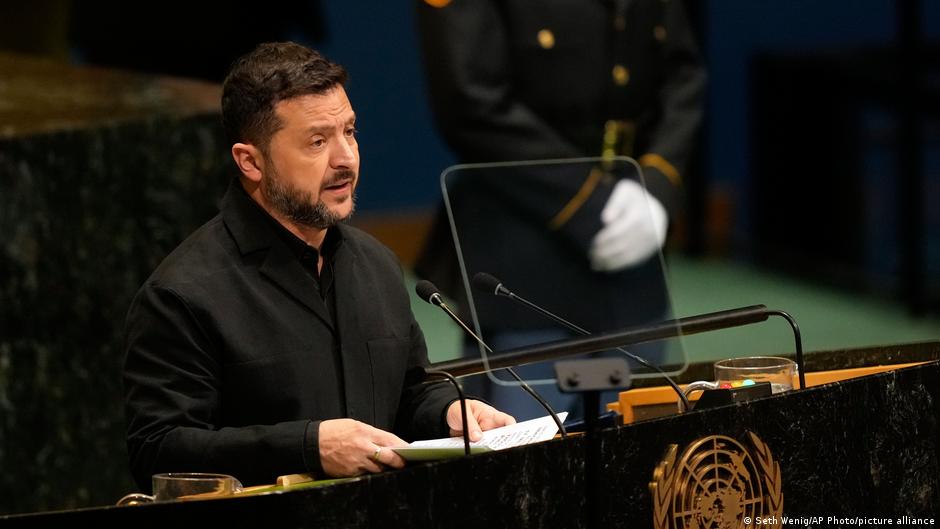
Zelenskyy told the UN that Putin is spreading war globally and said Ukraine is targeting Russia’s ability to finance and prolong the conflict.

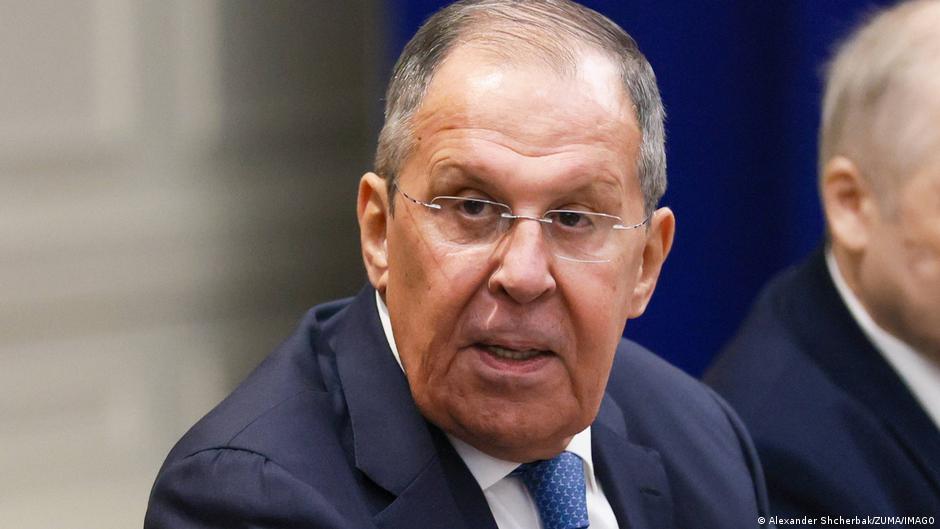
Lavrov rejected any pause for Ukraine talks as Rubio urged ceasefire diplomacy, keeping geopolitical risk in focus for fintech and digital markets.

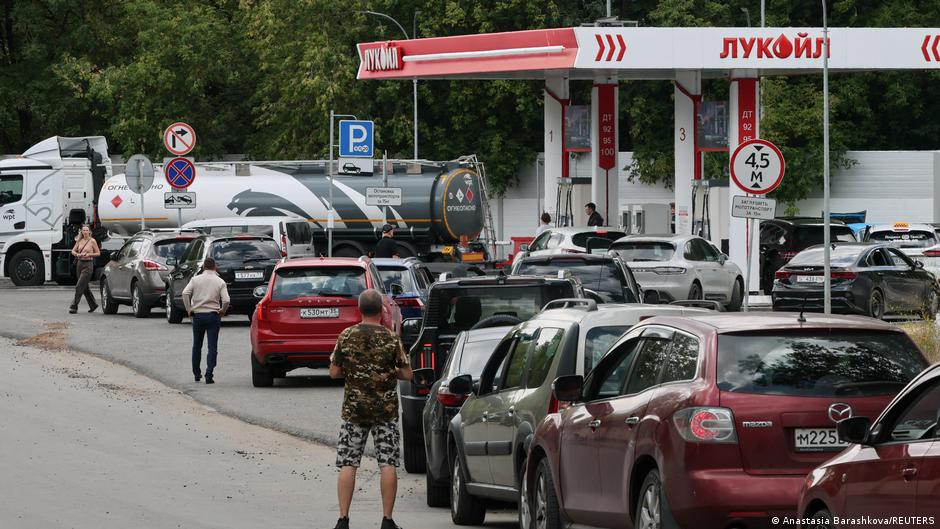
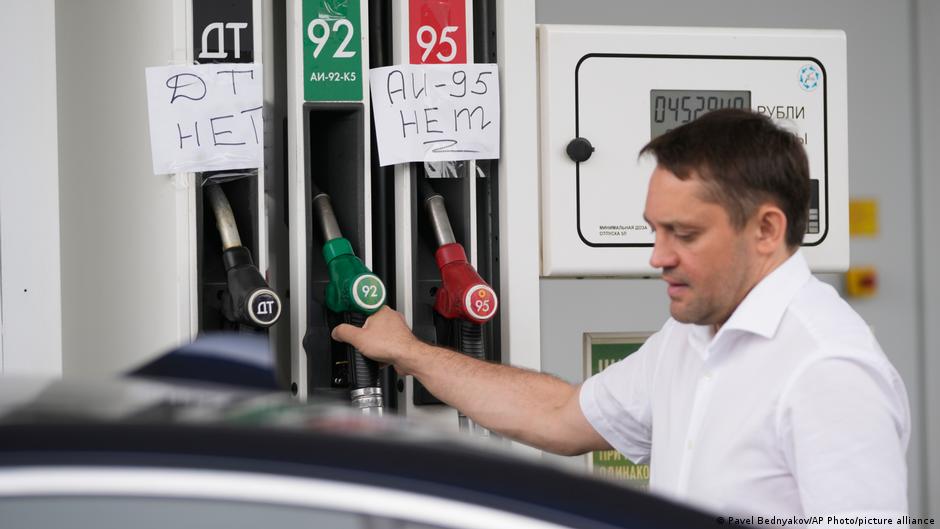
Kaluga and Transbaikal have restored petrol limits as refinery attacks disrupt Russian fuel supply, with knock-on risks for payments and logistics.

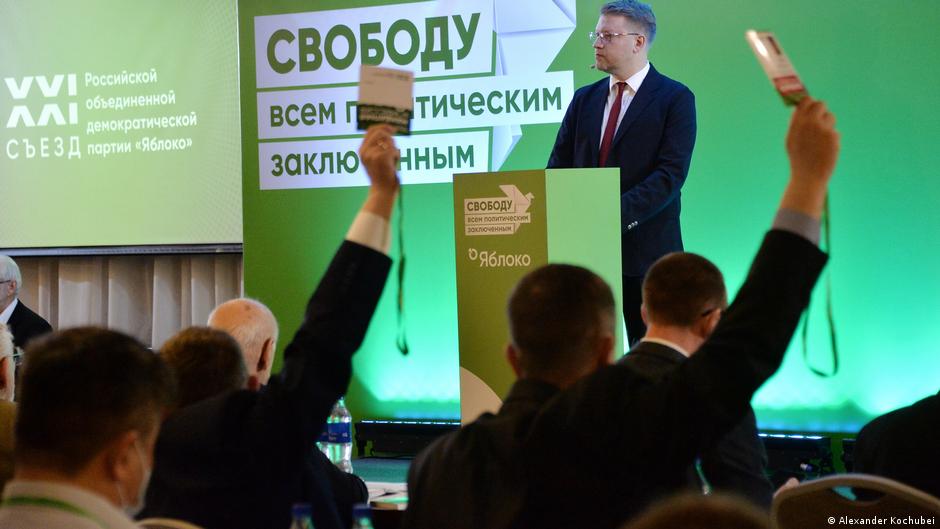
Yabloko’s 6.2% Novgorod result may preserve its route to future Duma ballots, a governance signal for Russia’s regulated digital economy.

Drone damage has halted a major Yaroslavl refinery, deepening Russia’s fuel strain and raising risks for payments, logistics and digital services.

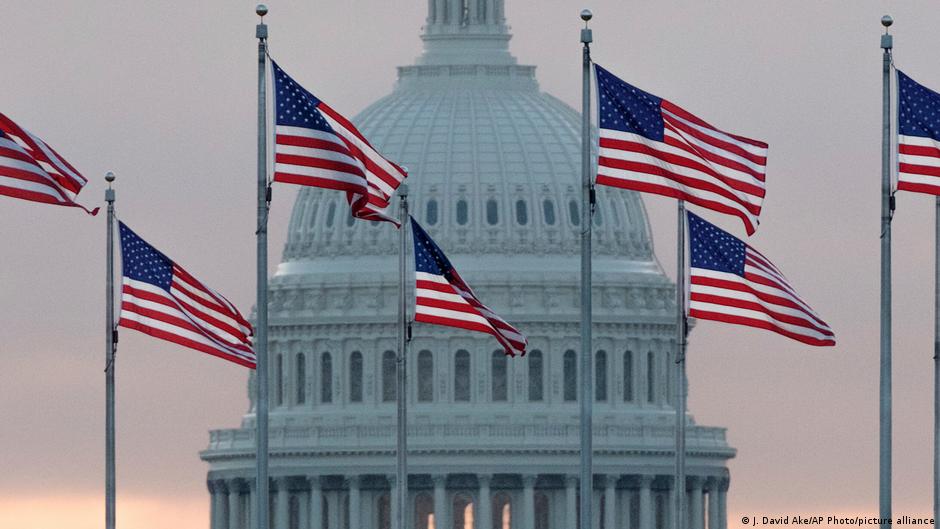
The House advanced a Graham-linked sanctions bill that could reshape energy trade, payment compliance, crypto monitoring and fintech risk.

Zelensky says he expects a US delegation meeting by late September focused on energy and food security amid attacks on infrastructure.

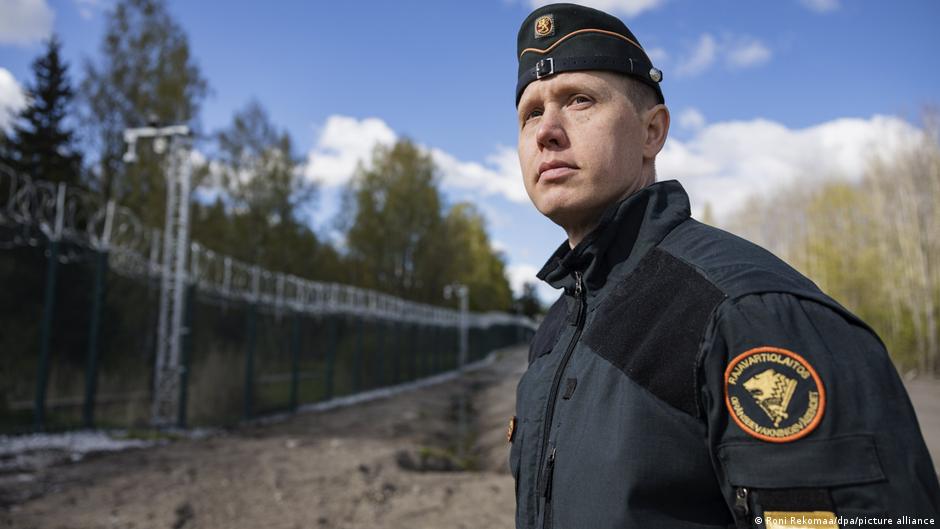
Finland completed a 200-kilometer Russia border fence, adding technical surveillance as Europe links physical security with digital risk.

Putin backed using medically unfit volunteers for rear drone defense, signaling new pressure on Russia’s manpower, infrastructure and tech sectors.

U.S. envoys discussed Ukraine peace plans with Putin and are heading to Kyiv, with fintech markets watching sanctions, payments and cyber risk.

Putin said peace through diplomacy is possible, while Zelensky said U.S. envoys will visit Kyiv and Moscow to discuss a possible agreement.

ICAO urged tougher safeguards for civilian aircraft after Ukraine warned that intensified military activity has made Russian airspace unsafe.

Putin told Pashinyan that Armenia’s move toward EU membership would amount to leaving the EEU, escalating a dispute with implications for trade and finance.

Ilya Remeslo, once a pro-Kremlin blogger, now faces up to 10 years in detention after criticizing Putin and the war, under charges of spreading fake news about the Russian military.

Russia updates regulations to allow people without limbs to drive buses and trucks, leveraging automation to enhance inclusivity for veterans and others with disabilities.

Germany responds to rising hybrid warfare threats by establishing a UAV research center and enhancing airport drone defenses following explosive drone incidents.

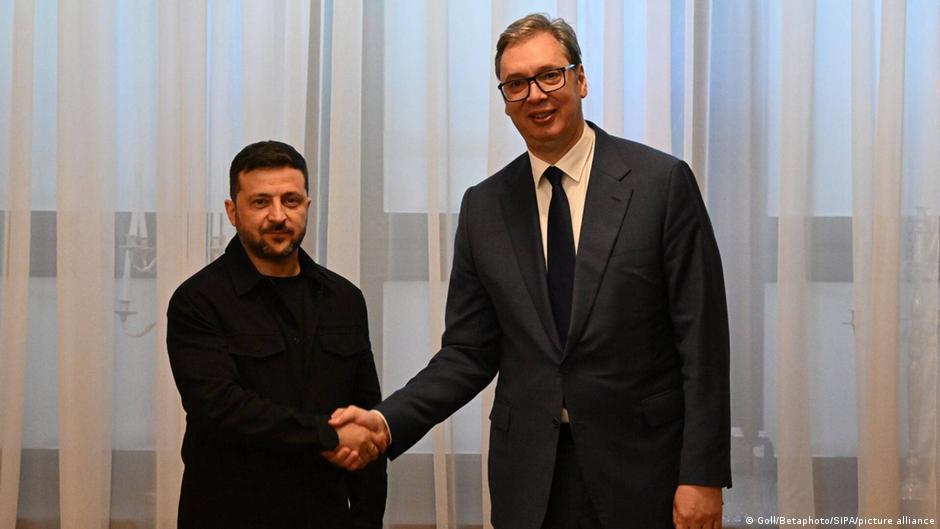
Ukrainian and Serbian presidents met in Belgrade to discuss economic ties, energy cooperation, and security, signaling potential fintech and digital economy collaboration.

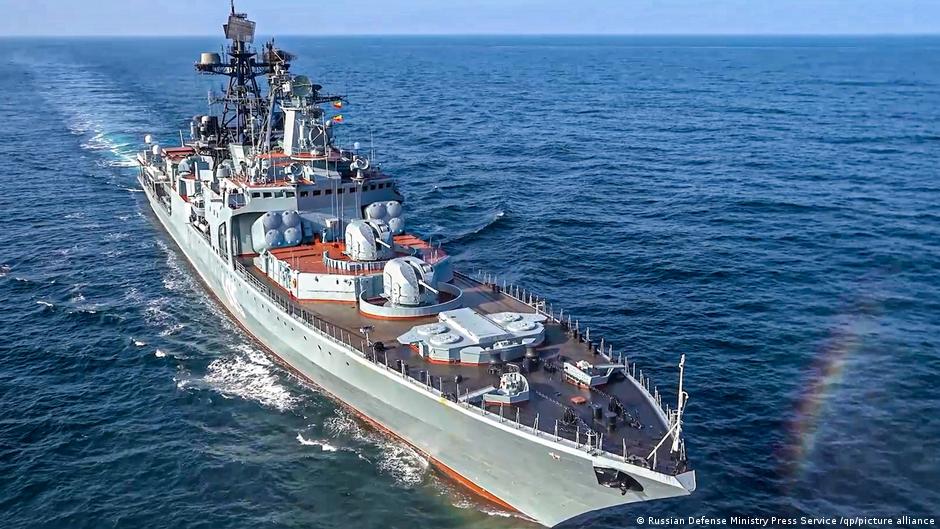
Russia moves its anti-submarine ship Admiral Levchenko to the Baltic Sea to secure shadow fleet operations, impacting maritime security and fintech risk management.

Ukraine's president warns Russia plans expanded mobilization with 30,000 North Korean troops and missile support, raising regional security and fintech risk concerns.

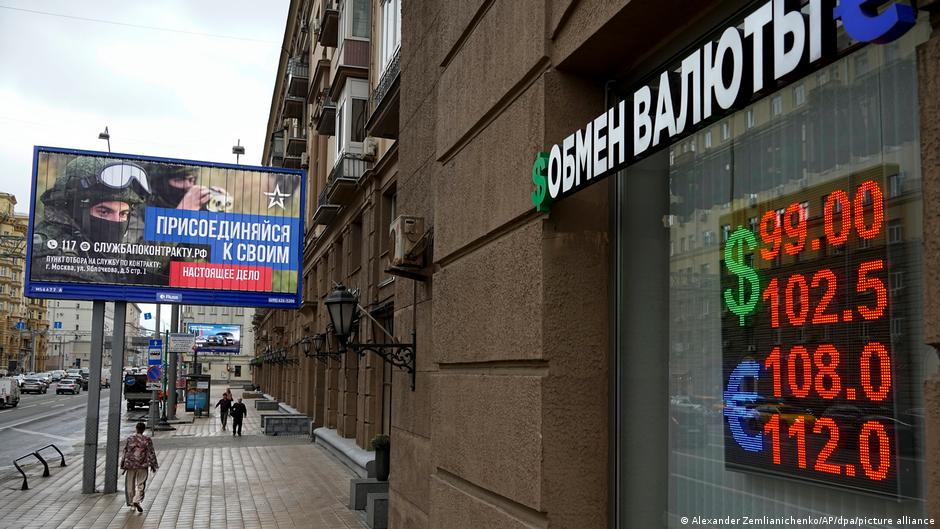
Russia proposes expanding military contract eligibility to convicts of serious crimes amid mobilization efforts, including banditry and drug smuggling charges.

The EU recommends cutting €2 million funding to the Venice Biennale due to Russia's participation amid sanctions concerns, highlighting challenges at the intersection of culture, politics, and finance.

Russian missile strikes on Kyiv damage critical infrastructure, raising concerns over fintech resilience, cybersecurity, and economic stability amid ongoing conflict.

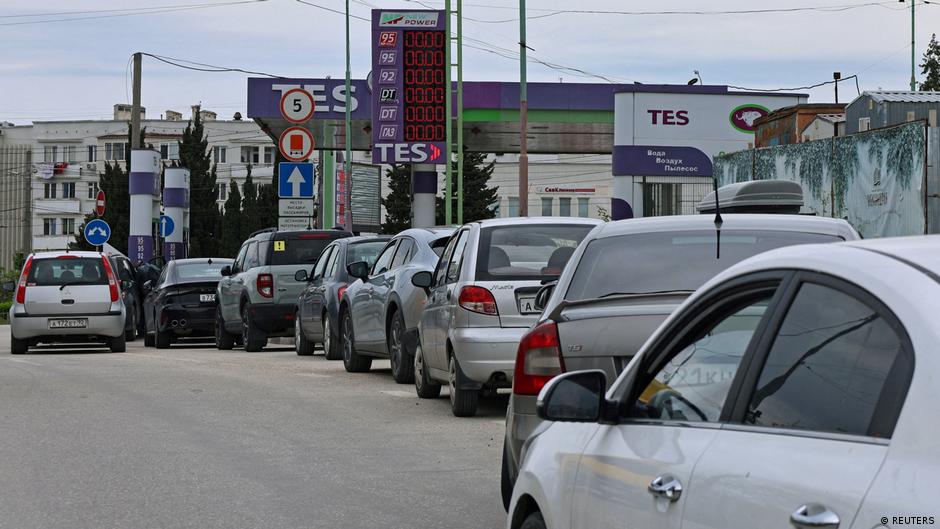
Fuel prices in Crimea nearly doubled in early July amid Russia's export ban on diesel and ongoing supply shortages affecting energy markets and digital payment trends.

Russia proposes ending mandatory medical exams for contract soldiers, reflecting recruitment struggles amid ongoing conflict and raising questions about military digital monitoring.

Russia authorizes use of higher-sulfur Euro-3 fuels domestically until 2026 to address supply disruptions caused by attacks on refineries, excluding exports to EAEU states.
Bulgaria plans to veto new EU sanctions on Russia due to economic risks and opposition to sanctions against Patriarch Kirill, raising concerns about energy and supply chain impacts.

The EU has initiated discreet talks with Kremlin officials to prepare for future peace negotiations, a move that could impact digital economy sectors like fintech and cybersecurity.

Ukrainian President Zelensky held a positive discussion with US envoys, signaling intensified diplomatic efforts to end the Russia-Ukraine war amid broader economic and security implications.

Ukrainian drone attacks on Russia's Leningrad region disrupted airspace hours before the St. Petersburg International Economic Forum, raising digital security concerns.

Russian missile strikes on Ukrainian cities have caused casualties and infrastructure damage, raising concerns over impacts on digital infrastructure, fintech, and cybersecurity.