Hungary Blocks Ukraine's EU Accession Talks, Impacting Digital Economy Integration
Hungary’s veto on key EU negotiation clusters delays Ukraine’s integration into digital economy frameworks, affecting fintech, payments, and cybersecurity progress.

Hungary’s veto on key EU negotiation clusters delays Ukraine’s integration into digital economy frameworks, affecting fintech, payments, and cybersecurity progress.

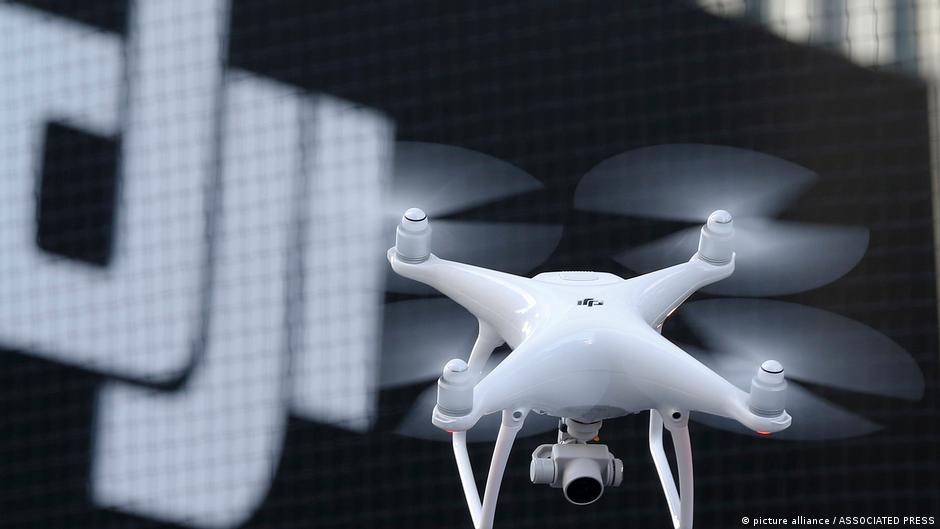
CIA Director John Ratcliffe highlights how AI-powered drones drastically cut Russian soldier survival times in Ukraine, reshaping warfare and defense tech investment landscapes.

US military strikes on Iran escalate tensions, impacting maritime security, digital payments, and fintech sectors amid enforced maritime blockades and retaliatory attacks.

The US is advancing plans to restore an Iraq-Syria oil pipeline bypassing the Strait of Hormuz, aiming to reduce Iran's influence and reshape regional energy routes.

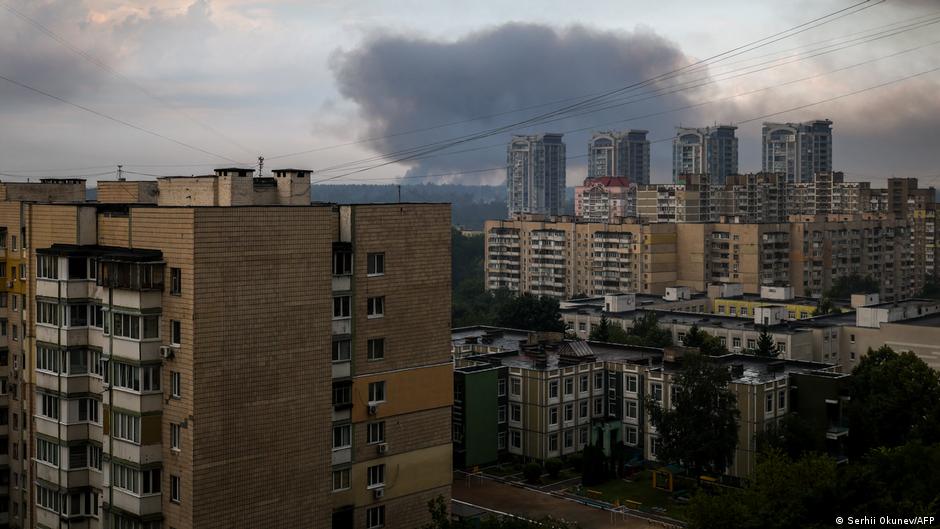
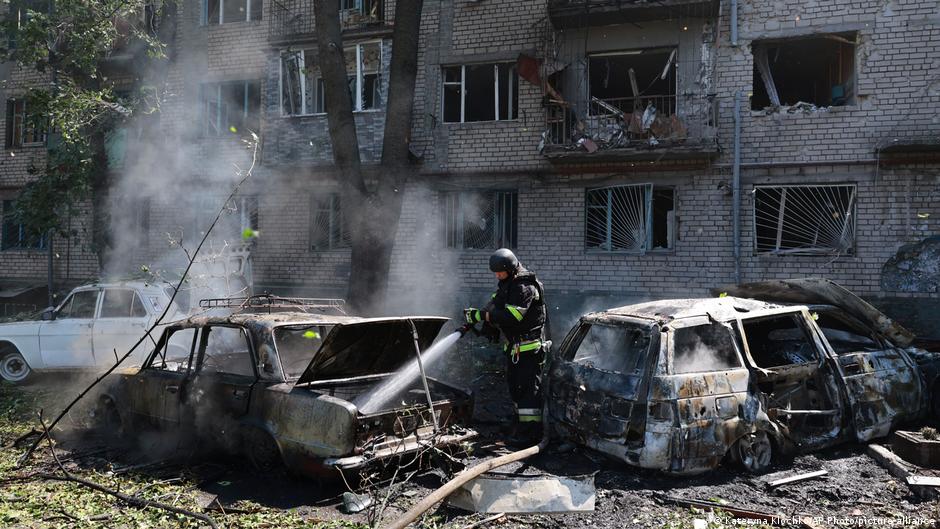
Russian forces struck Izium, Ukraine, using Shahed drones and precision bombs, causing civilian casualties and damaging infrastructure, highlighting risks to digital and economic stability.

German President Steinmeier urges Europe to uphold international order amidst geopolitical challenges, emphasizing the impact on digital economy, fintech, and cybersecurity.

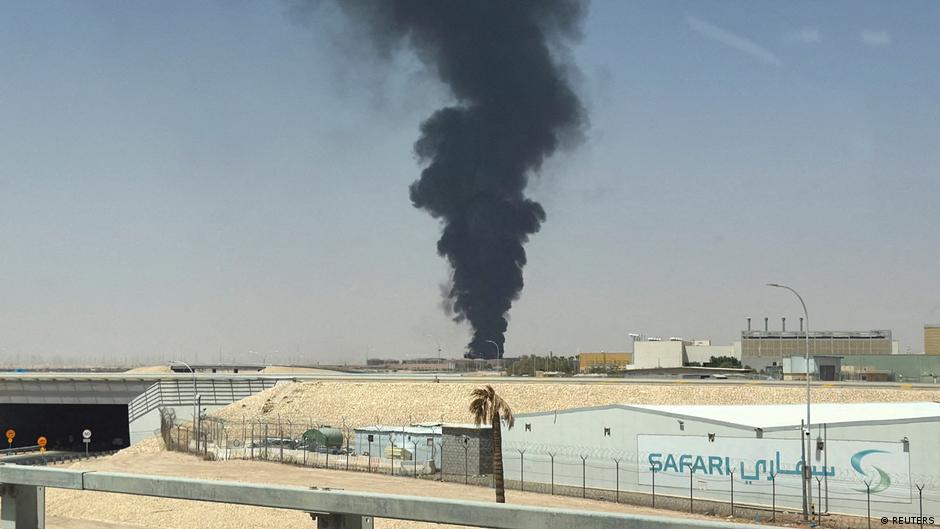
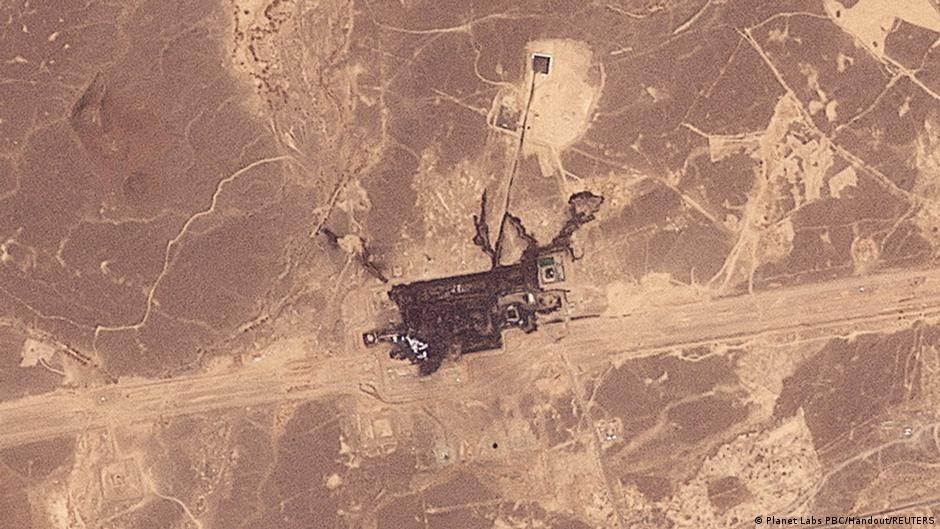
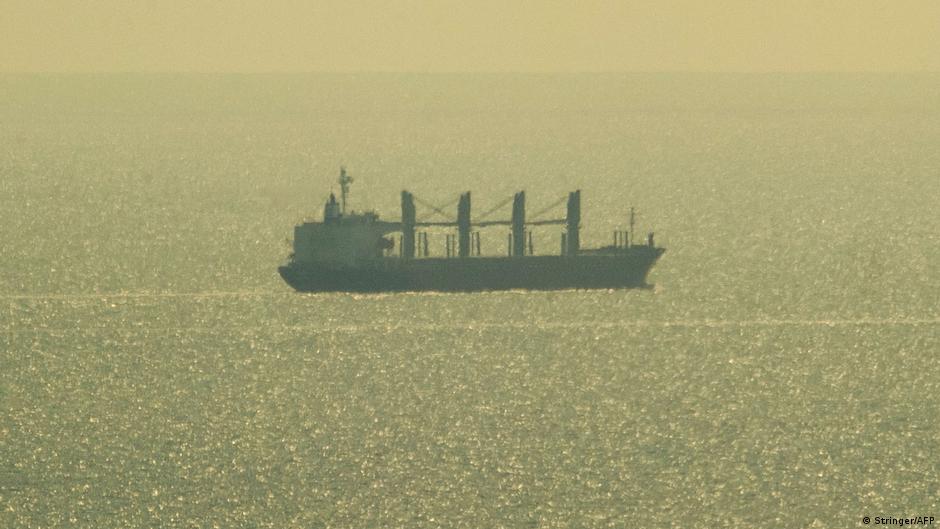
US military strikes near the Strait of Hormuz aim to prevent Iranian attacks on commercial shipping, affecting global oil trade and digital economy security.

June 2026 saw the highest civilian casualties in Ukraine since the Russian invasion, highlighting escalating risks to the country’s digital economy and fintech infrastructure amid conflict.

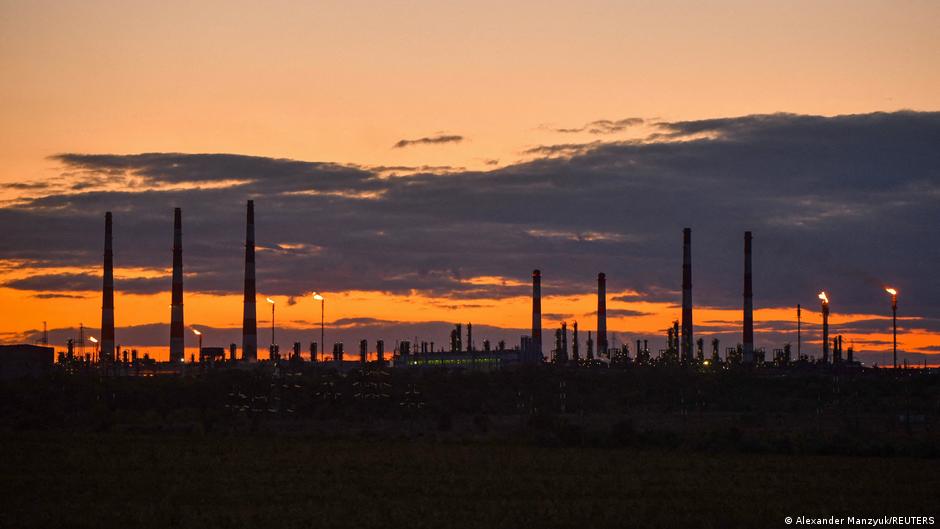
The Saratov oil refinery in Russia has ceased operations after drone attacks damaged key processing units, intensifying fuel shortages and impacting the digital economy.

The death of Iran’s Supreme Leader Ali Khamenei and subsequent regional tensions pose risks to digital banking, payments, and cybersecurity in the Middle East’s fintech sector.

Fuel prices in Crimea nearly doubled in early July amid Russia's export ban on diesel and ongoing supply shortages affecting energy markets and digital payment trends.

US military strikes on Iran retaliate against tanker attacks in the Strait of Hormuz, raising risks for maritime trade, energy markets, and digital financial ecosystems.

Germany's 2027 budget boosts defense spending and borrowing amid security concerns, raising fintech sector worries about future funding for digital innovation and economic growth.

Russian missile and drone attacks in Ukraine disrupt logistics and digital payment infrastructure, raising cybersecurity concerns for the fintech sector amid ongoing conflict.

A DGB study reveals 40% of Germans doubt they can work until retirement due to strenuous job conditions, highlighting challenges for labor and digital economy sectors.

Latvian President Edgars Rinkēvičs urges NATO to prepare for possible escalation with Russia, highlighting the need for stronger military capabilities and US partnership.

Russian drone and air strikes on Sumy kill 4 and injure 27, threatening the city's digital infrastructure and fintech ecosystem amid ongoing conflict.

Russian strikes on multiple Ukrainian regions damage critical infrastructure, affecting logistics, digital banking, and fintech services amid ongoing conflict.

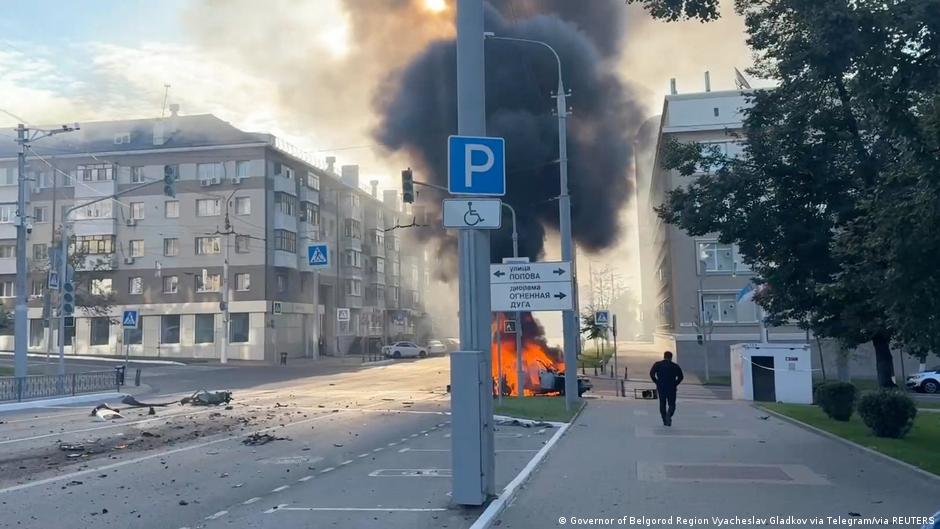
Belarus warns citizens against travel to Russia due to drone attacks near the border, raising safety concerns and impacting digital economy trends in fintech and cybersecurity.

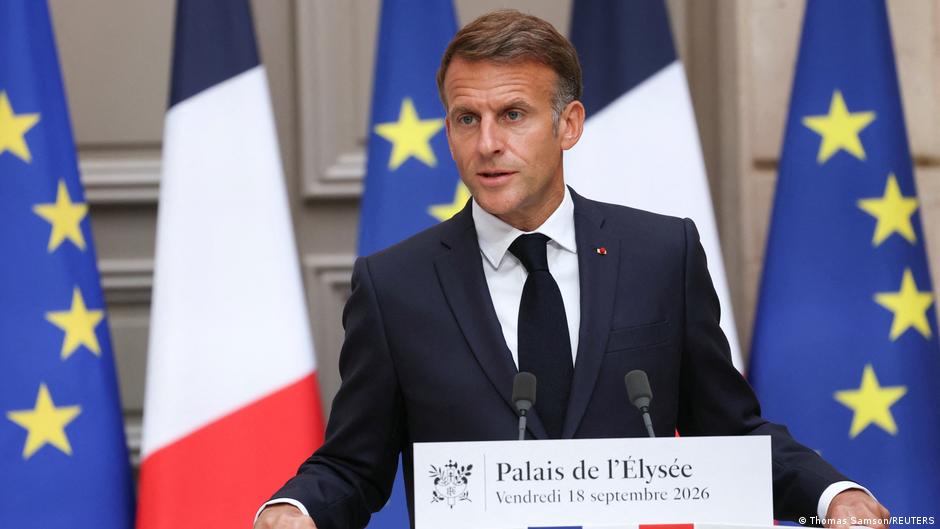
France enforces stricter visa rules for Russians, requiring personal submissions and biometrics, impacting fintech services linked to cross-border payments and digital identity.

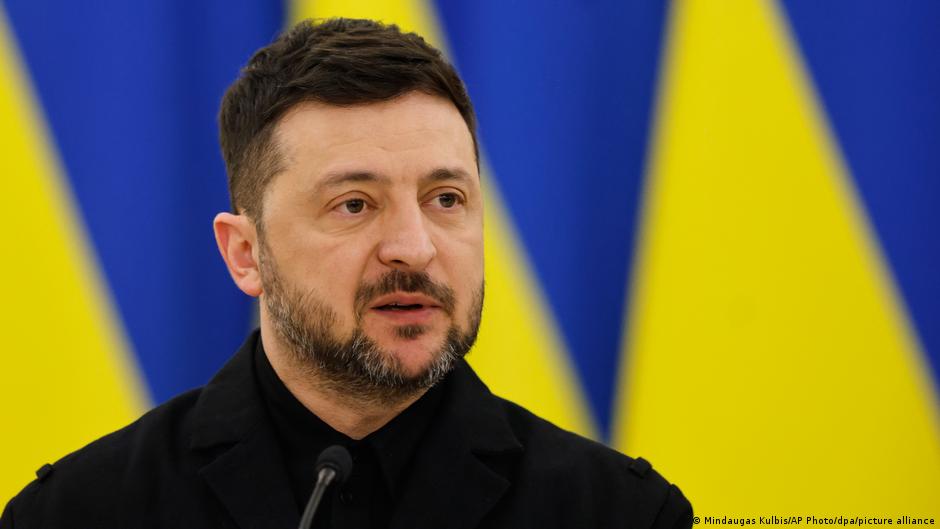
Ukraine’s Zelensky proposes a National Pantheon and European Order amid tensions with Poland, affecting regional digital economy cooperation and fintech development.

Ballistic missile attacks on Kyiv and other Ukrainian cities pose significant risks to digital infrastructure, fintech services, and cybersecurity amidst ongoing conflict.

US airstrikes on Iranian military sites followed Iran's drone attack on a commercial vessel in the Strait of Hormuz, escalating risks to maritime security and impacting global trade and fintech sectors.

Finland has repealed its ban on importing nuclear weapons, a move that carries significant implications for national security and the fintech sector’s cybersecurity and digital payment systems.

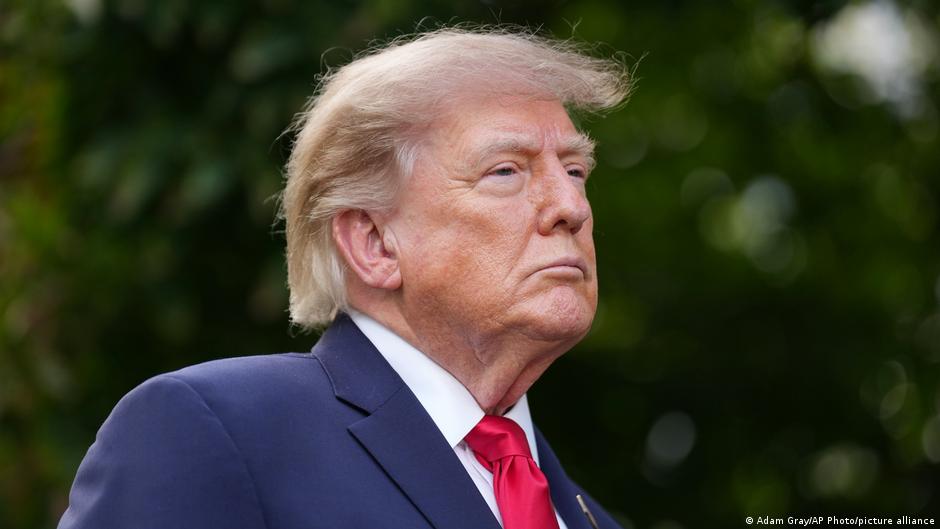
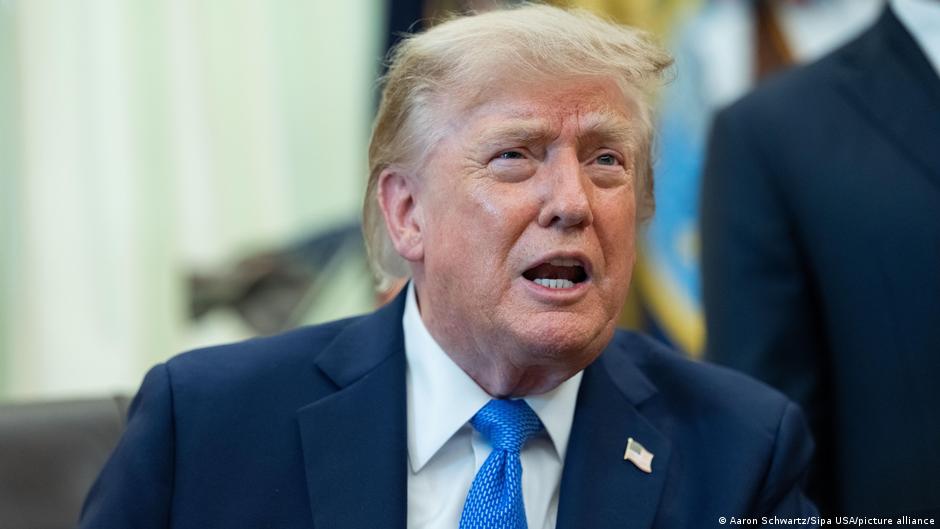
Former President Trump praised Zelensky's resilience in the Russia-Ukraine war and criticized European diplomatic stances, highlighting potential impacts on global fintech and economic stability.

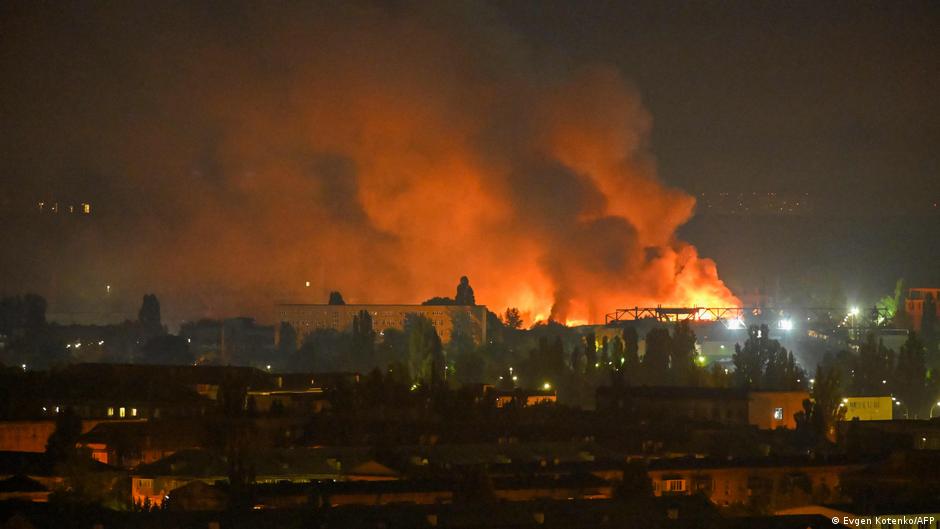
A drone attack on the Poltava oil depot near Krasnodar caused fires and highlighted vulnerabilities in regional energy infrastructure affecting fintech and digital economy stability.

Russia’s maritime oil exports hit a record high since early 2026 amid US sanctions easing for Iran, pressuring global prices and intensifying competition on markets like India.

The US and Iran agreed on a communication channel to prevent incidents in the Strait of Hormuz, aiming to finalize broader agreements within 60 days, impacting regional security and fintech sectors.

Germany urges Turkey to exclude Russian gas in future EU energy deals, impacting fintech and digital payments as Turkey aims to become a regional gas hub.

Drone attacks on Crimea disrupted key energy and transport infrastructure, exposing vulnerabilities with significant fintech and digital economy implications.

US intelligence warns that Israeli Prime Minister Netanyahu may try to disrupt the US-Iran deal, raising concerns about regional stability and potential impacts on fintech and digital economy sectors.

Bulgaria plans to veto new EU sanctions on Russia due to economic risks and opposition to sanctions against Patriarch Kirill, raising concerns about energy and supply chain impacts.

The EU agrees to extend sanctions on Russia for one year, increasing pressure on energy and finance sectors, with implications for fintech, cybersecurity, and digital payments.

The US has lifted its naval blockade of the Strait of Hormuz, enabling record oil shipments and initiating a 60-day negotiation period with Iran to finalize a peace deal.

The EU has initiated discreet talks with Kremlin officials to prepare for future peace negotiations, a move that could impact digital economy sectors like fintech and cybersecurity.

Pakistan announces the Strait of Hormuz will reopen immediately following a US-Iran peace deal, signaling shifts in global trade and fintech opportunities.

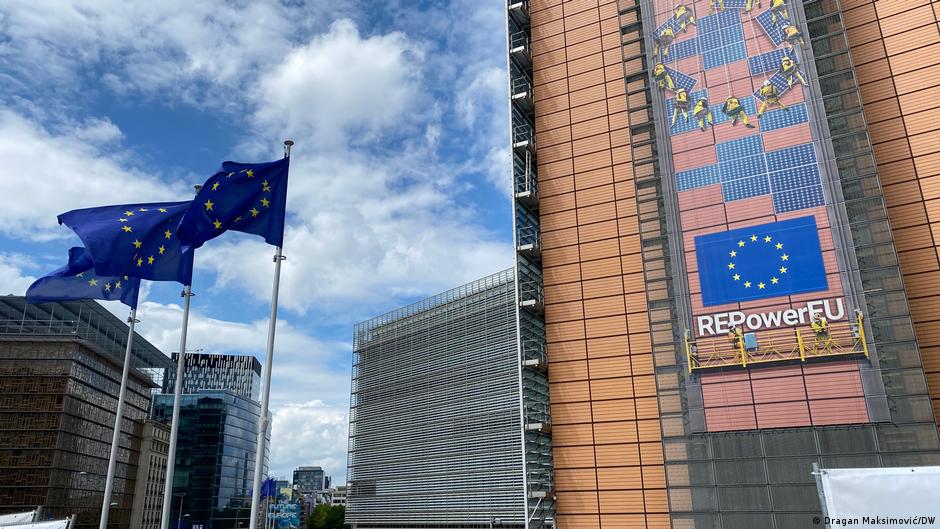
The EU has started formal accession talks with Ukraine and Moldova, initiating evaluations that will impact digital economy sectors like fintech, payments, and cybersecurity.

Russian missile strikes on Kyiv damaged cultural landmarks, residential buildings, and power infrastructure, disrupting civilian life and posing risks to Ukraine's digital economy.

Iran has replenished its missile arsenal to three-quarters of pre-conflict levels, likely aided by Russian weapons transfers during a truce with the US, impacting regional security and energy markets.

Lithuania, Poland, and France conduct joint military exercises near the Suwalki Corridor to strengthen defense and ensure NATO connectivity, highlighting security implications for fintech and digital infrastructure.

The US plans to cut fighter jets and naval vessels supplied to NATO by about a third, signaling a strategic pivot that impacts defense operations and associated technology sectors.

Russian drone strikes in Ukraine's Dnipropetrovsk region damage infrastructure and injure civilians, spotlighting cybersecurity challenges for fintech and digital economy sectors.

US strikes on Iran triggered Tehran's closure of the Strait of Hormuz, threatening global energy flows and digital payment systems amid escalating regional conflict.

22 countries, including the US and Europe, condemn Iran's IRGC for orchestrating attacks on dissidents and Jewish communities, with major cybersecurity and fintech implications.

US forces struck Iranian air defenses after Iran downed a US Apache helicopter near the Strait of Hormuz, heightening regional security and financial market risks.

A US judge has ruled the Trump-era $100,000 H-1B visa fee unlawful, easing access to tech talent critical for the fintech and digital economy sectors.

The U.S. House passed a resolution limiting President Trump's ability to continue war with Iran without Congress approval, signaling shifting political dynamics and implications for fintech and cybersecurity.

Finland has seized €3.7 million in Russian assets following Ukraine's Naftogaz efforts to enforce a $5 billion arbitration award related to seized Crimean property.

Russian missile strikes on Ukrainian cities have caused casualties and infrastructure damage, raising concerns over impacts on digital infrastructure, fintech, and cybersecurity.

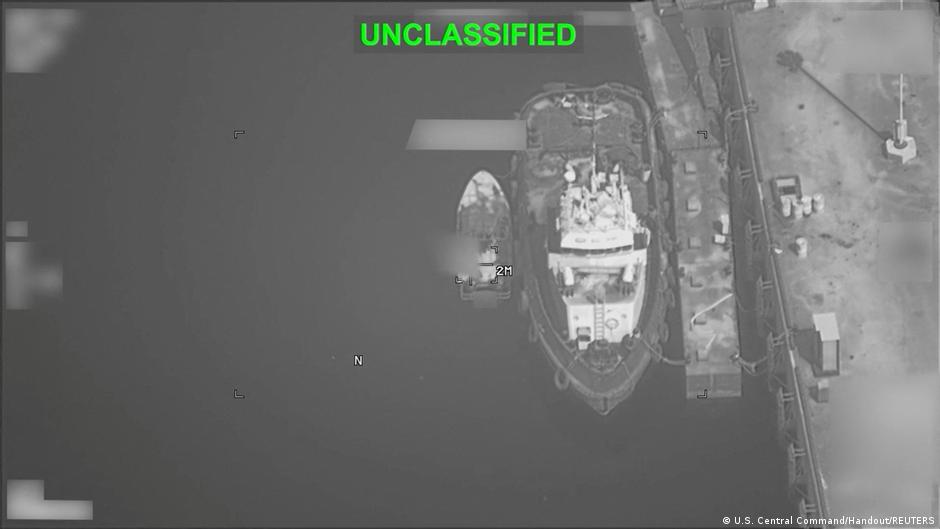
The US has clandestinely assisted about 70 commercial vessels through Iran-blocked Strait of Hormuz, impacting maritime security and digital tracking systems amid ongoing tensions.