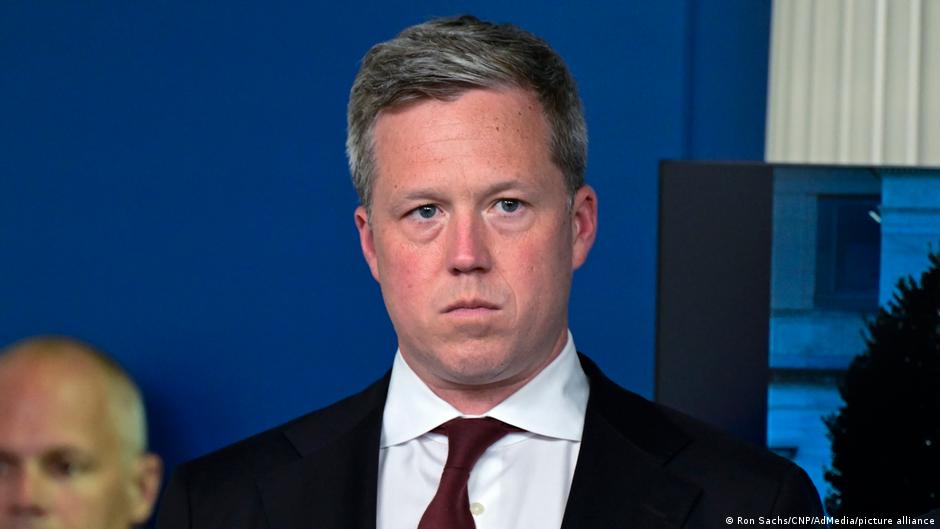
US Army Secretary Resigns Amid Pentagon Rift, Raising Questions for Defense Tech
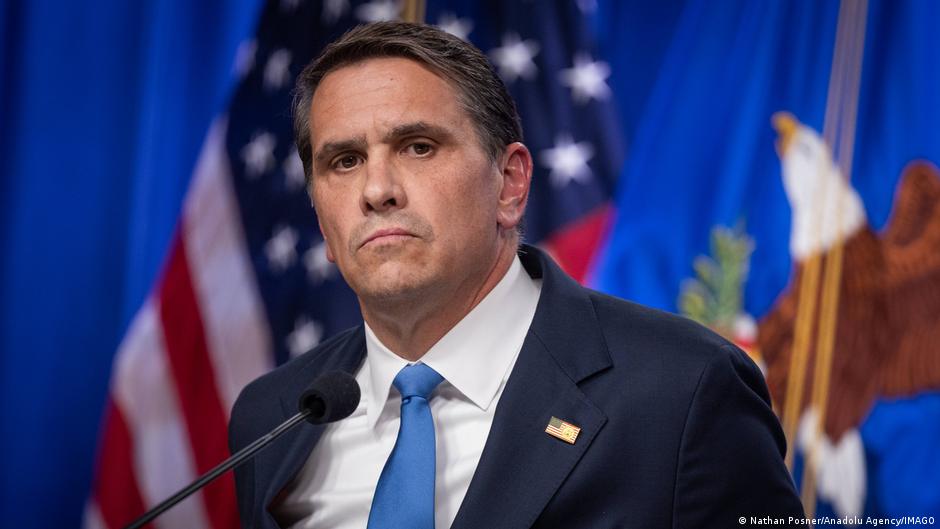
Daniel Driscoll's reported resignation adds uncertainty around Pentagon procurement, cybersecurity priorities and defense-tech market signals.

Daniel Driscoll's reported resignation adds uncertainty around Pentagon procurement, cybersecurity priorities and defense-tech market signals.

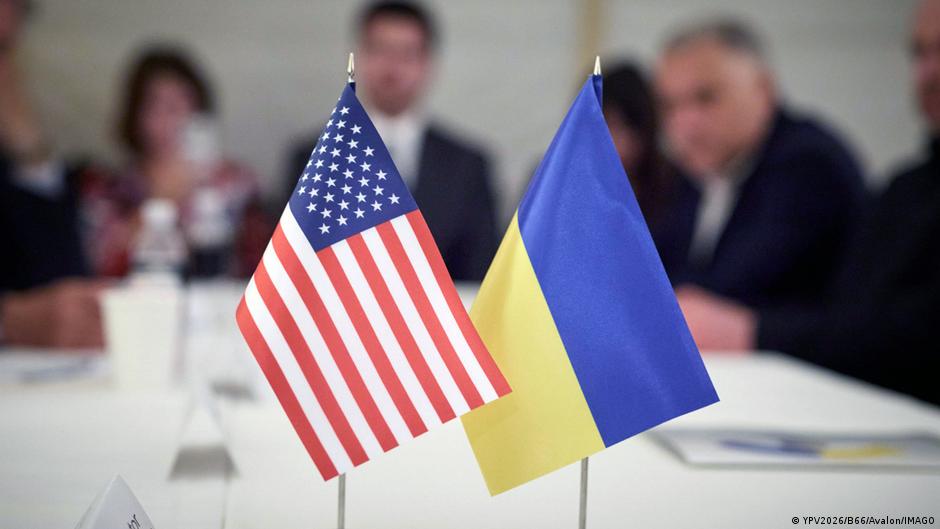
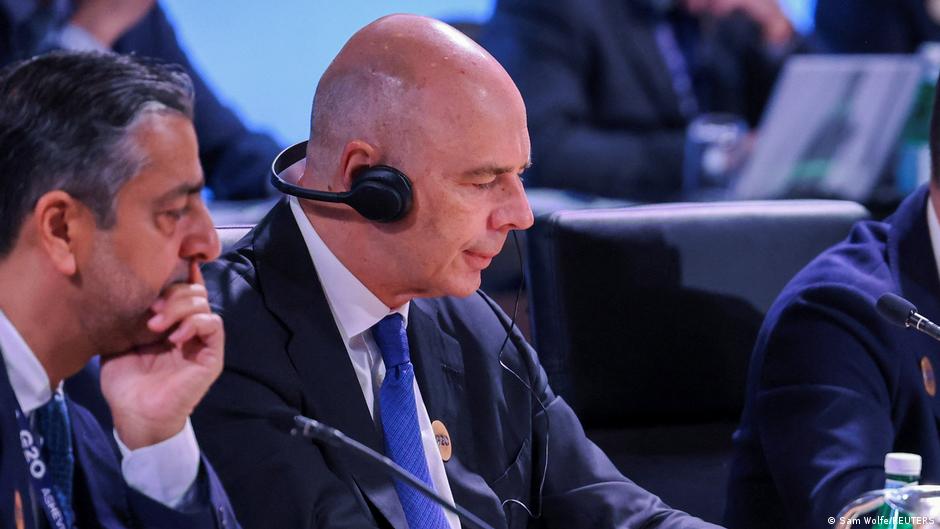
Reuters reports the U.S. told Russia at the G20 not to expect sanctions relief before the war in Ukraine ends, extending pressure across finance and payments.

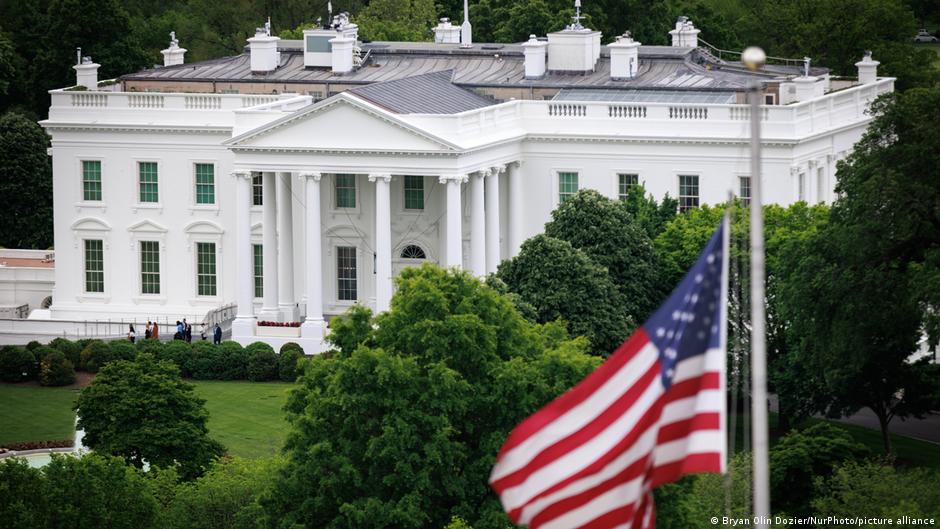
The US Supreme Court ruled in favor of Trump’s White House renovation plans, allowing construction of a ballroom and military bunker to proceed amidst national security claims.

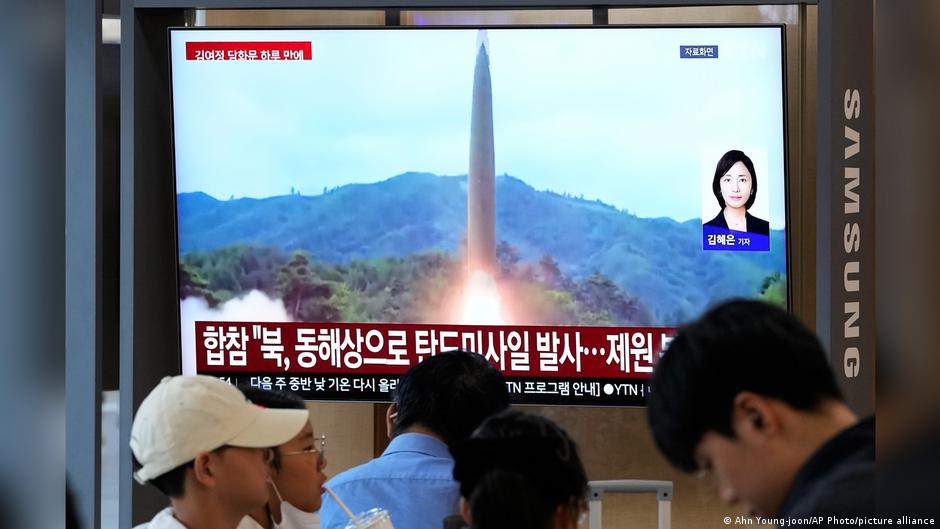
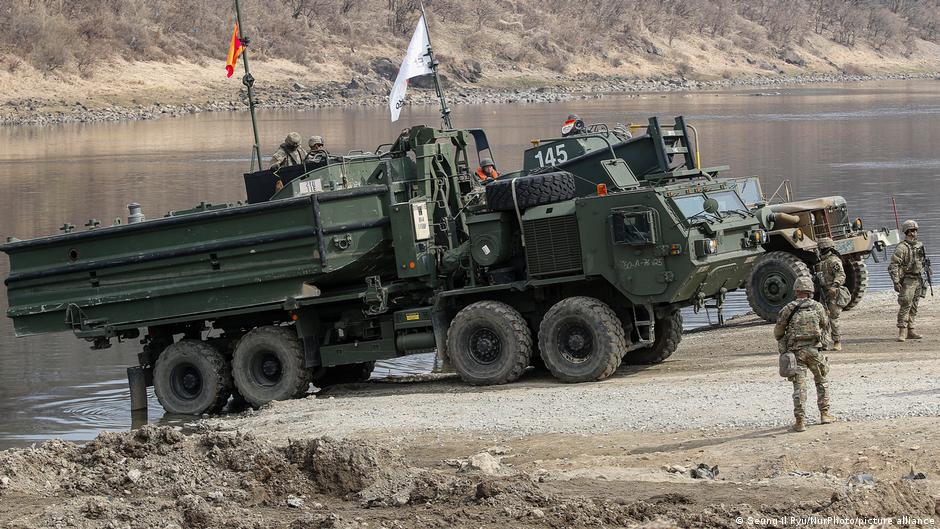
The US will reduce joint military exercises with South Korea, citing costs and diplomacy with North Korea, impacting regional stability vital to fintech and cybersecurity sectors.

Venezuela freed 131 political prisoners and agreed on judicial reforms after reconciliation talks, potentially impacting the country's fintech and digital economy sectors.

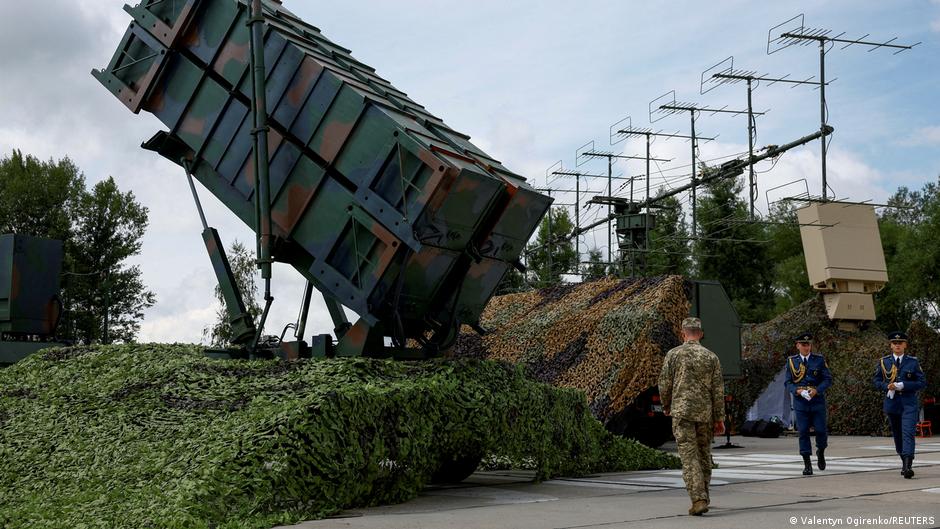
US defense firms Raytheon and Lockheed Martin warn that licensing Patriot missile technology to Ukraine could lead to enhanced missile production and potential intellectual property risks.

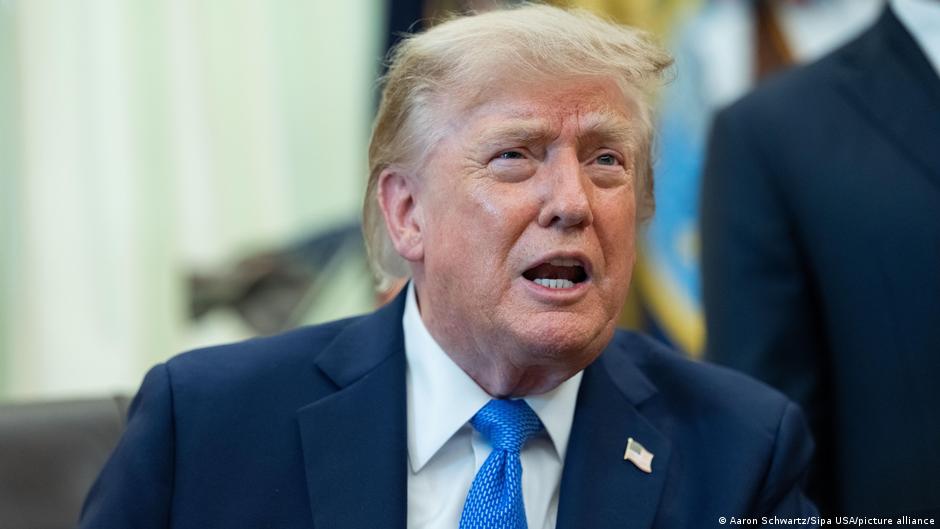
Former President Donald Trump criticizes the Biden administration for depleting US missile stockpiles due to aid to Ukraine, stressing the need to prioritize domestic military readiness.

US-Iran talks resume August 3 with postponed strikes, impacting fintech, digital banking, and cybersecurity amid ongoing regional tensions.

Venezuela's government and opposition will hold talks to discuss earthquake relief and election reforms, impacting the country's fintech and digital economy sectors.

The US Senate advances a bill imposing heavy tariffs on Russia, with broad implications for fintech, digital banking, and sanctions compliance.

President Zelensky visits Washington where the US Senate will vote on new sanctions against Russia, underscoring rising geopolitical tensions impacting fintech and global payments.

The US begins delivering a $100 million humanitarian aid package to Cuba amid sanctions and military tension, impacting digital payments and financial sectors.

US military strikes on Iran enter tenth day, targeting missile sites and air defenses, escalating regional tensions with implications for global trade, fintech, and cybersecurity.

US strikes on Iran continue for the ninth night, disrupting Gulf trade routes and impacting energy supply chains, with significant implications for fintech and cybersecurity sectors.

The US is advancing plans to restore an Iraq-Syria oil pipeline bypassing the Strait of Hormuz, aiming to reduce Iran's influence and reshape regional energy routes.

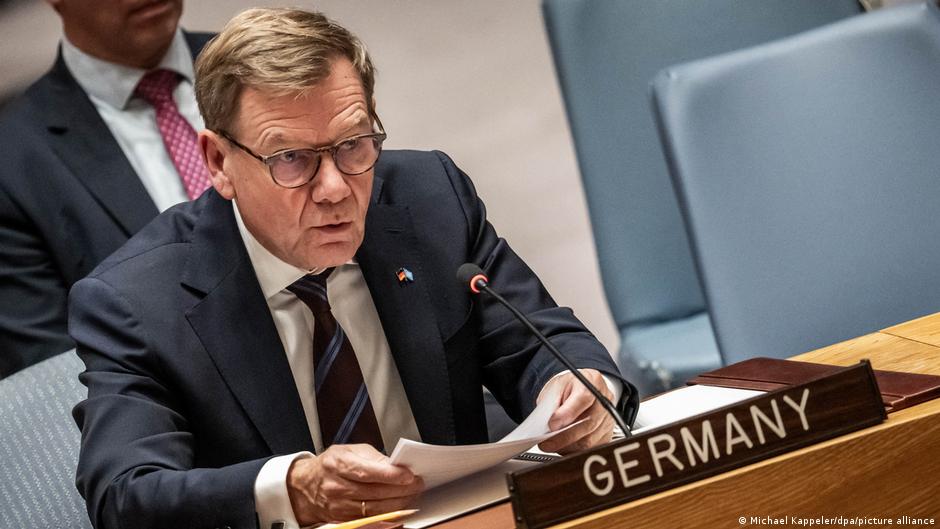
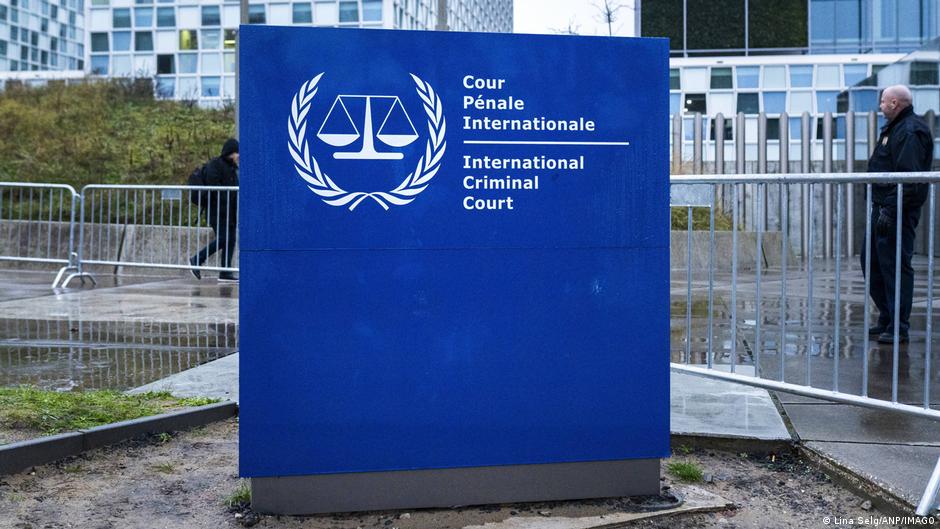
Germany defends the International Criminal Court as the U.S. escalates diplomatic and legal actions against the tribunal over investigations into American personnel.

German President Steinmeier urges Europe to uphold international order amidst geopolitical challenges, emphasizing the impact on digital economy, fintech, and cybersecurity.

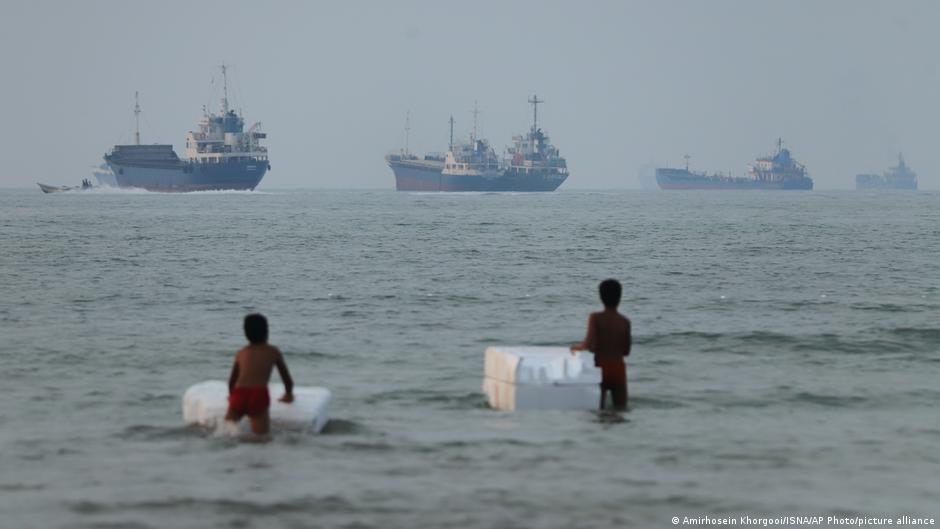
US military strikes on Iran target maritime infrastructure in the Strait of Hormuz, raising risks for global trade, energy markets, and fintech payment ecosystems amid escalating tensions.

US military strikes on Iran retaliate against tanker attacks in the Strait of Hormuz, raising risks for maritime trade, energy markets, and digital financial ecosystems.

Severe thunderstorms forced the cancellation of Washington's 250th Independence Day events, raising concerns about digital communications, cybersecurity, and fintech resilience during public emergencies.

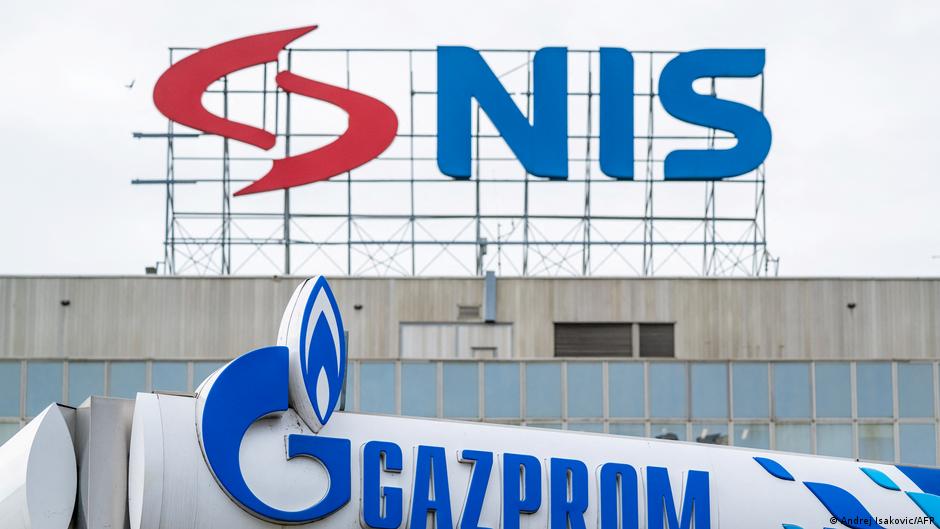
The US has once again extended a 30-day license allowing Serbian oil company NIS, controlled by Gazprom, to operate under sanctions while the sale of Gazprom’s stake faces delays.

German and US foreign ministers reaffirm the critical partnership to address global economic instability and strengthen cooperation ahead of key NATO and Mercosur summits.

The US and Iran agree to halt attacks until June 30 ahead of talks on reopening the Strait of Hormuz, impacting energy markets and fintech sectors.

US air strikes targeted Iranian military sites following drone attacks on commercial tankers in the Strait of Hormuz, raising concerns over cybersecurity and digital trade risks.

The US Senate approved a resolution urging troop withdrawal from Iran conflict zones amid peace talks, highlighting potential impacts on sanctions, digital payments, and fintech sectors.

The US has imposed new sanctions on five Cuban state firms controlling 40% of GDP, intensifying economic and legal pressures amid tense bilateral relations.

The US and Iran agreed on a communication channel to prevent incidents in the Strait of Hormuz, aiming to finalize broader agreements within 60 days, impacting regional security and fintech sectors.

US intelligence warns that Israeli Prime Minister Netanyahu may try to disrupt the US-Iran deal, raising concerns about regional stability and potential impacts on fintech and digital economy sectors.

The US has lifted its naval blockade of the Strait of Hormuz, enabling record oil shipments and initiating a 60-day negotiation period with Iran to finalize a peace deal.

Iran has replenished its missile arsenal to three-quarters of pre-conflict levels, likely aided by Russian weapons transfers during a truce with the US, impacting regional security and energy markets.

The US plans to cut fighter jets and naval vessels supplied to NATO by about a third, signaling a strategic pivot that impacts defense operations and associated technology sectors.

Reports claim UAE will unfreeze billions in Iranian oil funds to reduce regional attacks, though the UAE denies this; diplomatic talks suggest nearing peace.

The US sanctions on Cuba’s state oil company CUPET disrupt energy trade and pose challenges for fintech, digital payments, and cybersecurity in the region.

US strikes on Iran triggered Tehran's closure of the Strait of Hormuz, threatening global energy flows and digital payment systems amid escalating regional conflict.

The US has imposed new sanctions on Cuban President Diaz-Canel and Raul Castro's family, intensifying pressure amid worsening diplomatic ties and economic challenges on the island.

Israel and Lebanon, with US mediation, agreed on a ceasefire requiring Hezbollah’s withdrawal and new security zones, aiming to stabilize the region and support economic resilience.

The US has clandestinely assisted about 70 commercial vessels through Iran-blocked Strait of Hormuz, impacting maritime security and digital tracking systems amid ongoing tensions.

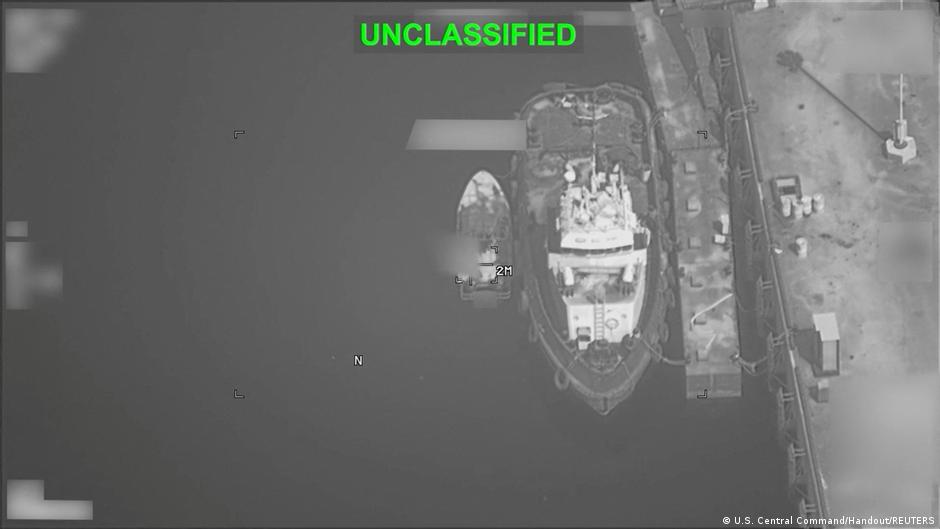
The US disabled a Gambian-flagged vessel heading to Iran after repeated warnings amid ongoing blockade enforcement in the Strait of Hormuz, affecting regional trade and digital finance.

President Trump demands strict adherence to US 'red lines' in Iran nuclear talks, influencing fintech markets, cybersecurity, and global digital banking scenarios.

US charges former Cuban leader Raul Castro over 1996 killing of US citizen pilots amid rising geopolitical tensions that may impact digital finance and cross-border payments.
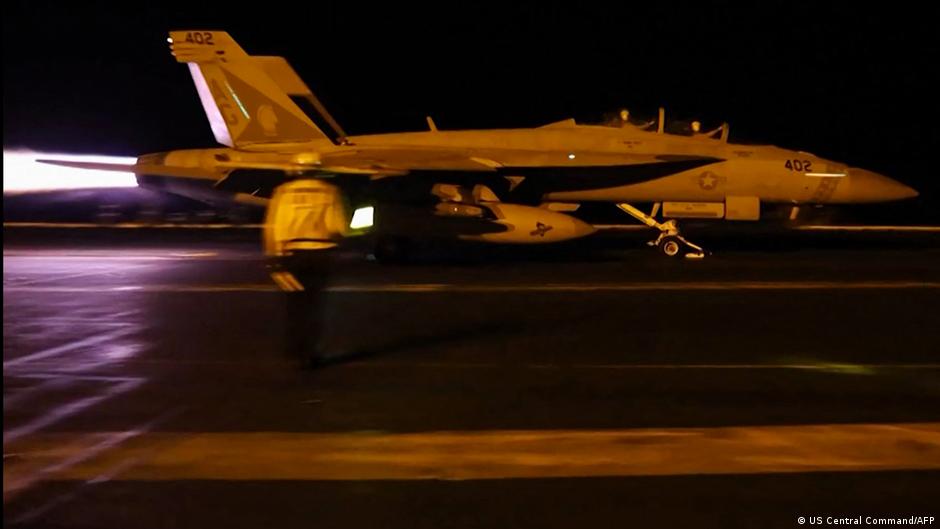
Donald Trump postponed a planned May 19 military strike on Iran after Gulf leaders intervened, as serious negotiations aim to prevent conflict and impact fintech sectors.

EU's top diplomat Kaja Kallas warns Russia, China, and the US employ divide-and-rule tactics to weaken EU unity, posing risks to fintech, digital banking, and cybersecurity integration.

Donald Trump reveals China’s interest in US oil and soybean purchases, signaling shifts in trade relations with implications for energy, commodities, and fintech sectors.

Trump's Beijing visit with Xi Jinping focuses on trade, energy security, and tech cooperation, influencing global fintech and digital economy sectors.

Iran has submitted a 14-point peace plan to the US demanding sanctions relief and naval guarantees, with significant implications for fintech, digital payments, and regional stability.

The US will issue special passports bearing President Trump's portrait to mark the 250th Independence anniversary, signaling new trends in digital identity and secure documentation.

King Charles III visits the US amid geopolitical tensions, aiming to restore US-UK ties while economic and security concerns impact fintech and defense sectors.

US Treasury Secretary Scott Bessent confirms no further extensions for sanctions exemptions on Russian and Iranian oil shipments already at sea.

The US-mediated truce extension between Israel and Lebanon offers potential stability to enhance fintech and digital economy growth in the region.

Tencent and Kaspi.kz management acquire 6 million shares, marking strategic fintech investment and strengthening Kaspi.kz's position in digital payments and super app services.