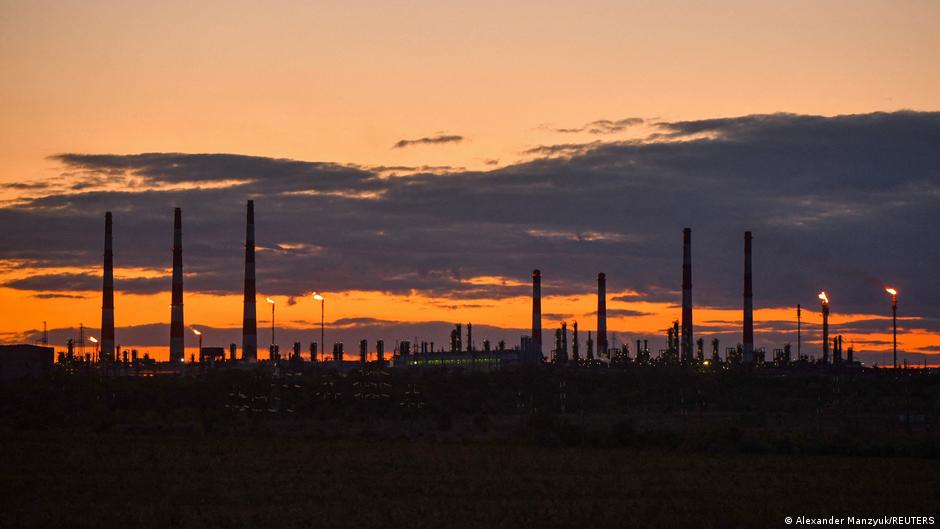
US Gas-for-Peace Proposal Raises Stakes for European Markets
A reported US plan to restore Russian gas flows to Europe could reshape cross-border payments, sanctions compliance and the outlook for digital finance and tech stocks.

A reported US plan to restore Russian gas flows to Europe could reshape cross-border payments, sanctions compliance and the outlook for digital finance and tech stocks.

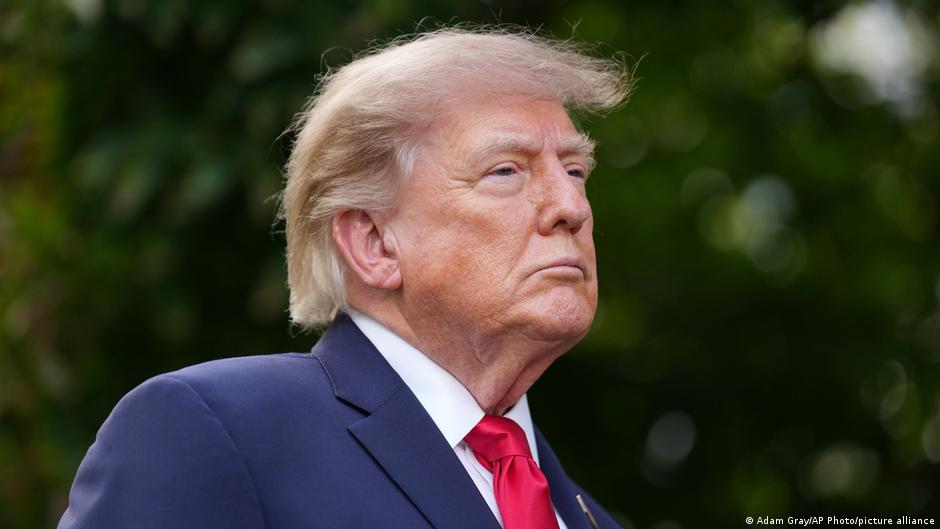
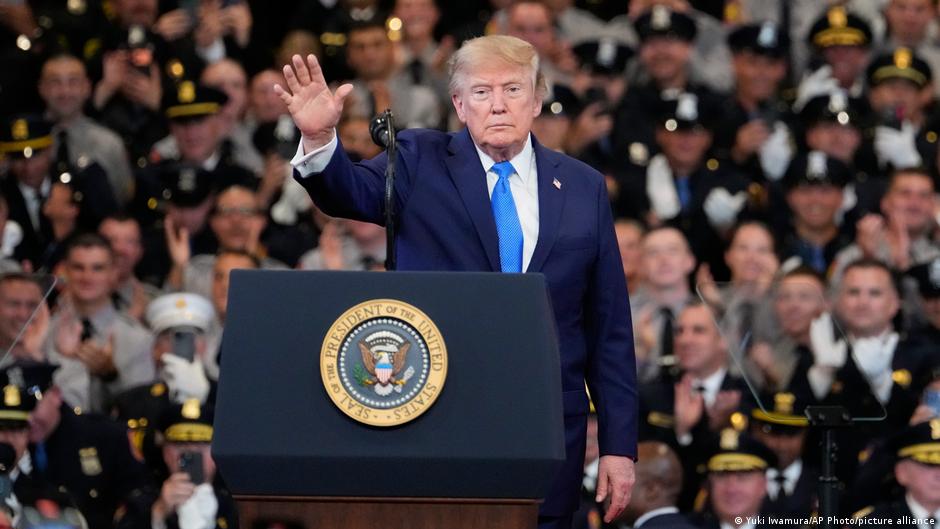
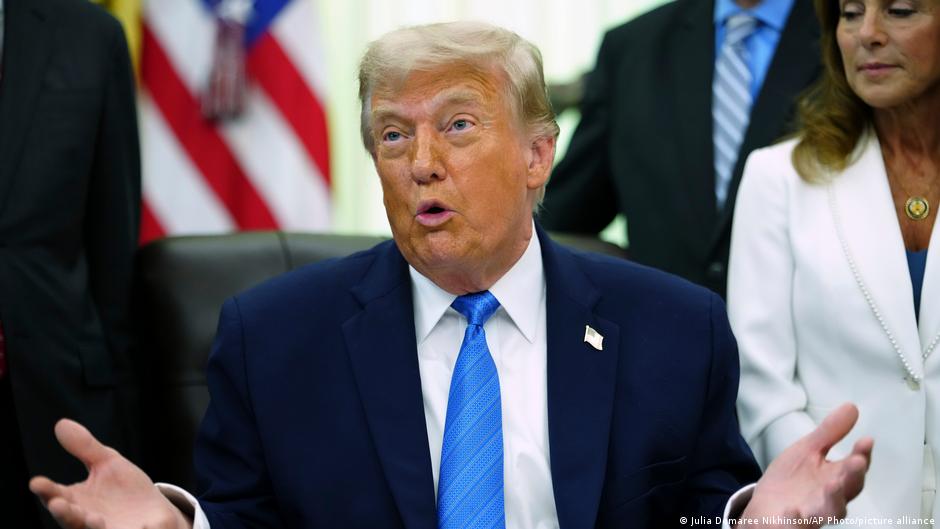
Trump said Putin is more interested than Zelensky in a Ukraine peace deal as Kyiv urged U.S. pressure over an energy ceasefire.

Reported U.S. pressure on Ukraine over refinery strikes raises questions for energy markets, payments compliance, crypto risk and tech stocks.

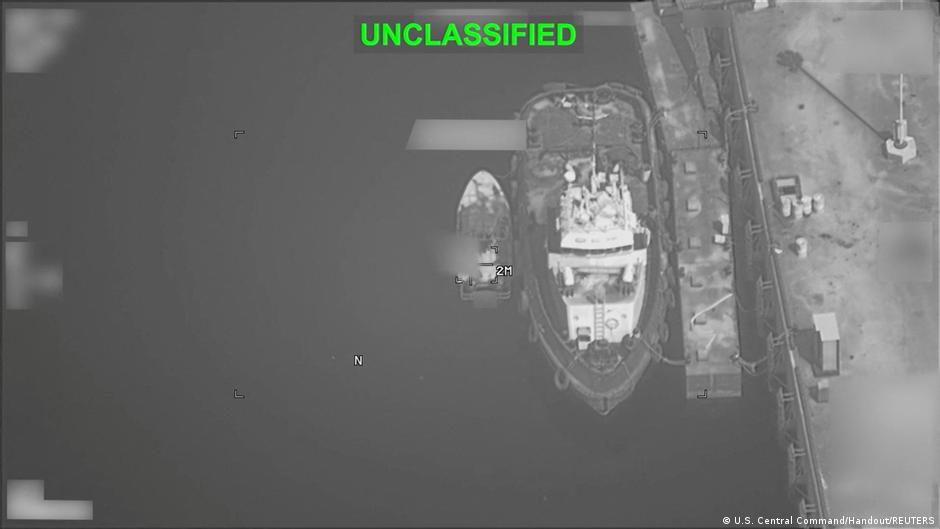
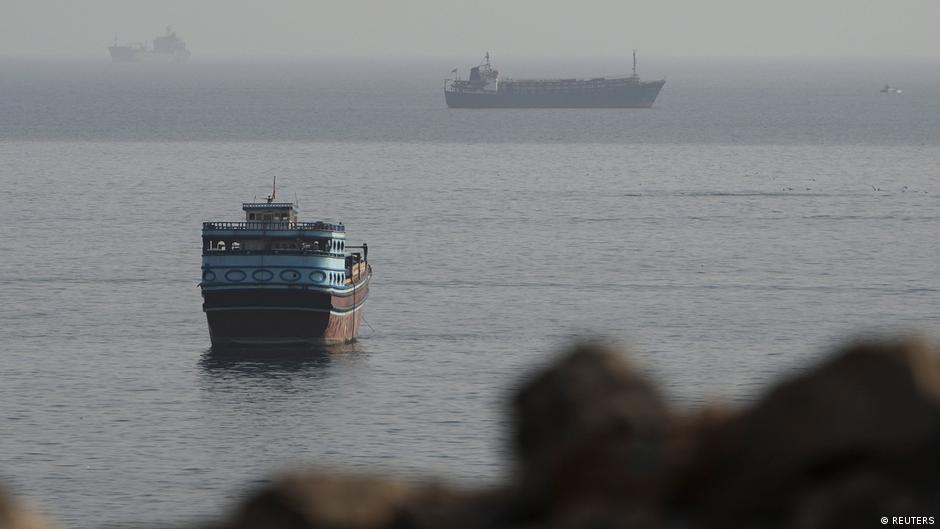
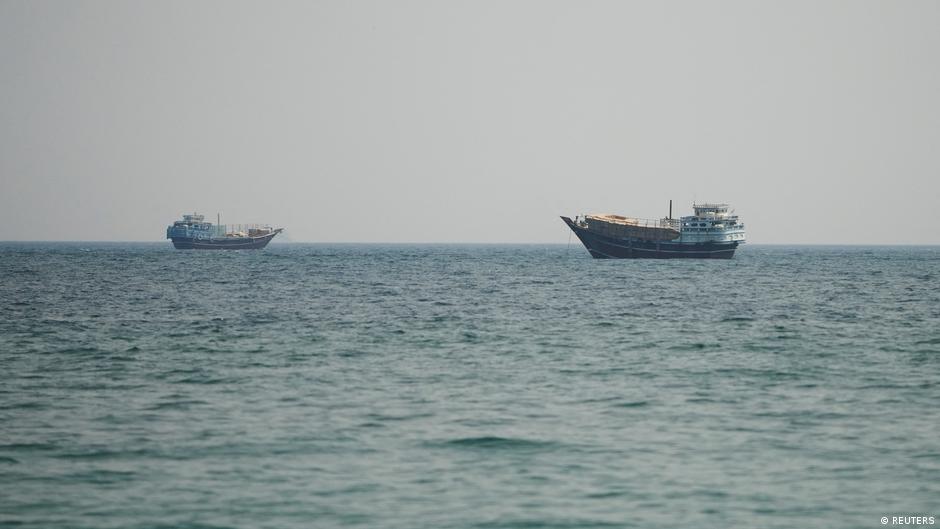
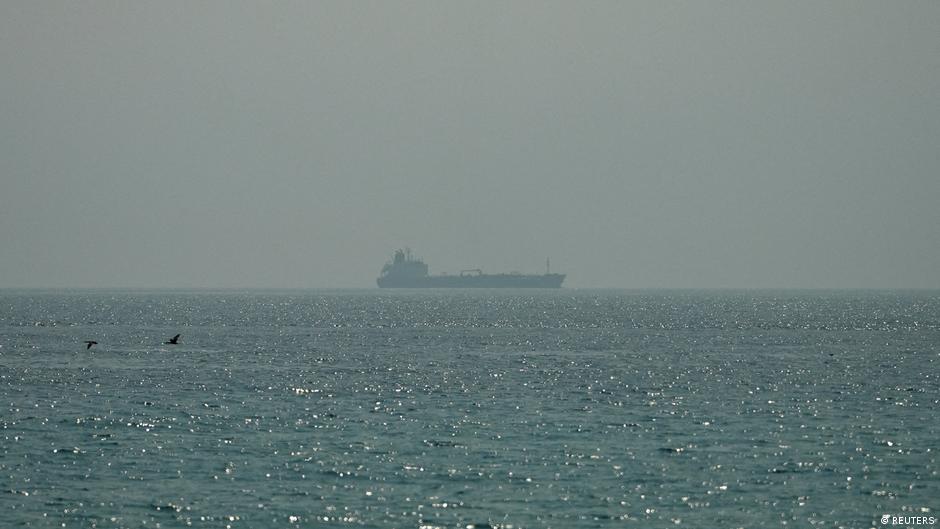
A U.S. strike disabled a Panama-flagged cargo vessel near Iran, adding pressure to energy markets, trade finance and digital risk systems.

Zelenskyy criticized a U.S.-Russia diesel supply deal, warning that sanctions relief could fund war and raise risks for markets and payments.

Ukraine said 28 people were killed in a Russian missile and drone barrage, raising fresh concerns over sanctions, payments and digital resilience.

Yemen’s new offensive near Mocha raises risks for Red Sea shipping, energy markets, payments and digital finance across the region.

Trump expects new Iran talks as the Hormuz standoff raises risks for energy markets, fintech compliance, crypto volatility and tech stocks.

Yemen’s mobilization call adds pressure to Red Sea trade routes, energy costs and market risk as Houthi forces advance near Bab el-Mandeb.

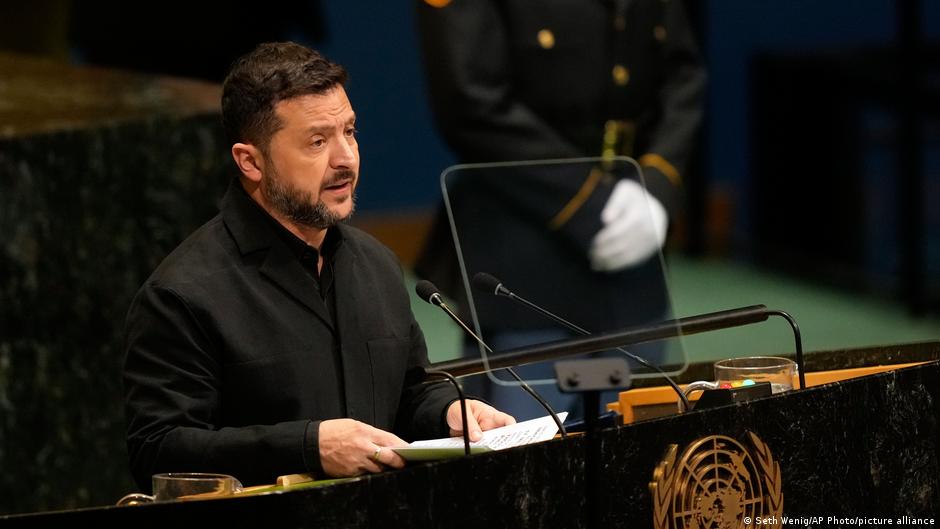
Zelenskyy told the UN that Putin is spreading war globally and said Ukraine is targeting Russia’s ability to finance and prolong the conflict.

Saudi Arabia said it intercepted a Houthi missile aimed at Riyadh, adding pressure to oil routes, payments, crypto markets and tech stocks.

Trump signed the Graham sanctions bill, giving the White House broad powers over Russian energy tariffs, banks and sanctions evasion networks.

A Saudi pipeline halt could cut global oil supply by 4%, raising volatility risks for fintech, crypto, digital banking and tech stocks.

Houthi control near Bab el-Mandeb could disrupt oil flows and ripple through payments, crypto, digital banking and tech stocks.

CENTCOM said five Iranian oil tankers were destroyed after missile attacks on a U.S. Navy ship, raising Gulf energy and finance risks.

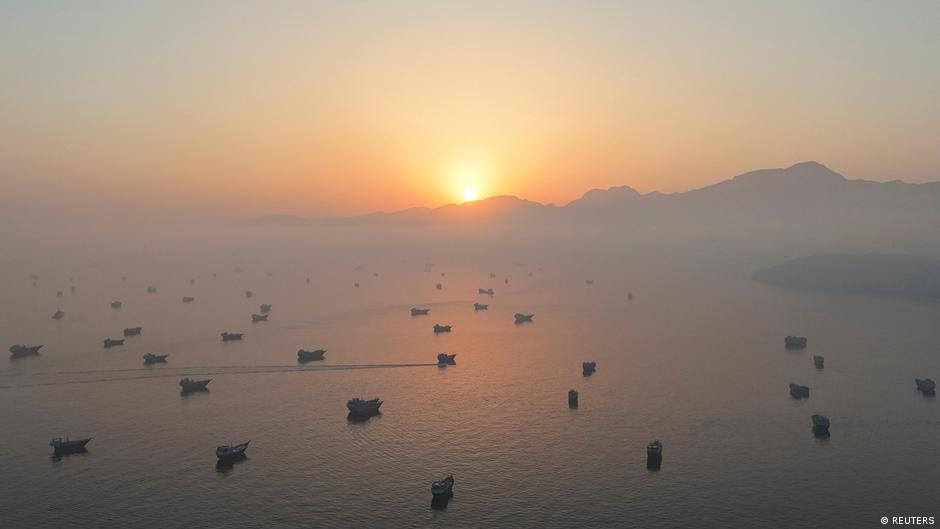
US-Iran conflict over the Strait of Hormuz threatens oil trade routes and digital payment systems, with Oman caught in diplomatic crossfire amid escalating military tensions.

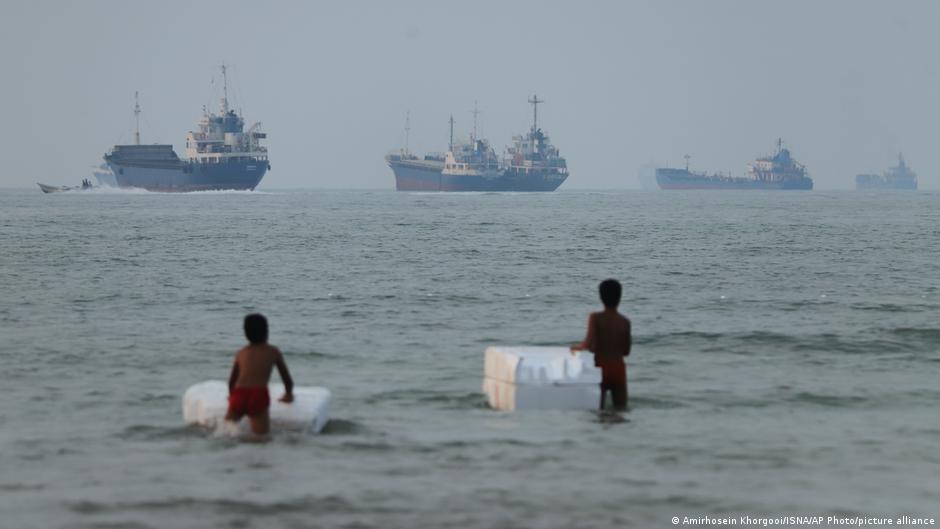
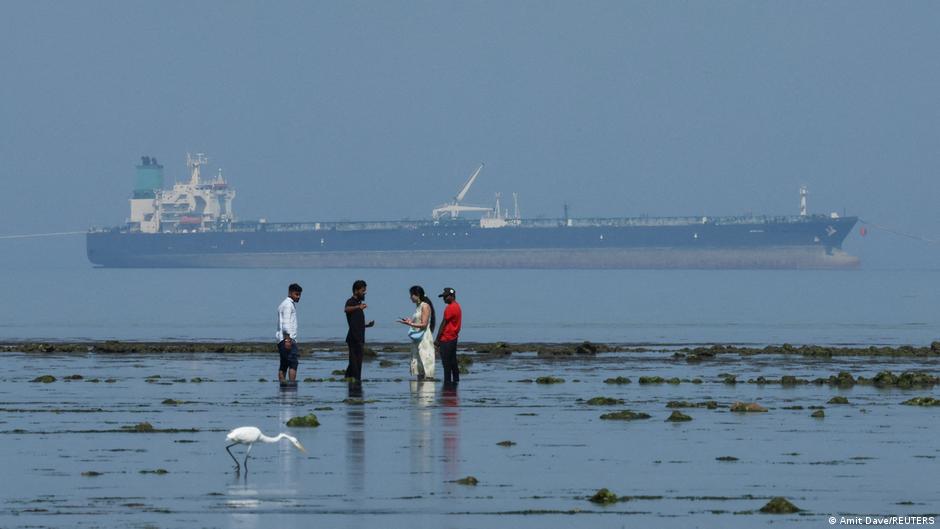
US forces disabled a cargo ship's steering attempting to breach Iran's blockade in the Strait of Hormuz, underscoring US control and geopolitical risks impacting global fintech and trade.

The US Senate approved stringent sanctions targeting Russia's energy and financial sectors, impacting global fintech, compliance, and energy trade dynamics.

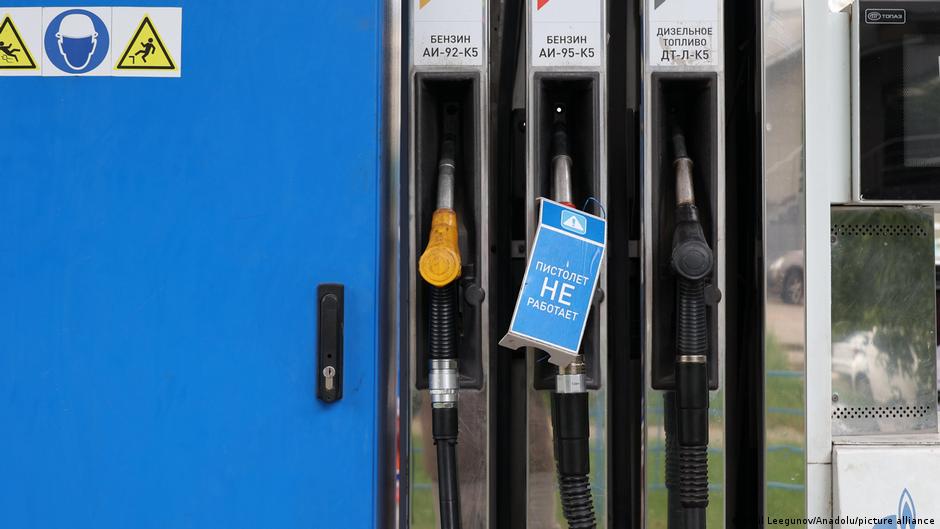
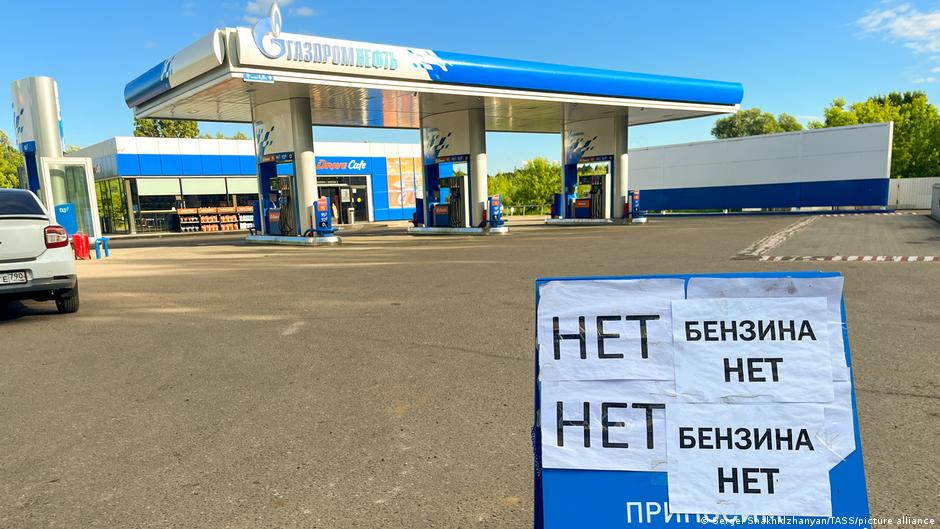
Russia extends permission for lower-grade fuel sales until 2027 amid refinery disruptions caused by attacks, impacting fuel supply, vehicle safety, and fintech-enabled payment systems.

US forces intercepted Iranian ballistic missiles targeting American troops in the Middle East, underscoring risks to regional security and fintech sectors amid rising tensions.

Russia's petroleum product production index fell nearly 22% in June amid ongoing infrastructure disruptions, impacting fuel availability and market dynamics.

Iran’s Revolutionary Guard mined and attacked an oil tanker in the Strait of Hormuz, impacting global energy trade and digital financial networks connected to maritime oil shipments.

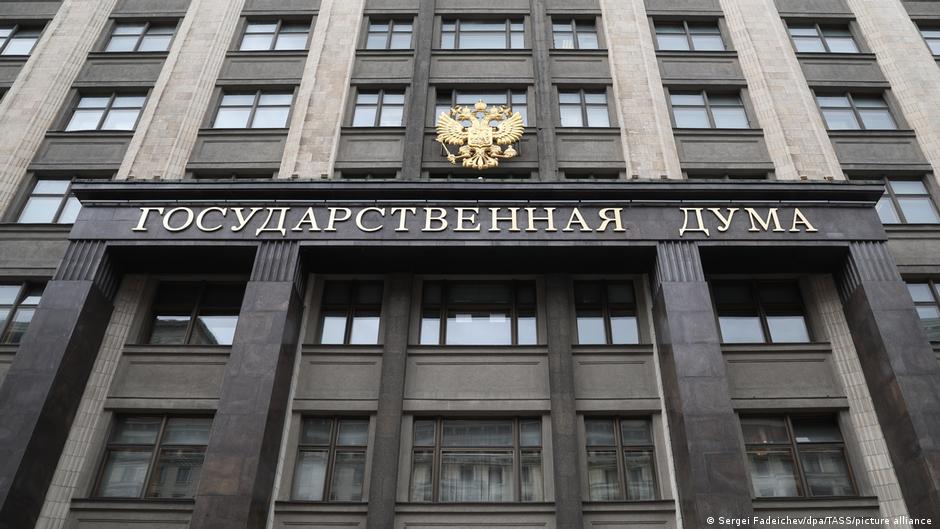
Russia's State Duma amends fuel dampener laws to stabilize prices, expand supply, and introduce new compensation schemes, affecting energy markets and fintech-related trading mechanisms.

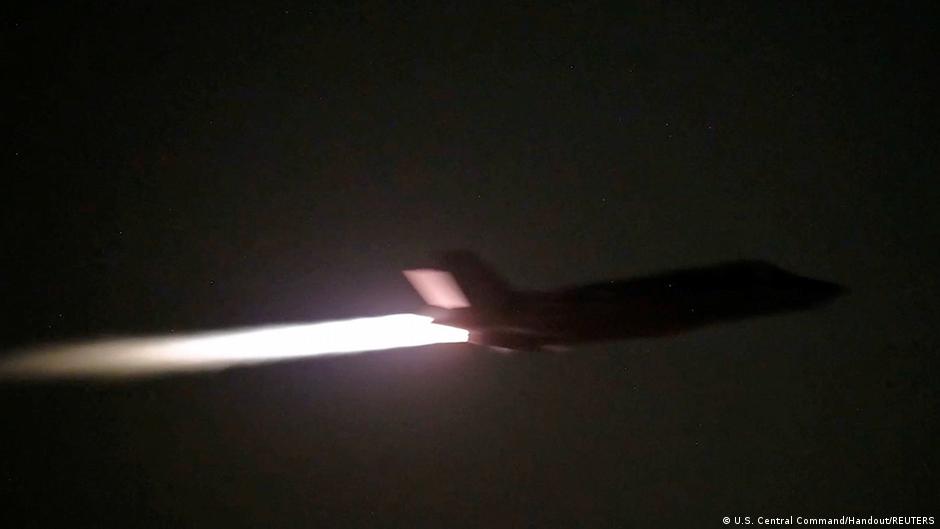
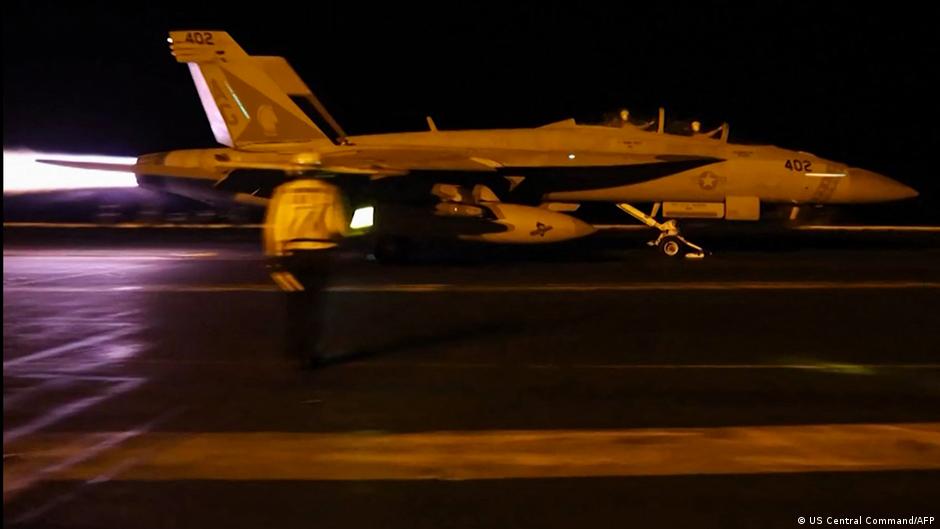
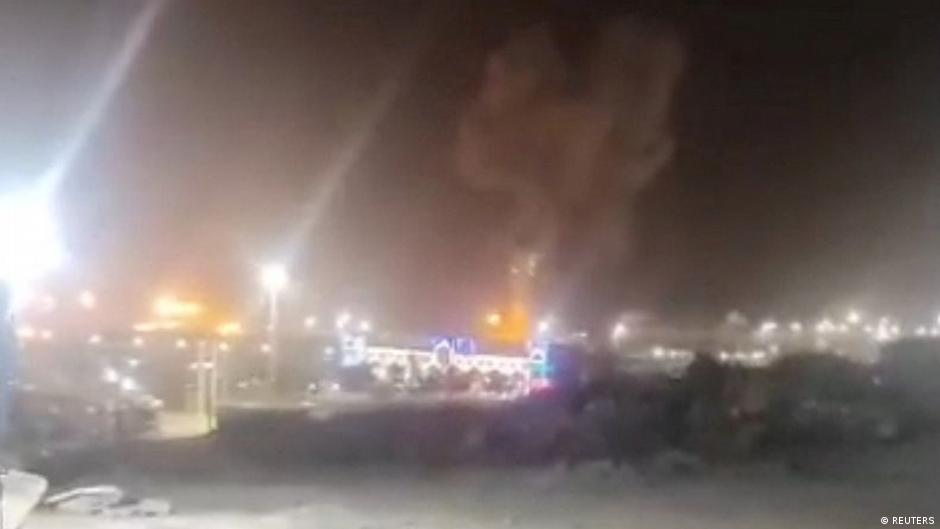
US forces continue 11th night of strikes on Iran, targeting military assets in a bid to secure Strait of Hormuz shipping lanes amid rising regional tensions.

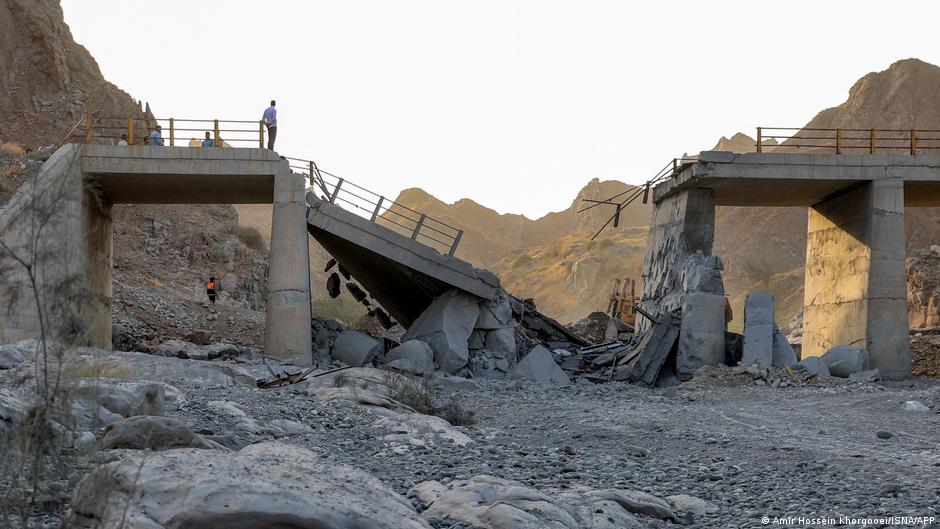
US military strikes on Iran enter tenth day, targeting missile sites and air defenses, escalating regional tensions with implications for global trade, fintech, and cybersecurity.

US strikes on Iran continue for the ninth night, disrupting Gulf trade routes and impacting energy supply chains, with significant implications for fintech and cybersecurity sectors.

US military strikes on Iran escalate tensions, impacting maritime security, digital payments, and fintech sectors amid enforced maritime blockades and retaliatory attacks.

The US is advancing plans to restore an Iraq-Syria oil pipeline bypassing the Strait of Hormuz, aiming to reduce Iran's influence and reshape regional energy routes.

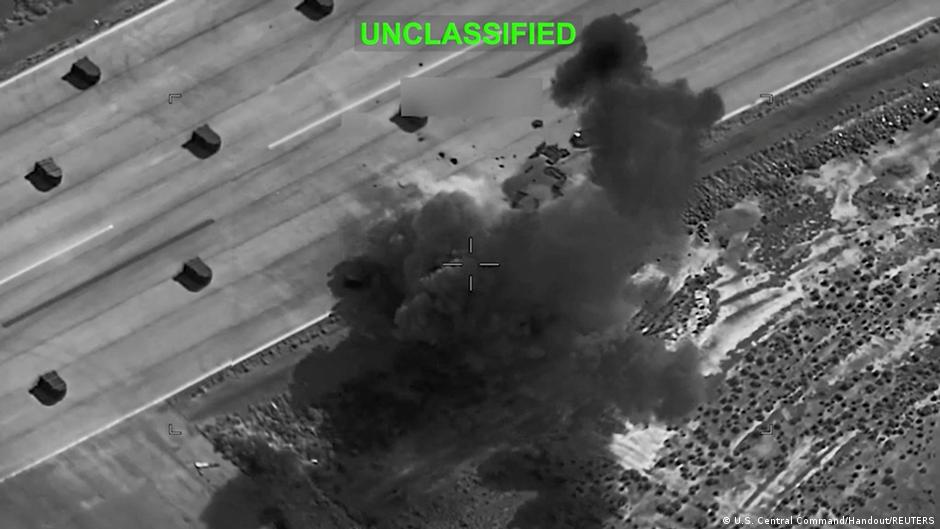
US military strikes near the Strait of Hormuz aim to prevent Iranian attacks on commercial shipping, affecting global oil trade and digital economy security.

US military strikes on Iran escalate tensions, closing the Strait of Hormuz and disrupting global oil flows with significant implications for fintech, digital payments, and cybersecurity.

US military strikes on Iran target maritime infrastructure in the Strait of Hormuz, raising risks for global trade, energy markets, and fintech payment ecosystems amid escalating tensions.

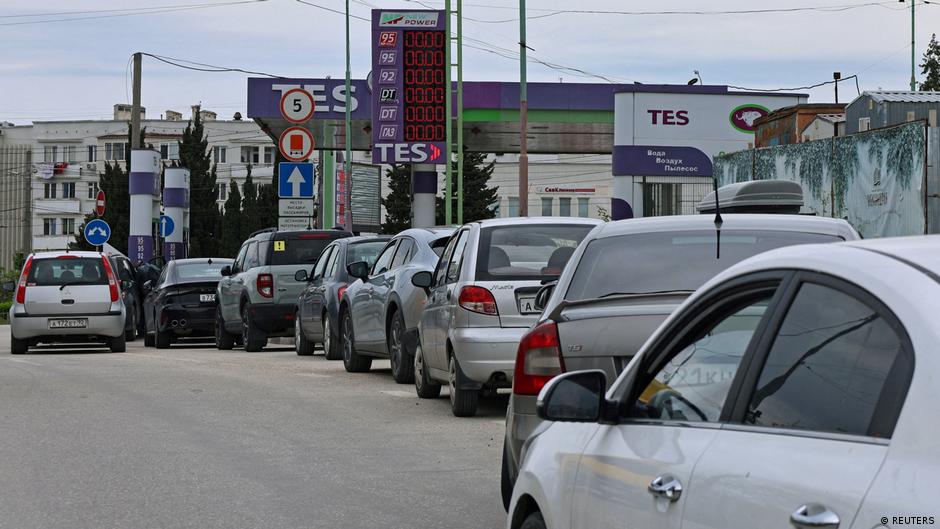
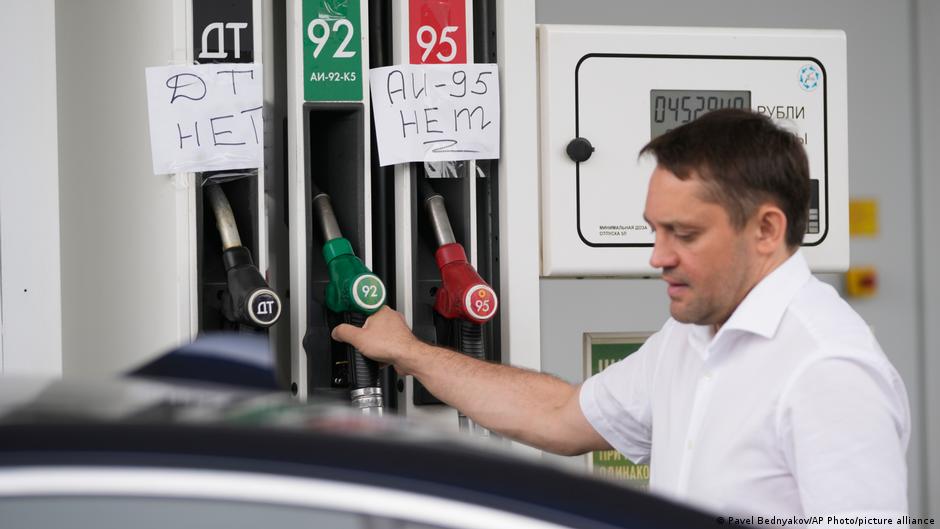
Fuel prices in Crimea nearly doubled in early July amid Russia's export ban on diesel and ongoing supply shortages affecting energy markets and digital payment trends.

US military strikes on Iran retaliate against tanker attacks in the Strait of Hormuz, raising risks for maritime trade, energy markets, and digital financial ecosystems.

Russia authorizes use of higher-sulfur Euro-3 fuels domestically until 2026 to address supply disruptions caused by attacks on refineries, excluding exports to EAEU states.
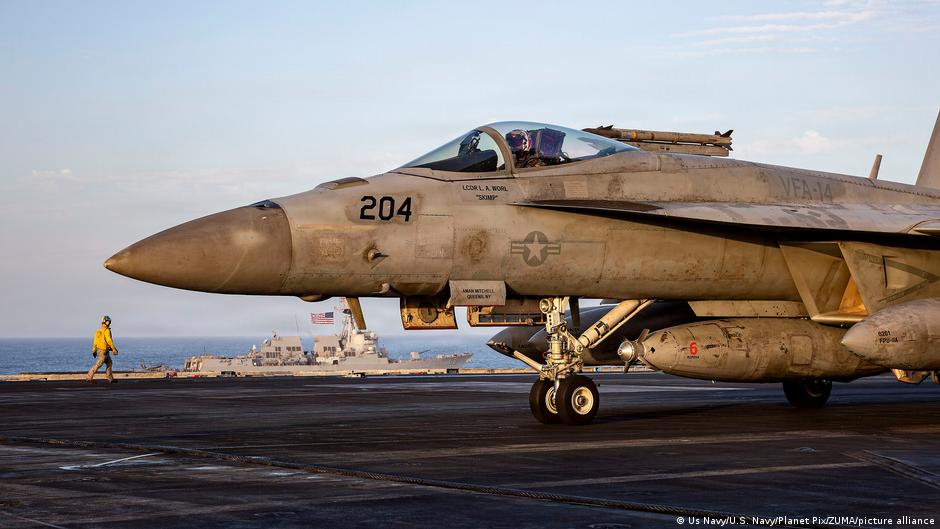
The US and Iran agree to halt attacks until June 30 ahead of talks on reopening the Strait of Hormuz, impacting energy markets and fintech sectors.

US air strikes targeted Iranian military sites following drone attacks on commercial tankers in the Strait of Hormuz, raising concerns over cybersecurity and digital trade risks.

US airstrikes on Iranian military sites followed Iran's drone attack on a commercial vessel in the Strait of Hormuz, escalating risks to maritime security and impacting global trade and fintech sectors.

Russia’s maritime oil exports hit a record high since early 2026 amid US sanctions easing for Iran, pressuring global prices and intensifying competition on markets like India.
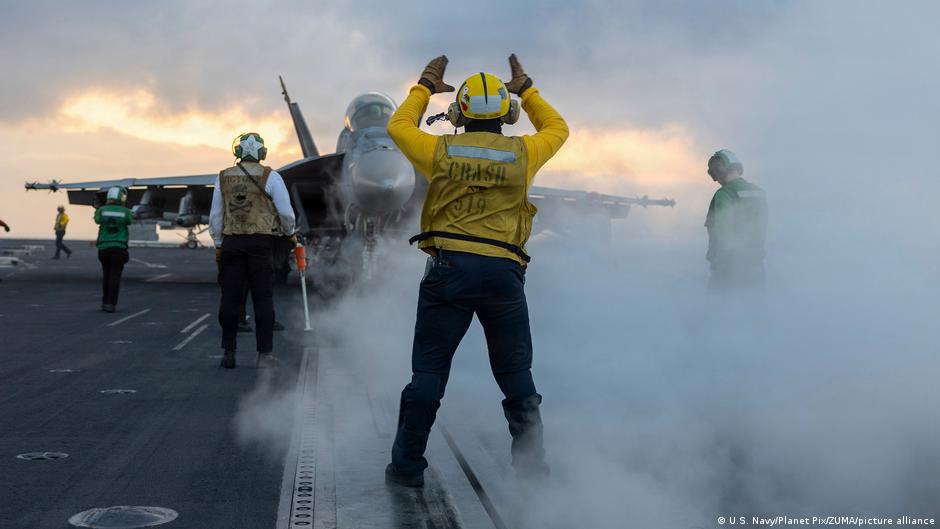
The US and Iran agreed on a communication channel to prevent incidents in the Strait of Hormuz, aiming to finalize broader agreements within 60 days, impacting regional security and fintech sectors.

The US may impose fees on ships passing through the Strait of Hormuz amid Iran deal uncertainty, affecting energy trade and digital payment systems in a key maritime corridor.

Germany urges Turkey to exclude Russian gas in future EU energy deals, impacting fintech and digital payments as Turkey aims to become a regional gas hub.

The US has lifted its naval blockade of the Strait of Hormuz, enabling record oil shipments and initiating a 60-day negotiation period with Iran to finalize a peace deal.

The G7 summit concluded with commitments to new sanctions on Russia's oil and gas sectors and expanded military aid to Ukraine, including advanced weaponry and energy support.

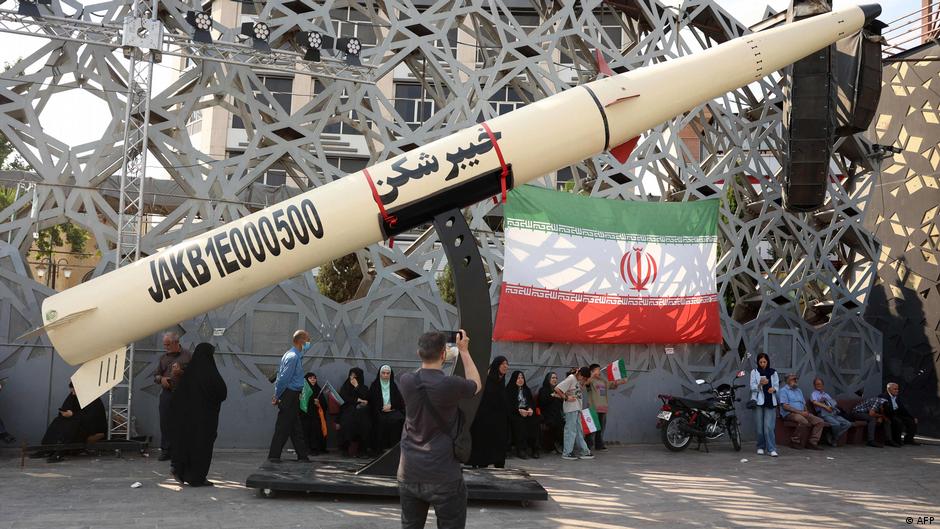
Iran has replenished its missile arsenal to three-quarters of pre-conflict levels, likely aided by Russian weapons transfers during a truce with the US, impacting regional security and energy markets.

Trump cancels planned US strikes on Iran amid diplomatic progress, impacting energy flows, cybersecurity risks, and fintech markets in the Middle East.

US Treasury extends MOL's deadline to June 16 for talks to acquire Gazprom’s stake in Serbian oil firm NIS amid sanctions impacting regional energy supply.
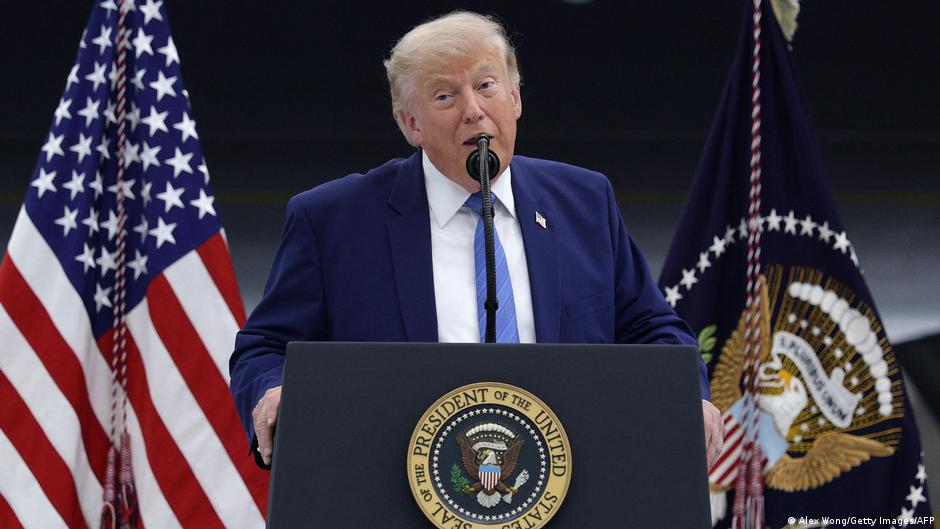
US Central Command intercepted four Iranian drones targeting the Strait of Hormuz, highlighting risks to maritime security and the technological dynamics shaping regional conflicts.

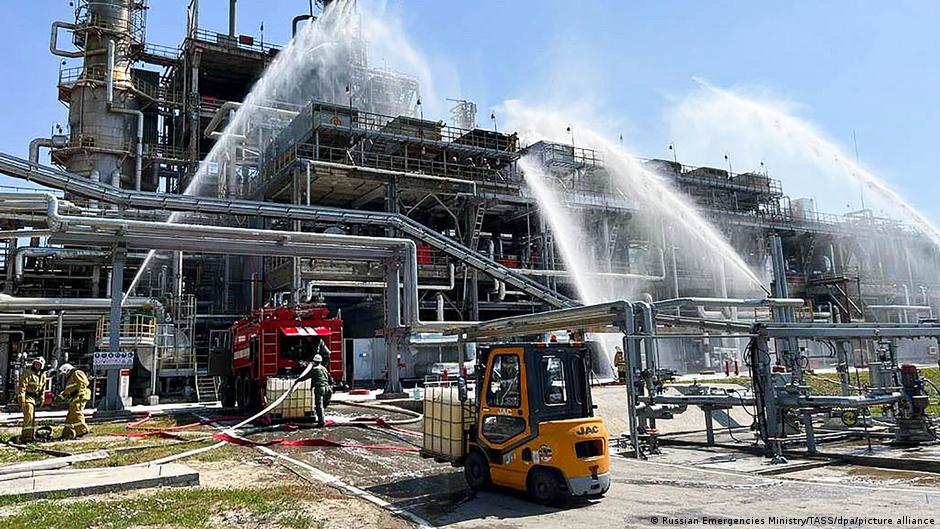
Drone strikes on oil facilities in Rostov and Saratov regions have ignited fires, exposing vulnerabilities in Russia's energy infrastructure with potential fintech and economic repercussions.

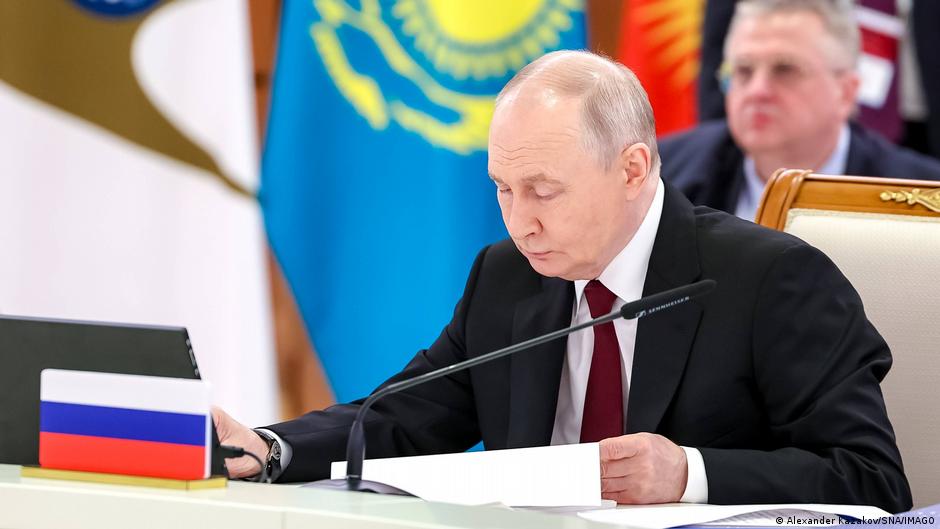
Putin warns Armenia of tariff hikes and economic sanctions if it leaves the Eurasian Economic Union, urging a referendum amid rising geopolitical tensions and trade restrictions.

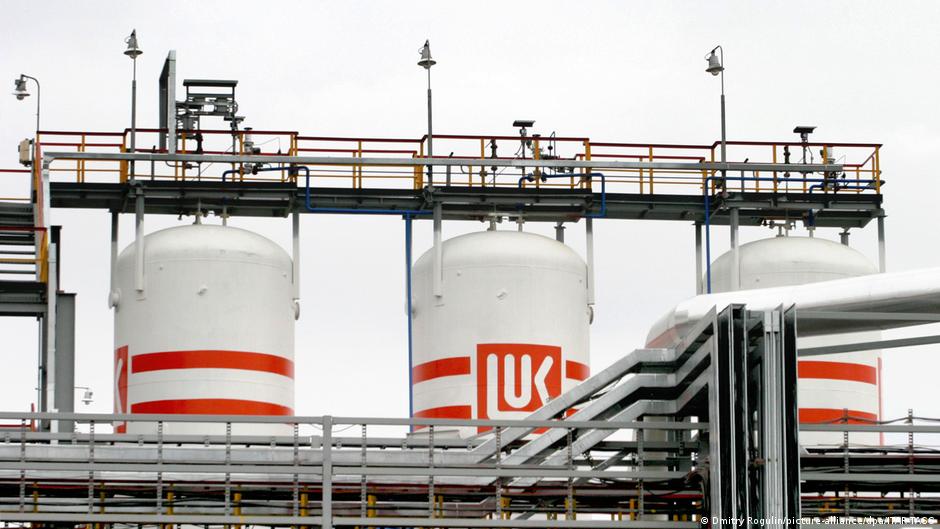
Ukrainian drone strikes have forced Lukoil’s Nizhny Novgorod refinery to shut down over half its primary processing capacity, disrupting Russia’s fuel production and impacting energy and fintech sectors.